



Revolutionizing Healthcare: Trends in Reservation Systems and Online Consultations
Emerging Trends in Healthcare ICT
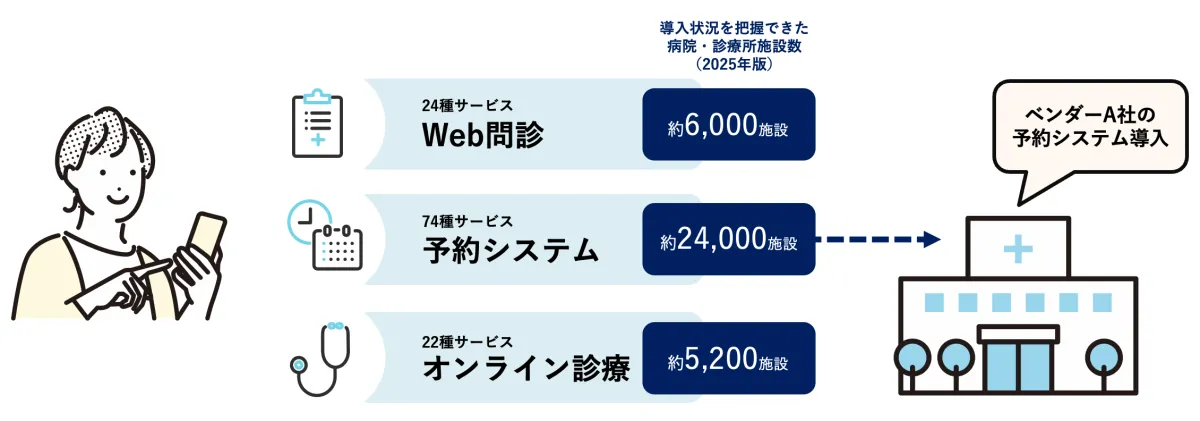
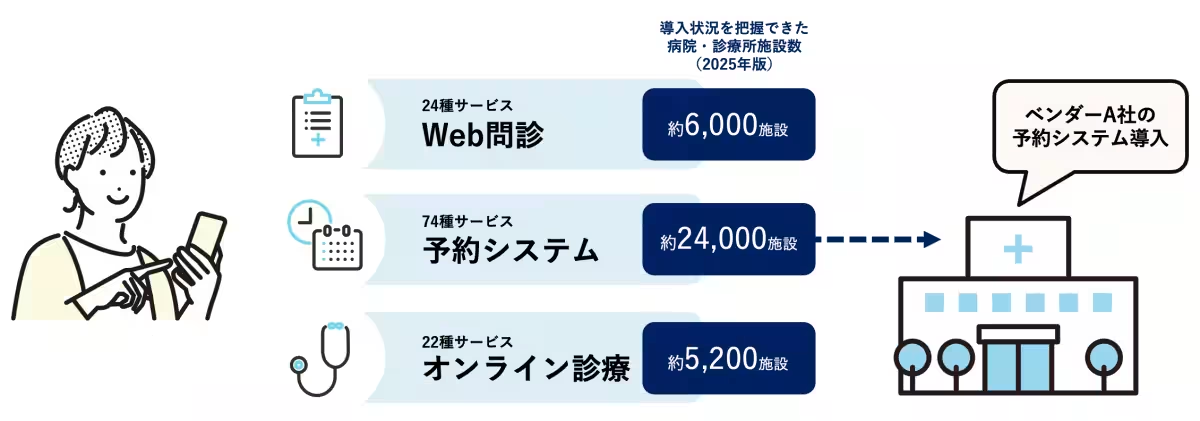
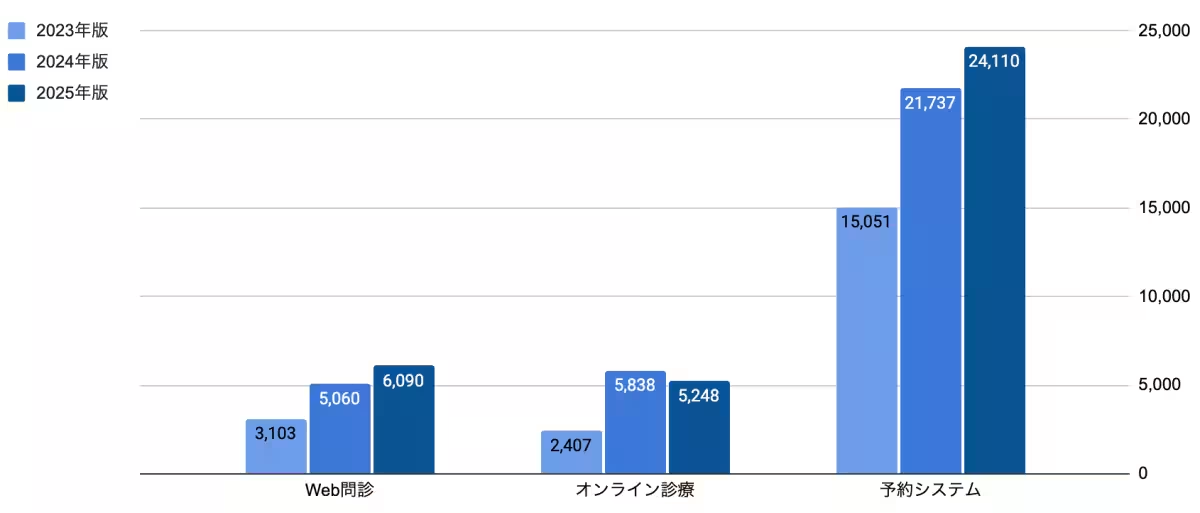
Mikan Company, headquartered in Minato, Tokyo, has launched its latest analysis, titled "Reservation and ICT Manufacturer Dataset 2025," shedding light on the evolution of the healthcare ICT market. Using data from 2023 to 2025, this comprehensive report highlights significant shifts such as a slowdown in new implementations and an increase in replacements, revealing vital insights into market dynamics.
Key Findings
The analysis indicates that while the number of implemented systems continues to rise, growth rates are stabilizing as the market reaches saturation. Notably, despite being the largest segment, the reservation systems market is witnessing a decrease in growth for the third consecutive year.
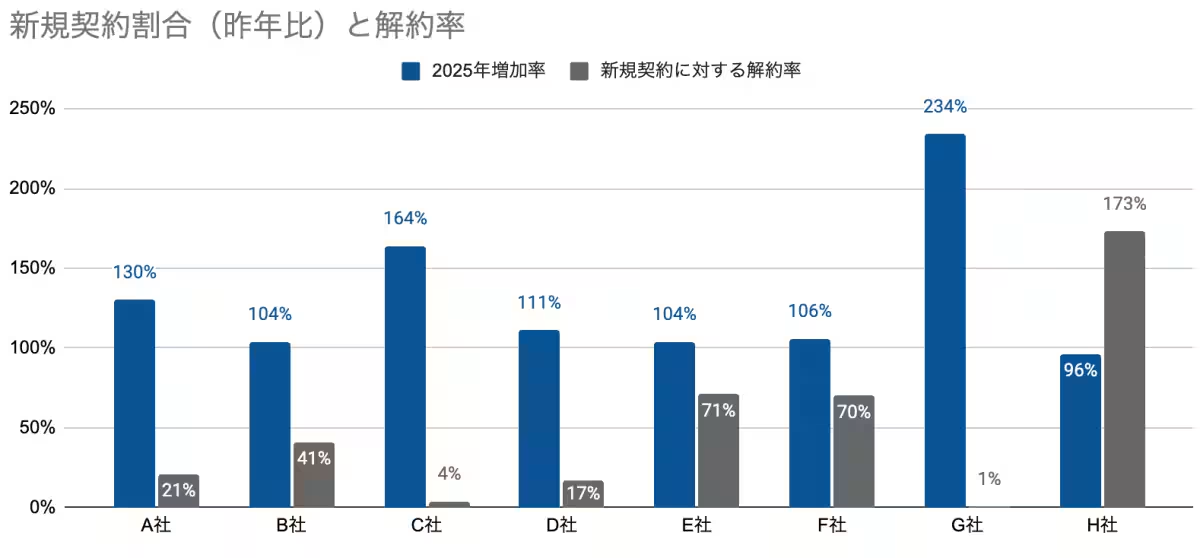
The data reveals that many institutions adopting new systems are transitioning from previous systems, marking a shift in focus from new adoptions to replacements and cancellations due to system transitions and service terminations. This increasing competition is evident as leading firms grow while others face stagnation or decline.
Increase in Replacements
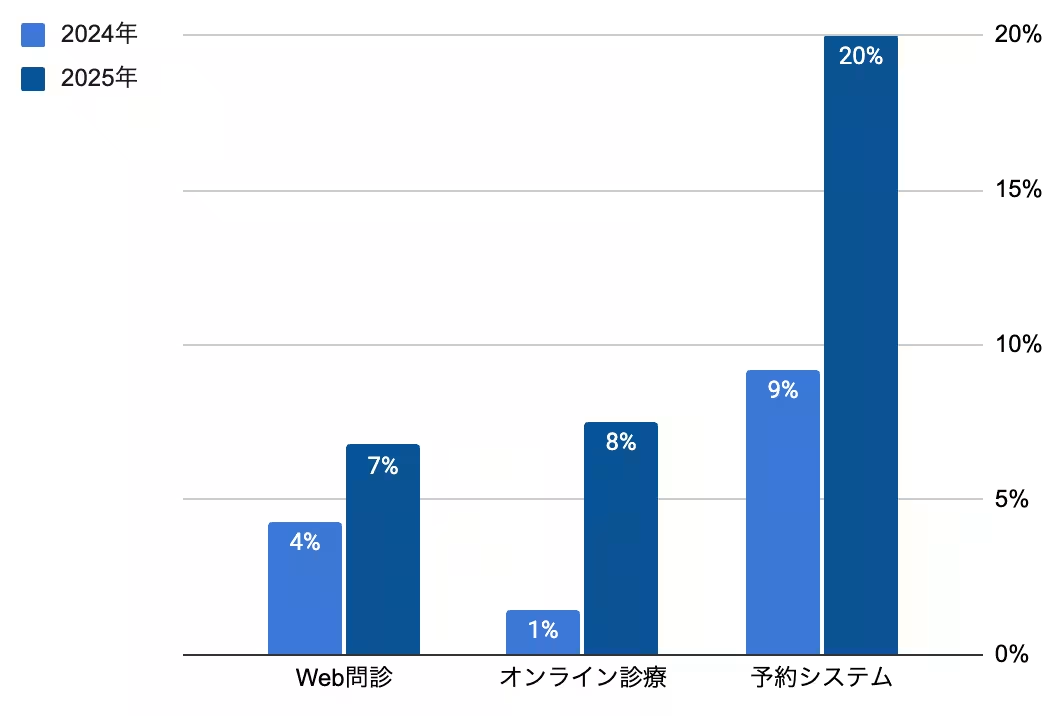
Among the healthcare facilities that adopted new systems in 2025, there was a notable rise in replacements from existing systems. The new data presents the following percentages of replacements:
- - Web-Based Consultations: Increased from 4% to 7%
- - Online Consultations: Jumped from 1% to 8%
- - Reservation Systems: Rose from 9% to 20%
This trend underscores a significant market shift, with institutions more frequently switching providers, demanding enhanced quality and support from healthcare technology vendors.
Rising Cancellations
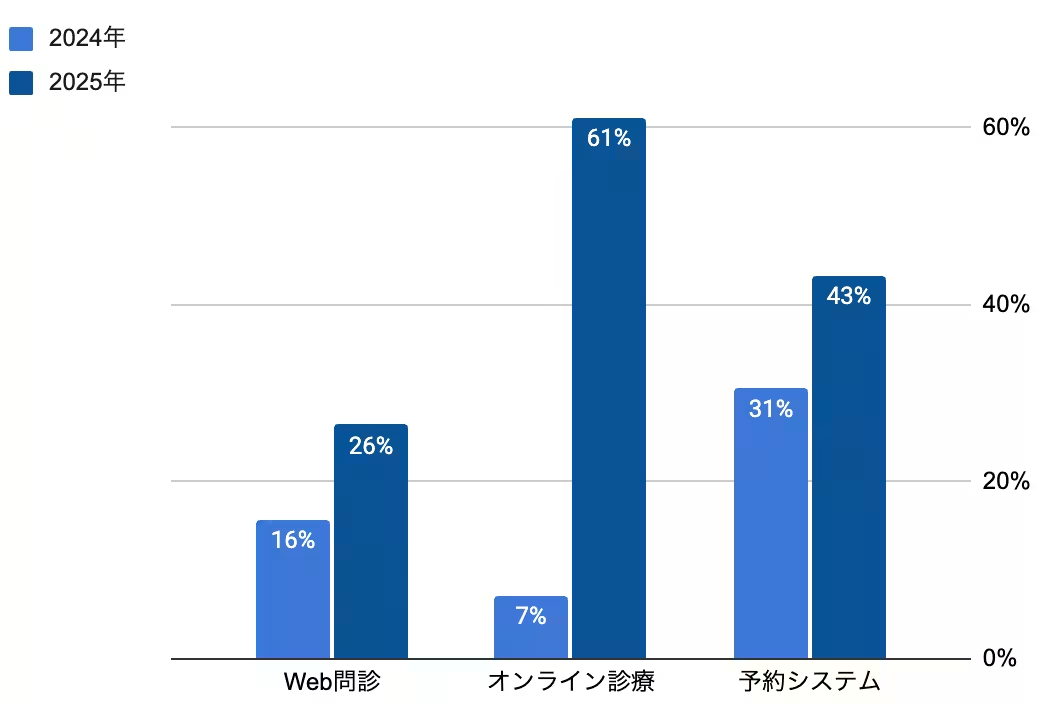
Alongside new adoptions, the rate of cancellations has also increased significantly. The following percentages indicate cancellation ratios:
- - Web-Based Consultations: Climbed from 16% to 26%
- - Online Consultations: Surged from 7% to 61%
- - Reservation Systems: Increased from 31% to 43%
These numbers highlight the challenges vendors face in maintaining customer satisfaction following a switch, signaling a need for improved product compatibility and market responsiveness.
Market Dynamics and Competitive Landscape
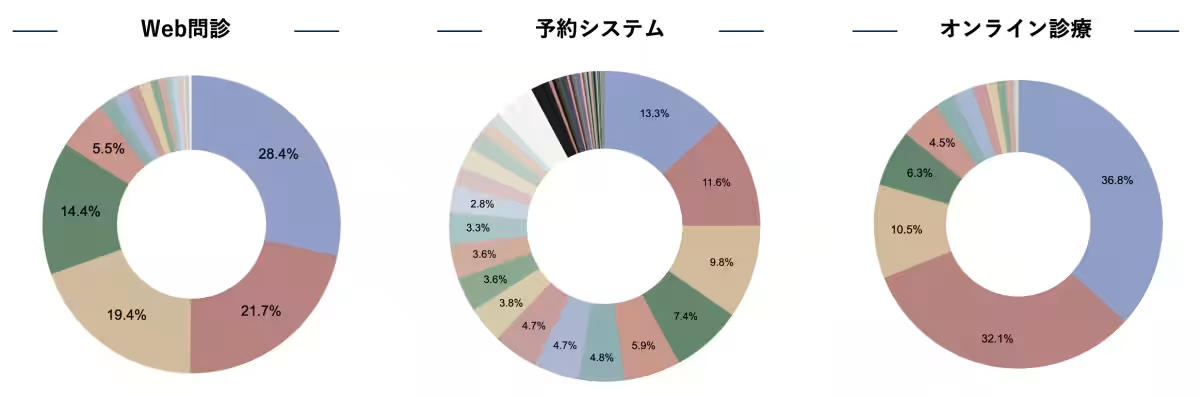
As mergers and acquisitions (M&A) accelerate in the healthcare ICT sector, the competitive landscape is changing rapidly. No single company dominates the market, leading to a more fragmented scenario where understanding specific market dynamics and customer preferences becomes paramount for success.
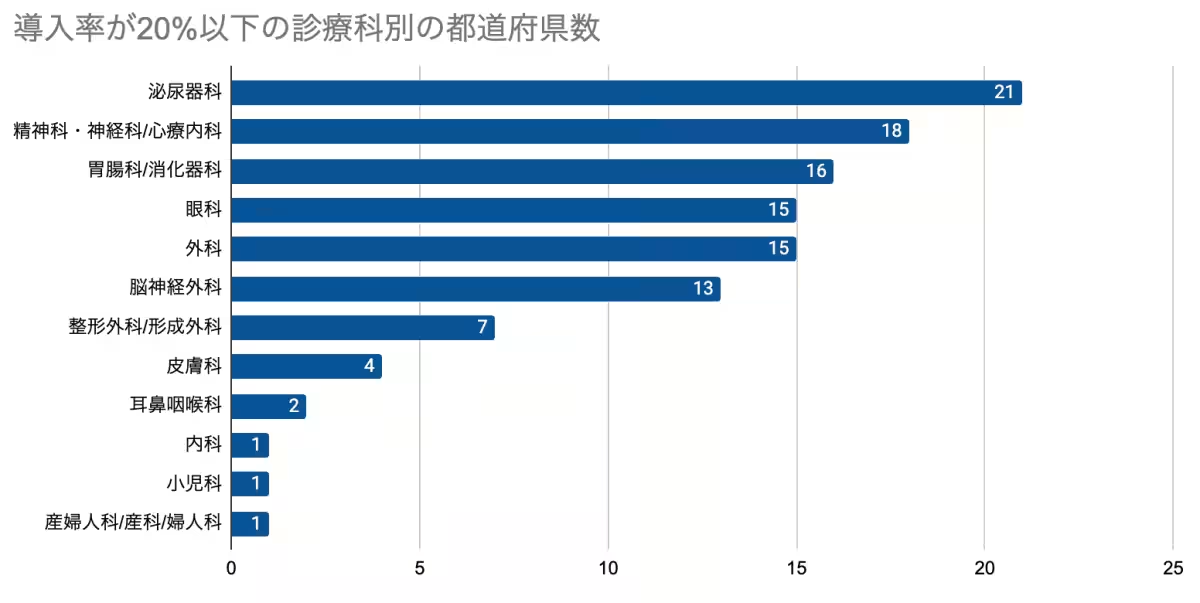
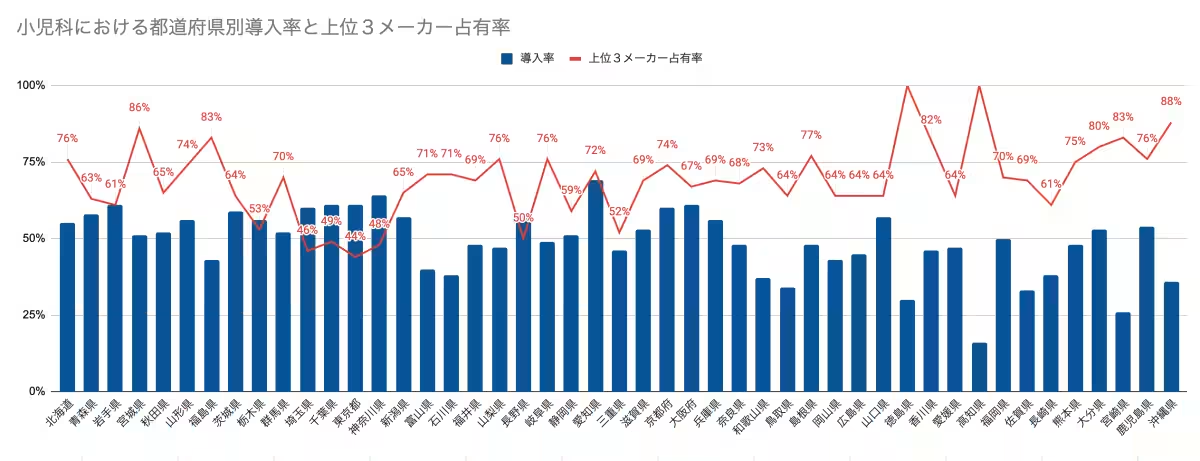
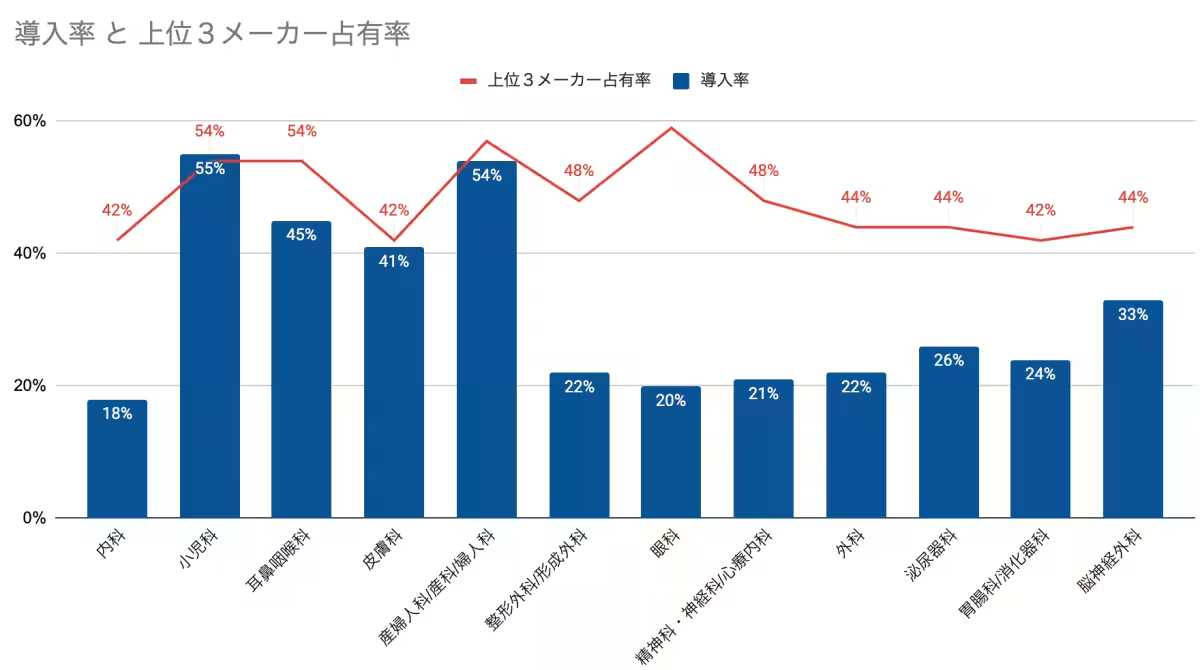
By analyzing the installation rates across different specialties, such as pediatrics and ophthalmology, the report illustrates how the healthcare market's structure varies significantly by region and specialty. For instance:
- - Pediatrics shows a 55% installation rate with the top three manufacturers capturing 54% of the market.
- - In contrast, Ophthalmology's adoption rate remains lower at 20%, yet the concentration of top manufacturers is stark, demonstrating a duopolistic market.
Importance of Data-Driven Strategies
As the market matures, the importance of being chosen among competitors becomes critical. The "Reservation and ICT Manufacturer Dataset" not only displays the overall market landscape but also allows healthcare providers to pinpoint opportunities for expansion and customer engagement strategies.
Mikan Company is providing two complimentary whitepapers:
1. Characteristics of Newly Implemented Healthcare Facilities: An analytical report detailing newly adopting healthcare institutions, providing insights into their characteristics.
2. Regional and Specialty-Based Adoption Share Report: A comprehensive listing revealing the top three manufacturers per region and specialty, helping to understand market penetration.
Conclusion
The findings highlight a rapidly changing healthcare ICT market, with manufacturers needing to adapt swiftly to emerging trends and competitive pressures. Quality, support, and strategic market positioning will be critical for companies aiming to thrive in this dynamic landscape. The 2025 dataset serves as an essential tool for stakeholders in the healthcare sector to plan effectively for the future.
Topics Consumer Products & Retail)
【About Using Articles】
You can freely use the title and article content by linking to the page where the article is posted.
※ Images cannot be used.
【About Links】
Links are free to use.