



New BIZENYAKI NEO KESHIKI Brand Connects Nature, Art, and Everyday Life
Embracing Nature and Tradition: Introducing BIZENYAKI NEO KESHIKI
In a remarkable collaboration that bridges nature, art, and daily life, Okayama University, along with JR West Okayama Branch and local Bizen pottery artists, is set to unveil an innovative brand named BIZENYAKI NEO KESHIKI. This initiative not only revives the cultural heritage of Bizen pottery but also integrates sustainable practices by utilizing timber harvested along the JR train lines.
The Concept of Connecting Three Landscapes
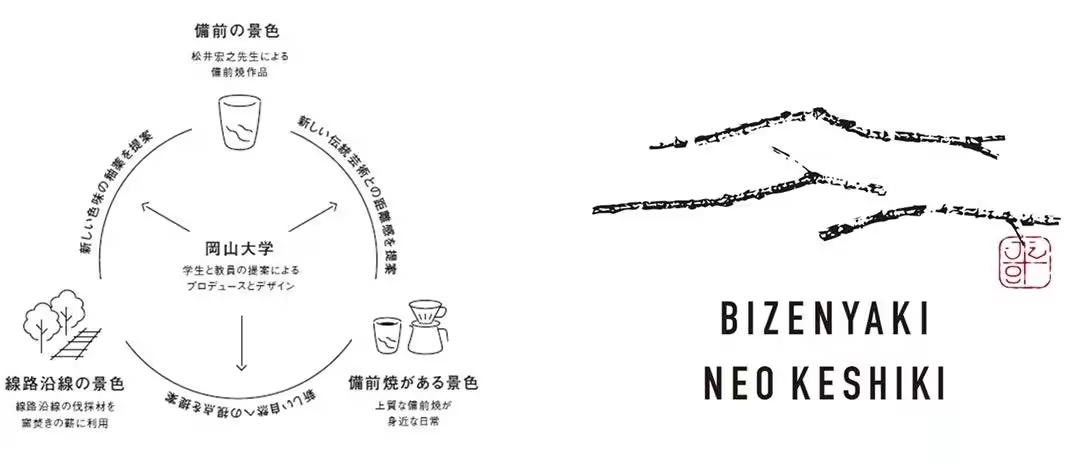
The driving vision behind this project is to connect three distinct landscapes: the scenery viewed from train windows, the unique designs of Bizen pottery, and the aesthetics of daily life enhanced by this traditional craft. By using timber directly sourced from local rail lines as fuel for the pottery kilns, the resulting ash transforms into natural glaze, creating intricate new patterns that reflect the beauty of the surrounding environment.
Sustainable Practices and Accessibility
One of the most exciting aspects of the BIZENYAKI NEO KESHIKI initiative is its commitment to sustainability. Traditionally, the timber harvested from forests has been primarily used as fuel, representing a loss of potential cultural value. However, by reimagining this timber into beautiful pottery, the project adds a new cultural dimension to what was once seen as mere resource material.
The branding and packaging of BIZENYAKI NEO KESHIKI will be developed by students from Okayama University, under the guidance of faculty members who specialize in art education. This hands-on experience not only equips students with practical skills in branding but also supports local craft through modern marketing techniques.
In terms of affordability, the pricing strategy has been notably effective. While traditional Bizen pottery can range from 18,000 to 20,000 yen (approximately $160 to $180), the innovative approach of incorporating nature's gifts allows these works to be offered at a more accessible price point of about 10,000 to 12,000 yen (approximately $90 to $110). This significant reduction makes Bizen pottery a viable option for everyday use, encouraging more people to incorporate these handmade treasures into their daily lives.
Launch and Impact
Tentatively scheduled for mid-August 2026, the launch of BIZENYAKI NEO KESHIKI at local markets and stores is highly anticipated. The collaboration will not only strengthen ties between the university and regional traditional artisans but will also serve as a role model for other regions seeking to combine local resources, education, and craftsmanship.
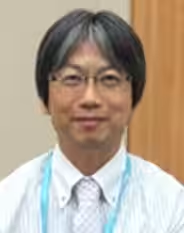
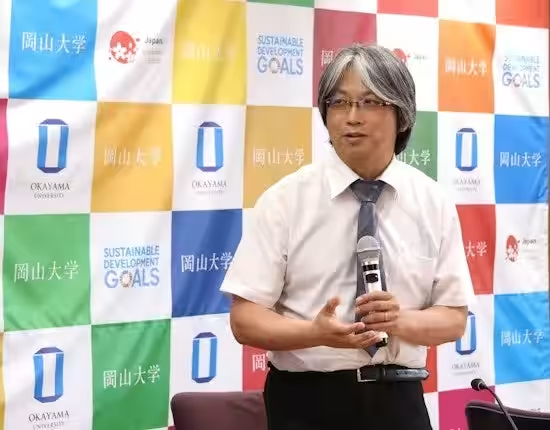
As stated by Professor Tetsuo Kiyota of Okayama University, the essence of this project lies in its ability to transform the timber from train tracks into a shared cultural experience. It's about more than just Bizen pottery; it's a new proposal for a circular economic model that respects local traditions while promoting engagement with art in everyday contexts.
Community Engagement and Future Prospects
Through workshops, exhibitions, and educational outreach, the project aims to foster a deeper appreciation of Bizen pottery as an evolving art form that resonates with contemporary life. The focus on generating cultural dialogue around these products ensures that the community is actively involved in the process, from creation to implementation.
In conclusion, BIZENYAKI NEO KESHIKI is set to breathe new life into the traditional craft of Bizen pottery. By utilizing local timber in innovative ways and bridging the gap between past and present, this initiative exemplifies the collaborative spirit of Okayama's community, fostering artistic expression while adhering to sustainable practices. Look forward to colorful new landscapes being introduced not just to our visual palette but to our everyday living experiences as well.
Topics Consumer Products & Retail)
【About Using Articles】
You can freely use the title and article content by linking to the page where the article is posted.
※ Images cannot be used.
【About Links】
Links are free to use.