



Over Half of Remote Workers Say They Focus Better at Home Than in the Office
The Productivity Dilemma: Remote Work vs. Office Work
In a recent survey conducted by LASSIC, a company that promotes flexible working styles, more than half of the remote workers questioned stated they feel more focused when telecommuting rather than working from the office. This finding sheds light on the potential benefits of remote work, especially in today's evolving work environment.
Survey Insights
The survey, titled "Telework and Office Work Suitability Study," involved 1,011 working individuals aged between 20 and 65 who have experience with remote work. Conducted between August 6 and August 12, 2026, the aim was to identify preferences between working from home and the office based on various task-related factors.
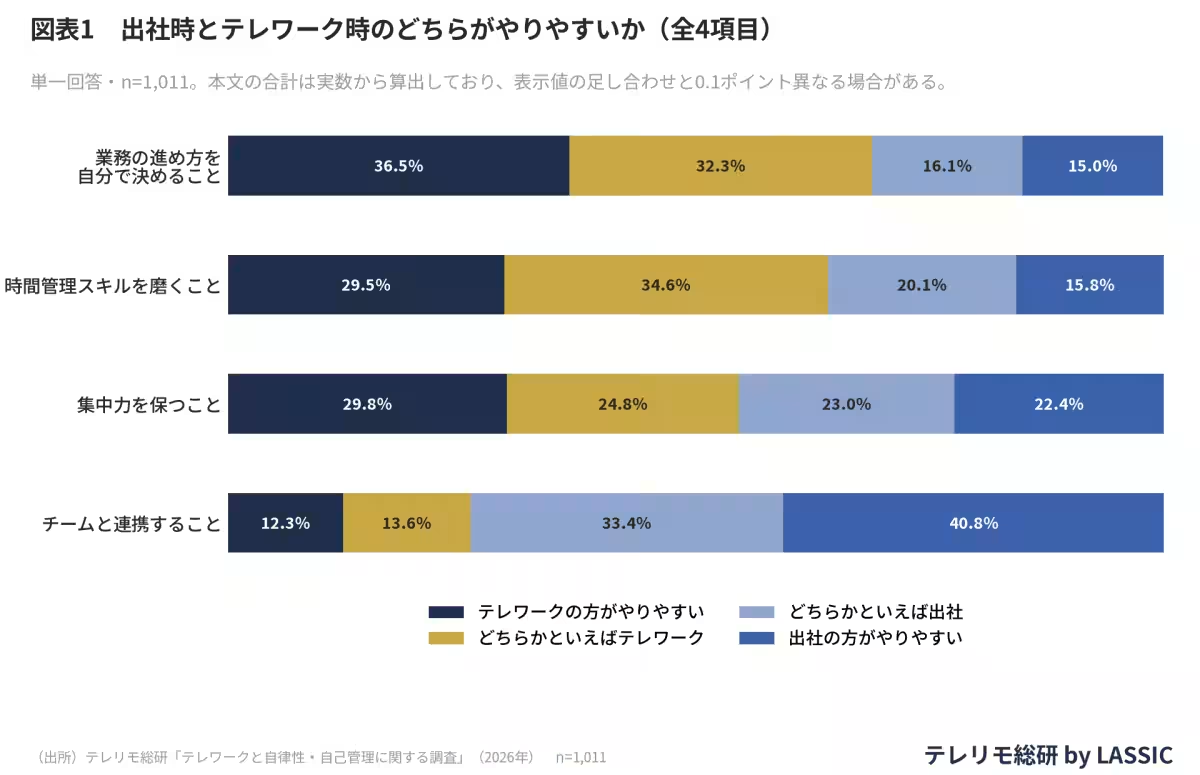
The study revealed that when considering four specific aspects, a significant number of respondents preferred remote work: 68.8% found it easier to make their own decisions regarding task management, 64.1% felt more capable of improving their time management skills, and 54.6% maintained better concentration while telecommuting. In contrast, only 25.8% felt that collaborating with their team was easier while working remotely, indicating a downside to isolation.
Diverging Experiences Within Job Types
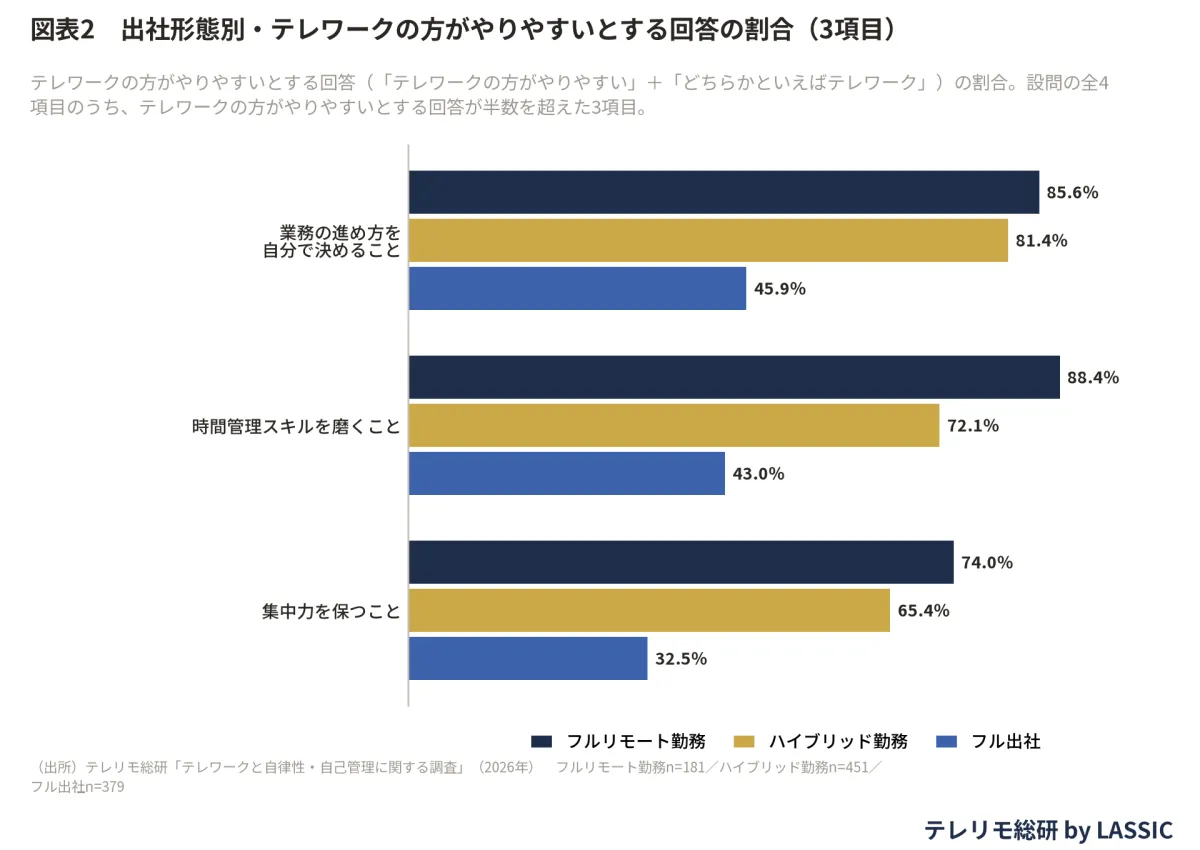
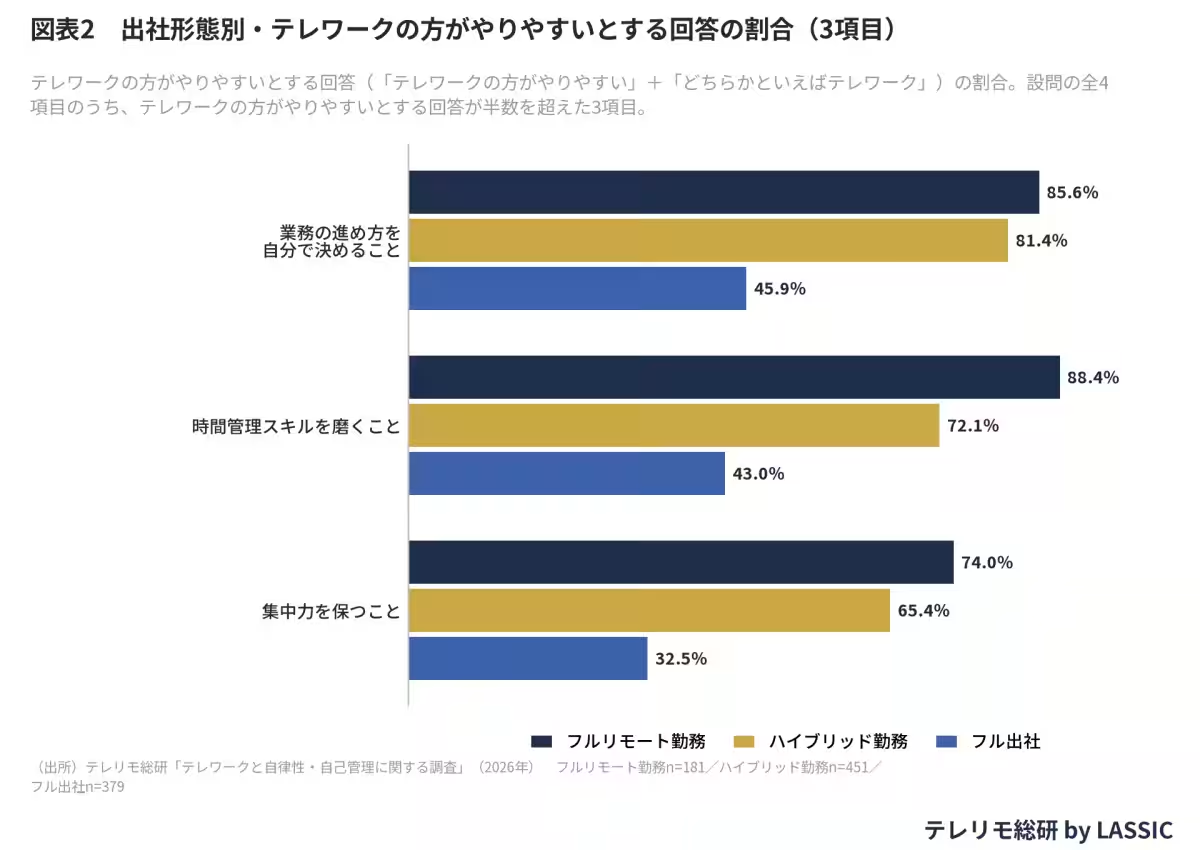
Interestingly, even among respondents currently working full-time in the office, some still acknowledged the advantages of remote work. Specifically, 45.9% recognized that they could manage their tasks better at home, while 43.0% noted that telecommuting enhanced their time management skills. This suggests that even in traditional work environments, employees may thrive with greater autonomy.
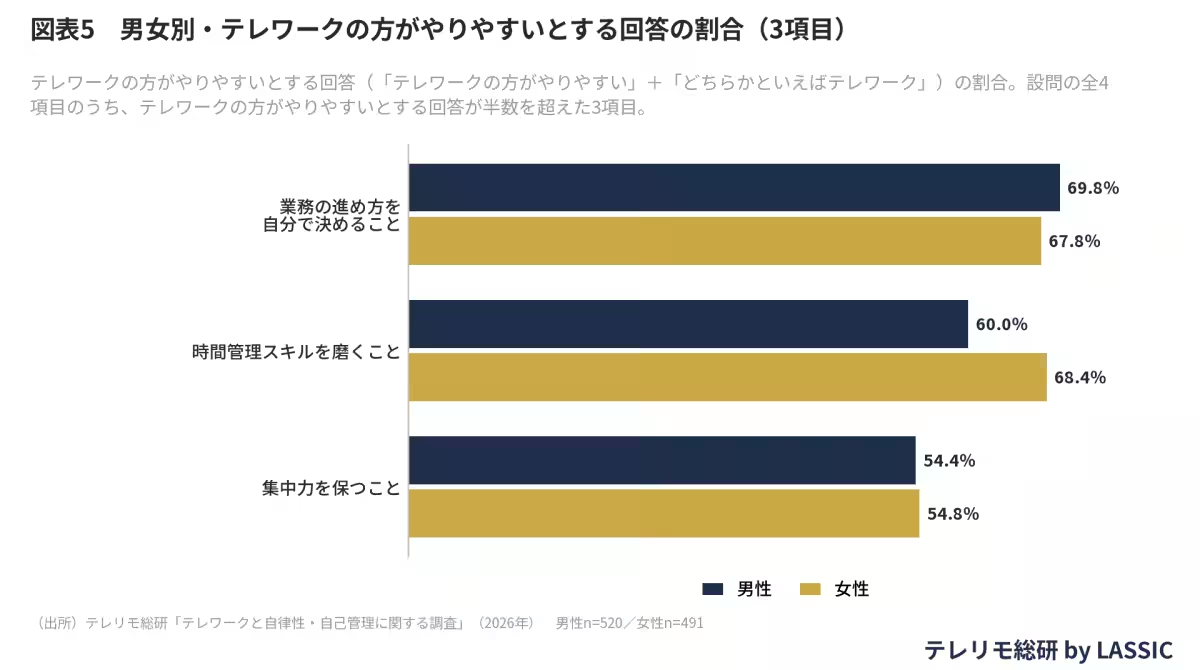
Gender differences emerged as well within the responses, particularly in the context of improving time management skills. Female respondents reported an overwhelming 68.4% preference for remote work over males at 60.0%, highlighting a notable 8.4-point discrepancy. Meanwhile, the differences in preferences between men and women for managing tasks (2.0 points) and maintaining focus (0.4 points) were minimal, suggesting a common understanding across genders on those aspects.
Detailed Responses Analyzed
Among the four factors evaluated, the option to decide on task management was the most favorably viewed in a remote working context:
- - Independent Task Management: 68.8% in favor of telecommuting
- - Time Management Skills: 64.1% preferred remote work
- - Maintaining Concentration: 54.6% agreed telework facilitates focus
- - Team Collaboration: Only 25.8% found it easier in a remote setting
In particular, the analysis divided responses based on employment types: those fully remote, hybrid, or full-time in-office. The results indicated that:
- - Among full remote workers, 85.6% confirmed easier task management.
- - Hybrid workers reported 81.4% preference.
- - Full-time office employees still showed a 45.9% inclination towards handling tasks remotely. This demonstrates that a significant segment of office workers appreciate the flexibility that remote work offers, even if they currently engage in full-time in-office work.
Generational Trends in the Survey
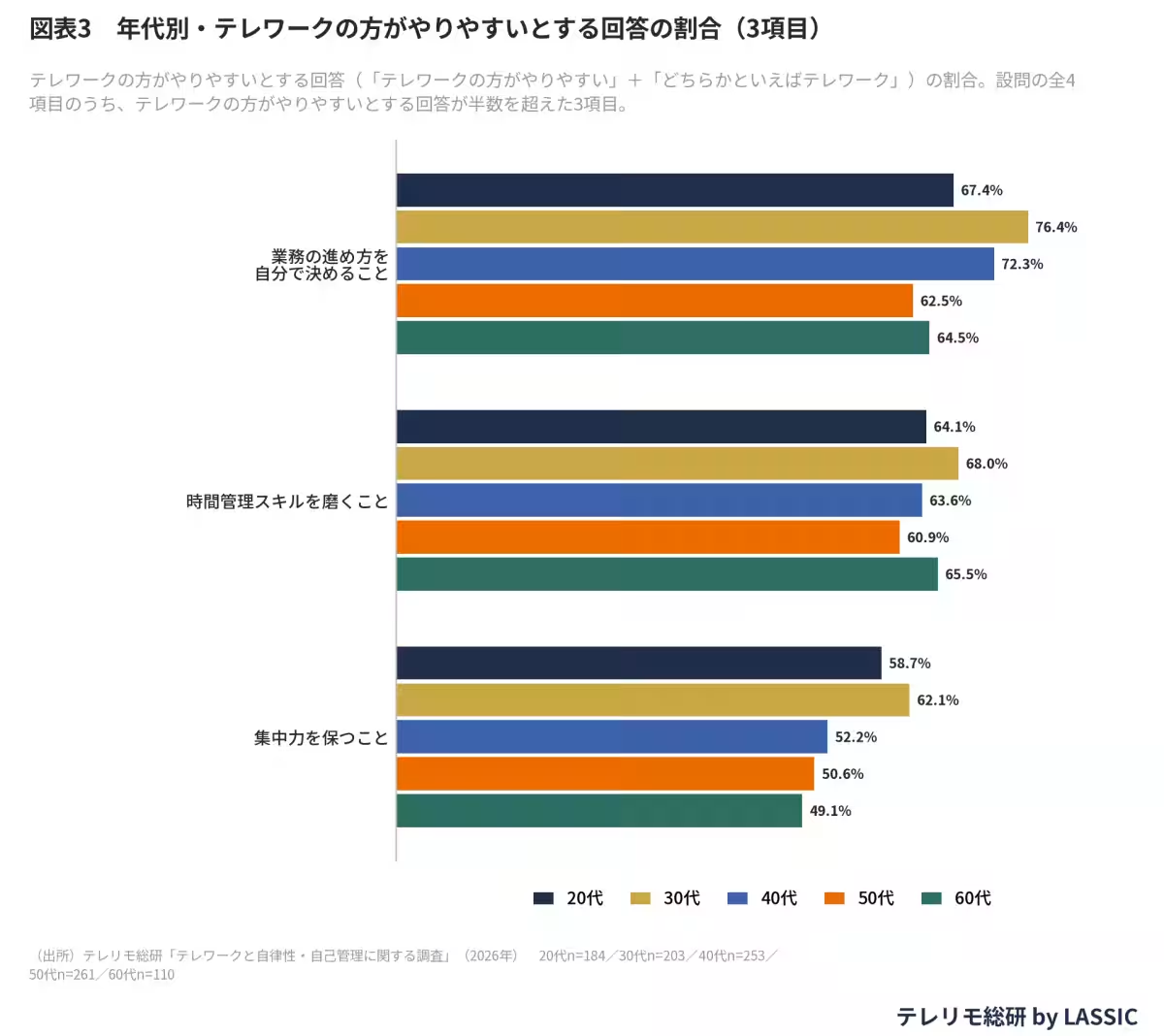
The study also examined generational differences among respondents, revealing that:
- - The highest preference for independent task management while telecommuting was from the 30s cohort at 76.4%, followed closely by 40s (72.3%) and 20s (67.4%)—each age group exhibiting more than 60% preference.
- - When considering time management enhancement, 30-somethings valued telework at 68.0%, with the difference across ages narrowing to 7.1%.
- - Concentration Maintenance: Similar trends where younger workers conveyed more inclination compared to older cohorts.
Final Thoughts and Future Considerations
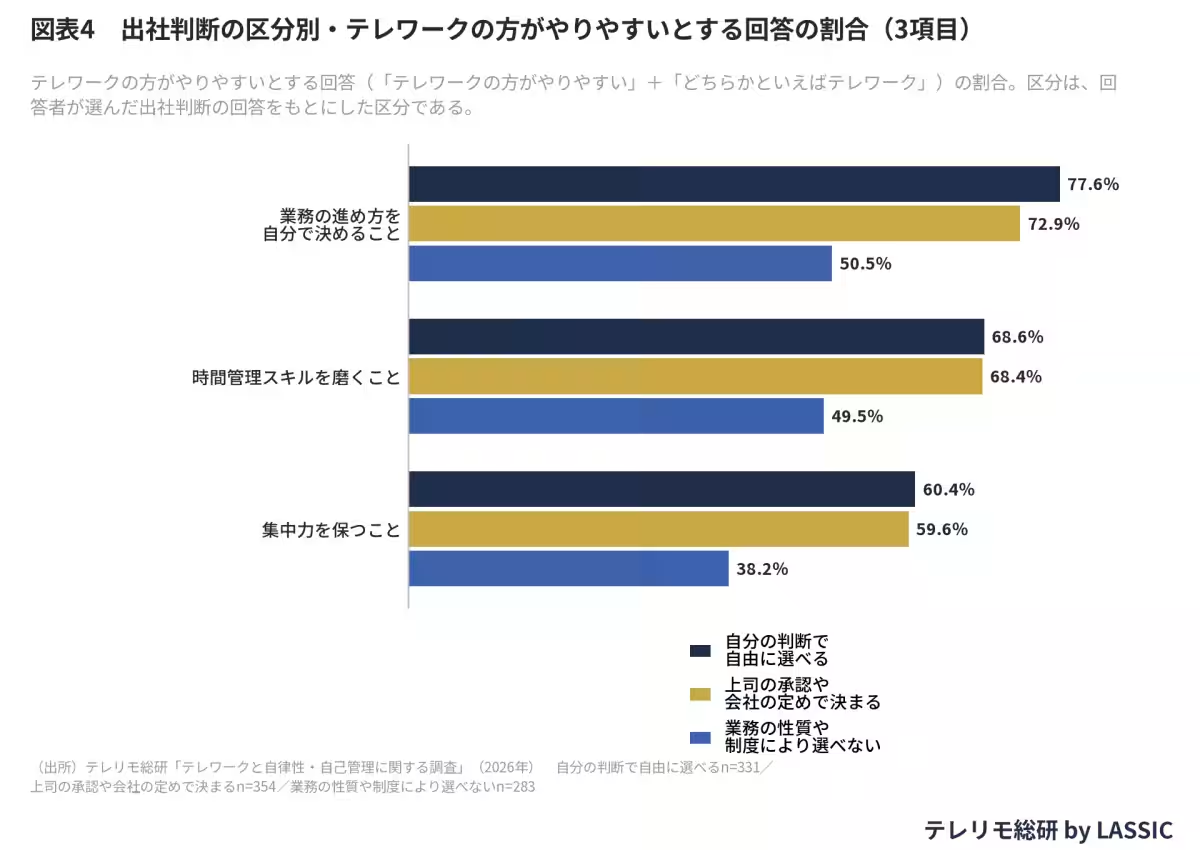
The implications of this study challenge traditional views on workplace structures. As more people advocate for flexibility in their work environments, organizations may need to adapt and create frameworks that bridge the gap between teleworking and in-office dynamics. Interestingly, among those who self-determine their working location, 77.6% mentioned that managing their tasks was easier remotely, indicating a strong correlation between autonomy and productivity. Overall, this research reminds us of the diverse working conditions that can enhance productivity and employee satisfaction.


Topics General Business)

【About Using Articles】
You can freely use the title and article content by linking to the page where the article is posted.
※ Images cannot be used.
【About Links】
Links are free to use.