



The Reality of Job Transition in Caregiving: Expectations vs. Reality
Understanding the Expectation-Reality Gap in Caregiving Job Transitions
The caregiving industry has long been known for its challenges, but recent insights from a survey conducted by PR Daily reveal the complexities faced by individuals transitioning into this field. Based on the responses of over 1,000 people who made the switch to caregiving jobs, significant patterns emerged highlighting the disconnect between applicants' expectations and the reality they face post-transition.
Key Findings from the Survey
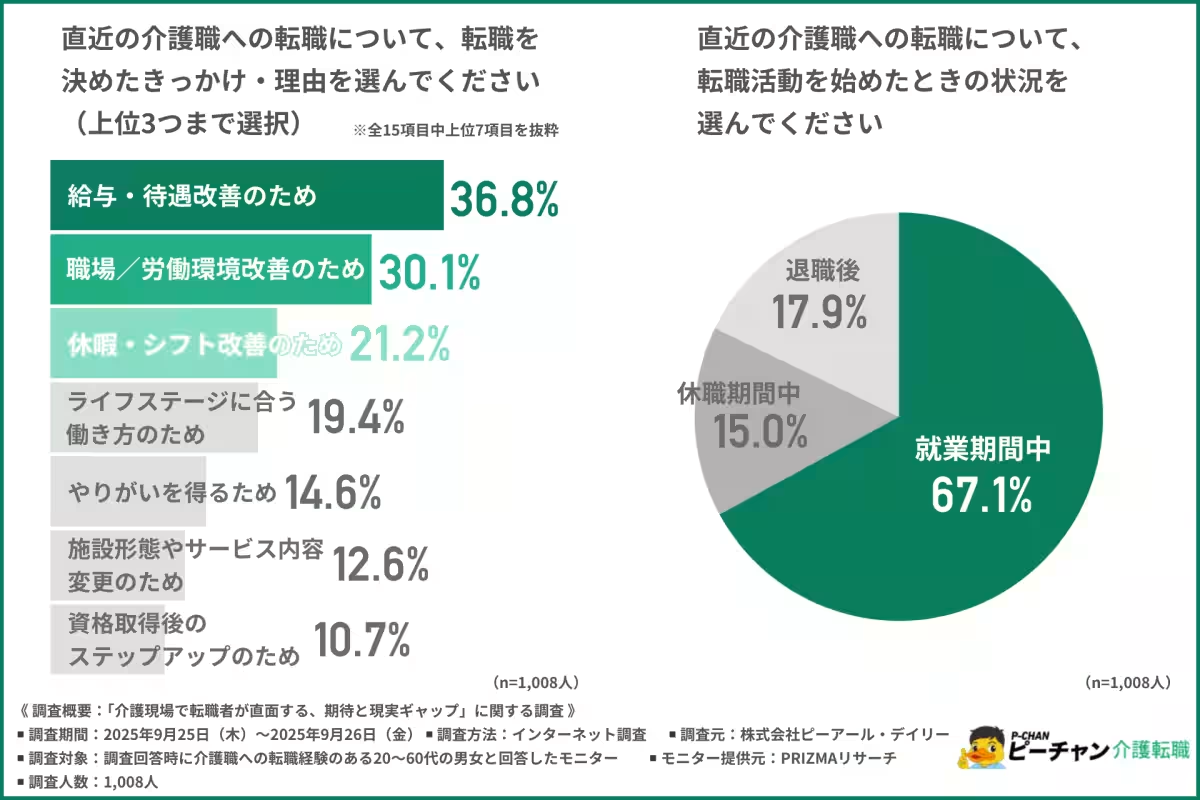
The survey, which took place over a two-day period in September 2025, uncovered interesting statistics around why individuals sought jobs in caregiving and the motivations behind their transitions. The primary reasons cited were improvements in salary and working conditions, indicating that many were driven by economic factors when choosing to enter this line of work.
Reasons for Transition
About 36.8% reported they were looking for better compensation, while 30.1% aimed for an improved workplace and labor conditions. This underscores the importance of fair wages and a supportive environment as critical factors in job satisfaction. Moreover, the emphasis on a better work-life balance is reflected in the 21.2% who sought improved leave and shift arrangements.
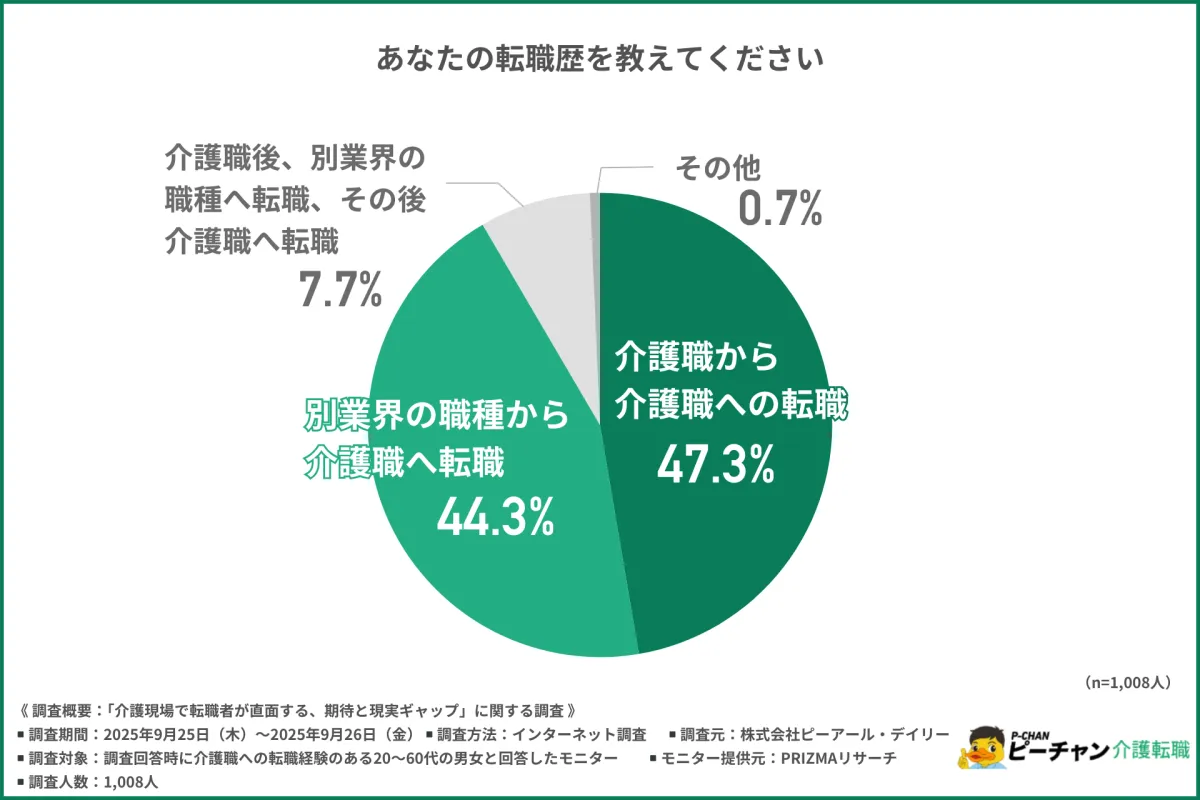
Interestingly, the survey also revealed that many individuals transitioned from different sectors. Nearly half of the respondents (44.3%) moved to caregiving from various industries, highlighting the perceived opportunity within caregiving even amid its challenges. This shift suggests caregiving roles are increasingly recognized as potential career pivots amid economic shifts.
The Transition Journey
When investigating when participants began their job search, a notable 67.1% chose to start while still employed, revealing a widespread desire to maintain financial stability during the transition period. This insight points to a cautious yet strategic approach to job searching in the caregiving field, where continuous income is prioritized.
Critical Factors in Job Selection
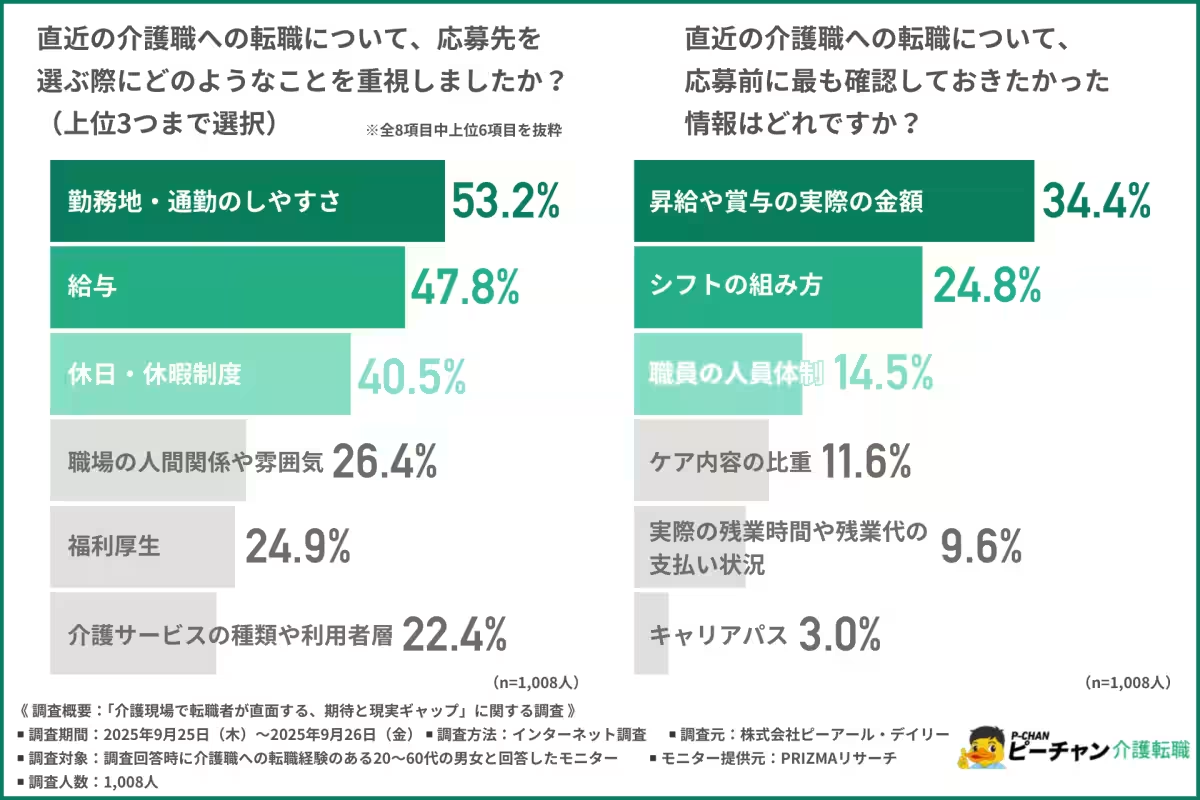
During the application process, candidates highlighted the importance of several aspects when choosing employment: 53.2% prioritized commute convenience, with salary (47.8%) and holiday policies (40.5%) coming next. These preferences indicate a strong awareness of how daily commutes and financial remuneration can significantly impact overall job satisfaction. Furthermore, workplace culture and relationships also played a crucial role, showcasing the human aspect behind job satisfaction.
Gaps Between Expectation and Reality
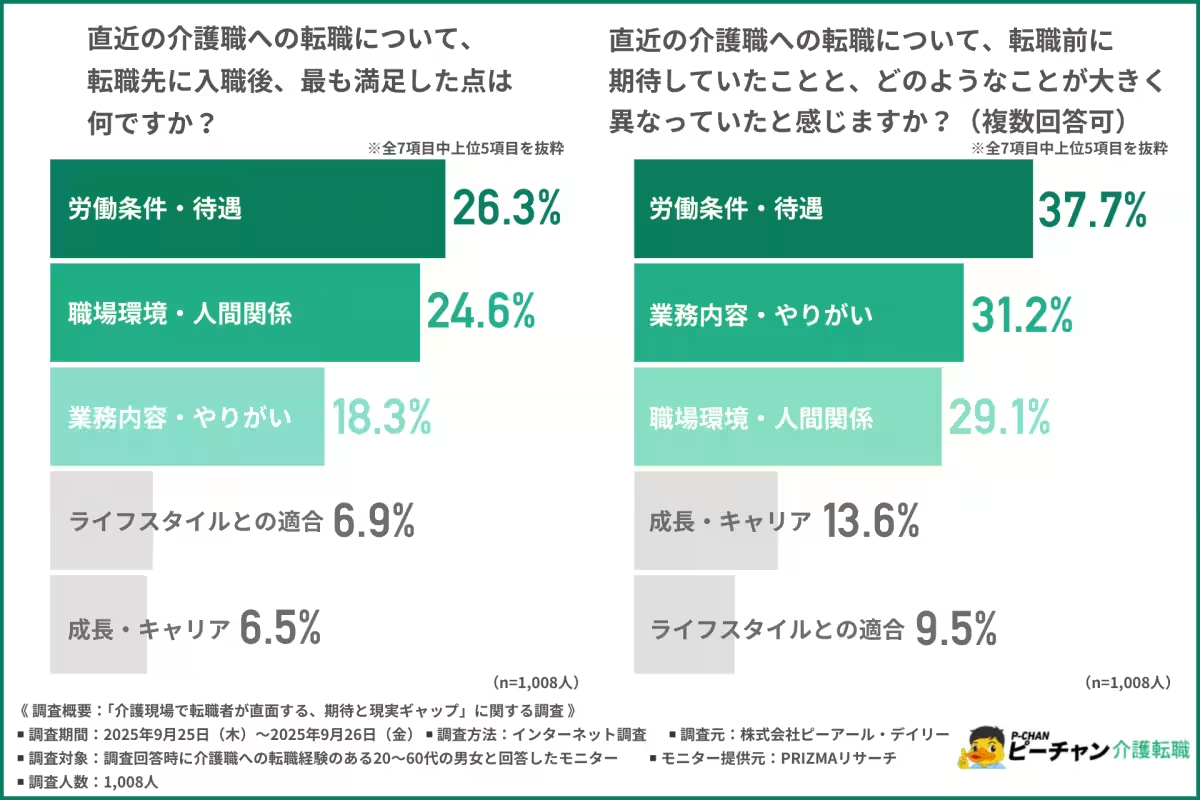
Upon entering their new positions, many workers reported mixed results. While 26.3% expressed satisfaction with their working conditions, about 37.7% felt a discrepancy between expected and actual labor conditions and pay. The survey underscored that anticipated benefits did not always align with the experienced reality, often leading to disillusionment for those entering the sector.
Insights for Future Transitions
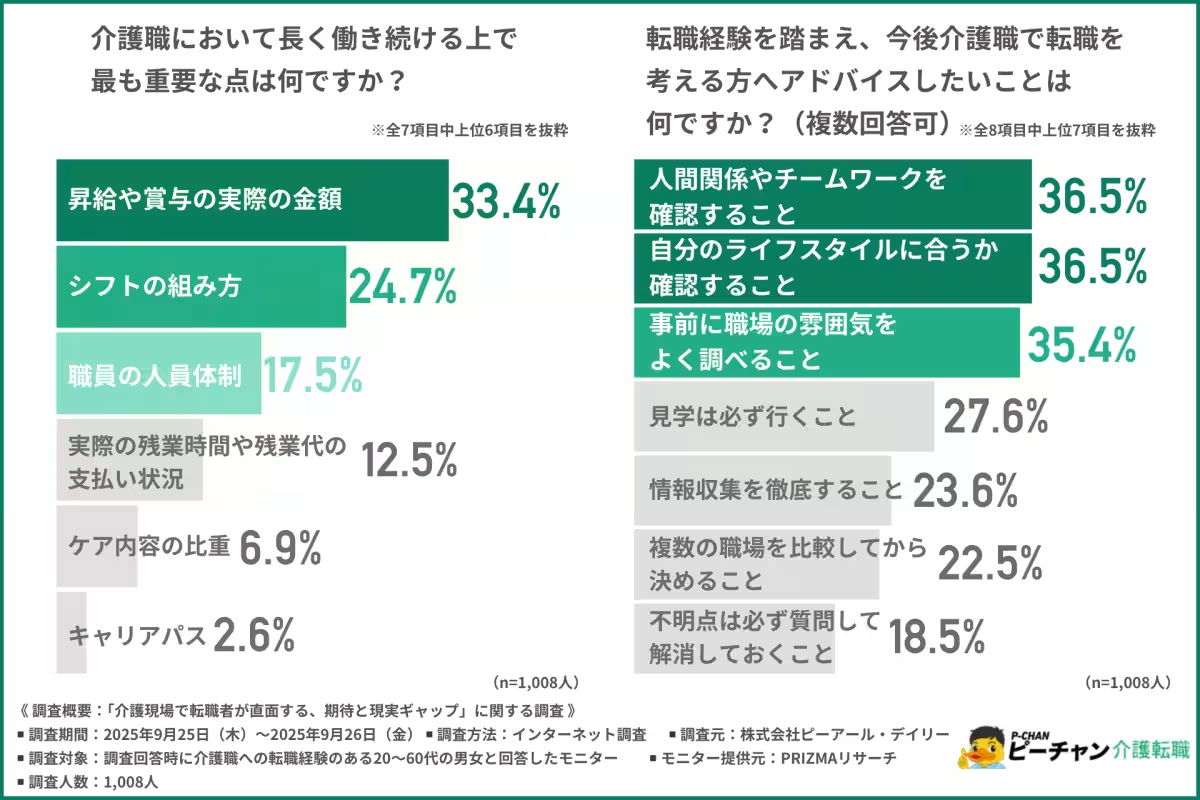
Based on the insights gathered, it is apparent that preparing for a career in caregiving requires more than just a suitable resume. Job seekers are advised to verify workplace cultures and team dynamics before finalizing their decisions. The recommendation to conduct thorough research into both the working environment and the specifics of job roles was strongly echoed by past transitioners, indicating a preference for firsthand information over standard job descriptions.
Support for Job Seekers
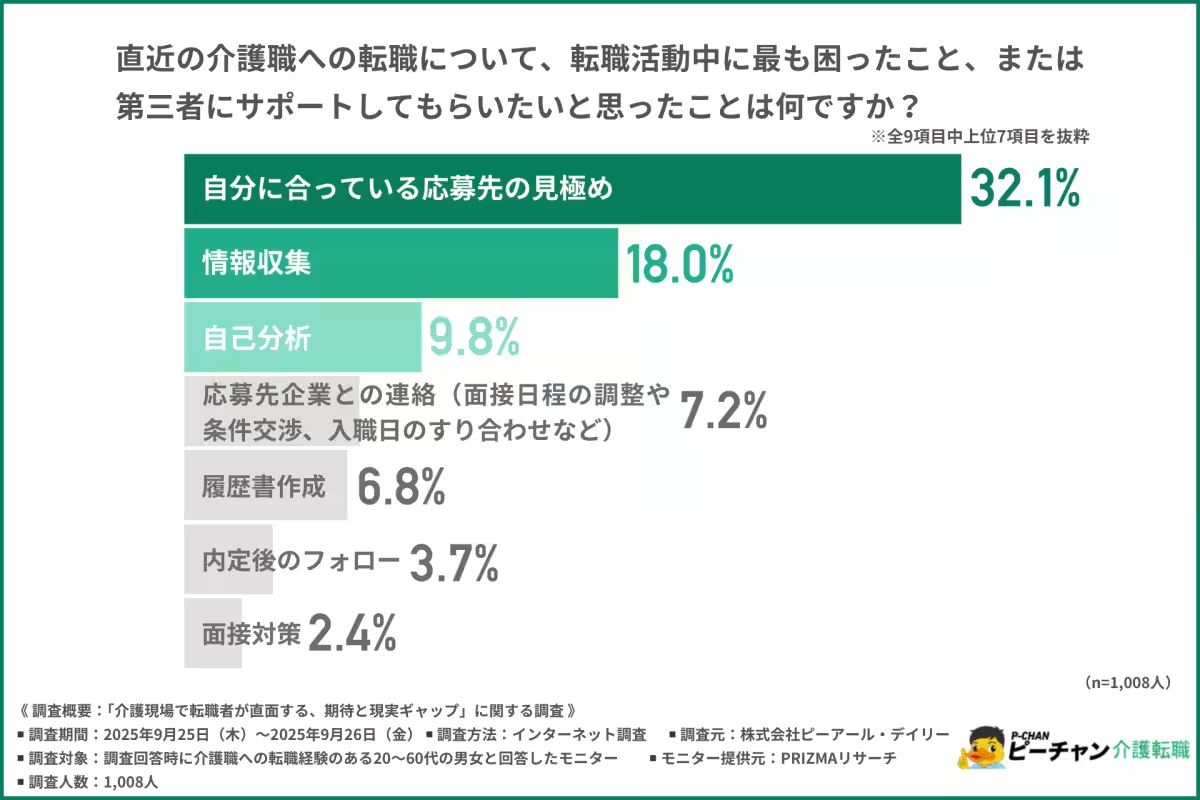
Recognizing the hurdles faced in the caregiving job landscape, PR Daily operates a free job support service, P-CHAN, dedicated to guiding potential candidates. With access to over 10,000 exclusive job listings, they pair applicants with advisors who can provide tailored guidance throughout the entire job search process—from resume assistance to interview preparation.
In conclusion, while the caregiving profession offers significant opportunities, the gap between expectation and reality must be navigated thoughtfully. Future job seekers are encouraged to engage with experienced advisors and seek out credible information to facilitate smoother transitions into the caregiving industry. By focusing on what truly matters, candidates can better align their expectations with the realities of the caregiving profession.

Topics Health)









【About Using Articles】
You can freely use the title and article content by linking to the page where the article is posted.
※ Images cannot be used.
【About Links】
Links are free to use.