



Exploring the Cutting-Edge of Autonomous Driving Data Collection at the 60th MLOps Study Session
The 60th MLOps Study Session: Navigating Autonomous Driving Data Challenges
On January 20, 2026, the 60th MLOps Study Session is set to take place online, featuring insights from industry leaders like Shintaro Yamane from Datatang, now branded as Nexdata. As the automotive technology sector evolves, the importance of high-quality data and effective collection processes is paramount to enhance model performance. However, numerous engineering challenges lurk behind these processes, which will be meticulously addressed during the session.
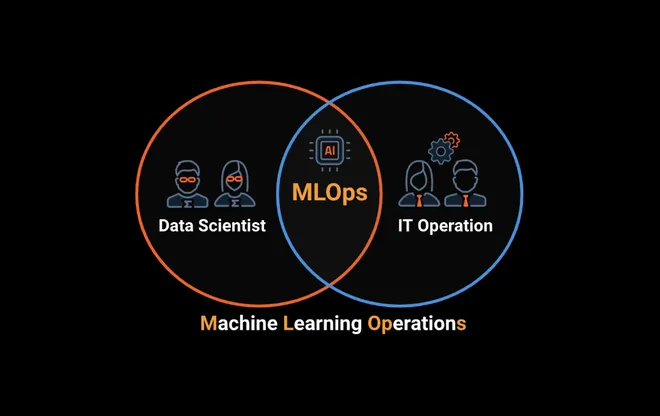
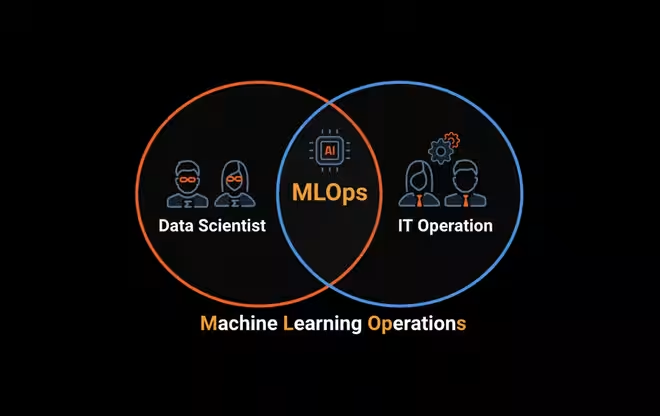
What is MLOps?
MLOps (Machine Learning Operations) has emerged as a crucial discipline that encompasses every phase of the machine learning lifecycle, including data preprocessing, model development, deployment, and operations. With businesses increasingly applying machine learning models, the ongoing management and operation of these models post-deployment present new challenges. This evolving landscape has fostered the formation of cross-industry technical communities, where pioneering case studies and insights are shared.
Event Overview
- - Name: 60th MLOps Study Session
- - Date: January 20, 2026
- - Time: 7:00 PM JST
- - Format: Online (URL will be sent after registration)
- - Organizer: MLOps
- - Featured Speaker: Shintaro Yamane from Datatang
Schedule
- - 19:00 - 19:10: Opening by MLOps Secretariat
- - 19:10 - 19:30: "Challenges and Practices in Autonomous Driving Data Collection and Annotation: From Data Collection to VLA Annotation—Overlooked Issues and Solutions” by Shintaro Yamane
- - 19:30 - 19:50: "Job Risk Prediction with LLM and Supporting PromptOps" by Chusei Yada
- - 19:50 - 19:55: Q&A Session
Key Insights to Gain
Attendees of this session will walk away with practical knowledge applicable to their work:
1. Evolution of Autonomous Driving Levels and Recognition Technology
An in-depth analysis of the progression from 2D image recognition to 3D point clouds and E2E inference environment architecture.
2. Challenges and Solutions in Autonomous Driving Data Collection
Practical preparation methods will be shared, covering sensor selection to trigger synchronization techniques. Specific insights into time synchronization for LiDAR and cameras, spatial calibration, and practical know-how for precise data collection will be addressed.
3. The Reality of Annotation
To boost precision in autonomous driving, new annotation technologies and their implementation methods are crucial. This includes a detailed look at 2D/3D object detection, point cloud segmentation, lane labeling for HD maps, and VLA (Vision-Language-Action) type QA annotation covering requirements, scale, and quality issues for each task.
4. Pitfalls and Mitigation Strategies in Outsourcing
Strategies for preventing rework due to unclear specifications, along with criteria for vendor selection and acceptance standards will be discussed.
This session is particularly beneficial for machine learning engineers, robotics researchers, and data team leaders involved in autonomous driving development, offering insights into how data influences model performance.
About Datatang
Datatang, currently operating under the Nexdata brand, provides cutting-edge AI data services and solutions.
- - Company Name: Datatang Inc.
- - Brand Name: Nexdata
- - Location: 6th floor, WATERRAS Annex, 2-105 Kanda Awajicho, Chiyoda-ku, Tokyo, Japan
- - Established: February 2020
- - Capital: 50 million yen
- - Business Overview: AI learning data provision (proprietary and customized data) including data collection and annotation platform services.
For more details, visit: Nexdata
Explore cases supporting autonomous driving here: Resource
Topics Consumer Technology)
【About Using Articles】
You can freely use the title and article content by linking to the page where the article is posted.
※ Images cannot be used.
【About Links】
Links are free to use.