



Overcoming Challenges in English Learning: Insights from Bizmates 2025 Survey
Overcoming Challenges in English Learning: Insights from Bizmates 2025 Survey
In its recent survey titled "Barriers to English Learning 2025," Bizmates, the Tokyo-based online conversation service for business professionals, investigated the difficulties faced by employees learning English post-graduation. The survey involved 109 respondents and highlighted that over 80% experienced setbacks while learning the language.
Key Findings from the Survey
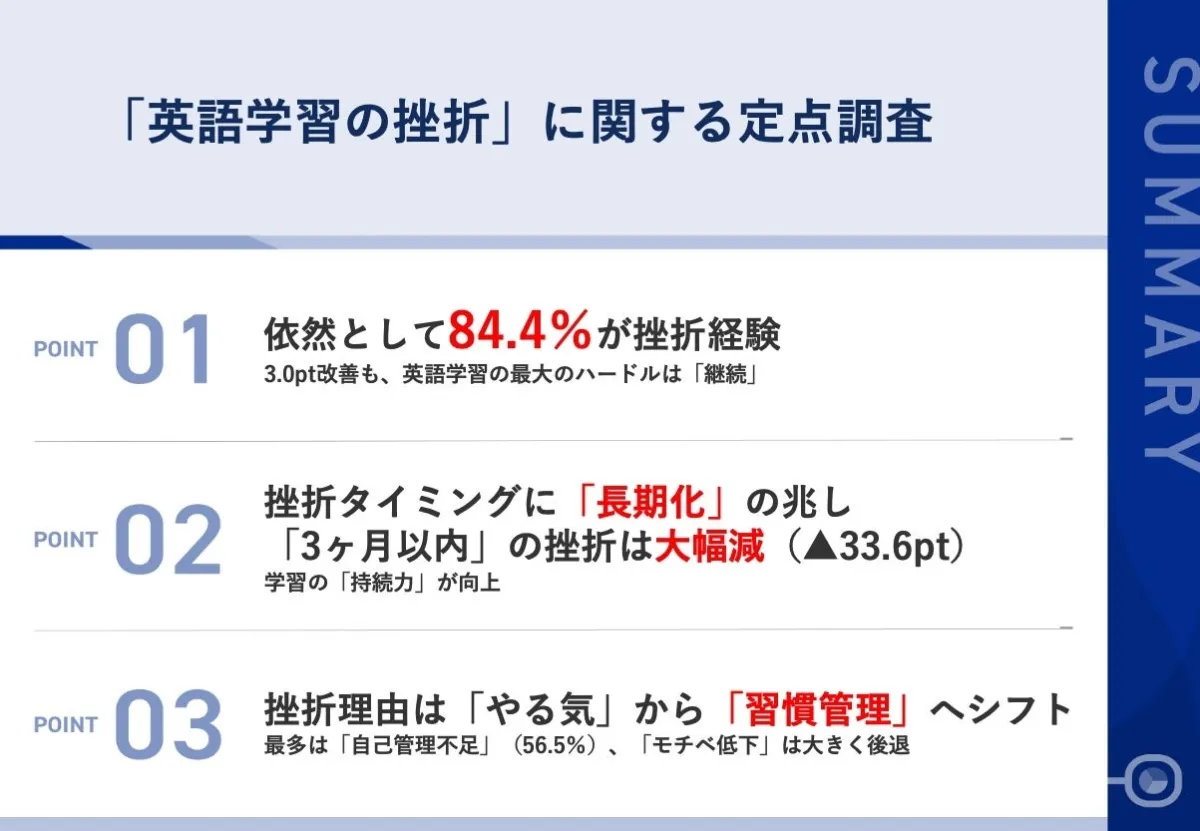
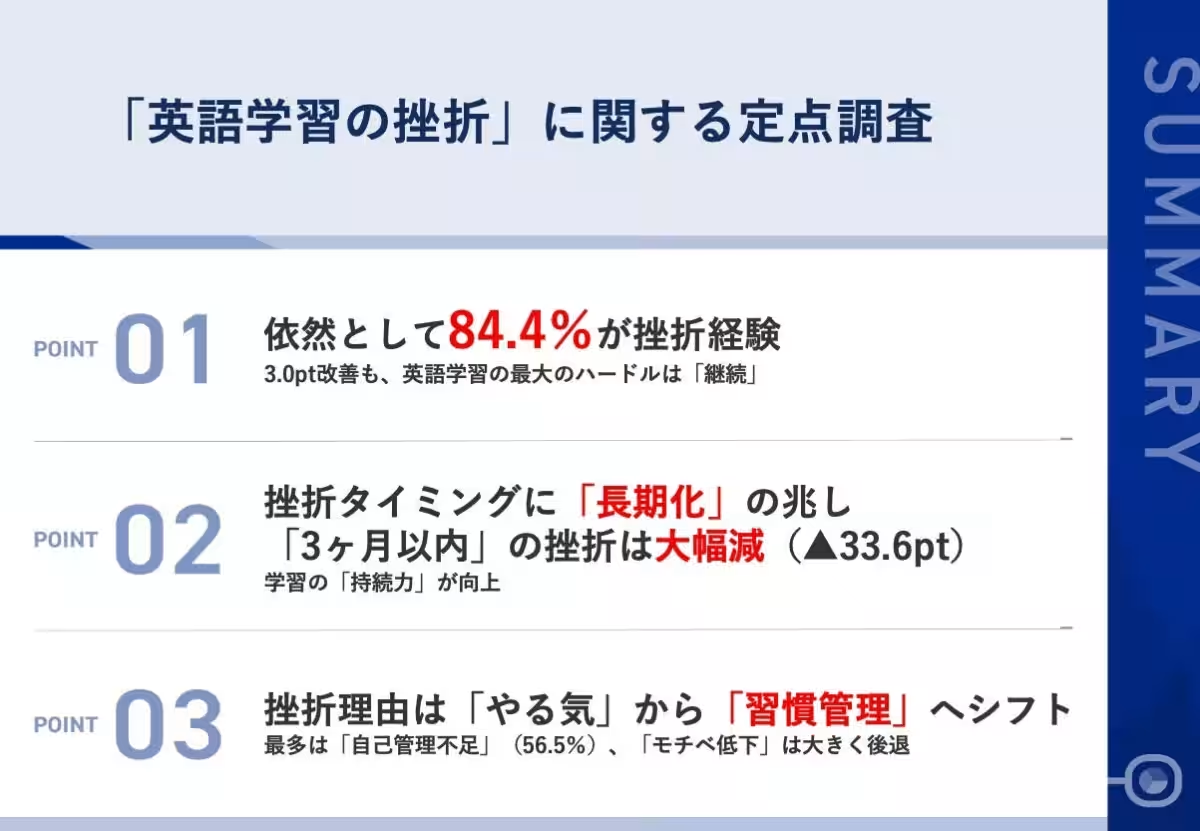
The key takeaway from the survey is that, while the challenge of maintaining consistency in learning persists, the underlying factors have shifted significantly. Initially, learners struggled primarily with motivation; however, the latest data indicates that this has transformed into issues related to self-management and perceiving tangible results. In an age where generative AI and advanced learning applications offer flexibility in language acquisition, the emphasis is now on enhancing "self-driving support," which combines personal guidance with technological assistance.
Background of the Survey
The survey was conducted online in June 2025, utilizing research data marketing from IDEATECH. Given that the last survey was held in 2021, it provides a comparative perspective on evolving trends in the domain of English education.
The Rise of Practical Challenges
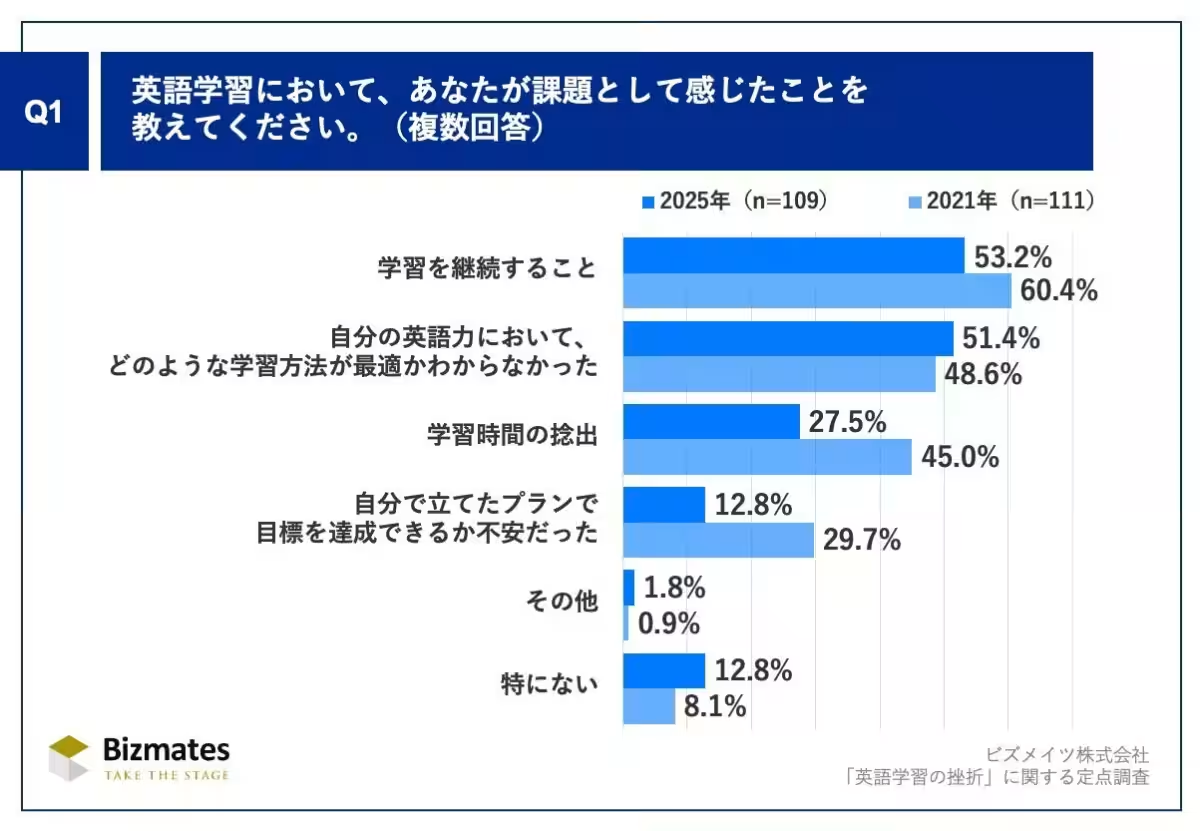
The survey inquiry regarding challenges reported that while continuation in learning remains a top concern (53.2%), respondents also expressed confusion over the best methods to enhance their language skills (51.4%). A notable improvement was observed in the challenge of finding time to learn, which dropped by 17.5 percentage points since the previous survey, suggesting that recent technological advancements have enabled more users to integrate learning into their lifestyles seamlessly. This flexibility, however, creates a paradox where albeit learners have easier access to materials, challenges tied to motivation maintenance and selecting suitable learning methods remain prominent issues.
Focusing on Listening and Speaking
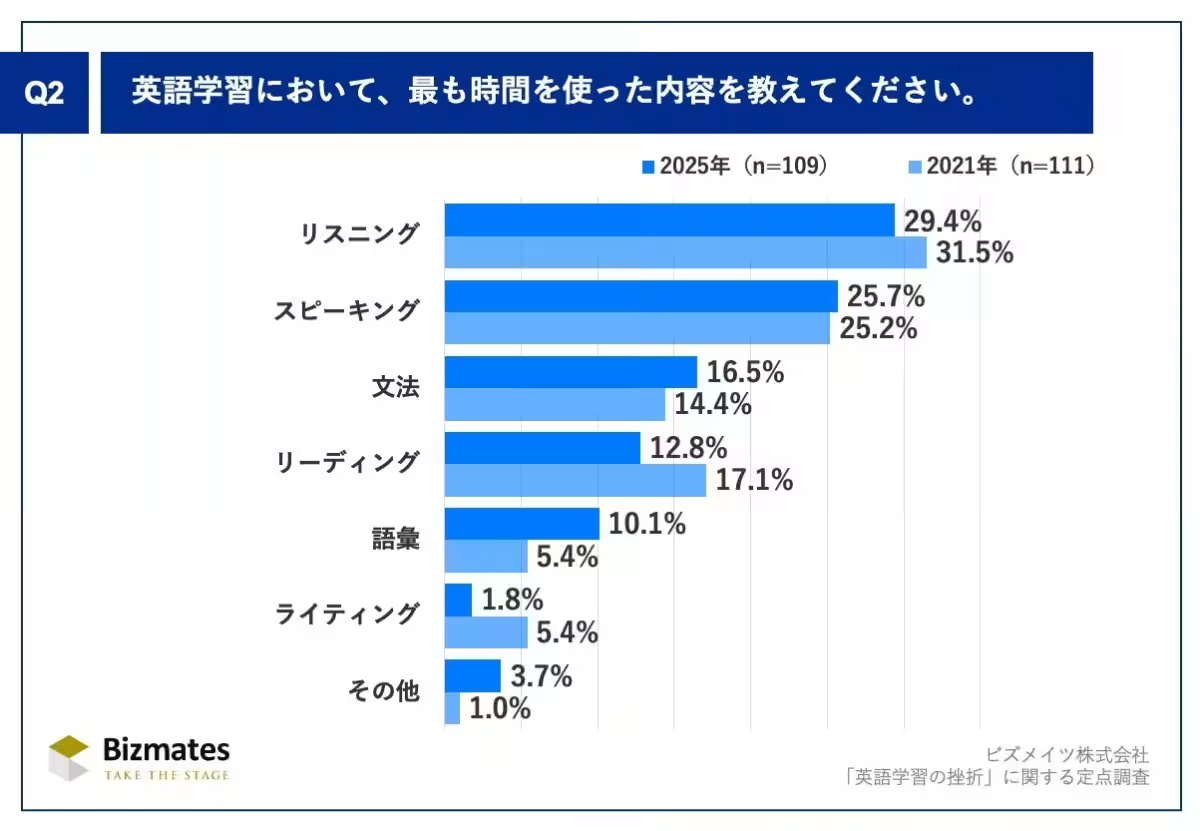
Interestingly, when asked where they spend most of their study time, respondents indicated a clear focus on listening exercises (29.4%) followed closely by speaking (25.7%). The proliferation of innovative tools such as AI conversation software demonstrates the emphasis learners are placing on enhancing these practical skills.
High Rates of Learning Setbacks
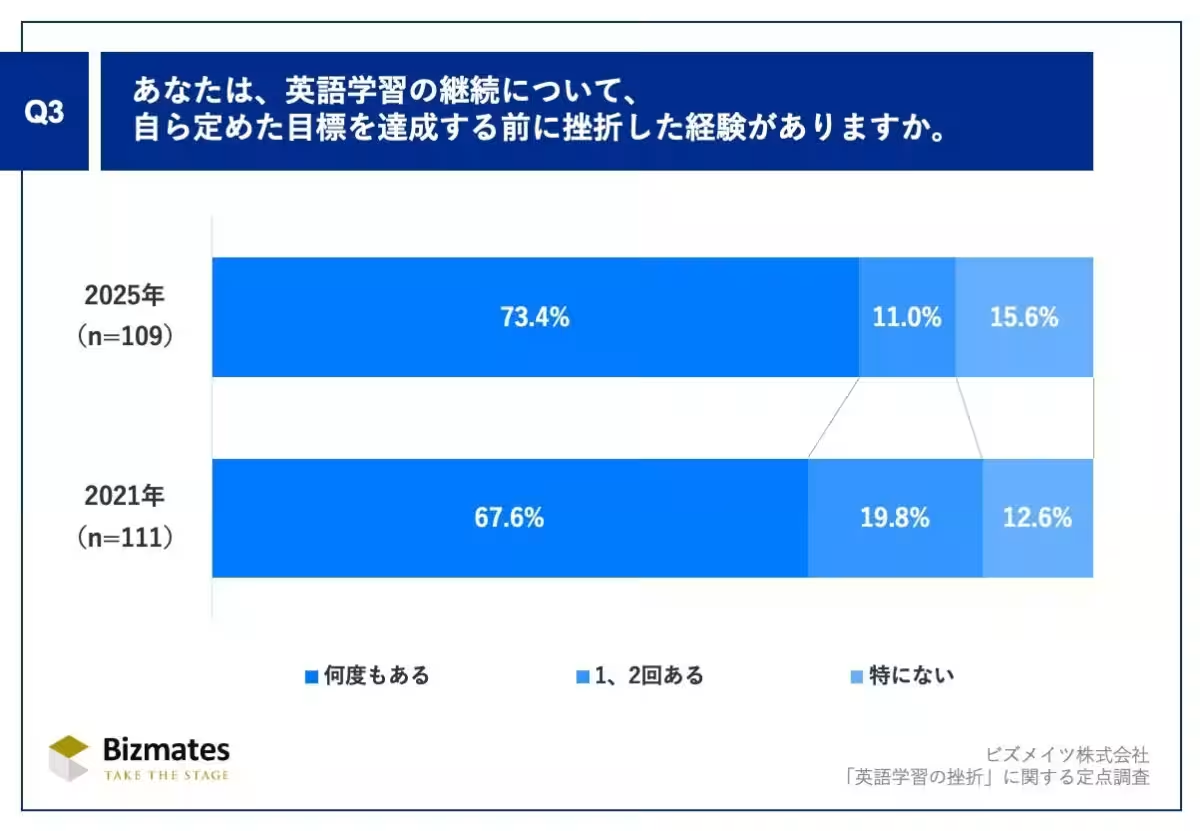
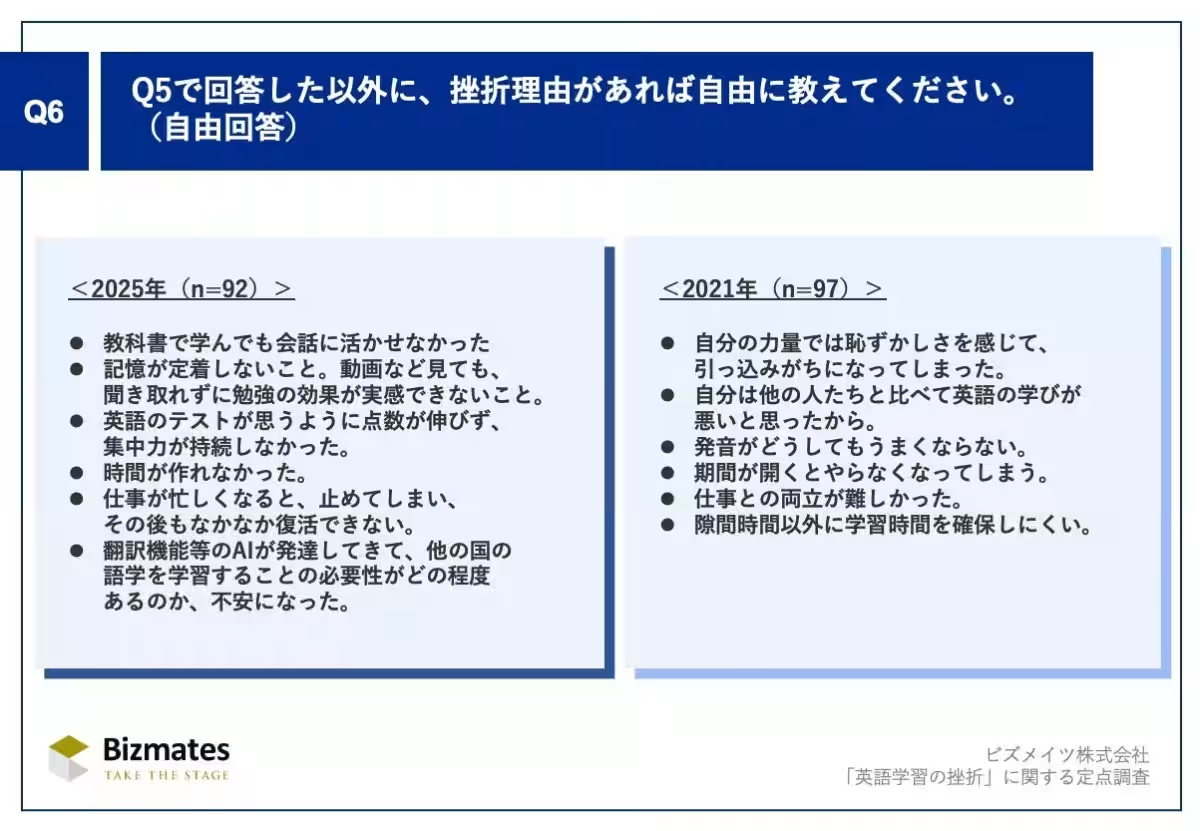
An alarming 84.4% of respondents acknowledged experiencing setbacks in their English learning journeys. Although this figure shows a slight reduction from 87.4% in 2021, it indicates that many individuals find it challenging to maintain engagement with their studies. Primary reasons for these disruptions include unclear milestones, the absence of adequate self-management strategies, and difficulties in incorporating learning into daily life.
Transitioning to Long-term Learning Styles
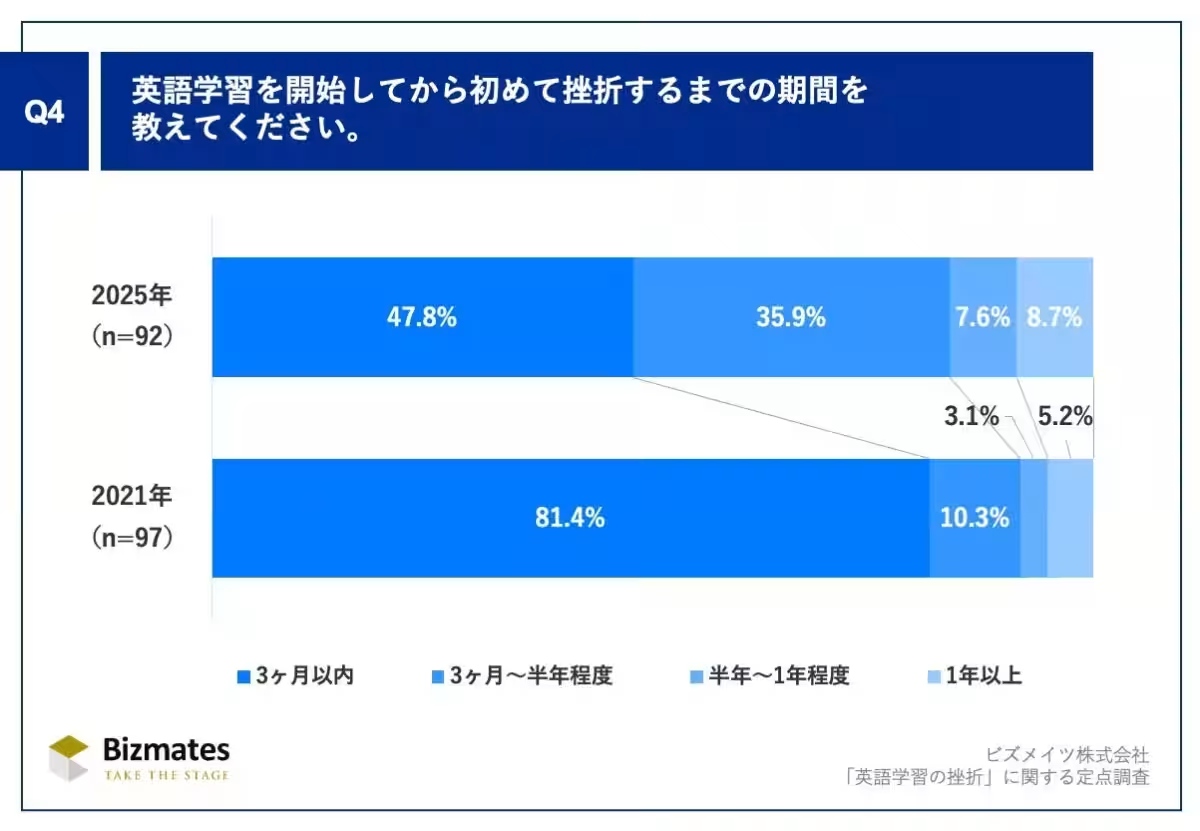
Another significant finding was the improvement in the period before learners faced setbacks. The percentage of individuals who struggled within three months decreased dramatically, suggesting a transition towards longer-term engagement with language learning. Factors such as the recognition of English proficiency as crucial for career advancement and international work are contributing to this difference.
A Shift in Perception of Setback Reasons
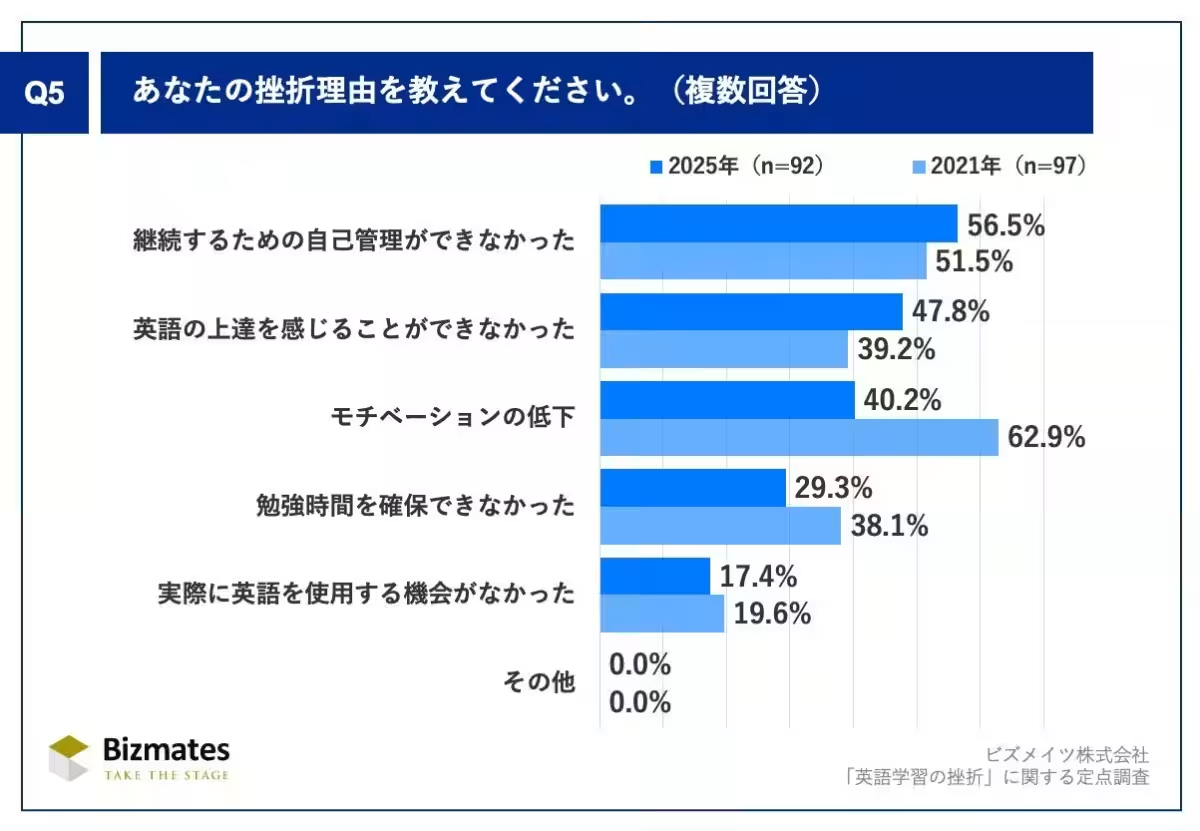
The survey results revealed that the most cited reason for setbacks has shifted to the difficulty of self-management (56.5%), with previous motivations such as declining enthusiasm decreasing significantly. This transition indicates a growing need for learners to establish and stick to their routines and methods amid increasing technological distractions and options available.
Continuous Development: A Must
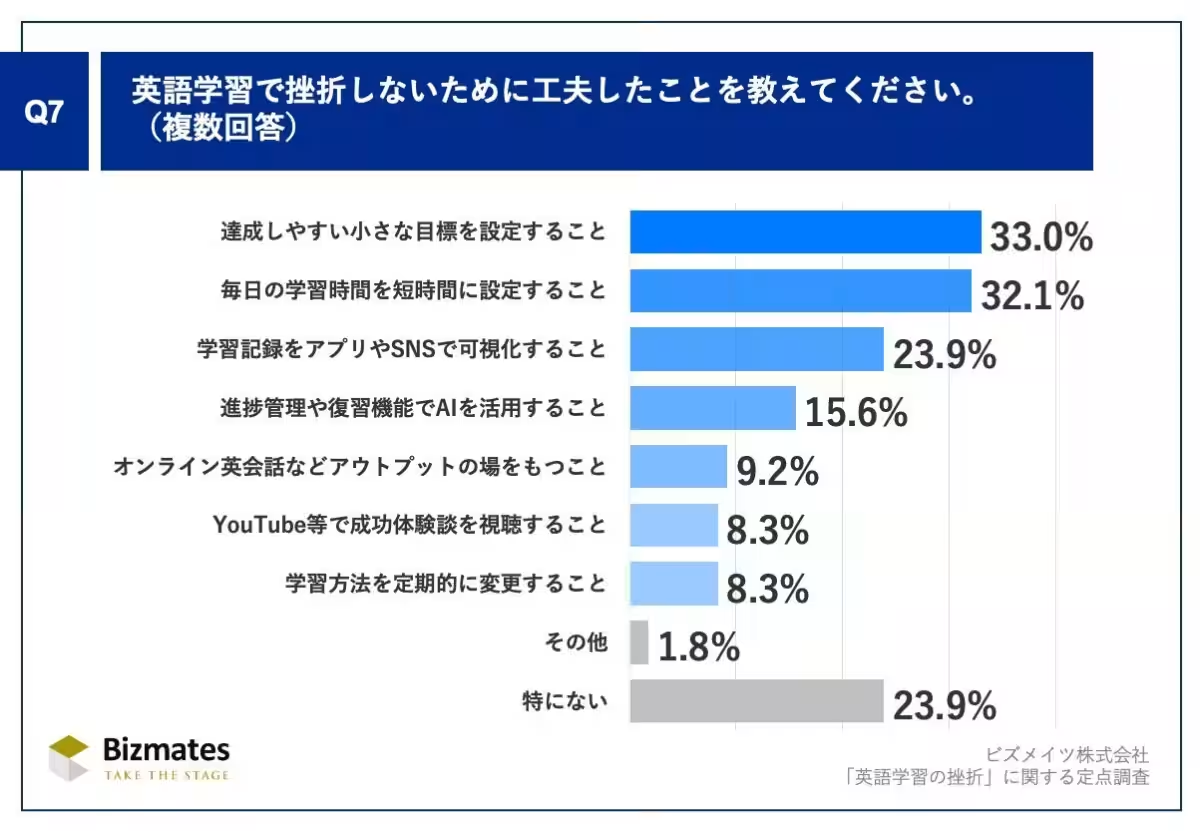
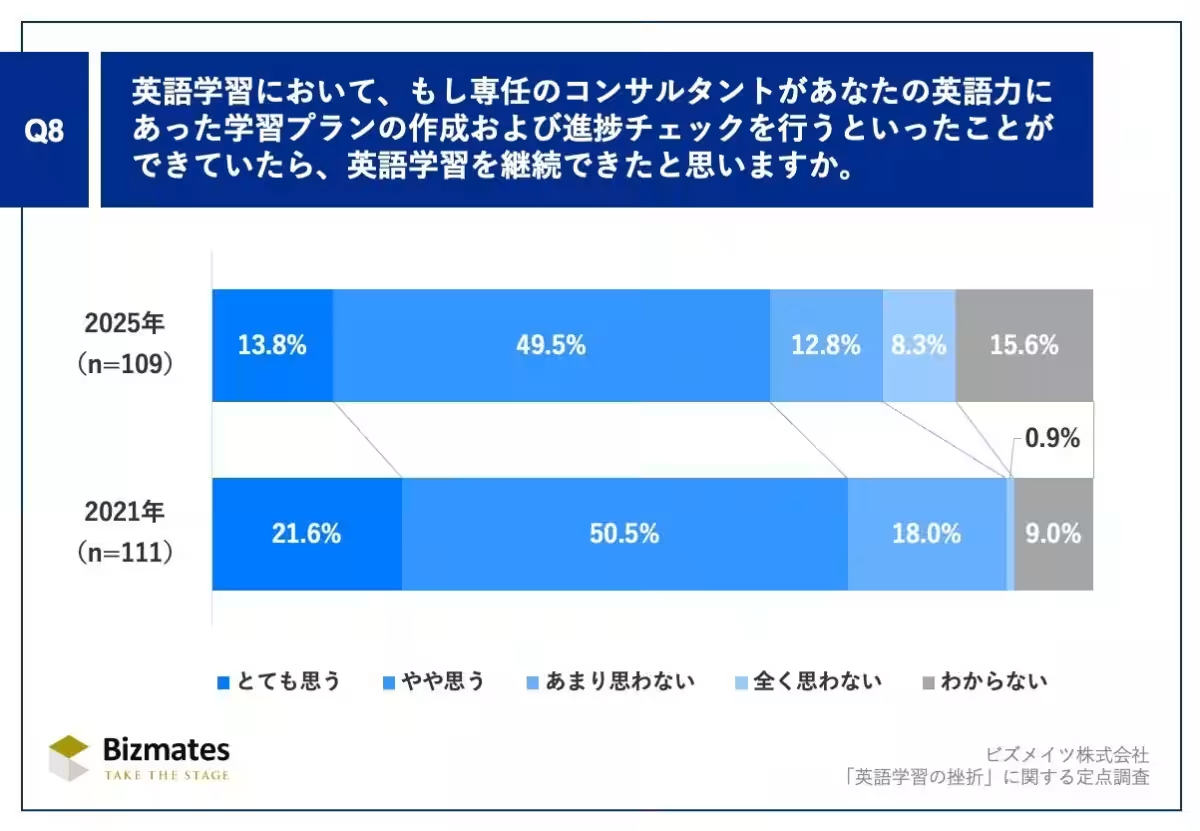
Survey respondents also highlighted strategies they employed to maintain consistency, such as setting achievable goals and limiting study time to manageable periods. Moreover, 63.3% indicated that they would benefit from the guidance of a dedicated consultant, emphasizing the importance of personalized support in education.
The Impact of Community
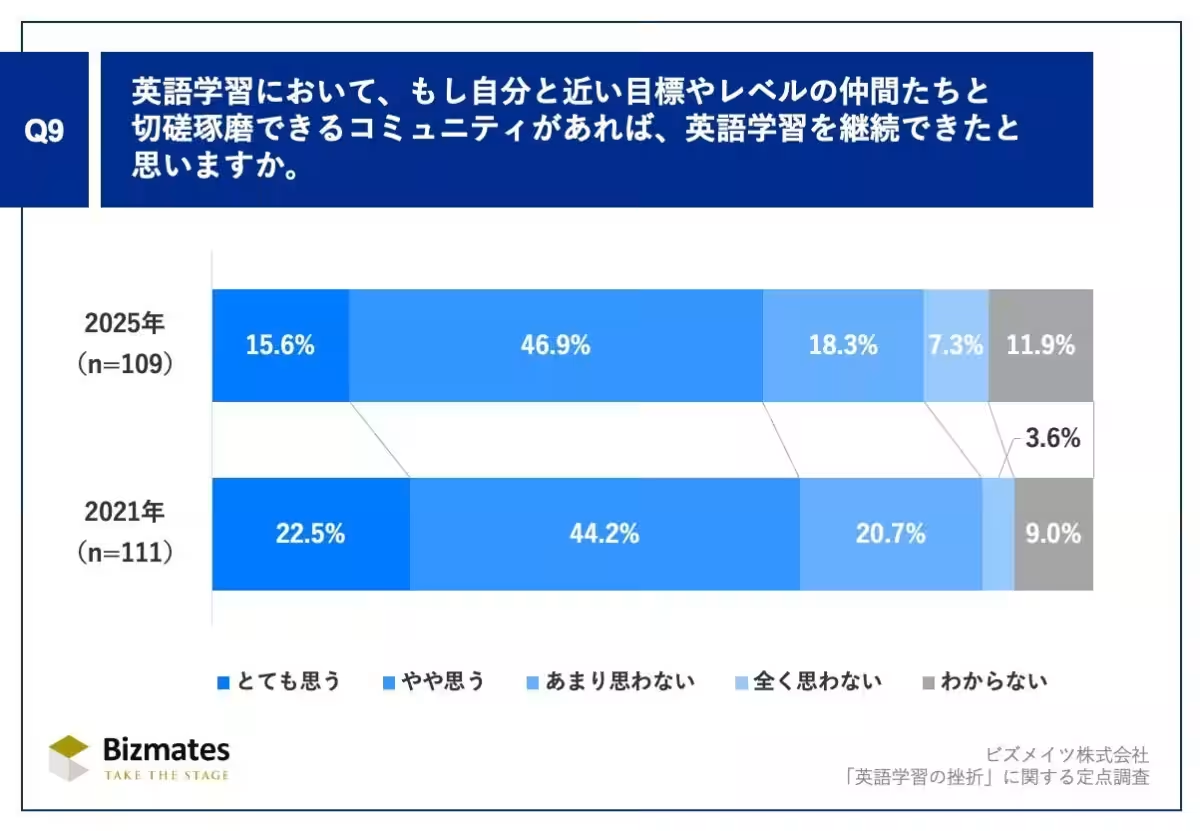
Discussing the role of community in learning, over 62% noted that engaging with peers aiming for similar goals would bolster their motivation. Collaborative environments where learners can support one another are becoming increasingly vital, providing necessary encouragement and collective accountability.
Diverse Learning Approaches
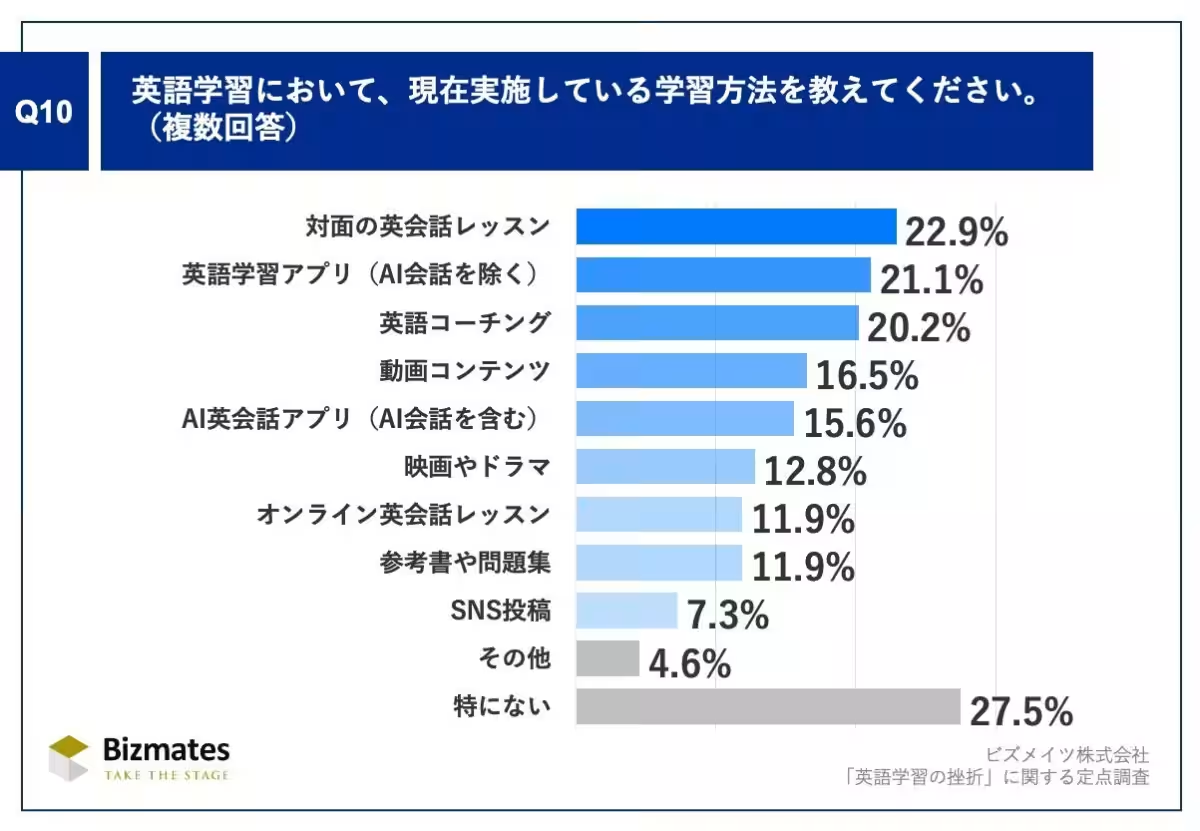
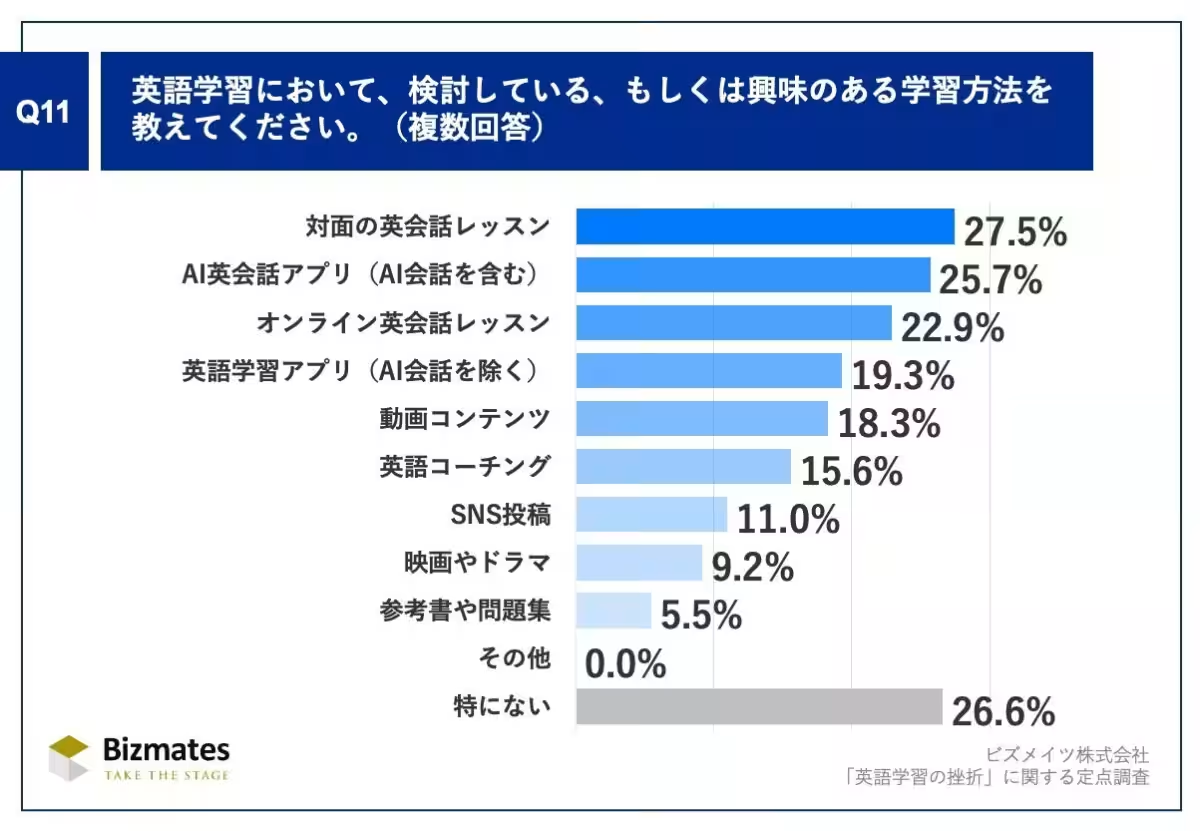
Respondents reported a variety of methods currently utilized for learning, with face-to-face lessons and apps dominating the landscape. Many learners are experimenting with combining different resources to match their personal goals and lifestyles. Still, a considerable percentage is not actively engaging in any form of study, marking a new challenge for educational professionals in stimulating interest among this demographic.
Conclusion: A Path Forward
As Japan's workforce adapts to the demands of global business, the need for effective English learning strategies is paramount. The survey results indicate that providing solutions that enable continuous engagement will be essential. The combination of human mentorship and cutting-edge technology signifies a strategic approach that can reshape English learning for business professionals and further enhance adaptability in a global environment.
By fostering a supportive learning ecosystem that emphasizes self-direction and collaboration, organizations can empower individuals to overcome barriers and develop necessary language skills effectively.
Topics Other)
【About Using Articles】
You can freely use the title and article content by linking to the page where the article is posted.
※ Images cannot be used.
【About Links】
Links are free to use.