



Findings from the 31st Bizmates Survey on Foreign Talent in IT Companies
Understanding the Retention of Foreign Talent in IT
Introduction
The 31st Bizmates survey explores the current status of foreign talent in Japanese IT companies, highlighting the factors that contribute to their retention and success. Conducted with HR personnel from 294 mid-sized IT firms employing foreign workers, the survey sheds light on the growing trend of employing skilled international professionals in the industry.
Key Findings
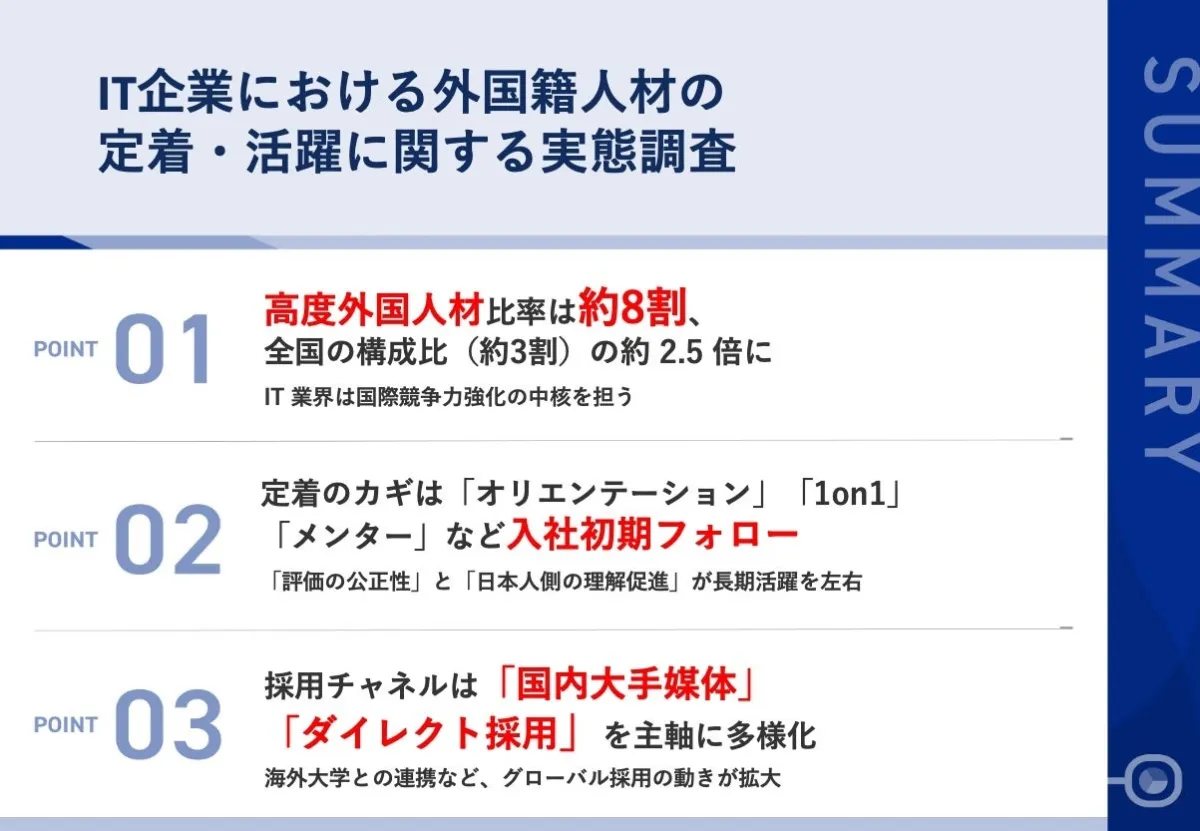
High Representation of Foreign Talent
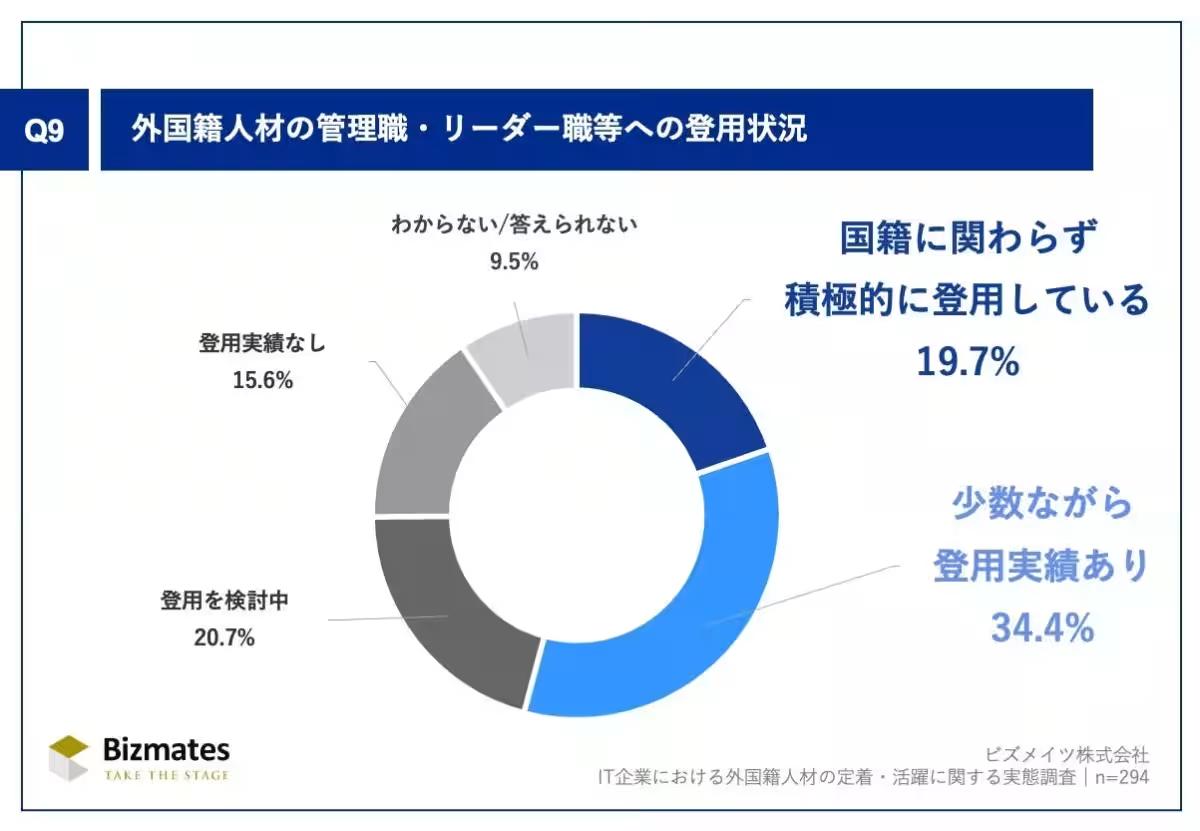
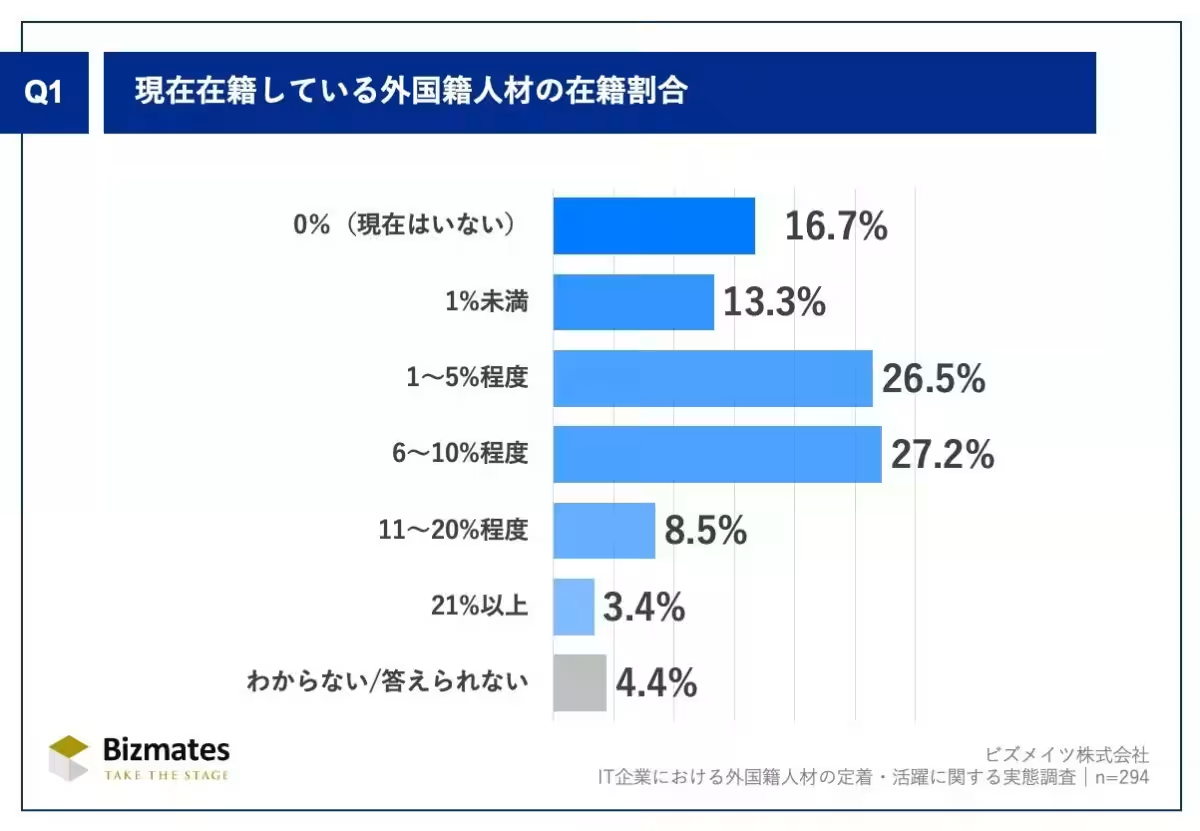
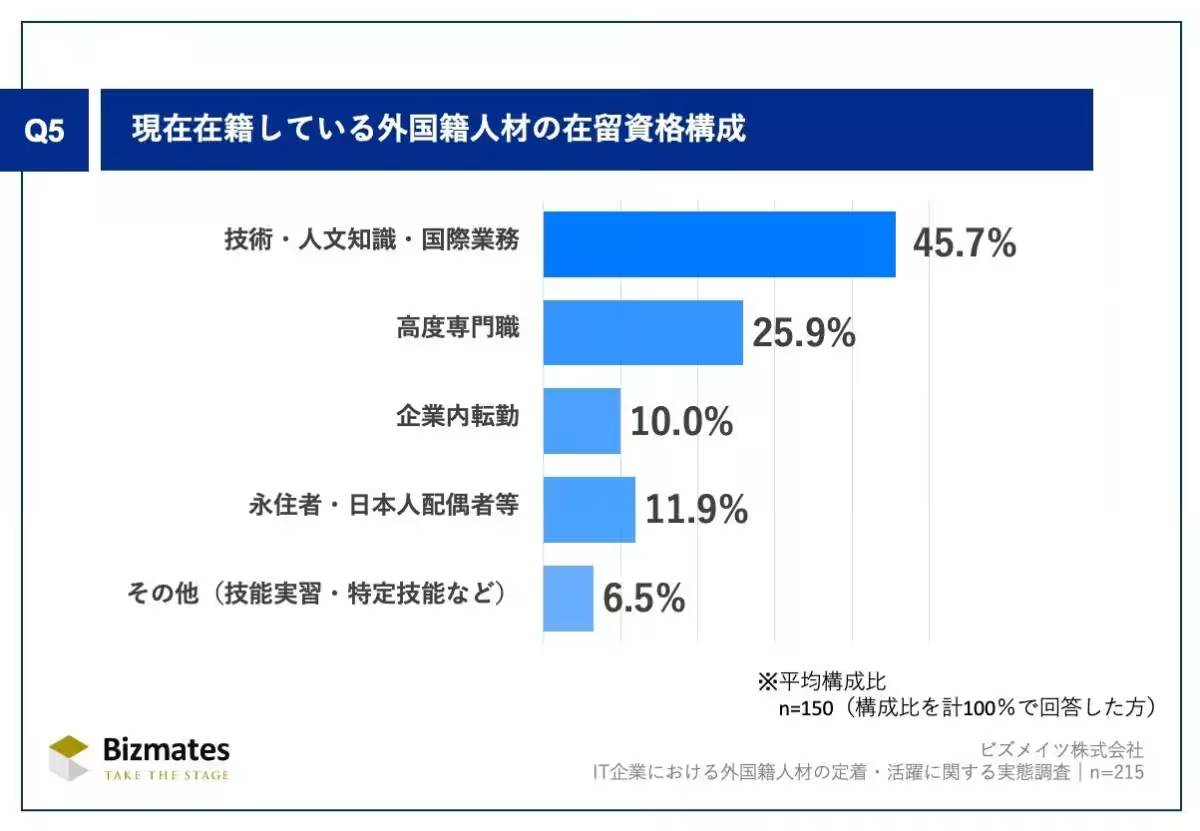
The survey indicates that nearly 80% of IT companies employ foreign talent, primarily in specialized technical roles. This reflects a significant shift in the industry towards a more diverse workforce, with substantial potential for management roles expanding as well.
Factors for Successful Integration
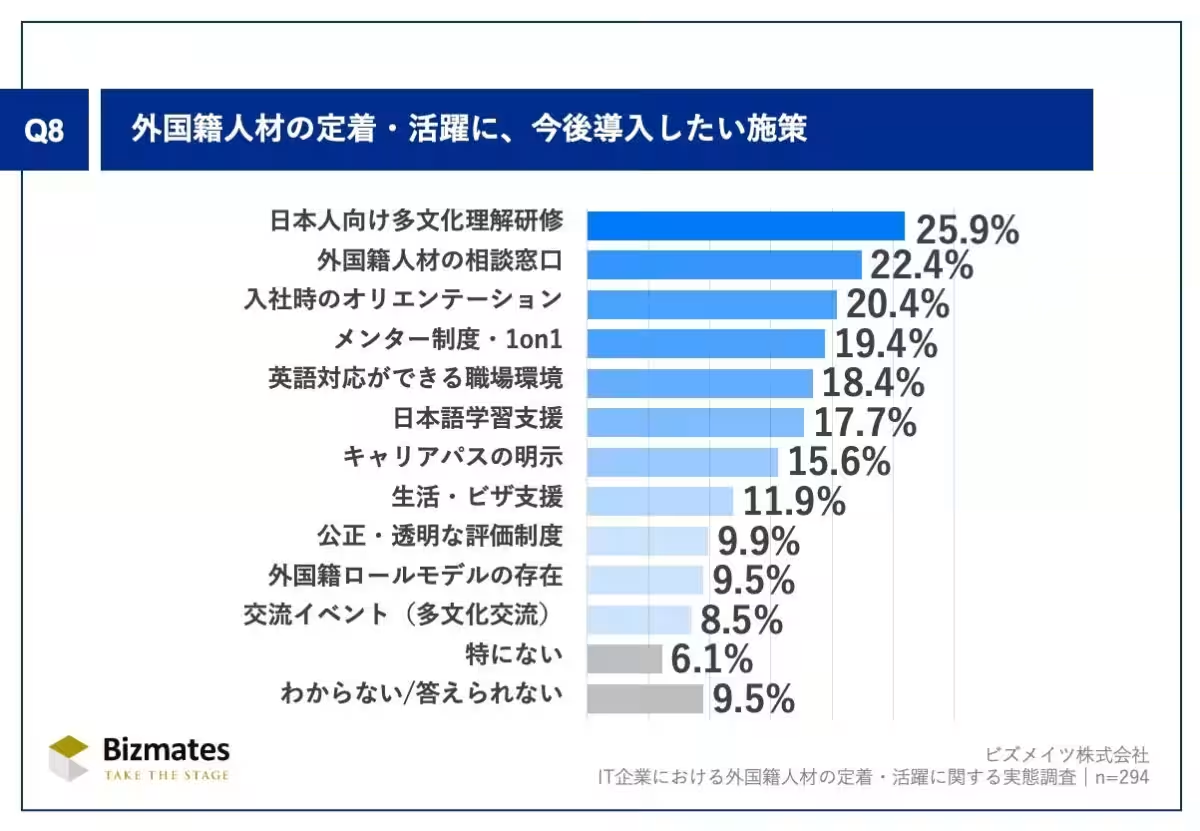
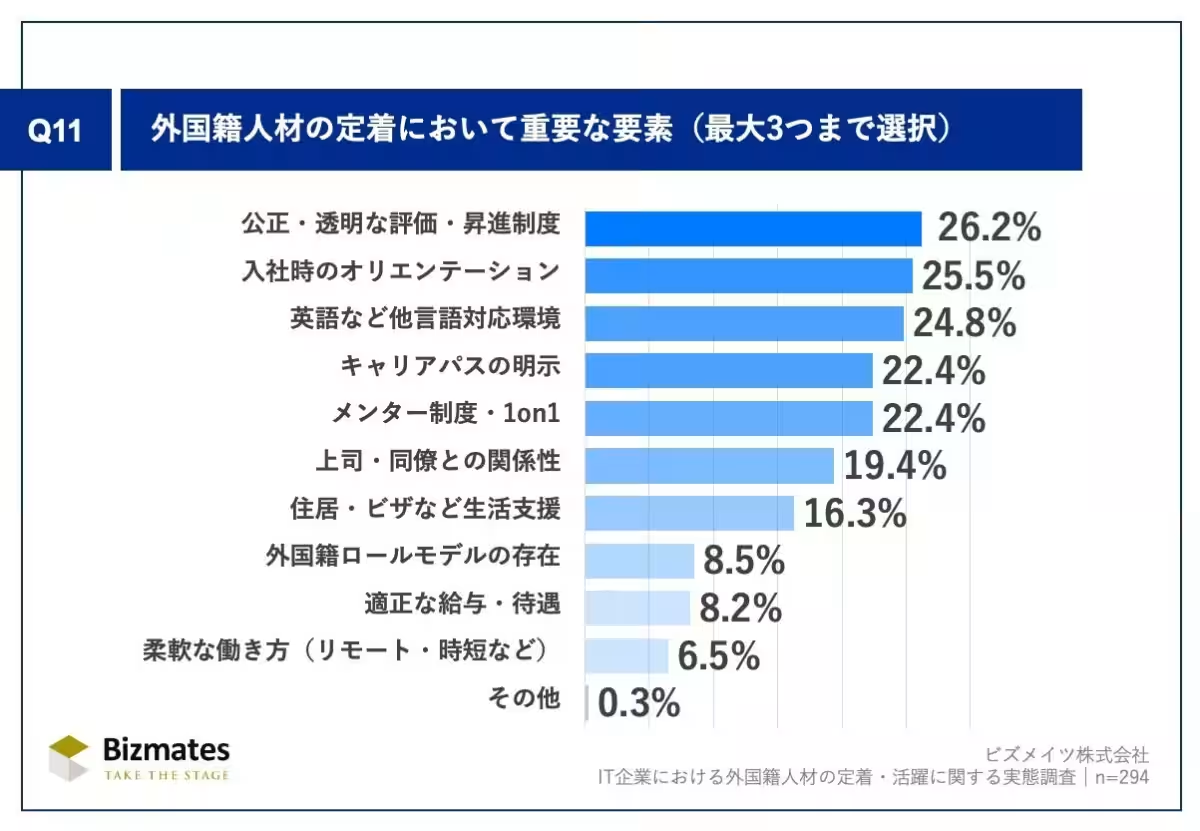
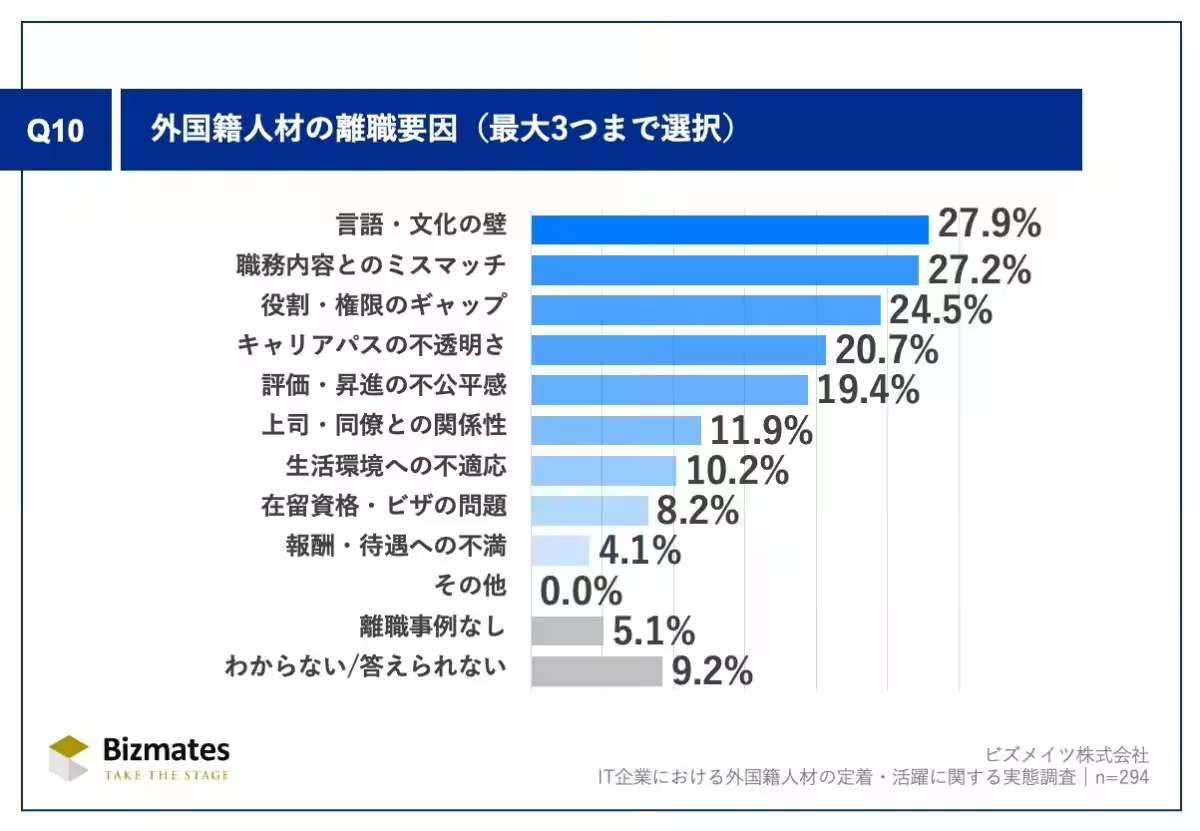
The key to retaining foreign employees lies in effective orientation processes, transparent evaluation systems, and the understanding of cultural differences by the local workforce. Initial support mechanisms such as one-on-one mentoring, strong orientation programs, and cultural training for Japanese employees significantly enhance the integration of foreign workers into the company culture.
Recruitment Channels
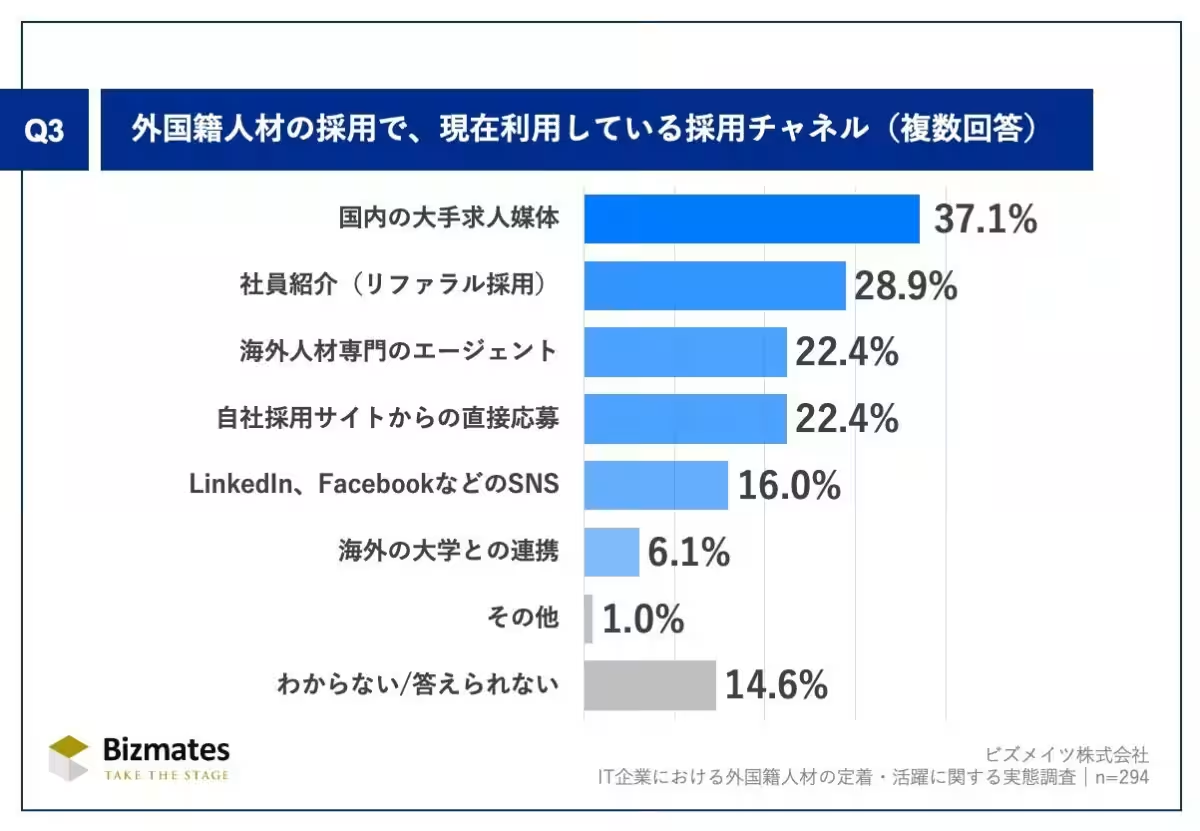
The data shows a preference for domestic major job platforms and direct recruitment methods, while partnerships with foreign universities are emerging as a valuable route to source international talent. This indicates a positive trend toward broadening the recruitment channels being utilized for attracting skilled professionals from overseas.
Challenges Ahead
The report forecasts a shortage of approximately 790,000 IT professionals by 2030, making it imperative for Japanese companies to focus on the recruitment, retention, and effective utilization of foreign talent. Addressing the integration challenges and ensuring that diverse talent can contribute meaningfully to the organization is crucial for future competitiveness.
Current State of Foreign Talents in Companies
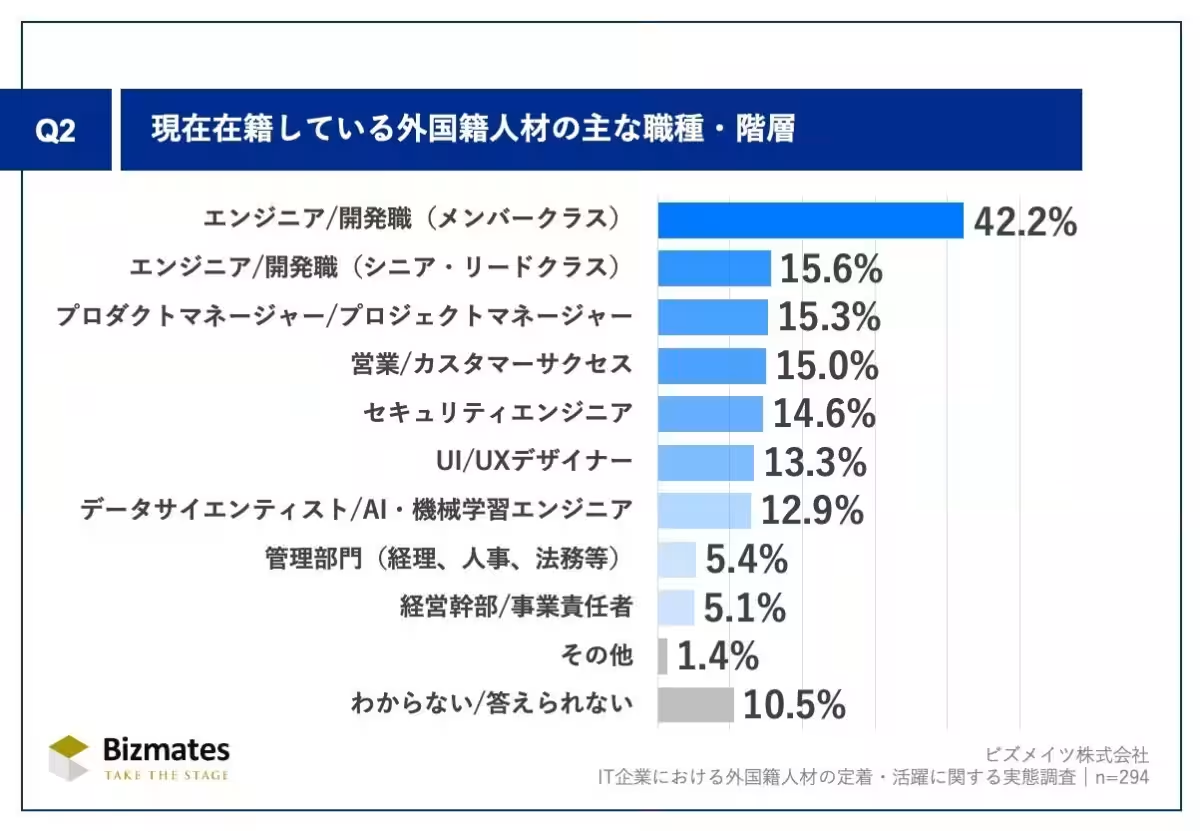
- - Employment Demographics: A significant portion of foreign talent in these companies are engineers and developers, constituting around 60% of the workforce. This underlines the high demand for technical skills in the sector.
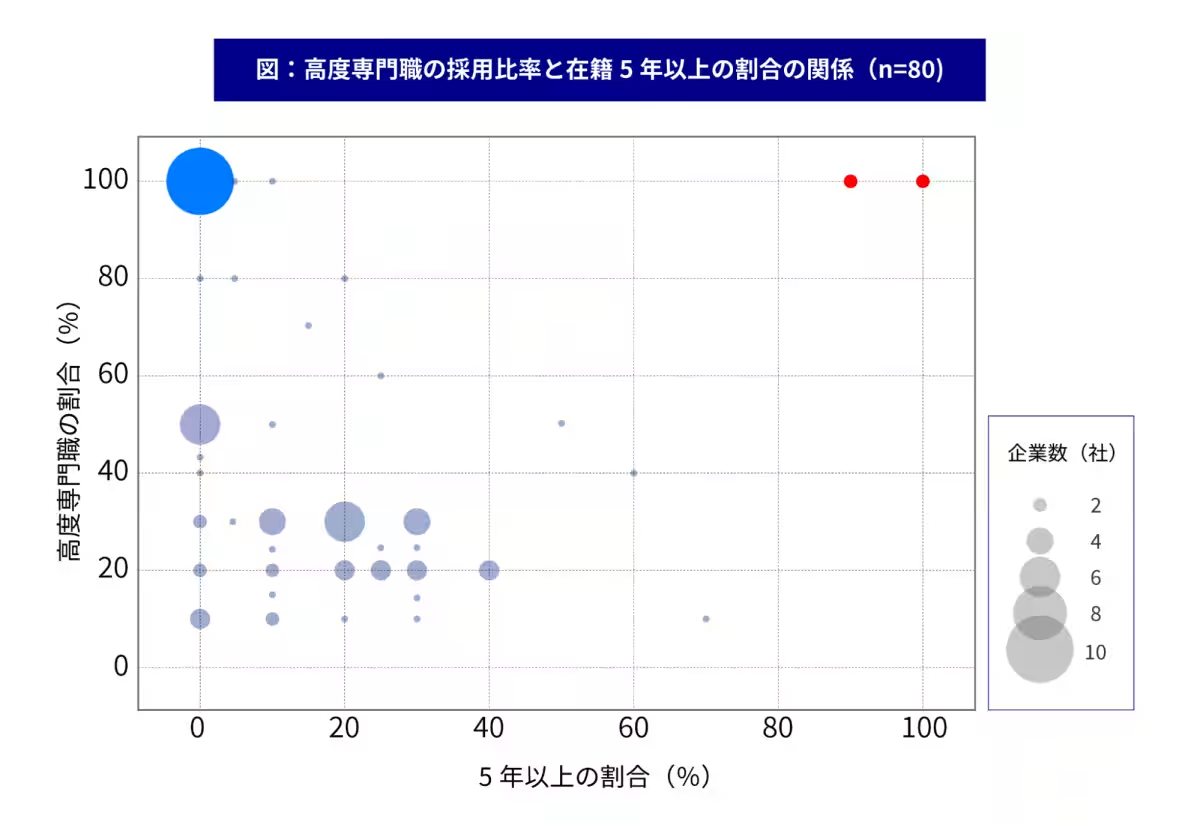
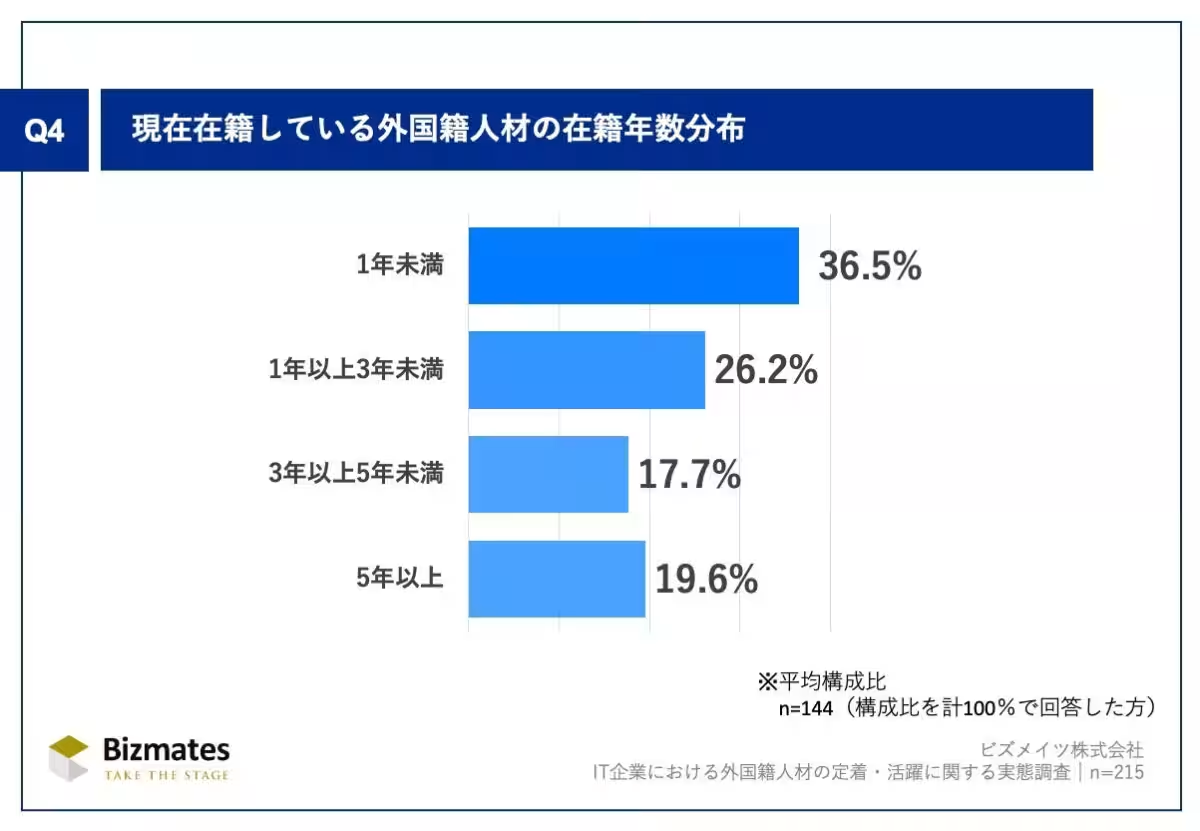
- - Diversity of Tenure: Although most foreigners have been with their organizations for less than three years, about 37% have been employed for over three years, showcasing an emerging trend of long-term retention.
- - Recruitment Strategies: The survey highlights that approximately 37% of firms depend on major domestic job platforms for hiring foreign talent, suggesting a growing normalization of foreign recruitment practices in the Japanese job market.
Retention Strategies
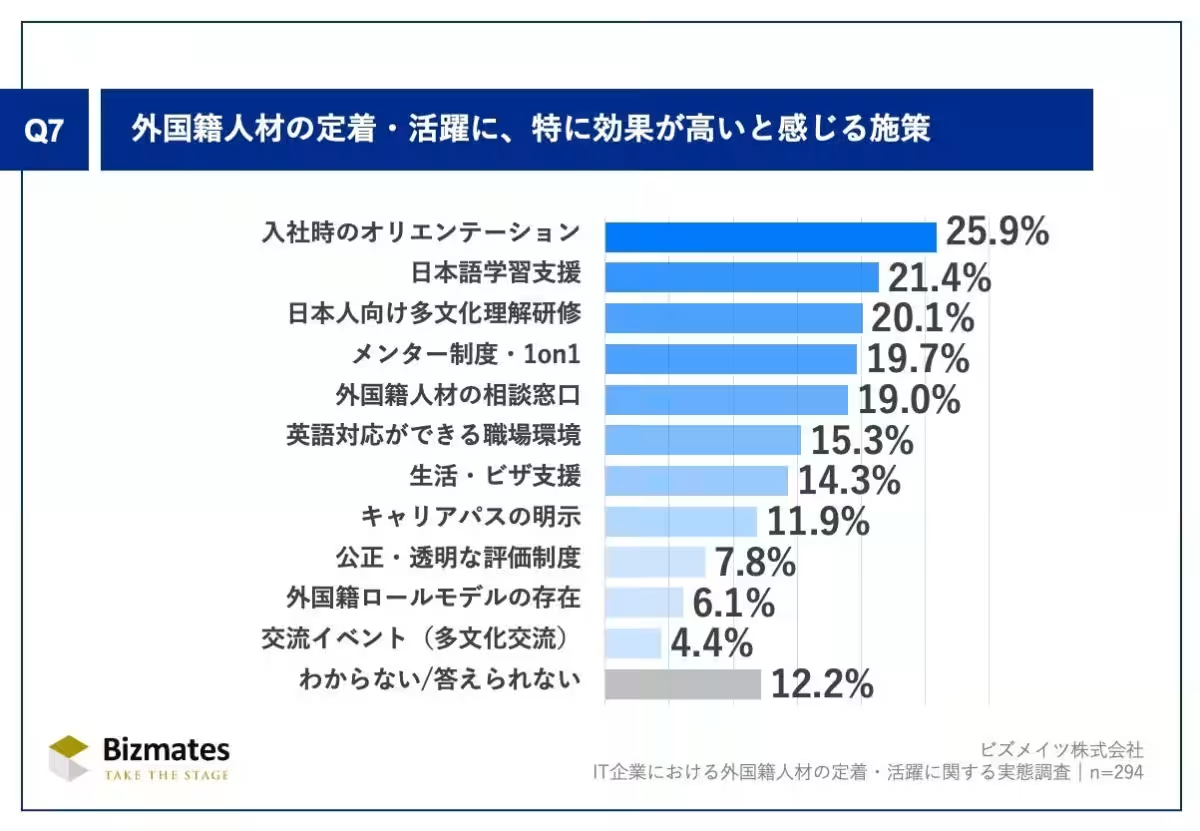
To enhance the retention and performance of foreign workers, various measures were favored in the survey:
1. Initial Support and Orientation: Comprehensive onboarding processes are considered essential for new foreign employees.
2. Language Support: There is a notable demand for Japanese language training and support systems to help foreigners feel more comfortable.
3. Cultural Training for Japanese Employees: Additional training for local employees to cultivate cultural sensitivity is recognized as crucial for harmonious workplace dynamics.
Future Considerations
Many IT companies express a need for increased cultural understanding training for their Japanese staff, pointing to a proactive approach to overcoming potential barriers.
Conclusion
The findings from the Bizmates survey emphasize the significant role that foreign talent will play in the future of Japan's IT sector. For companies to thrive, they must not only attract but also integrate these talented individuals effectively. The need for mutual understanding, continuous support, and equitable evaluation practices will be paramount in ensuring the successful assimilation of diverse workforce into Japanese culture and the workplace environment.
Bizmates Group (www.bizmates.co.jp) has been at the forefront of promoting global talent and language learning, offering solutions to enhance the growth of both individuals and companies in a diverse society. With the pressing need for skilled professionals, a robust strategy for integrating foreign talent could hold the key to sustaining Japan's competitive edge in the global market.
Topics Business Technology)
【About Using Articles】
You can freely use the title and article content by linking to the page where the article is posted.
※ Images cannot be used.
【About Links】
Links are free to use.