




Research Reveals Convenience Store Shopping Habits Across Japan
Understanding Shopping Habits at Convenience Stores in Japan
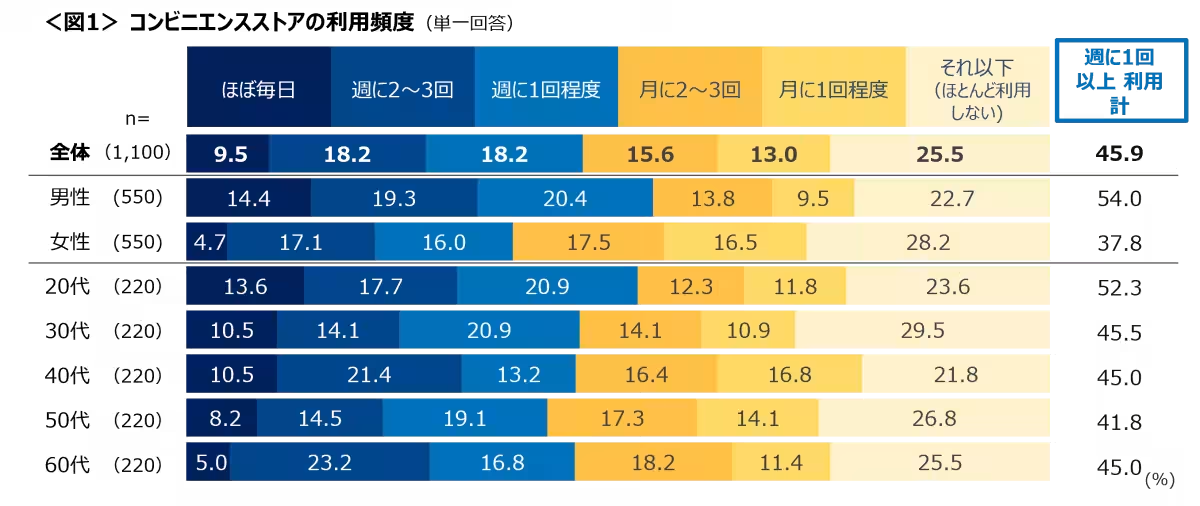
A recent survey conducted by Cross Marketing, a leading marketing research company based in Tokyo, delved into the convenience store shopping habits of Japanese consumers aged 20 to 69. This comprehensive research, conducted from February 25 to 26, 2026, involved 1,100 respondents and aimed to explore the frequency of visits, the motivating factors for shopping, and the satisfaction levels post-purchase.
Key Findings from the Survey
According to the survey, approximately 45.9% of respondents visit convenience stores at least once a week. Interestingly, over 50% of men in their 20s reported weekly visits, and many also claimed to shop almost daily. This indicates that convenience stores have become an integral part of daily life for many Japanese consumers.
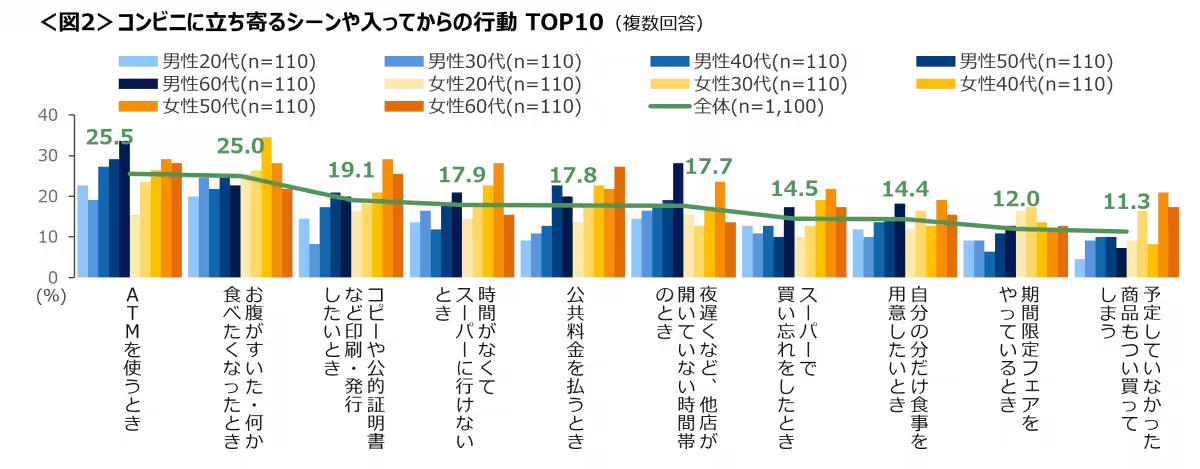
The primary reasons for stopping by a convenience store include: using an ATM, satisfying hunger, and needing to print public documents. Specifically, older men in their 60s prefer visiting late at night when other stores are closed, while younger women in their 20s are attracted by limited-time promotions.
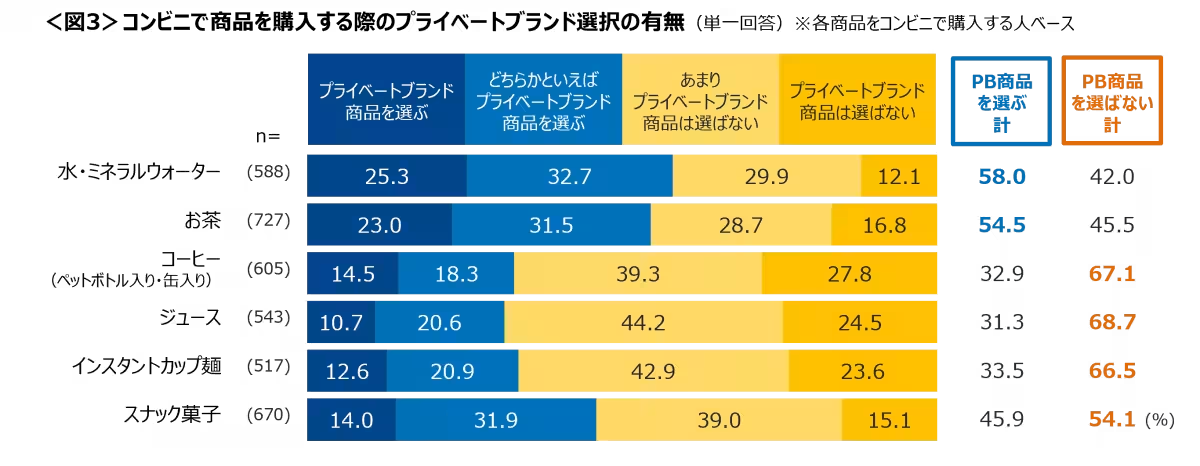
When it comes to product selection, more than half of the respondents choose private label products like water and tea. In contrast, a significant majority of shoppers prefer national brands for coffee and juice. This suggests a complex relationship between perceived value and brand loyalty among consumers.
Feelings of Surprise at Checkout
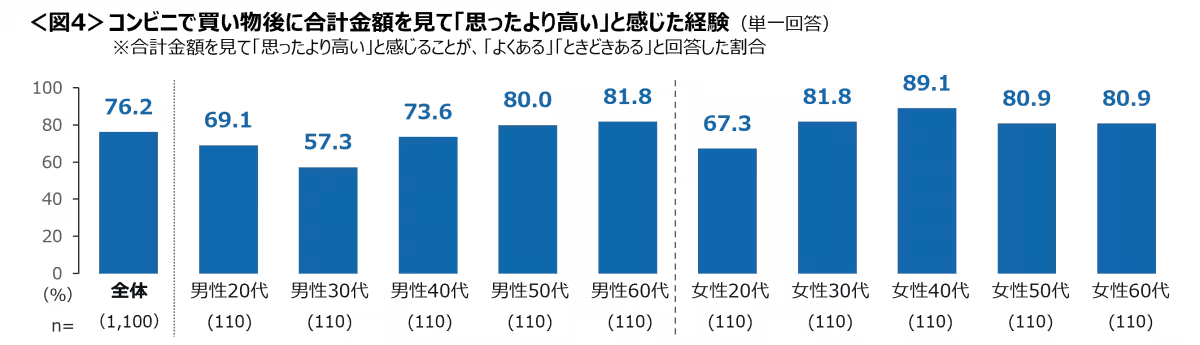
A staggering 76.2% of those surveyed expressed that they often feel their total shopping bill is higher than expected after checking out. This sentiment is particularly pronounced among men and women in their 50s to 60s, where over 80% reported feeling this way. It raises questions about transparency and pricing perceptions in convenience stores, particularly among the older demographic.
Desired Products and Services
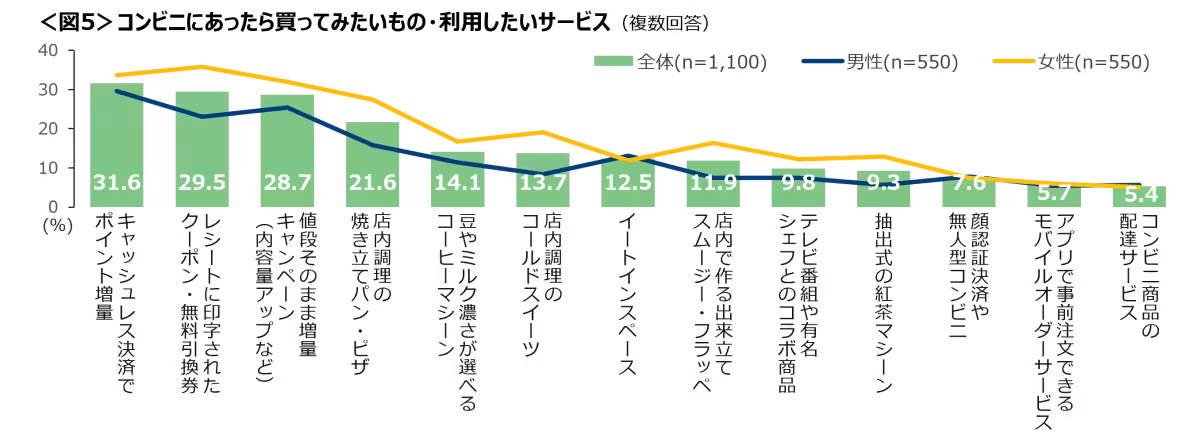
When asked about potential offerings they would like to see in convenience stores, respondents showed a strong interest in features that enhance the shopping experience. High on their wish lists were cashless payment options with increased points, coupons printed on receipts, and 'value-added' promotions where quantities are increased without raising prices. Women specifically expressed interest in fresh, in-store prepared items like baked goods, cold sweets, and smoothies, indicating a desire for quality and authenticity alongside convenience.
Conclusion
This comprehensive analysis by Cross Marketing highlights not only the frequency of convenience store visits but also the evolving preferences and perceptions of consumers in Japan. As convenience stores adapt and introduce new services and products, understanding these consumer behaviors will be critical for ongoing success in this competitive retail environment.
For further insights and detailed findings from the study, you can visit Cross Marketing's official website or download the full report from the link provided.
Download Report
In summary, the landscape of convenience store shopping in Japan is complex and varied, reflecting broader trends in consumer behavior and preferences across different age groups. As these stores continue to innovate, the role they play in everyday life is likely to evolve, making ongoing research essential for understanding future trends in this sector.

Topics Consumer Products & Retail)
【About Using Articles】
You can freely use the title and article content by linking to the page where the article is posted.
※ Images cannot be used.
【About Links】
Links are free to use.