



Understanding Internal Branding: Insights from a Survey of 300 Employees on the Five-Year Challenge
Internal Branding Insights from a Survey of 300 Employees
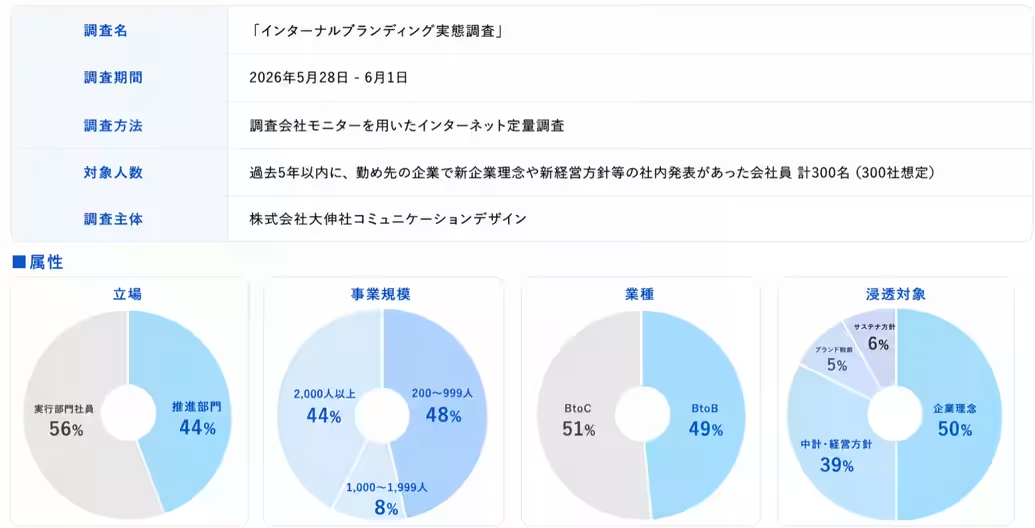
In today’s corporate landscape, the significance of internal branding cannot be overstated. According to a recent survey conducted by Daishinsha Communication Design, which involved 300 employees working at companies that have implemented new principles and management policies within the last five years, internal branding efforts often seem to hit a unique barrier – a noticeable five-year wall. This article explores the results of the study and the insights it offers for organizations striving to solidify their internal branding initiatives.
The Current Landscape of Internal Branding
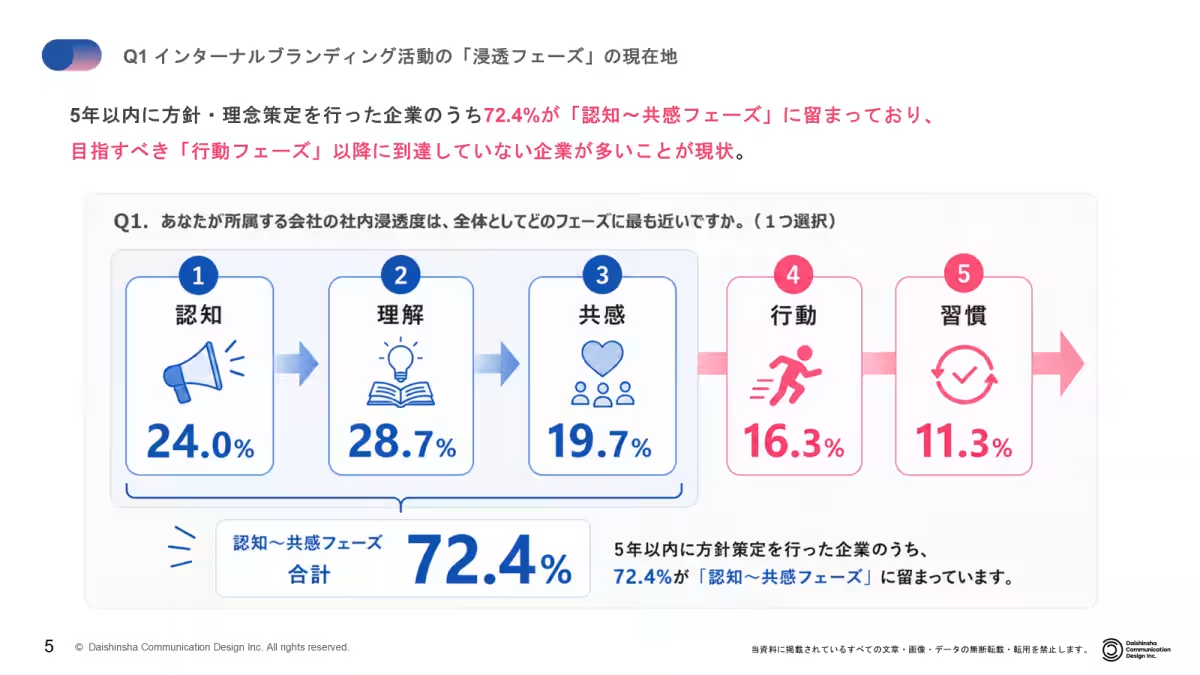
The survey findings paint a compelling picture: nearly 72.4% of organizations surveyed remain in the initial phases of internal branding, with their employees merely recognizing, understanding, and empathizing with the company's values, but without significantly altering their behaviors. Shockingly, less than 30% of organizations manage to cultivate behavioral change or embed these values into everyday habits among their staff. The gap in perception between internal branding promoters and the employees themselves is another finding, especially concerning the “habit” stage, which reveals a 9.4% difference in understanding.
Survey Background
The challenges facing companies as they try to disseminate their principles and management strategies are evident. Many organizations hold kickoff events, distribute internal newsletters, and have top management broadcast messages to their workforce. However, there is a glaring lack of empirical data that clearly indicates how much effort is required to achieve actual behavioral change and what specific strategies lead to successful embedding of values into the workplace culture.
Key Findings from the Survey
The internal branding survey uncovered two primary insights:
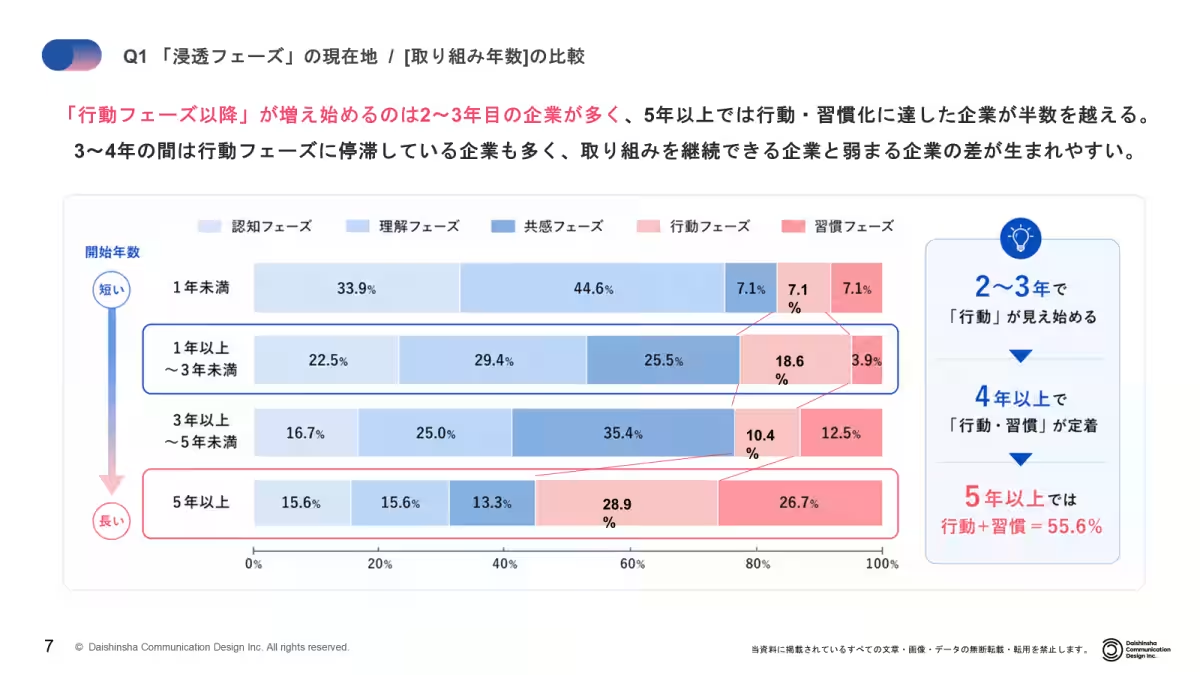
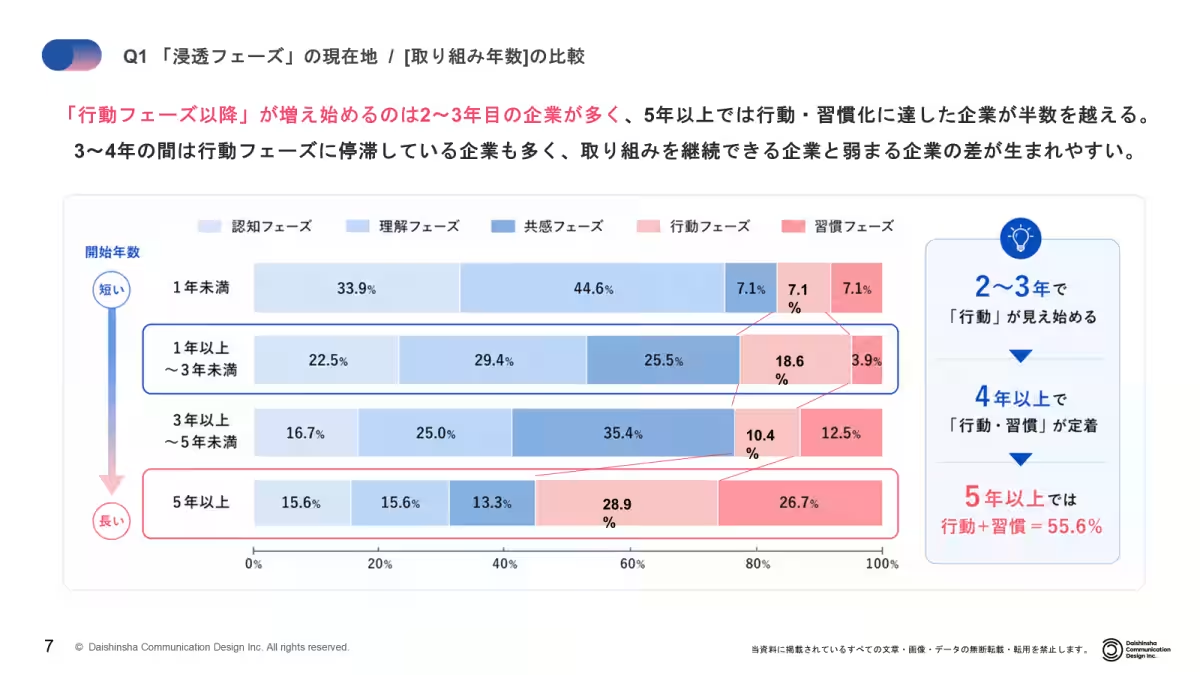
1. Time Investment for Behavioral Change: It typically takes around 2-3 years for employees to begin exhibiting altered behaviors, and it requires over 5 years for those changes to settle as habitual practices within the organization.
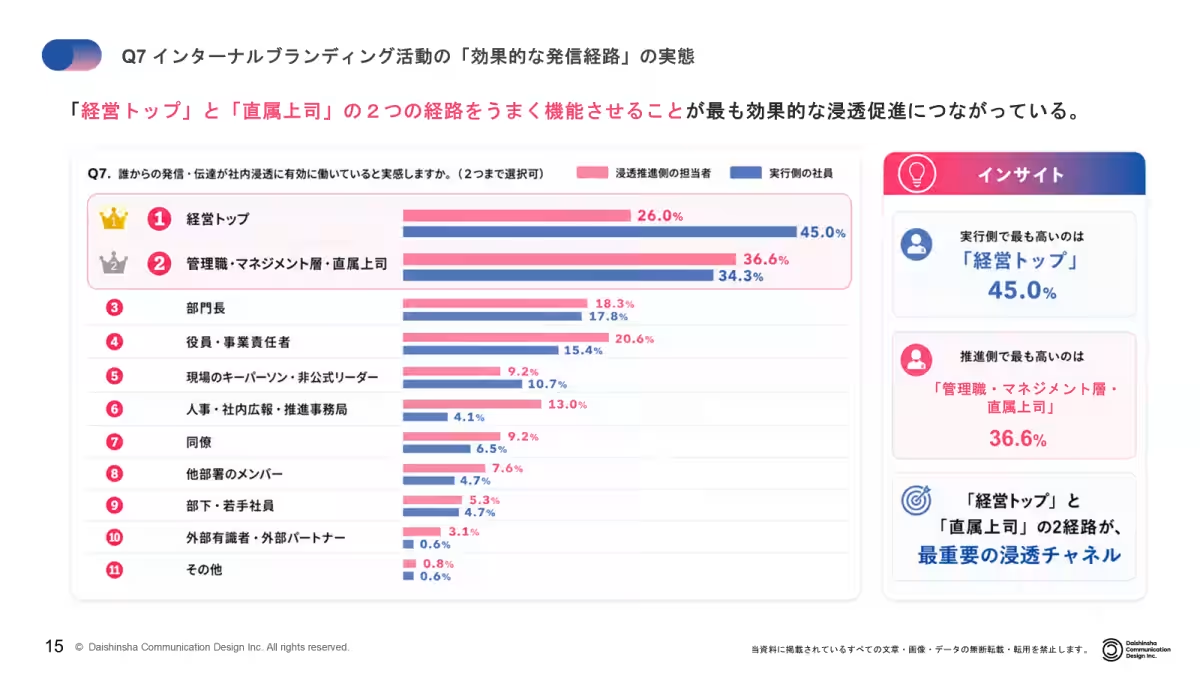
2. Role of Management: The success of value dissemination relies on not just top executives, but also mid-level managers and direct supervisors, who play crucial roles in translating these principles into actionable items at the ground level.
Analysis of Branding Progress
The study categorized the internal branding journey into five phases: recognition, understanding, empathy, action, and habit. Out of the surveyed organizations, 72.4% find themselves stuck at the recognition to empathy phases, while only 27.6% progress to action and habit stages.
This indicates that although employees are aware of and understand the company's core values, the critical connection to daily decision-making and behavioral application remains largely unexplored.
The Timeframe for Behavioral Transformation
One of the most revealing outcomes of the survey is the standout timeline for effective internal branding. Companies that have engaged in branding initiatives for less than a year reported a heavy concentration of responses around just recognition and understanding. In contrast, those that have been active for 2-3 years begin to show signs of advancement into the action phase. Furthermore, those who sustain their initiatives for over five years see a significant surge in both action (28.9%) and habit (26.7%) phases, meaning over half of the companies have successfully integrated their messaging into daily operations amid a sustainable practice of their principles.
Challenges in the Internal Branding Process
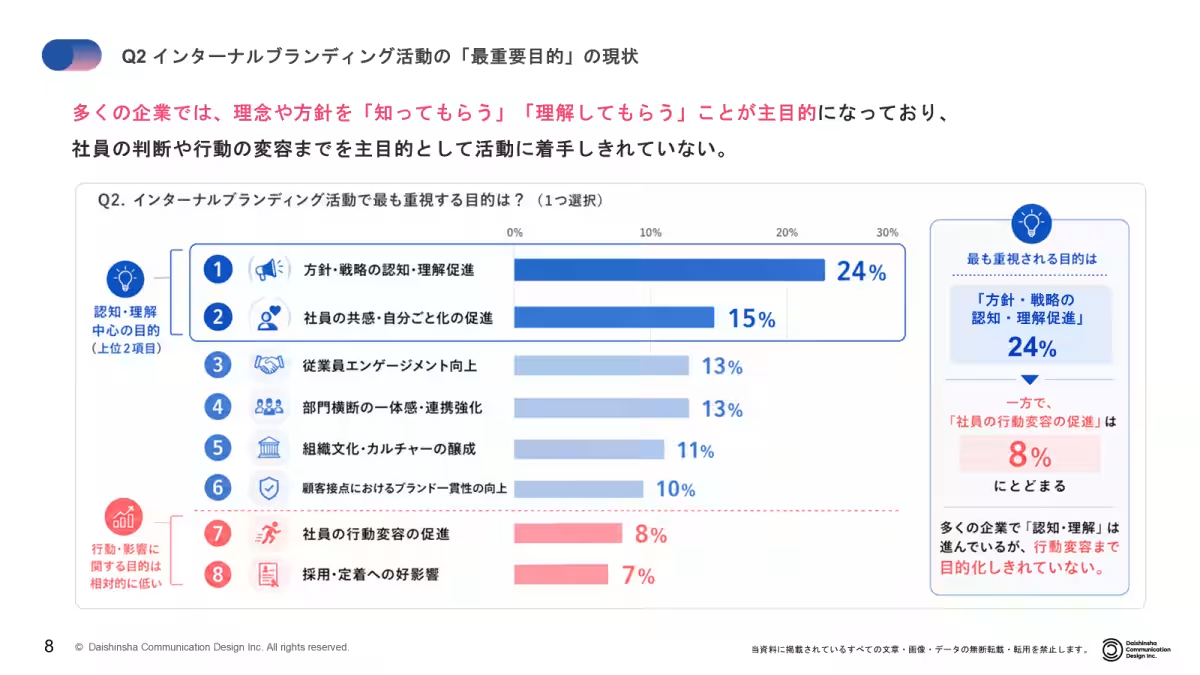
Despite the positivity around long-term branding, many organizations still struggle to make the leap to actionable behaviors. The reasons primarily boil down to their objective tendencies. The most common goal cited by companies, at 24%, revolves around boosting recognition and understanding rather than pushing for actual behavioral changes, which only accounted for 8% of the objectives. This clearly relates to the earlier insight revealing that several organizations find themselves in a loop of achieving recognition and empathy without progressing into actionable commitments to change.
The Role of Leadership in Branding
Another aspect investigated was the source of effective value messaging within organizations. Employees indicated that messages from top executives (45%) carry significant weight, underscoring the importance of leadership in disseminating branding messages. Yet, the involvement of direct supervisors and managers cannot be understated as these individuals are pivotal in translating high-level abstract principles into concrete changes that align with daily operations.
Key Actions and Effective Strategies
Engagement strategies that proved beneficial widely included regular presentations at all-staff meetings, integration with HR systems, and dialogue opportunities with management. Thus, to foster effective internal branding, it is clear that organizations need to establish a robust framework that combines communication, management practices, and everyday operations.
Moving Beyond Messaging to Action
The survey results consequently indicate that the challenges of internal branding have shifted gears; the core issue is not merely about communicating values but transforming them into concrete actions. Many companies excel at conveying their values but when it comes to instilling them as organizational culture, the complexity increases significantly. To ensure success, organizations need to:
- - Clearly define the expected behaviors for employees.
- - Empower management to translate vision into actionable tasks.
- - Create frameworks that connect daily tasks to larger principles.
In conclusion, internal branding is more than just a temporary communication initiative; it represents a long-term commitment to nurture organizational culture over time. Companies are urged to embrace a multifaceted approach that goes beyond mere understanding and recognition, fostering lasting change that manifests in daily operations.
- ---
For those interested in exploring the detailed insights of this survey, a comprehensive 17-page report with all findings, including the reasons behind the 72.4% stagnation at the recognition stage and much more, is available for free download through Daishinsha Communication Design.
Topics Business Technology)
【About Using Articles】
You can freely use the title and article content by linking to the page where the article is posted.
※ Images cannot be used.
【About Links】
Links are free to use.