



Mori Trust Group Conducts Spring Earthquake Drill to Enhance Disaster Preparedness
Mori Trust Group's Spring Earthquake Drill
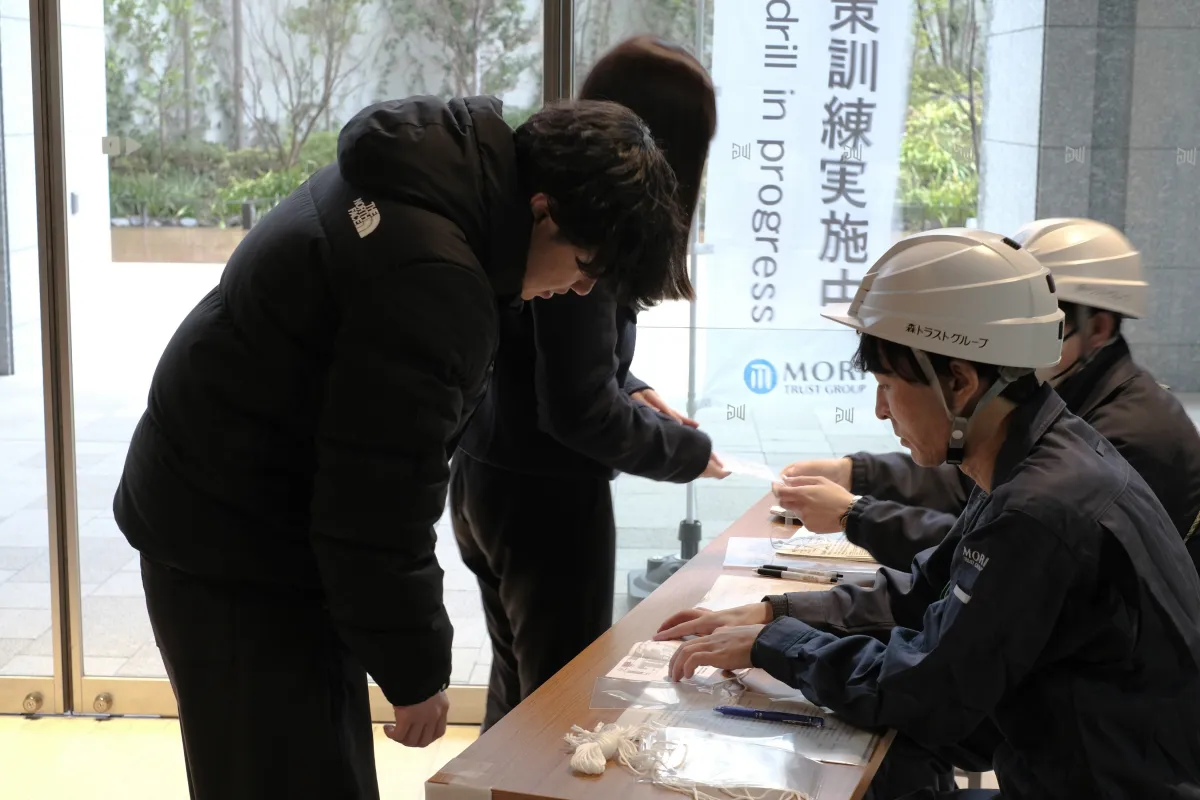
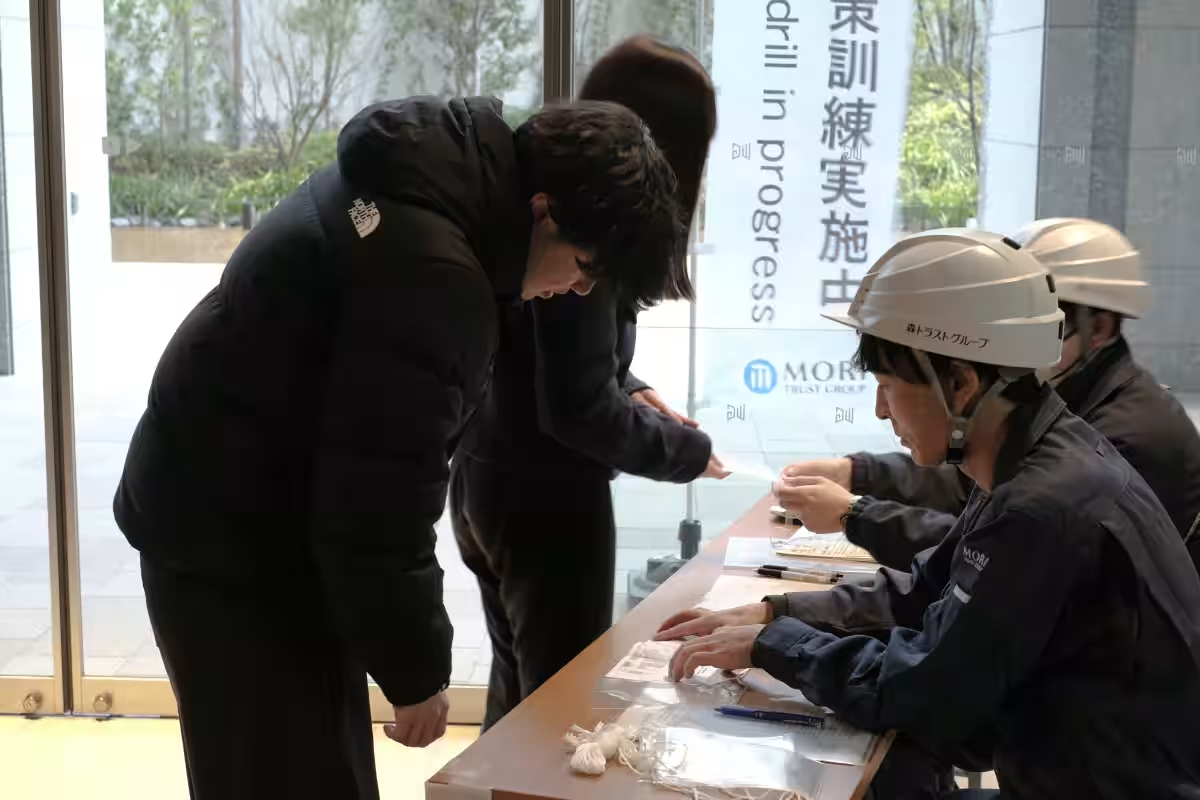
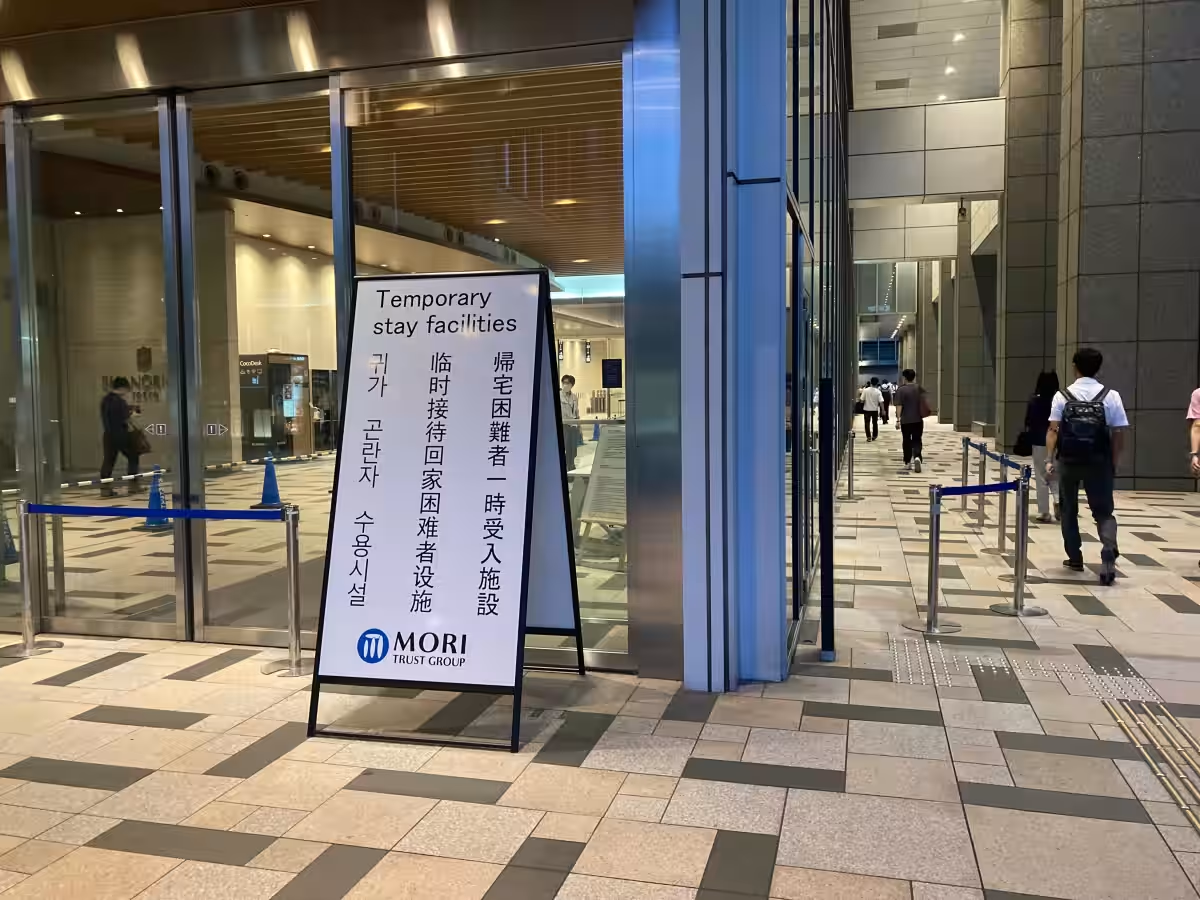
On March 10, 2026, the Mori Trust Group, comprising Mori Trust Holdings, Mori Trust, and Mori Trust Building Management, conducted its comprehensive spring earthquake drill for fiscal year 2025 at the newly completed Akasaka Trust Tower. This drill marked a significant step in their ongoing commitment to disaster preparedness. The primary objective was to validate the initial response procedures, including the establishment of a disaster response headquarters and assessing the operational efficiency for sheltering those who are unable to return home.
Enhancing On-Site Disaster Response Capabilities
The Mori Trust Group continuously conducts training exercises to prepare for large-scale disasters, such as a major earthquake in the Tokyo metropolitan area. They recognize their facilities' critical social role in safely accommodating stranded individuals during emergencies, thus contributing to community safety and security.
Previous drills have prioritized familiarization with procedures ranging from reception services to guiding individuals into designated shelter areas and distributing emergency supplies. The exercises also included simulations for communicating with non-Japanese speakers through translation apps and multi-lingual staff. This reflects their dedication to bolstering disaster response capabilities as an international business hub.
In the latest drill, participants utilized the actual interior layout of Akasaka Trust Tower for the first time, which allowed them to test and improve the practical aspects of the reception process.
Training Overview (Conducted on March 10, 2026)
Every employee was assigned specific roles during the drill, which anticipated over 8,000 stranded individuals across three sites, including Tokyo World Gate and Marunouchi Trust City. The exercise comprehensively addressed the entire reception workflow—from initial contact to guiding individuals to the shelter and distributing supplies.
Special attention was given to the following critical infrastructures during the training:
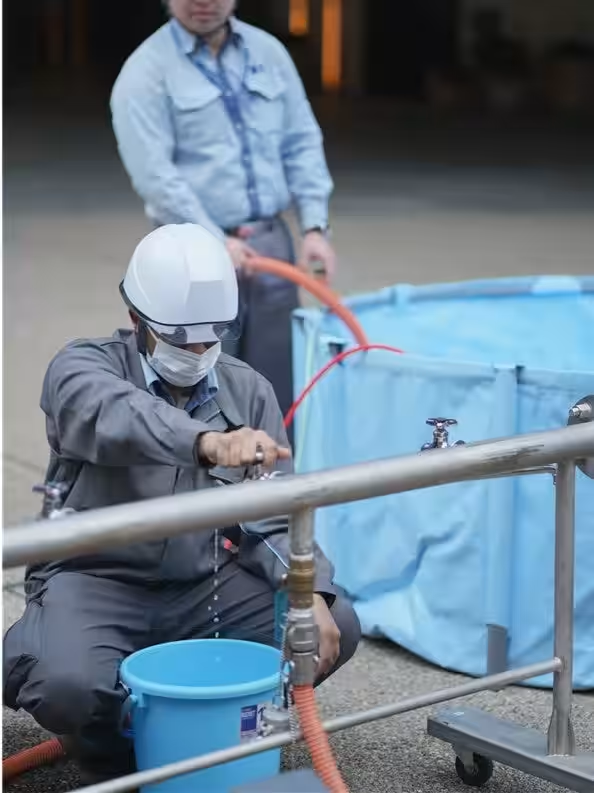
1. Emergency Well Installation Drill: This trained participants on securing drinking water for those unable to return home if the water supply was disrupted.
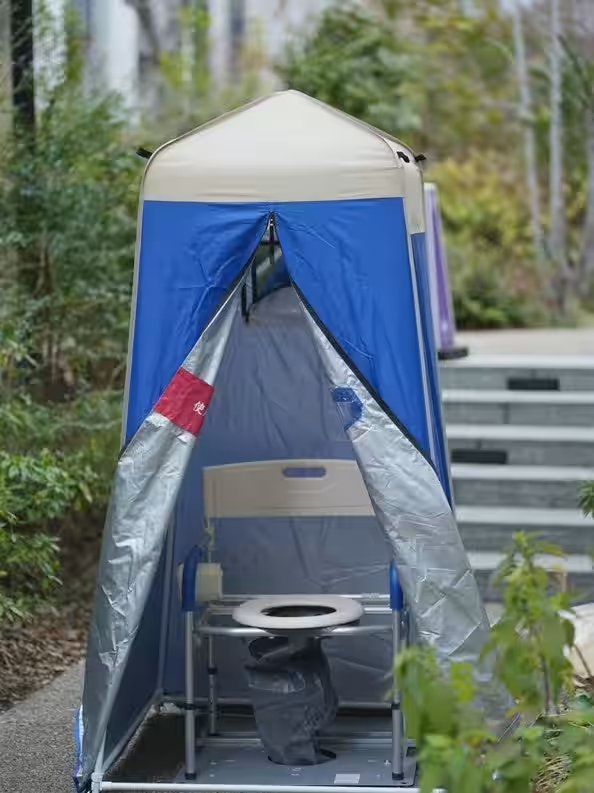
2. Installation of Manhole Toilets: This drill prepared participants for scenarios where regular toilets were not operational, ensuring that facilities for stranded individuals were in place.
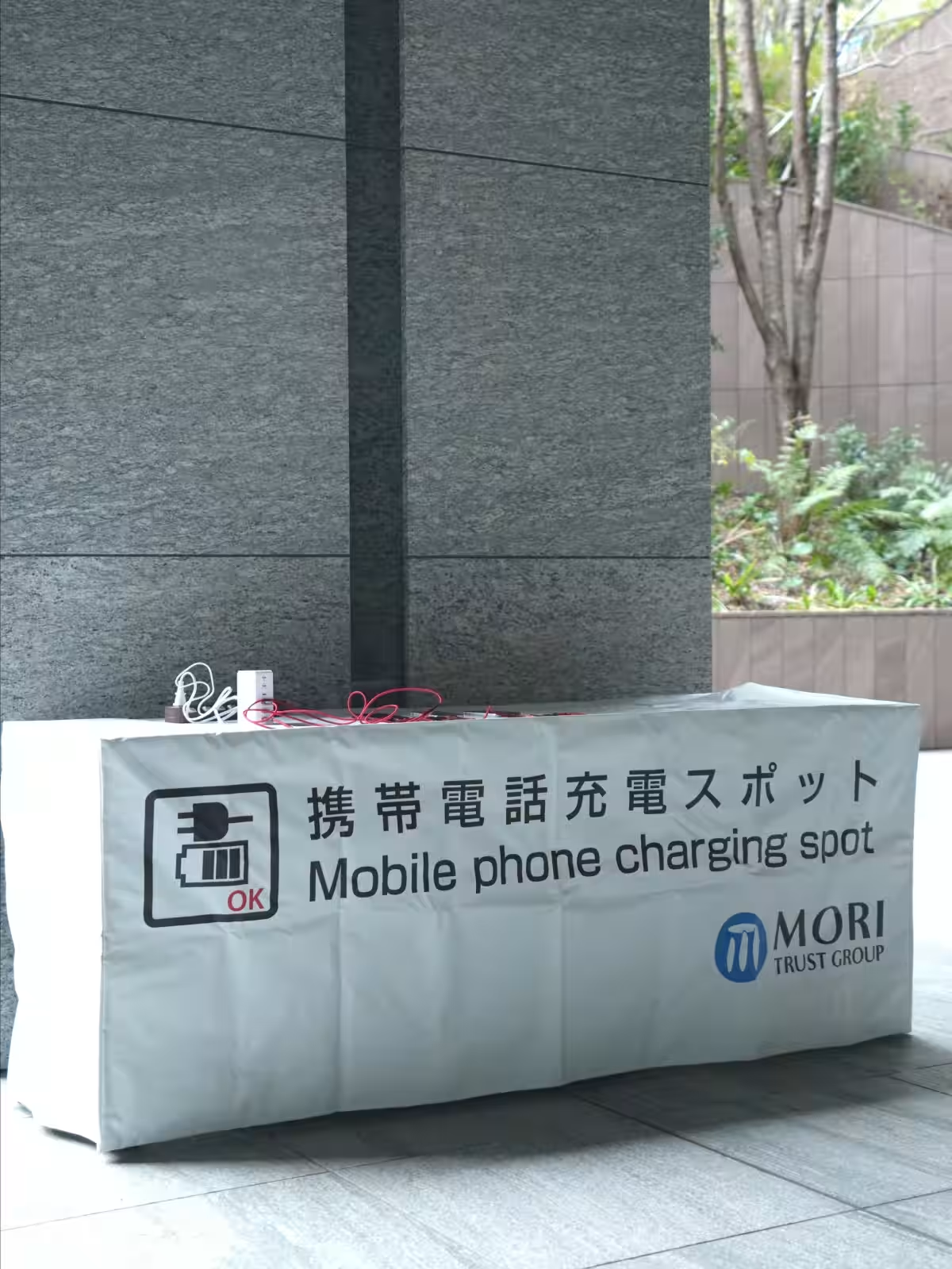
3. Charging Stations Setup Drill: This involved setting up charging points powered by emergency generators to ensure that stranded individuals could charge their mobile devices.
Mori Trust Group's Commitment to Disaster Prevention
Mori Trust Group has consistently emphasized disaster preparedness, focusing particularly on community safety. Since 2012, the group has conducted training that integrates the entire process of accommodating stranded individuals following a major disaster. In the most recent drill, over 600 employees engaged in readiness actions, efficiently assessing initial response teams while testing their nationwide coordination system through a dedicated disaster portal.
These drills are not merely simulations; they have been critical during actual disasters, as demonstrated during the Great East Japan Earthquake in 2011. Following the earthquake, the Sendai Trust City quickly activated emergency generators and managed to maintain essential building functions, like lighting and elevator services, along with providing charging facilities for mobile phones. Collaboration among the group's various locations facilitated the reception of approximately 11,000 stranded individuals across all sites.
Recent Earthquake and Tsunami Preparedness Actions
An additional training effort was put into practice on July 30, 2025, when a significant quake near the Kamchatka Peninsula triggered tsunami warnings across Japan. Anticipating stranded individuals, the group promptly prepared for their effective reception based on requests from the Tokyo Chiyoda Ward. Coordination with local authorities and stations ensured seamless initial response actions, although the actual reception was not needed due to the return of train services.
BCP Performance of Akasaka Trust Tower
Lessons learned from previous responses have also informed new development projects, enabling the comprehensive construction of effective disaster prevention systems, including:
- - Large-capacity emergency generators capable of supplying power for up to one week, covering about 80% of normal electricity demand.
- - 1.5 times the seismic standards required for super high-rise buildings.
- - Approximately 20 disaster supply warehouses, totaling around 2,000 square meters.
- - Sufficient food, sanitary supplies, and winter clothing to accommodate 1,200 stranded individuals for three days.
- - Spaces allocated specifically for individuals with special needs among the stranded.
- - Multi-lingual information systems to assist diverse individuals in emergencies.
Mori Trust Group continues its pledge to contribute to a safe, sustainable city through these training exercises, aiming to enhance urban resilience in the face of future crises.



Topics Other)





【About Using Articles】
You can freely use the title and article content by linking to the page where the article is posted.
※ Images cannot be used.
【About Links】
Links are free to use.