



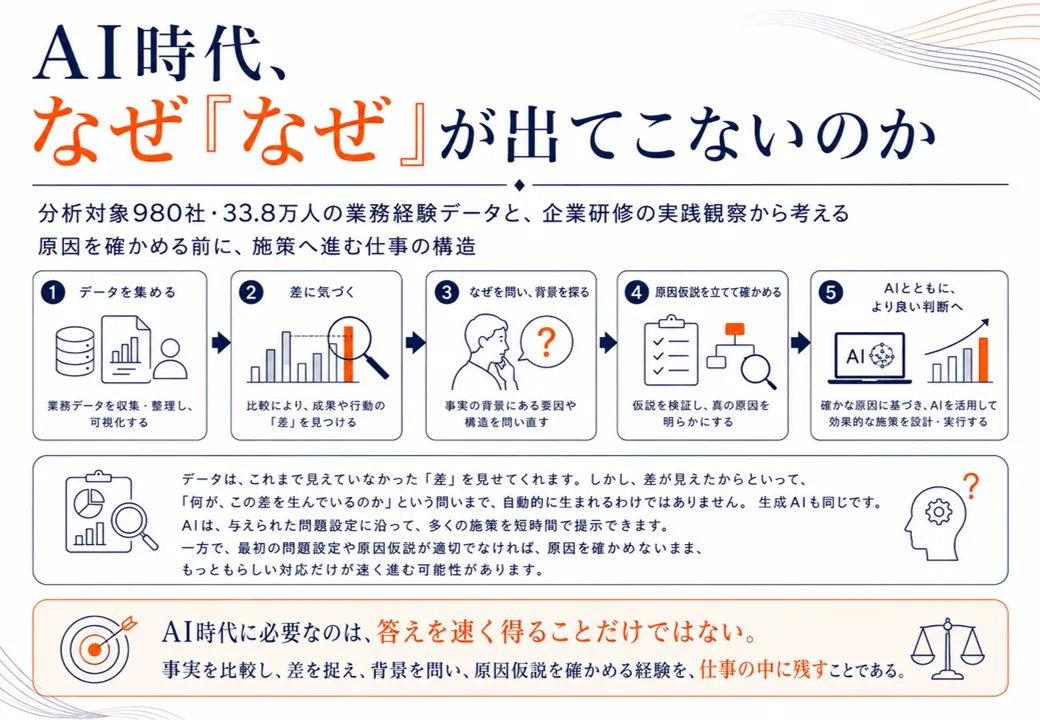
Exploring the Absence of Inquiry in the AI Era: Insights from 980 Companies and 338,000 Professionals
Exploring the Absence of Inquiry in the AI Era
In the age of artificial intelligence (AI), it's surprisingly noted that many organizations are moving towards implementing solutions without thoroughly understanding the root causes of their challenges. Request Inc., a company specializing in Organizational Behavior Science, has unveiled findings based on data from 980 firms and 338,000 employees, shedding light on this concern.
The Underlying Structure of Decision-making
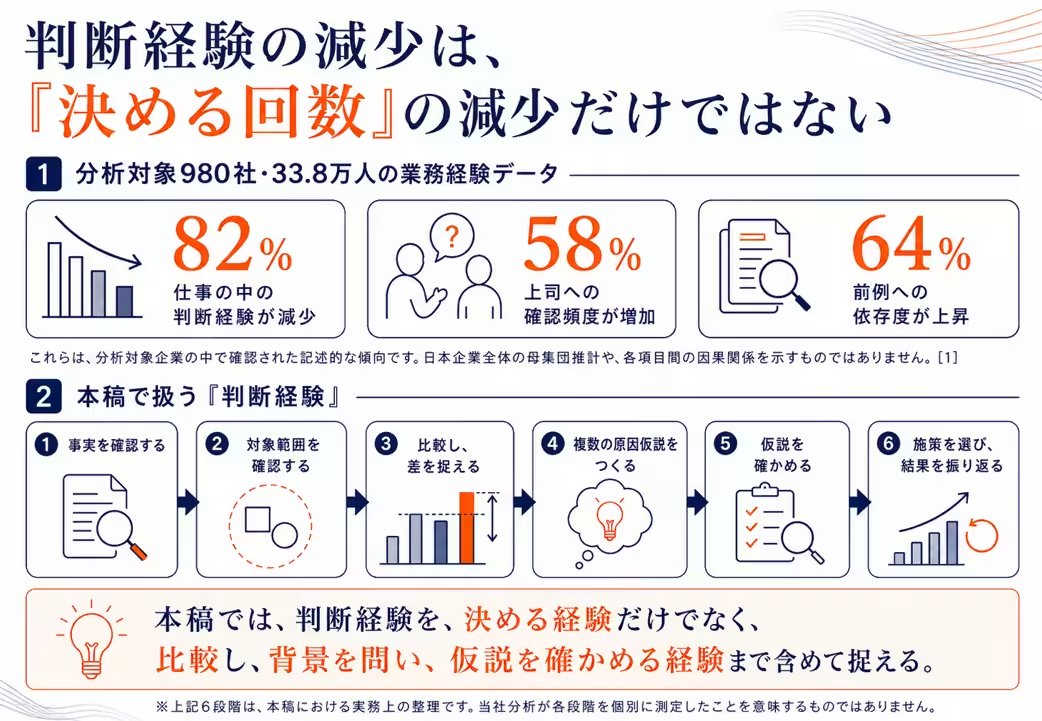
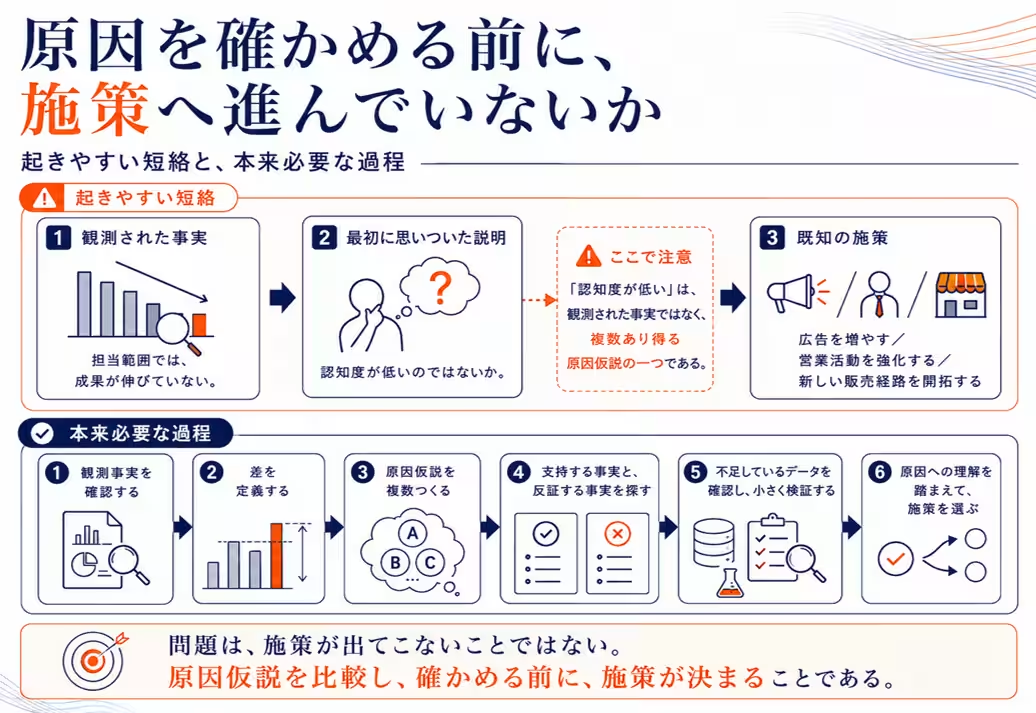
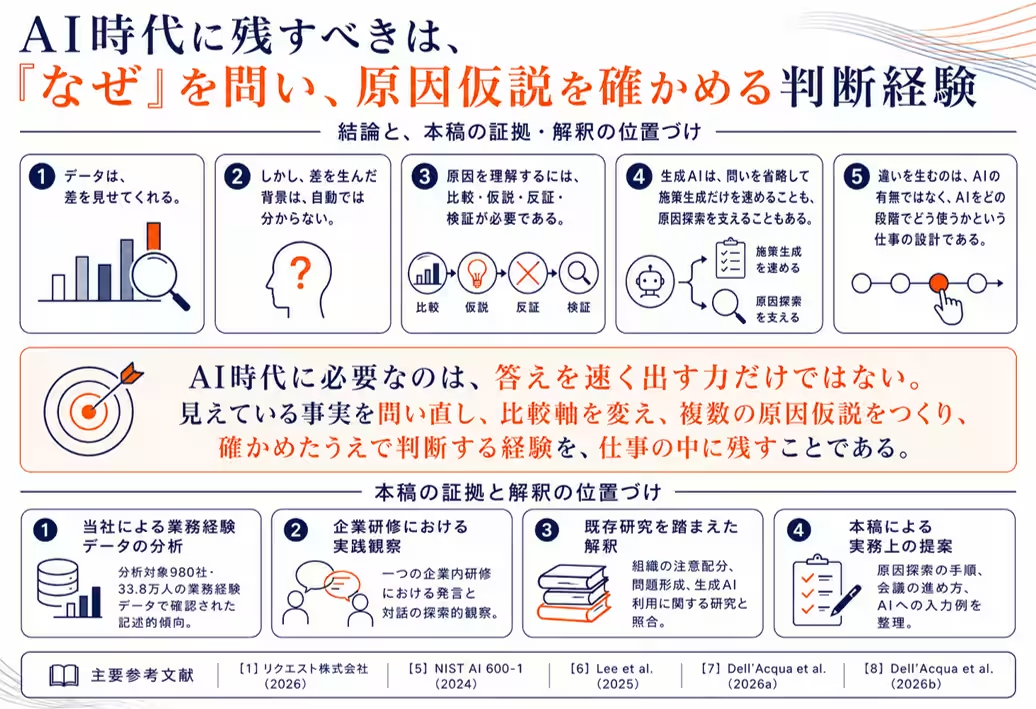
The objective analysis from Request Inc. emphasizes that a staggering 82% of the companies surveyed experienced a decline in decision-making experiences within their work frameworks. Many leaders, as observed in corporate training settings, often leap towards conclusions without sufficient inquiry, driven by a fear of stagnation or inefficiency. This approach can lead to the rapid implementation of solutions that may not address the actual issues at hand.
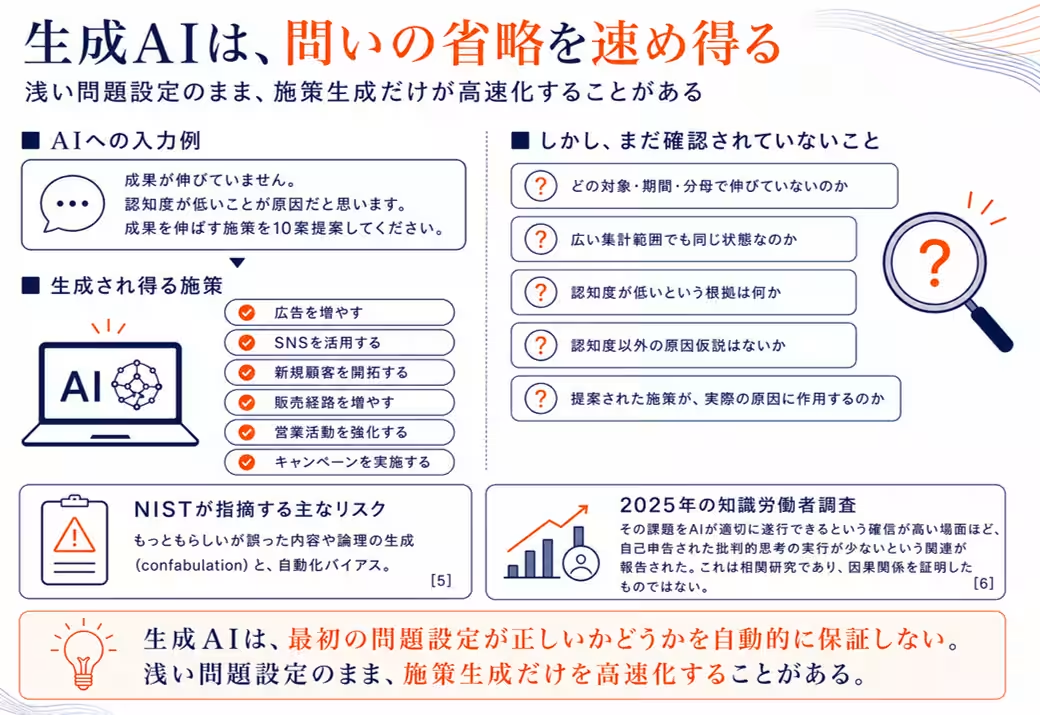
Interestingly, the emergence of generative AI has facilitated the swift generation of solutions. However, when the initial problem or hypothesis is misaligned, organizations risk propelling themselves into superficial responses rather than engaging in thorough analysis. Hence, the challenge arises: Are organizations aware of this trend, and how can they rectify it?
The Impact of AI on Problem-solving
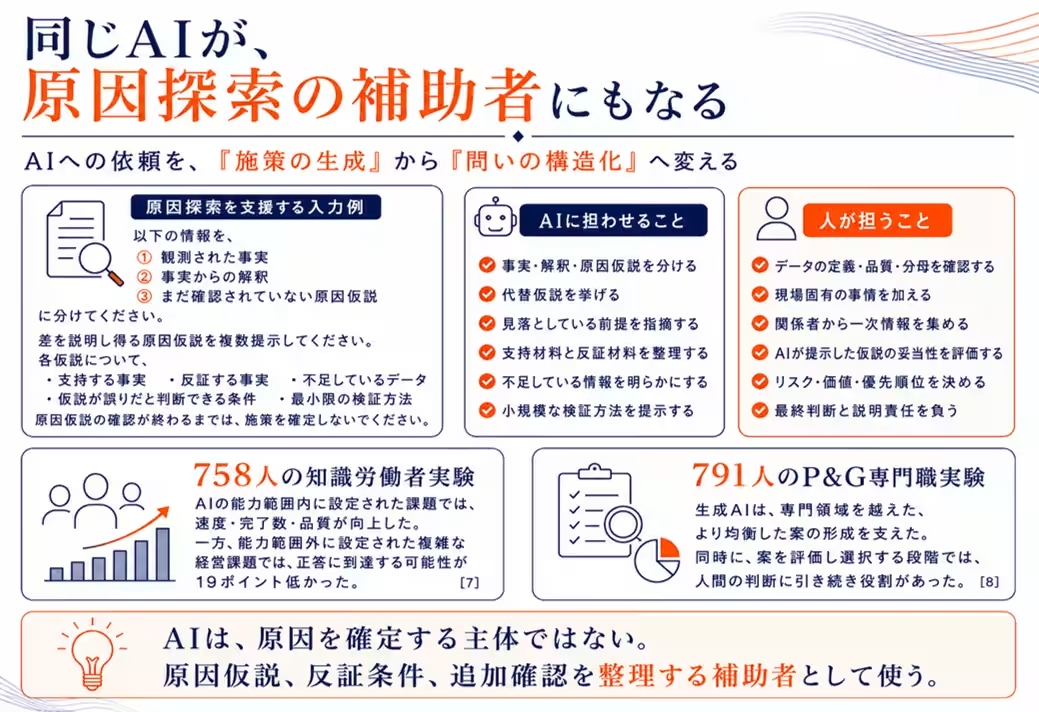
The research data presented within the document indicates that while AI holds great potential as a tool for decision-making, it must not be misused. One of the notable behavioral changes seen is that participants frequently rely on AI to generate immediate answers rather than structuring inquiries that lead to deeper understanding. This disconnect highlights a critical need for organizations to redefine their interaction with AI technologies.
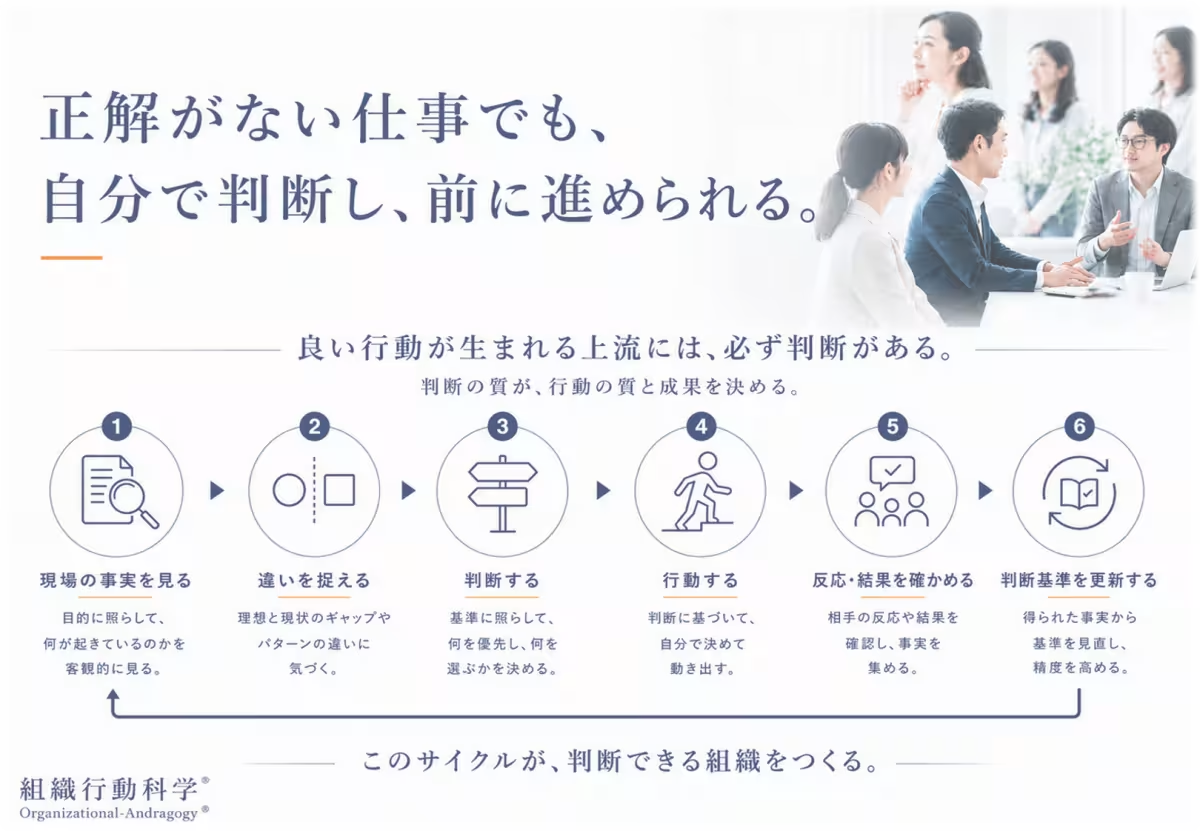
Ideally, leaders should view AI as an auxiliary tool that assists in differentiating between observed facts and interpretations, generating multiple hypotheses, and uncovering gaps in data. For example, rather than merely requesting AI to churn out solutions, it's essential for leaders to employ AI in a way that prompts a structured examination of facts and assumptions underlying the situation.
Recognizing and Addressing the Gap in Inquiry
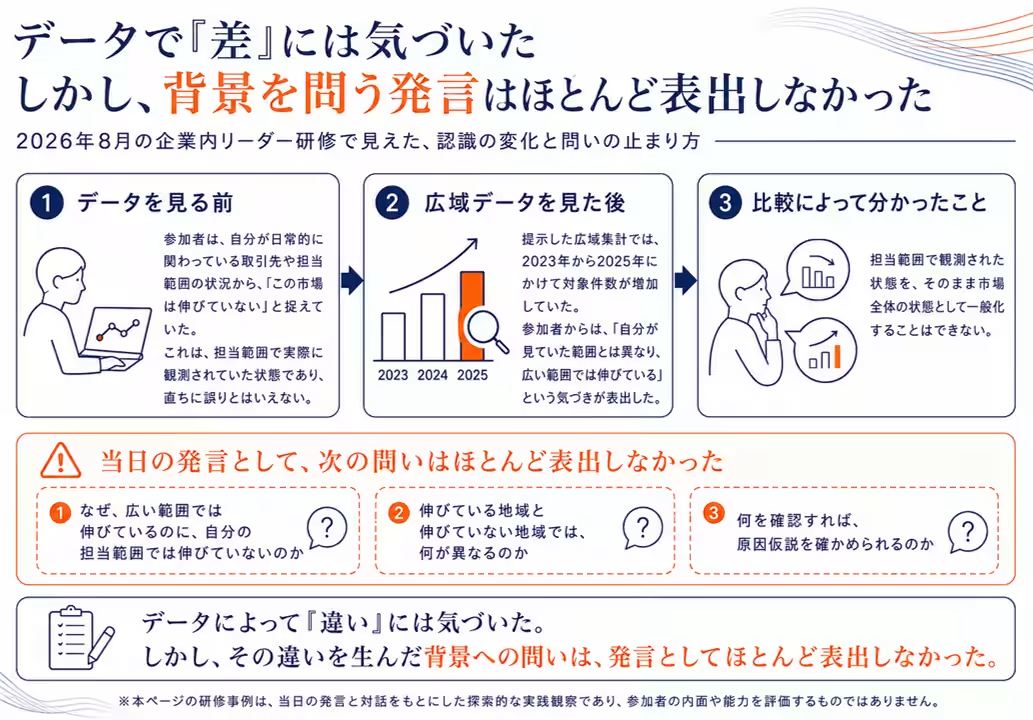
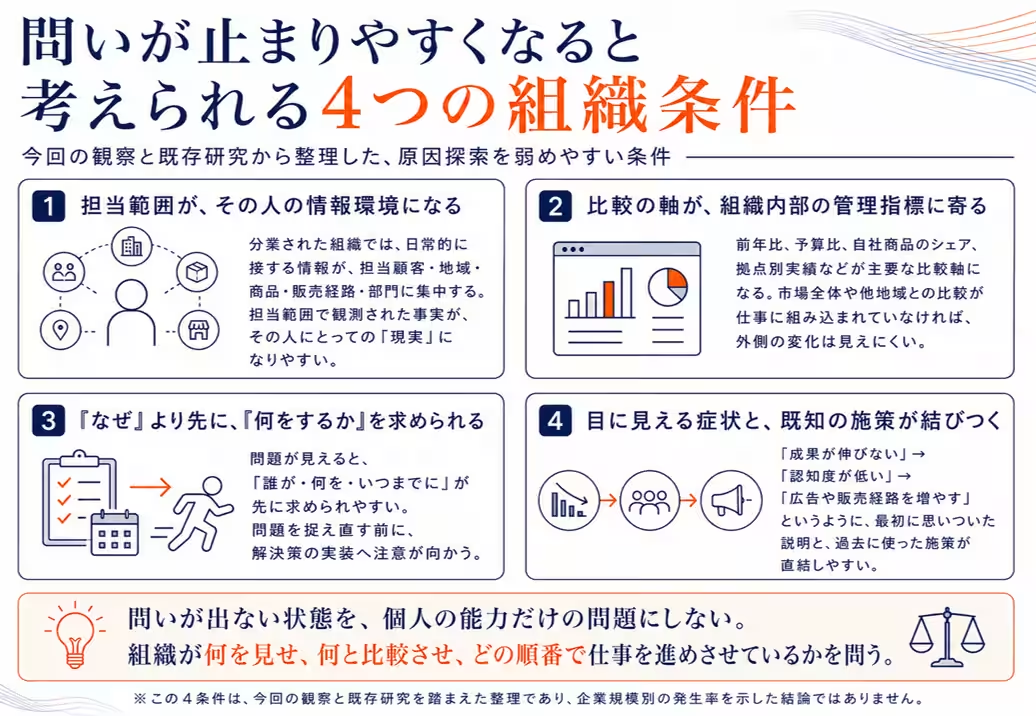
A significant takeaway from the training sessions conducted in August of 2026 is the recognition of a gap in critical inquiry. Even when data reveals significant market growth, many participants expressed surprise when confronted with broader data sets, yet often fell short of asking why their specific areas showed stagnation. This lapse in inquiry is not necessarily indicative of individual capabilities, but rather illuminates a cultural and structural issue within organizations, where asking 'why' appears to be deprioritized.
Structuring Effective Inquiries
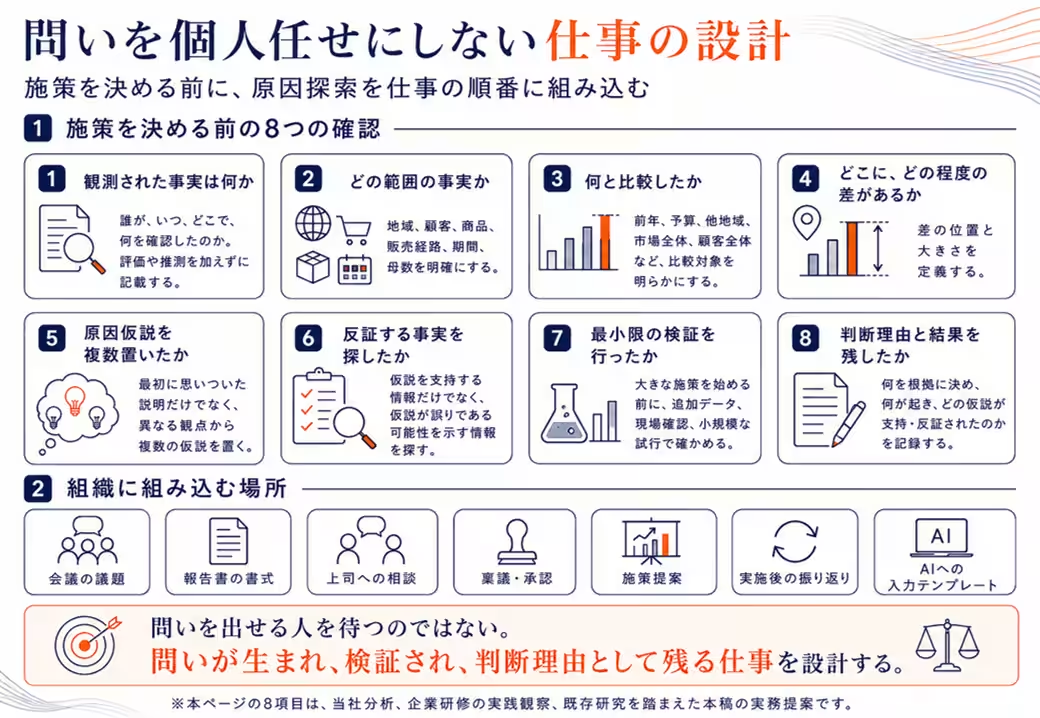
The presented document encourages companies to introduce frameworks that foster inquiry as part of standard operations. This entails embedding inquiry into meetings, reports, and strategic planning stages. The pathway to remedying this lies in not just generating practices that stimulate inquiry but creating environments where questions are welcomed and explored.
Moving Forward in the Age of AI
Moving forward, organizational leaders must consider not only the implementation of AI tools but also their strategic integration into workflows. The real challenge is to reframe AI from merely being a generator of outputs without context, to being a partner in structuring valuable inquiries. A well-structured questioning mechanism is pivotal—it ensures that businesses do not fall into the trap of assumption and misallocation of resources.
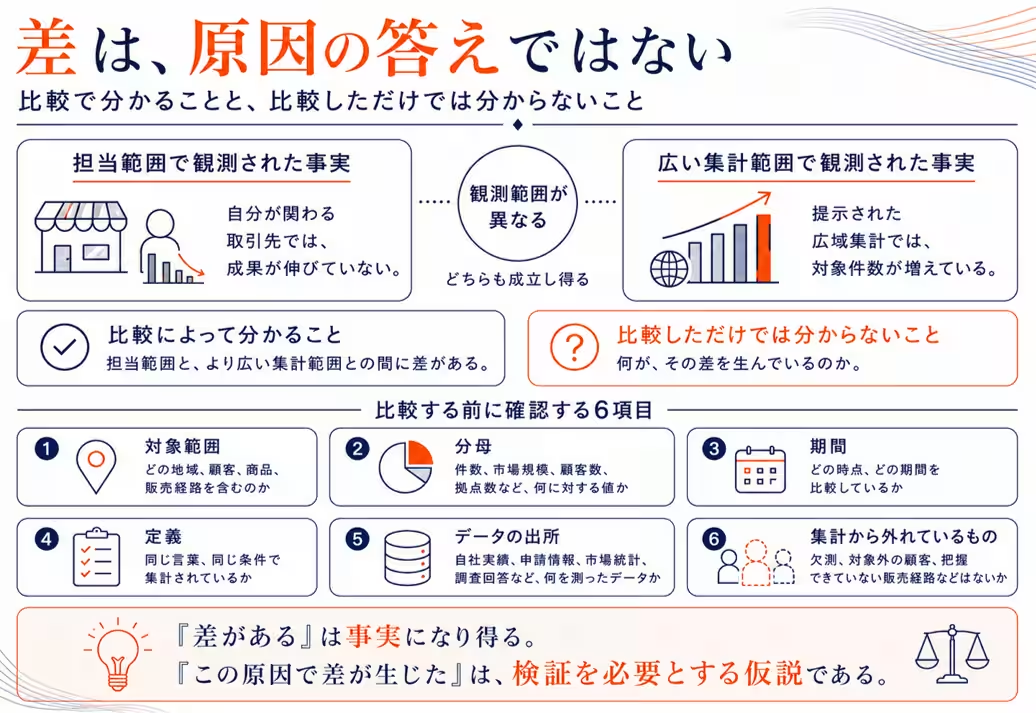
In conclusion, the data highlights that differentiation recognized through AI does not equate to understanding. Companies must ensure they possess the frameworks for inquiry prior to problem-solving initiatives. The future of organizational success lies in a balanced interplay between human insight and AI assistance, where inquiry remains a vital cog in the wheel of progress.


Topics Business Technology)
【About Using Articles】
You can freely use the title and article content by linking to the page where the article is posted.
※ Images cannot be used.
【About Links】
Links are free to use.