



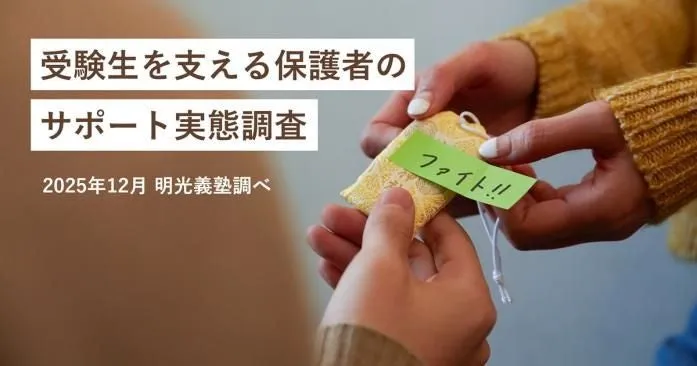
Understanding Parental Pressures During Student Entrance Exams in Japan
Navigating Parental Pressures During Entrance Exams
In Japan, the stressful period of entrance examinations is not only daunting for students but also brings its own set of challenges for parents. According to a recent survey by Meiko Gijuku (明光義塾), a leading tutoring institution, over 1,000 parents of third-year middle school students shared their experiences and concerns regarding the support they provide to their children during this critical time.
Multiple Dimensions of Parental Support
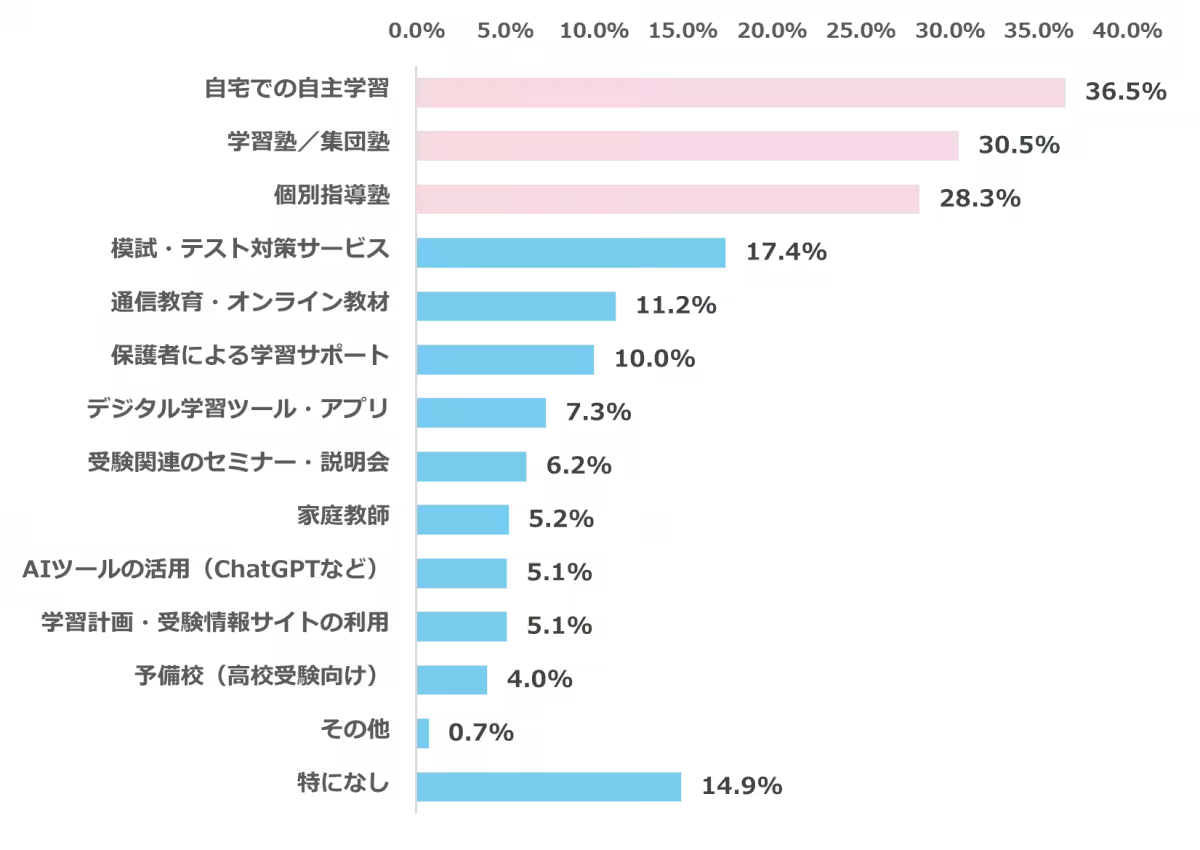
As the examination period approaches, parents often juggle various responsibilities that extend beyond just academic assistance. The findings highlight that parental support comprises three main pillars: self-study, group tutoring, and individual tutoring. Interestingly, while many parents prioritize learning support, they also find themselves deeply engrossed in emotional and physical well-being considerations for their children. Many expressed concerns about how to best support their children without being overly intrusive in their studying routines.
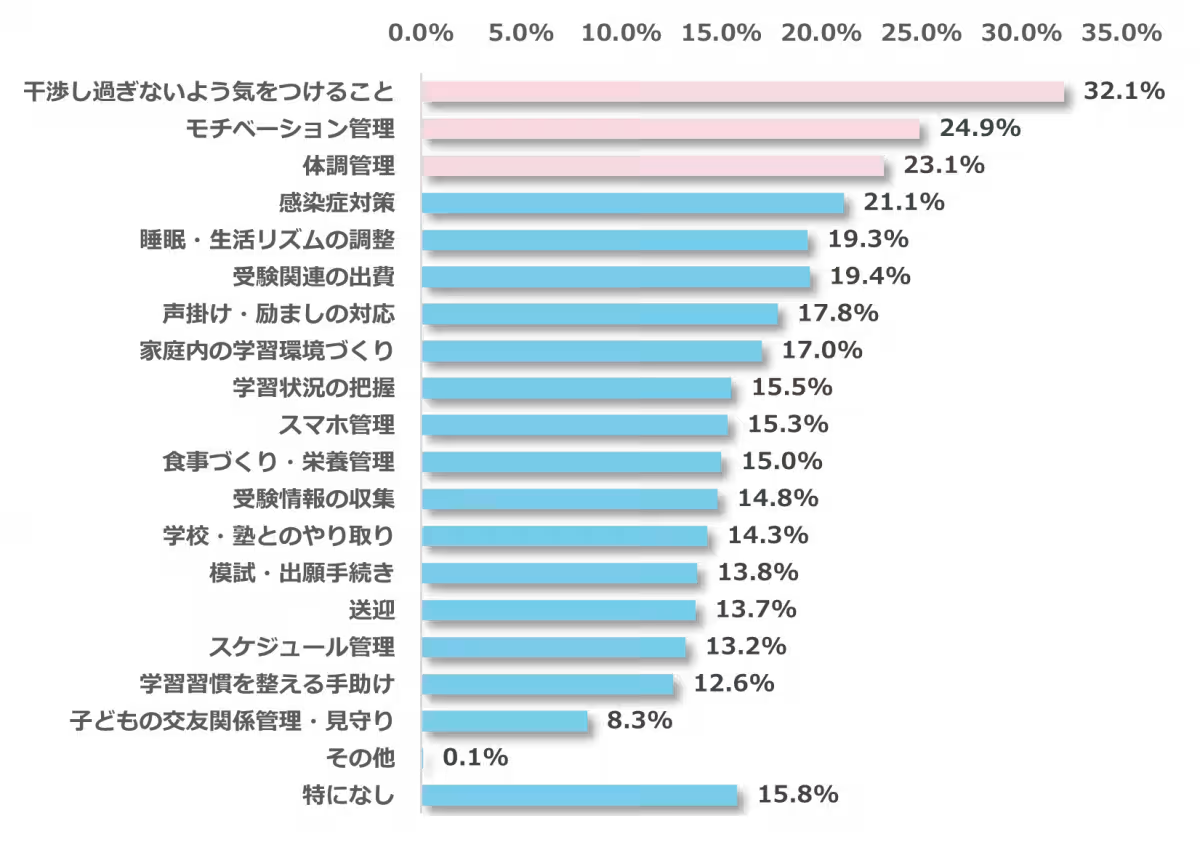
The survey indicated a significant pressure on parents to strike a balance between lending encouragement and not imposing unnecessary stress. Specifically, 32.1% of parents cited the challenge of avoiding excessive interference as their largest burden during this period.
The Weight of Health and Financial Concerns
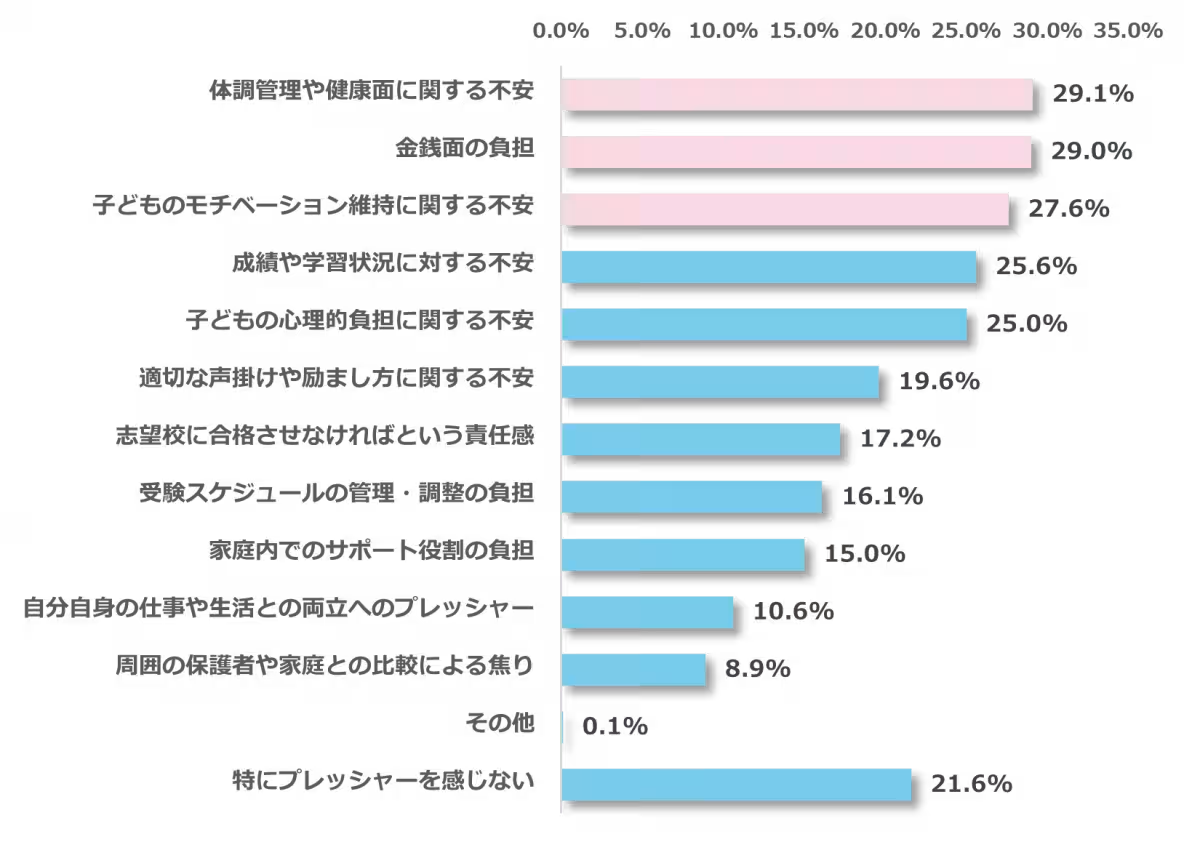
Surprisingly, the survey results revealed that the pressures parents feel might be more about health management and financial worries than academic performance. About 29.1% of respondents expressed worries over health management, closely followed by 29.0% mentioning financial burdens related to their child's education. This indicates that the emotional climate within families often revolves around supporting their children's health and maintaining family finances, rather than solely focusing on grades.
Supporting Mental Well-Being
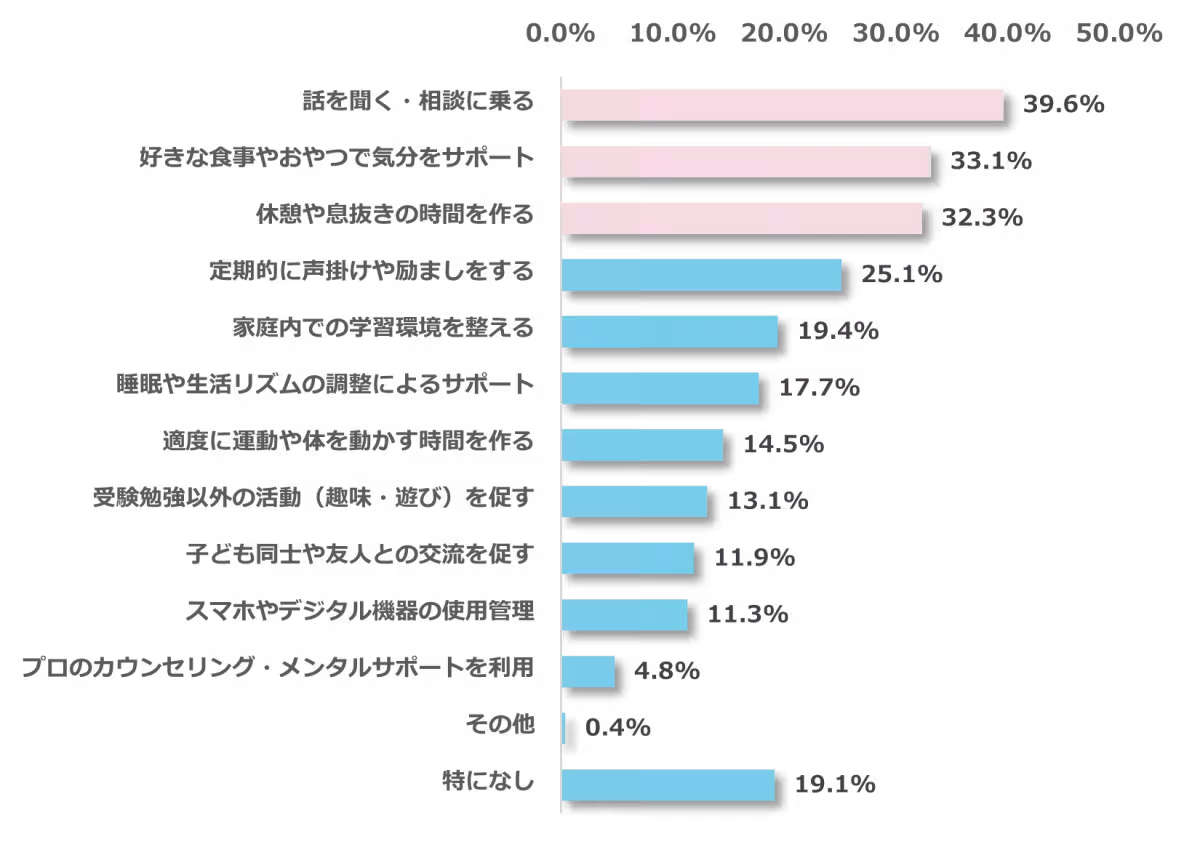
Mental care for students is another crucial aspect highlighted in the survey. The most common way parents provide comfort is through open communication; 39.6% of surveyed parents stated they primarily support their children by listening and offering advice. The role of a reassuring shoulder to lean on appears to be paramount during the rigorous examination preparations, emphasizing the need for mental health considerations alongside academic achievements.
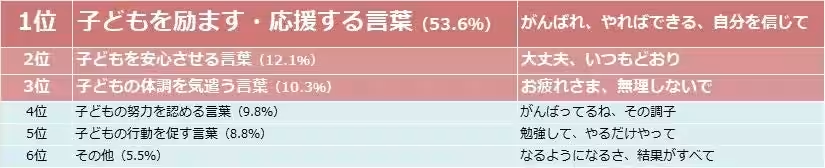
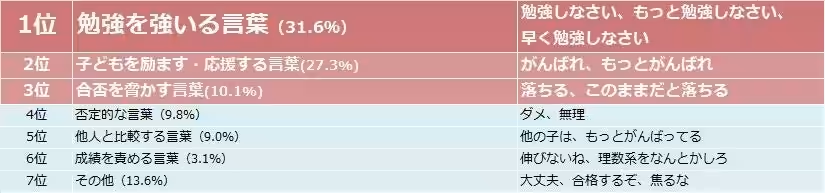
Additionally, the survey highlights that most parents refrain from using pressure tactics. Instead of pushing their children with commands like “study harder!” many choose to offer encouraging phrases such as “you can do it!” which echoes the support structures many families have worked to create.
Insights from the Survey
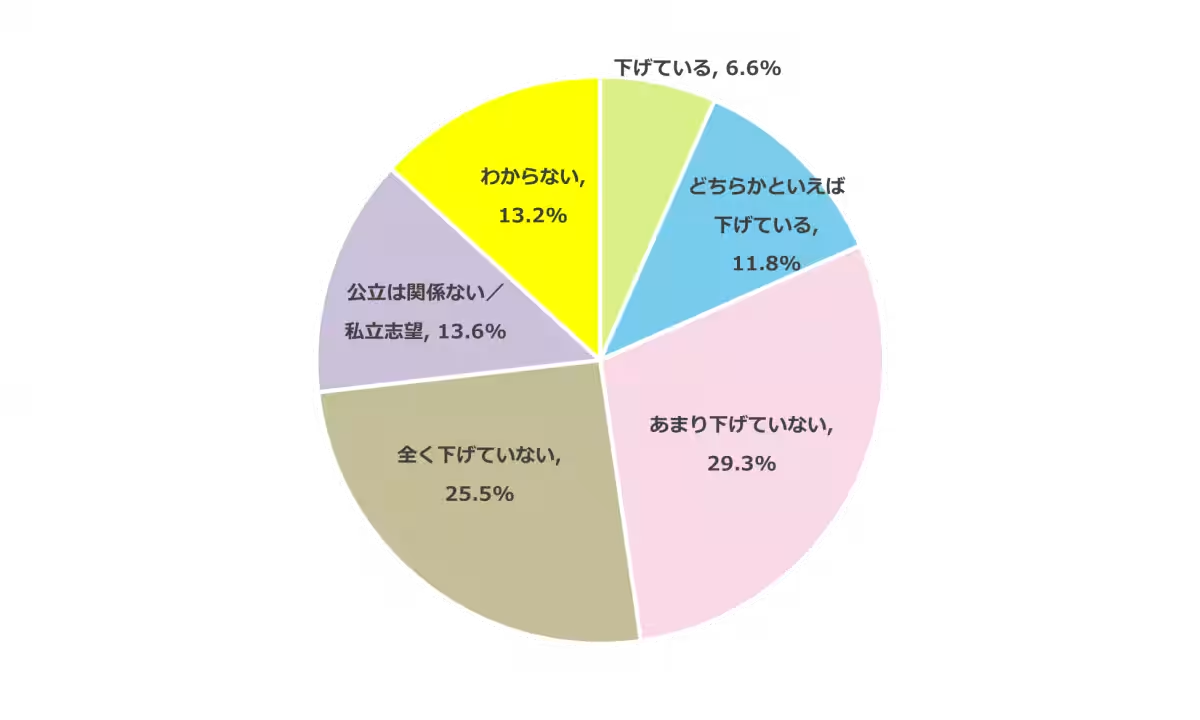
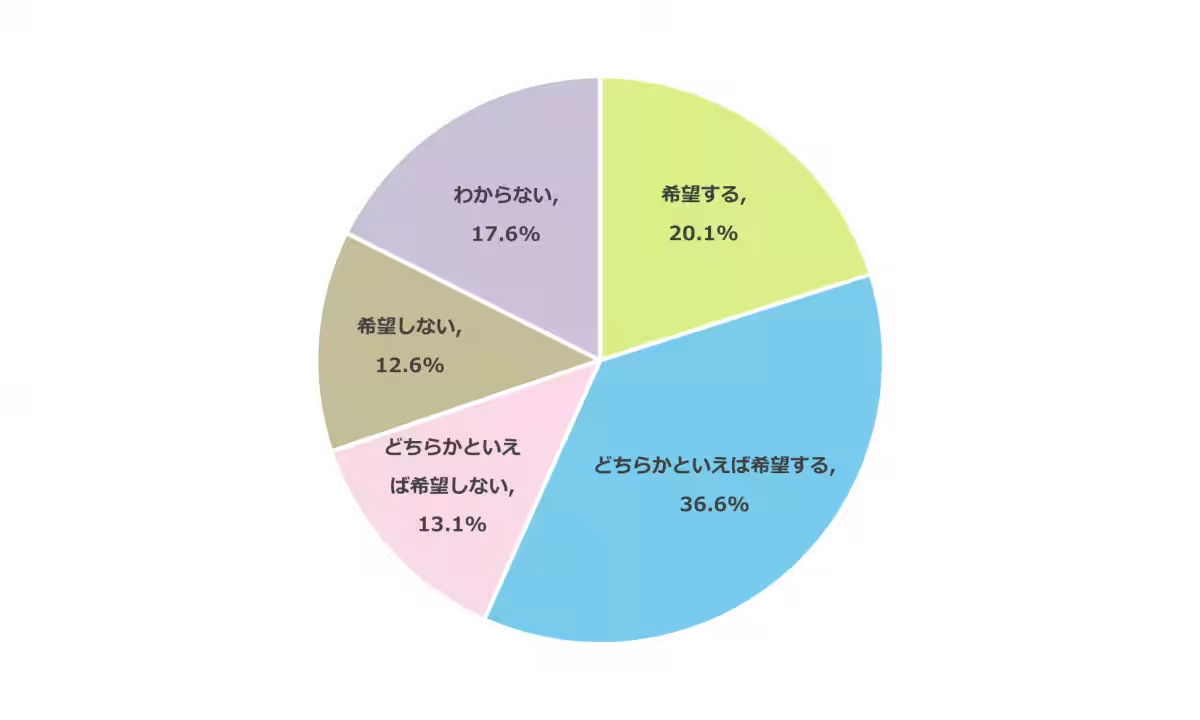
As educational metrics evolve, so too do the dynamics within families. Notably, the survey showed that only 18.4% of parents reported lowering their children's chosen school's difficulty levels due to the new single-track admission system at public schools. Meanwhile, over half of the respondents advocate for digital options in admissions processes, which would simplify application procedures and reduce stress.
Conclusion
Ultimately, the pressures faced by parents during their children's entrance examination periods illustrate a broader perspective on educational support. It is a time laden with expectations—not just about test scores but also about the overall well-being of the student. Recognizing the multidimensional nature of parental involvement is key to fostering a supportive environment for children facing exams. As Meiko Gijuku’s survey indicates, the focus on communication, emotional support, and health management holds paramount importance for families navigating this challenging phase.
Through such understanding, both educators and parents can collaborate effectively, ensuring that students are not only prepared academically but are also supported psychologically and physically. This newfound approach emphasizes the significance of a balanced partnership between parents and children as they tackle the pressures of education together.
Topics Other)
【About Using Articles】
You can freely use the title and article content by linking to the page where the article is posted.
※ Images cannot be used.
【About Links】
Links are free to use.