



Tokyo's Happiness and Liveability Rankings for 2026 Reveal Top Neighborhoods
Happiness and Liveability Rankings 2026 in Tokyo
Daito Kentaku Co., Ltd., headquartered in Minato Ward, Tokyo, has conducted an extensive survey to determine happiness and liveability levels across various neighborhoods in Tokyo. This survey, titled "Happiness Rankings 2026 for Tokyo Areas" and "Liveability Rankings for Tokyo Areas 2026," unveils interesting insights regarding where residents feel content and wish to continue living.
Methodology of the Survey
To arrive at these rankings, a detailed methodology was employed:
- - Happiness Scores: Respondents rated their happiness on a scale from 1 (very unhappy) to 10 (very happy). The average responses were then converted to a score out of 100.
- - Liveability Scores: For this, participants answered whether they wished to continue living in their current neighborhood, with scores ranging from 0 (not at all) to 100 (definitely). The average was calculated to create the rankings.
Both rankings utilized responses from over a five-year period, aggregating data to ensure robust results. In evaluating neighborhoods, only areas with a minimum number of respondents were included to bolster the credibility of the findings.
Key Findings on Happiness Rankings
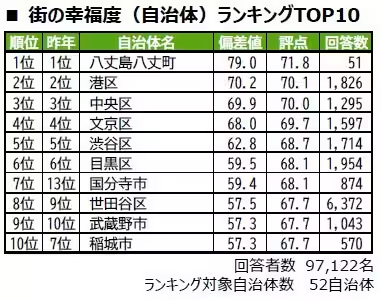
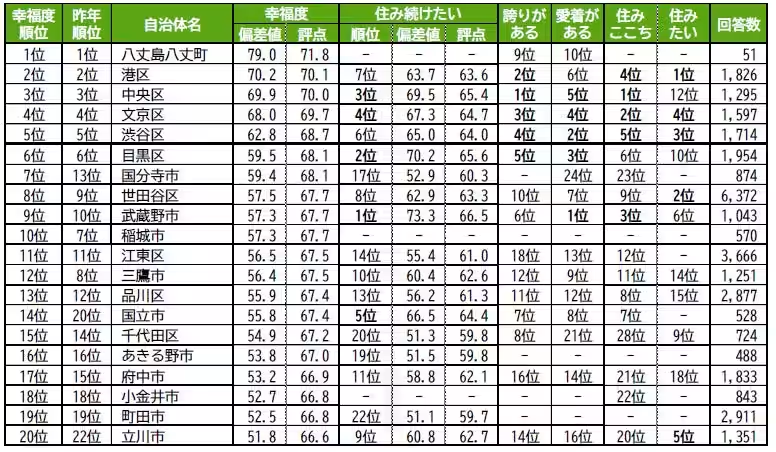
1. Top Happy Area: For the second consecutive year, Hachijo Island's Hachijo Town was identified as the happiest place in Tokyo, garnering high ratings from its residents.
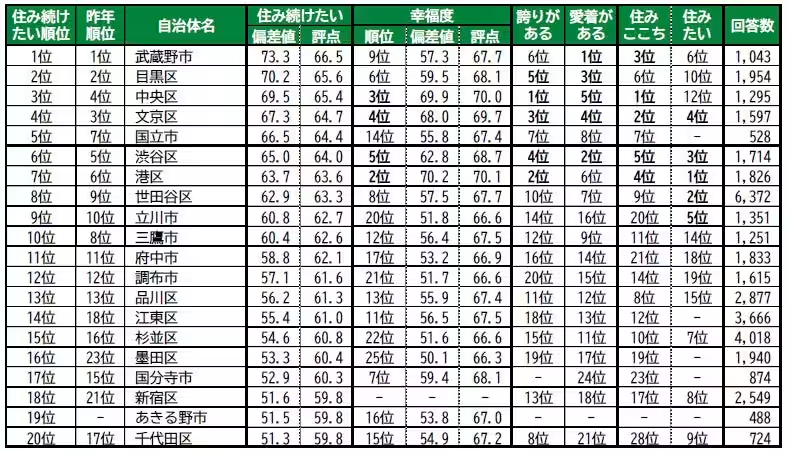
2. Runners-Up: Minato Ward attained second place, with Chuo Ward following closely at third. Notably, Kokubunji City made a significant leap from 13th to 7th place.
3. Overall Trends: The importance of community pride and attachment to one's neighborhood appeared consistently high among the top-ranking areas.
Insights from the Liveability Rankings
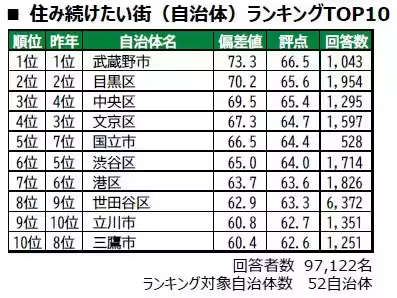
1. Most Desirable Neighborhood: Musashino City maintained the top spot for four consecutive years, demonstrating strong resident attachment and satisfaction with their living conditions.
2. Other Notable Areas: Meguro Ward and Chuo Ward took the second and third spots, respectively, emphasizing an ongoing trend of high desirability in these neighborhoods.
3. Rising Stars: There were impressive movements within the rankings, with various areas demonstrating enhanced scores due to increasing resident satisfaction over the years.
Station-Based Rankings Interpretation
In addition to neighborhood findings, station-related rankings were also made, providing yet another layer of insight.
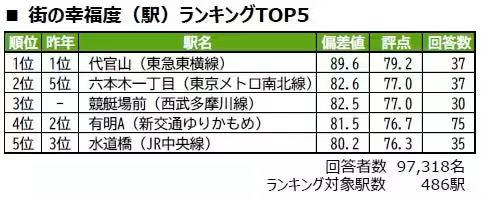
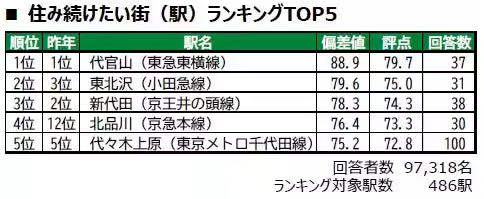
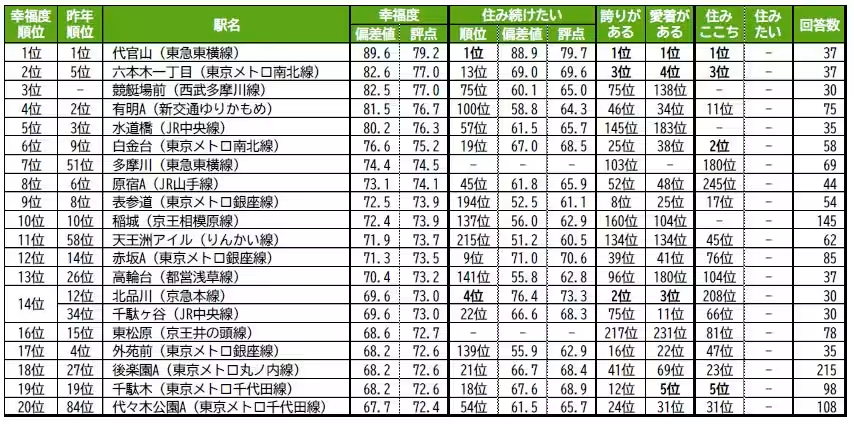
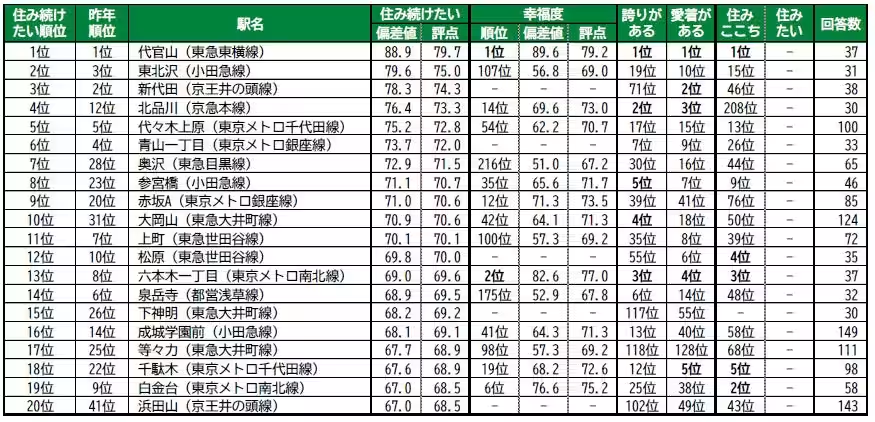
- - Top Station for Happiness: Daikanyama station was recognized as the top station for five years running, showcasing its pull as a favored living area.
- - Emerging Competitors: Not only did established favorites like Roppongi I-chome maintain high rankings, but new entrants such as Kyotei Jo-mae also made their debut in the top three, indicating shifting perceptions of desirability.
Conclusion
The annual residents’ satisfaction surveys highlight that the landscape of happiness and liveability in Tokyo is dynamic and evolving. With communities focusing more on what it means to live in their areas—prioritizing aspects such as pride, attachment, and comfort—Tokyo continues to develop as a desirable city to call home. Notably, neighborhoods like Hachijo Island and Musashino City set the benchmarks for others, fostering communities where residents feel both happy and rooted.
In a time where urban living conditions are vital for mental and emotional well-being, these rankings serve as a guide for understanding which neighborhoods and areas resonate most with Tokyo's inhabitants, paving the way for further developments in urban planning and community initiatives.

Topics People & Culture)
【About Using Articles】
You can freely use the title and article content by linking to the page where the article is posted.
※ Images cannot be used.
【About Links】
Links are free to use.