



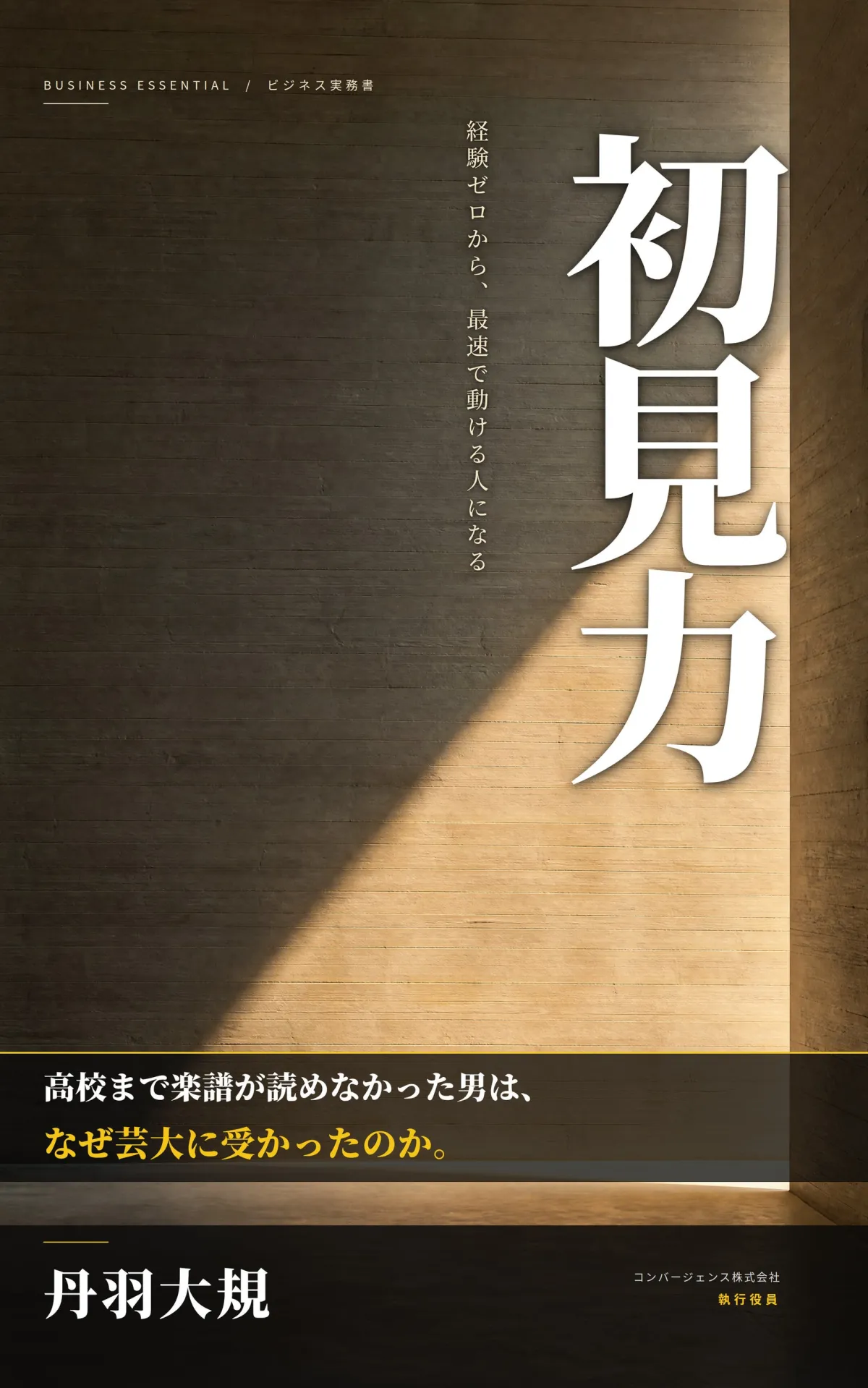
The Remarkable Journey of a Young Man Without Sheet Music Skills to Tokyo Art University
The Remarkable Journey of Daisuke Niwa
In the realm of education and personal growth, few stories are as inspiring as that of Daisuke Niwa, who transformed himself from a high school student with no ability to read sheet music to a graduate of the prestigious Tokyo University of the Arts. His journey of overcoming challenges and adapting to new environments resonates with many who face similar situations in their careers and personal lives.
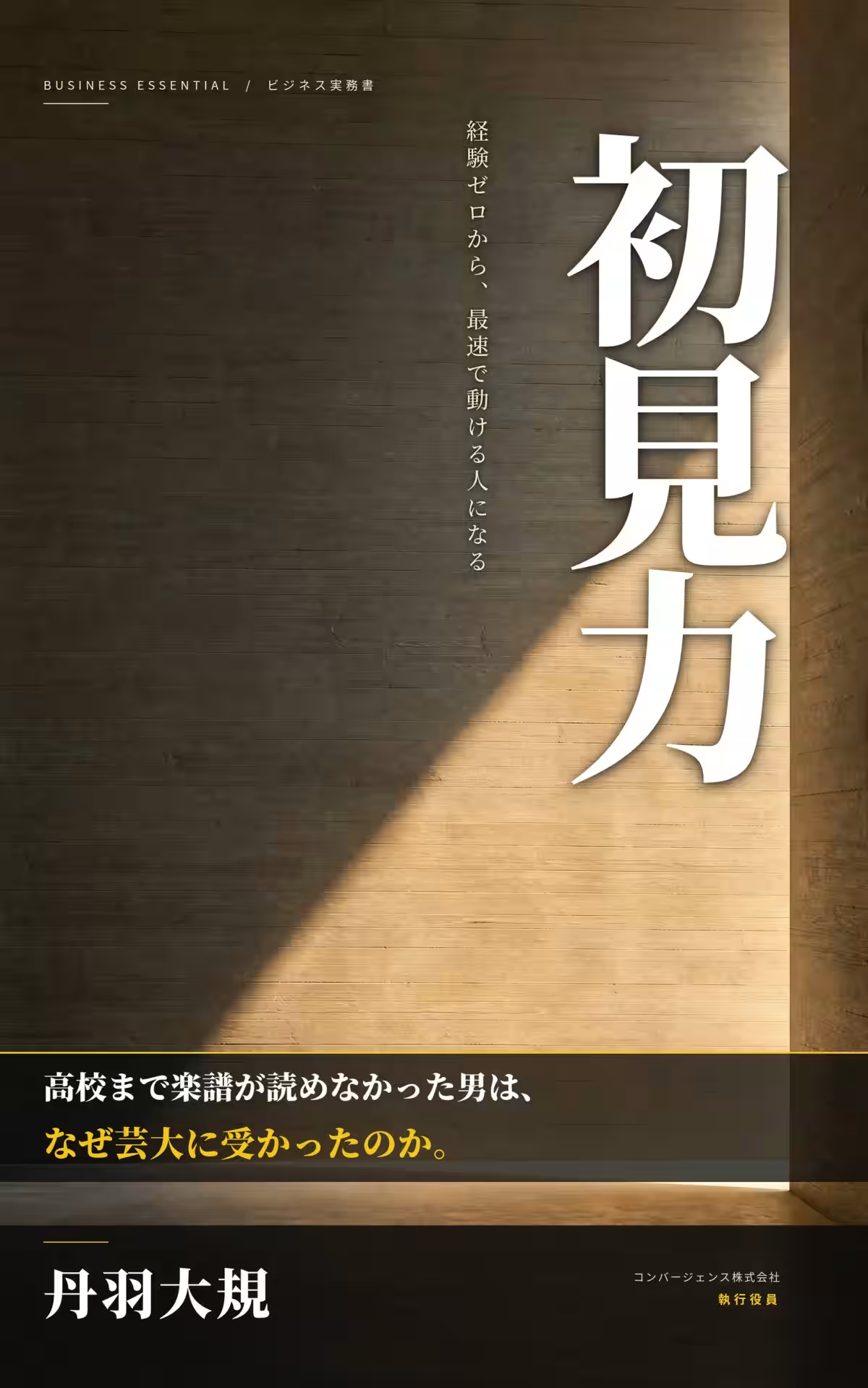
Niwa's latest book, "Shokkenryoku: Becoming the Fastest Moving Person from Zero Experience," attempts to break down his process and provide readers with actionable strategies they can apply to their own lives. This book is not just about music or arts; it focuses on the concept of "shokkenryoku"—the ability to confront and engage with things one has never encountered before.
What is Shokkenryoku?
Throughout his extensive experience as a trainer interacting with over 1,000 individuals, Niwa discovered that the differences in people's growth were not determined by their knowledge or years of experience. Instead, the significant divide lay in how they approached new situations. The essence of shokkenryoku is the ability to engage with the unknown positively and productively, rather than feeling overwhelmed or discouraged.
In the current age of rapid change, whether it’s starting a new job, moving to a different city, or even facing a major life transition, we are often placed in situations where we are expected to perform tasks that are entirely new to us. Thus, strengthening one's shokkenryoku serves as a vital skill to navigate through changes effectively.
Practical Skills in Shokkenryoku
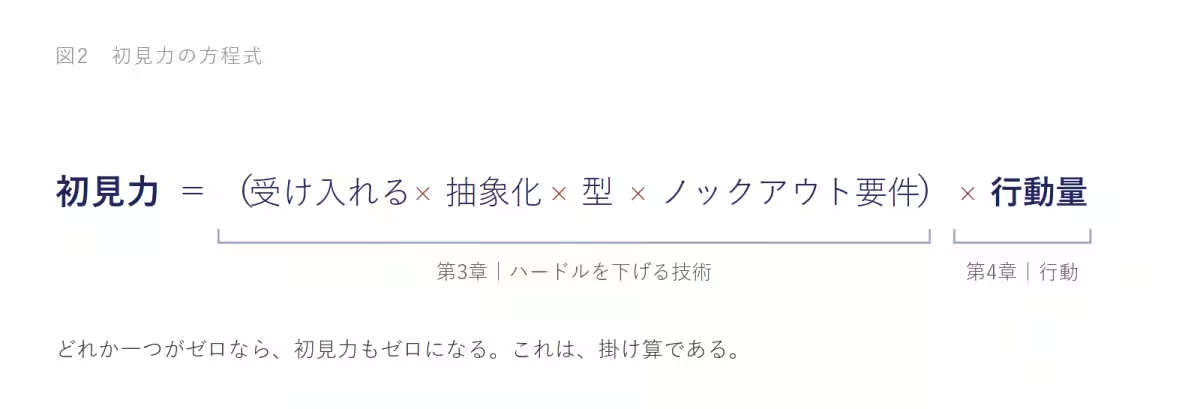
The book outlines various frameworks to help readers develop their shokkenryoku. One of the standout concepts presented is the “knockout requirement.” This concept encourages individuals to set boundaries for potential pitfalls before diving into new experiences, enabling them to feel more secure when taking the initial steps into uncharted territory.
What sets this book apart is its practical approach. Each chapter not only theorizes about shokkenryoku but also provides real-life cases and a comprehensive 30-day program designed to enable readers to practice and strengthen their skills. By the end of the book, readers are encouraged to rethink unfamiliar situations as opportunities rather than risks.
A Personal Experience
Niwa reflects on his own experiences when he initially faced a situation that placed him outside of his comfort zone. For instance, after getting placed in a consulting firm only to be asked to write meeting minutes within a week, he found himself in a panic. However, he learned to adapt quickly each time he was challenged. This feedback loop of learning and improvement became pivotal to his growth.
Engaging Others
The author emphasizes the difference between those who capitalize on new information and those who falter. In one anecdote from a training session, Niwa shared only a single reference to "PMBOK, a project management book. Two weeks later, a participant had not only read the book but had already implemented its strategies in his work. Such examples highlight the essence of shokkenryoku—embracing the mindset to explore beyond the surface of a task.
Conclusion: The Shift in Perspective
As Niwa dives deeper into the concept of shokkenryoku, he makes it clear that the essence of his teachings is change. By fostering an environment that encourages the growth of shokkenryoku, individuals can not only advance their professional skills but also enhance their overall life experiences. Understanding how to tackle the unknown is a skill that anyone can nurture, and through his book, Niwa aims to equip individuals with the tools to succeed in life's unpredictable moments.
The journey of Daisuke Niwa serves as a testament to the resilience of the human spirit and the incredible potential within all of us to learn and grow, no matter how daunting the challenges we may face may appear.
Topics People & Culture)
【About Using Articles】
You can freely use the title and article content by linking to the page where the article is posted.
※ Images cannot be used.
【About Links】
Links are free to use.