



Exploring Parental Perspectives on Generative AI in High School Education
In September 2025, Hanji Corporation, based in Tokyo and known for its AI tutor "Knock", conducted a survey that sheds light on parental attitudes towards the use of generative AI in high school education. The survey targeted parents of high school students, and the results reveal both optimism and apprehension about this innovative learning tool.
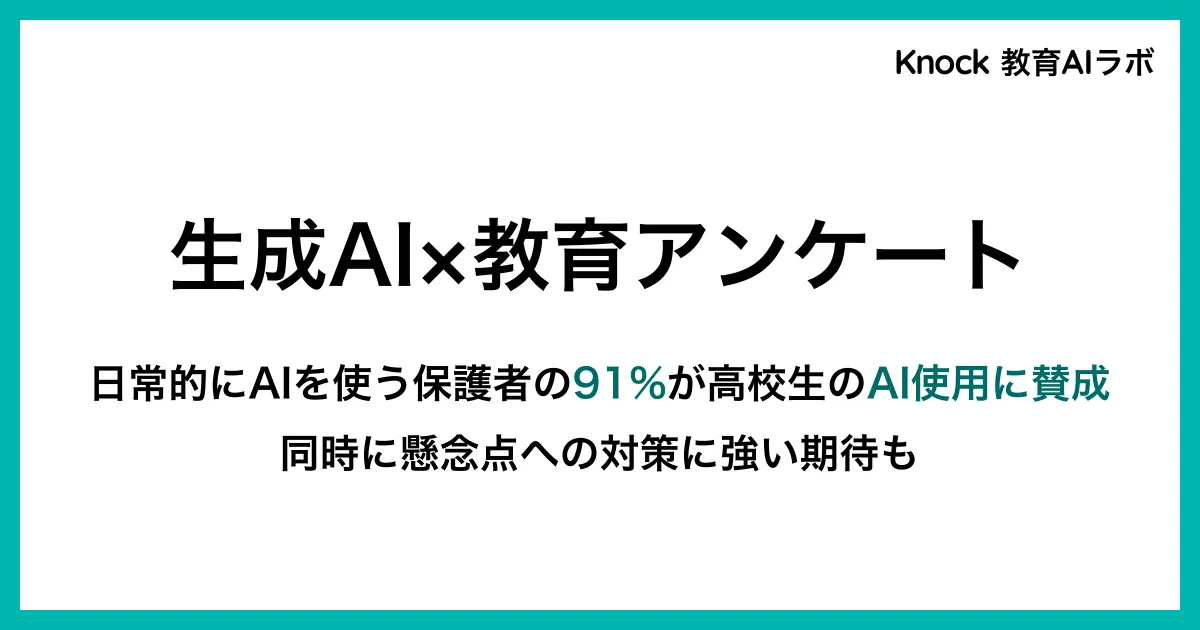
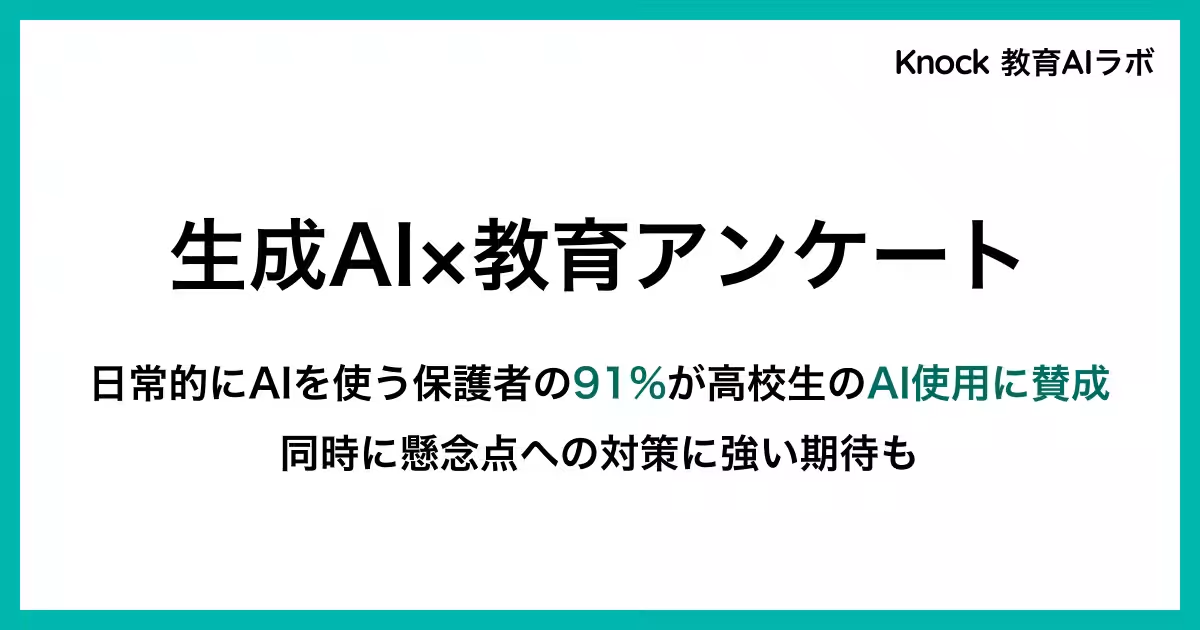
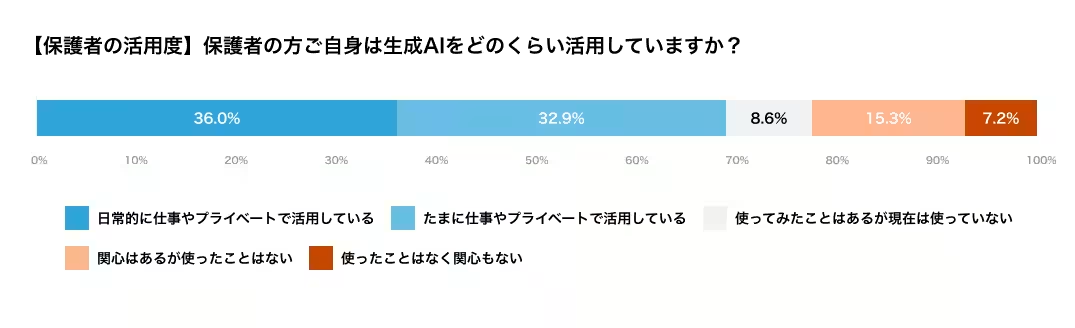
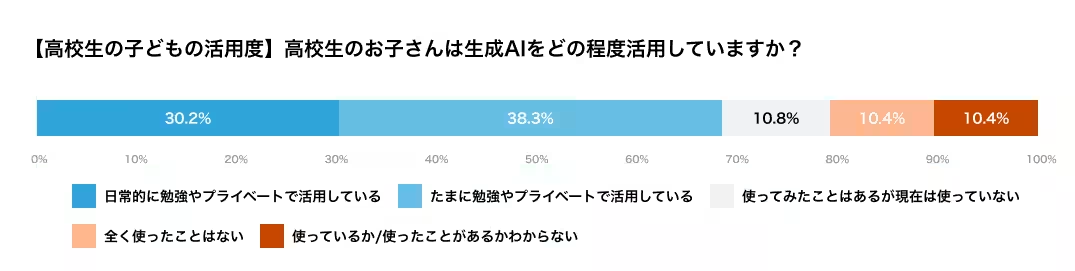
The findings show that an impressive 69% of parents actively use generative AI, either regularly or occasionally, and the same percentage applies to their children’s usage. This figure indicates a growing acceptance and integration of AI into daily life. Moreover, when asked about their stance on generative AI in their children’s education, 69% of parents expressed support, stating they either agree or somewhat agree with its use. Notably, parents who frequently utilize generative AI themselves are more likely to endorse its application in academic settings. Among those who use AI daily, 91% support its use for their children, while 74% of occasional users feel similarly.
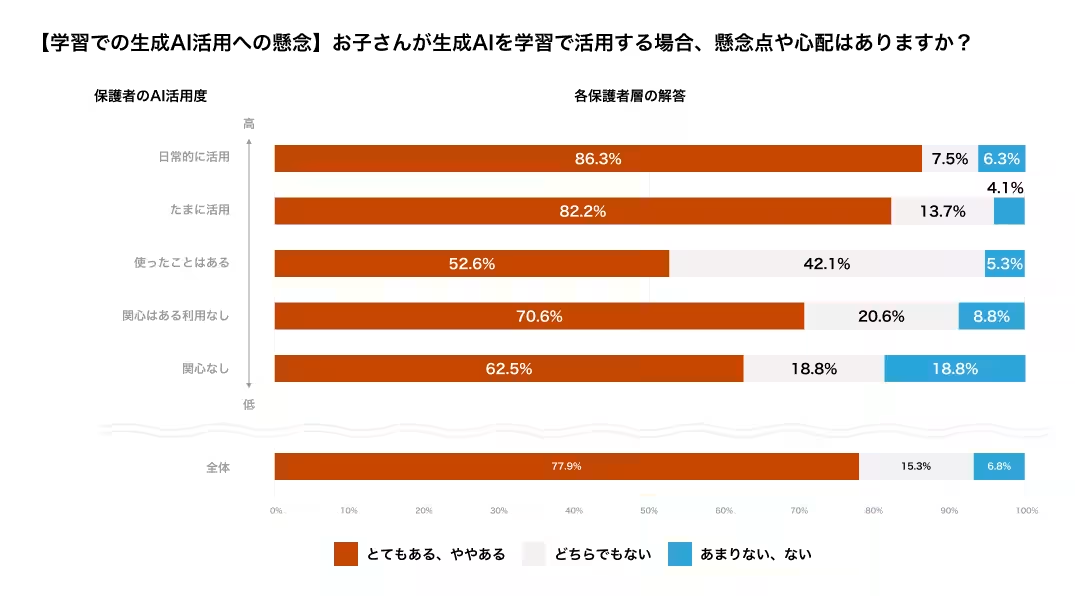
Despite this positive outlook, a considerable portion of parents, 77%, expressed concerns regarding the use of generative AI, particularly those who reported using it regularly—86% admitted to having reservations. This dichotomy highlights that while there is a general consensus supporting the use of AI for educational purposes, deep-rooted anxieties linger.
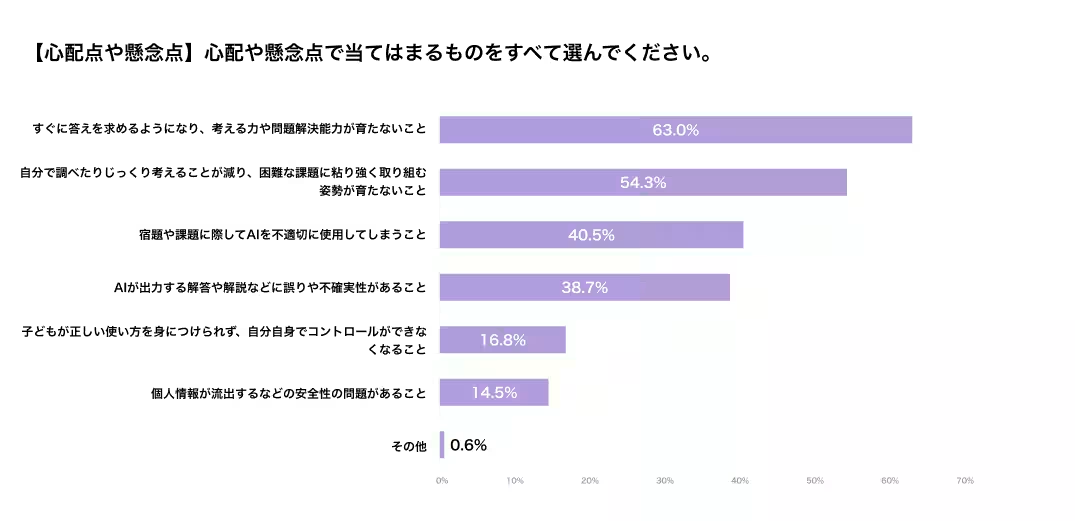
The primary concerns identified by parents focus on the potential negative impacts on cognitive development. Specifically, 63% worry that reliance on instant AI responses could hinder the development of critical thinking and problem-solving skills. Furthermore, 54% expressed apprehension that students may miss out on learning resilience and persistence in tackling difficult challenges without actively engaging in research or critical thinking.
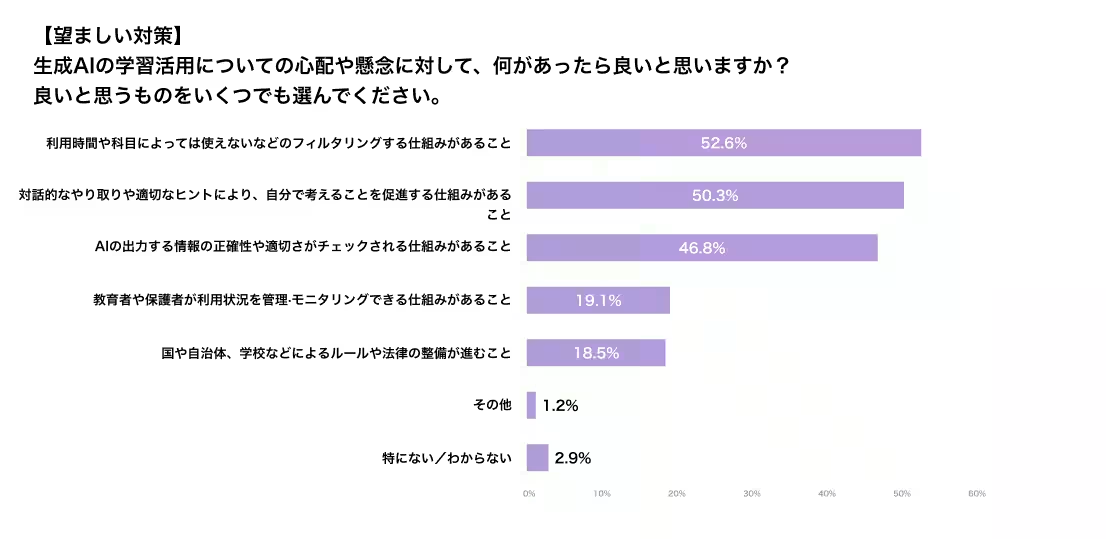
Parents also indicated a desire for specific functionalities and guidelines to enhance their children's learning experiences with generative AI. Filtering mechanisms were favored by 52.6% of respondents, while 50.3% desired systems that encourage independent thinking.
Naoto Tsujimoto, Director of the Knock Educational AI Lab, provided insights into these findings. He noted that while 68% of parents support the use of generative AI in education, the prevalent concerns about its impact on student learning style are significant. The fear that generative AI could undermine critical thinking and perseverance in students is prevalent. To address these issues, parents seek filtering tools and mechanisms that promote independent thought.
The survey results reflect a reality where generative AI has already woven itself into the fabric of many students' learning environments. However, as these technologies evolve, so too must our approaches to ensuring they are used responsibly and effectively in education. The statistics are striking: 91% of parents who frequently use generative AI are in favor of its applications for their children, yet 86% harbor concerns about its implications, suggesting a complicated relationship with emerging technologies. This scenario mirrors the past experiences with smartphones and social media, prompting important discussions regarding balancing convenience with associated risks.
Tsujimoto emphasizes the importance of providing parents and educators with opportunities to engage with generative AI in a manageable way. Through shared learning experiences and accessible training, stakeholders can explore practical applications of AI without feeling overwhelmed. Furthermore, allowing children to experiment with generative AI under specific guidelines can facilitate a better understanding of its benefits and limitations.
The current landscape already includes age restrictions for various services, typically limiting usage to those aged 13 and up with parental consent. As the Ministry of Education plans to issue guidelines on the use of generative AI in education by December 2024, discussions involving parents, schools, and students are just beginning. Moving forward, it's critical to balance the design of AI integration strategies with addressing any challenges that may arise.
In executing specific strategies, collaboration between stakeholders—parents, educators, and developers—is vital. Enhancing literacy regarding AI use among parents, educators, and students, and establishing clear operational guidelines is essential. Simultaneously, system developers should focus on improving features that promote contemplative learning, such as filters, monitoring systems, and time management tools. These improvements must be approached collaboratively, reflecting the voices and needs of those using the technology.
As generative AI becomes increasingly embedded in student learning experiences, the entire education sector must move swiftly to establish rules, improve literacy education, and advance functionality. The collective goal should be to maximize the benefits of AI while minimizing its risks to foster a productive learning environment for generations to come.
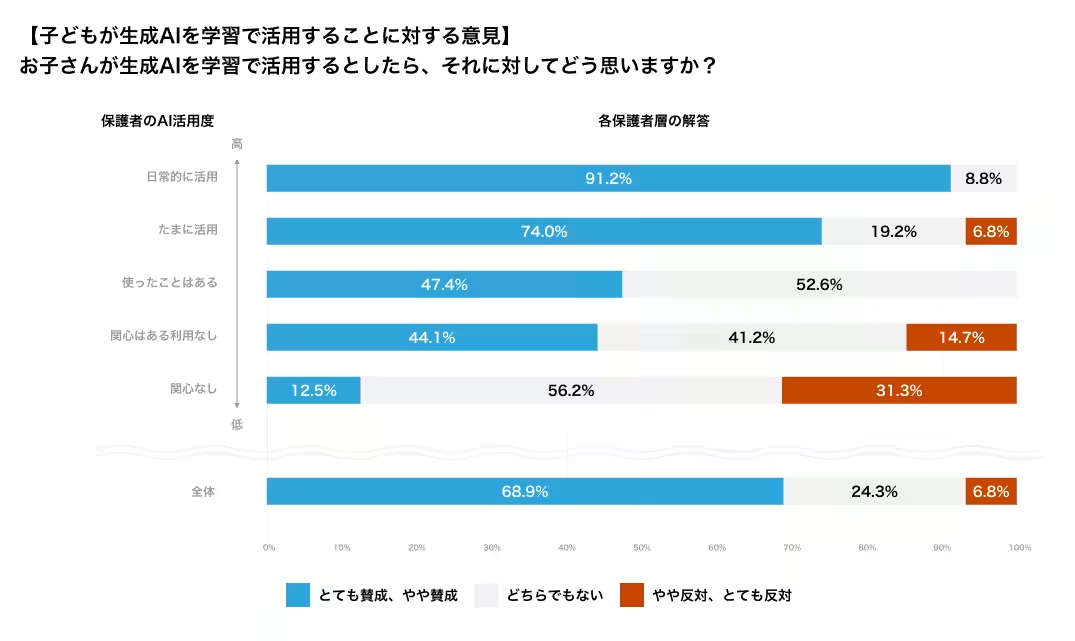
The findings show that an impressive 69% of parents actively use generative AI, either regularly or occasionally, and the same percentage applies to their children’s usage. This figure indicates a growing acceptance and integration of AI into daily life. Moreover, when asked about their stance on generative AI in their children’s education, 69% of parents expressed support, stating they either agree or somewhat agree with its use. Notably, parents who frequently utilize generative AI themselves are more likely to endorse its application in academic settings. Among those who use AI daily, 91% support its use for their children, while 74% of occasional users feel similarly.
Despite this positive outlook, a considerable portion of parents, 77%, expressed concerns regarding the use of generative AI, particularly those who reported using it regularly—86% admitted to having reservations. This dichotomy highlights that while there is a general consensus supporting the use of AI for educational purposes, deep-rooted anxieties linger.
The primary concerns identified by parents focus on the potential negative impacts on cognitive development. Specifically, 63% worry that reliance on instant AI responses could hinder the development of critical thinking and problem-solving skills. Furthermore, 54% expressed apprehension that students may miss out on learning resilience and persistence in tackling difficult challenges without actively engaging in research or critical thinking.
Parents also indicated a desire for specific functionalities and guidelines to enhance their children's learning experiences with generative AI. Filtering mechanisms were favored by 52.6% of respondents, while 50.3% desired systems that encourage independent thinking.
Naoto Tsujimoto, Director of the Knock Educational AI Lab, provided insights into these findings. He noted that while 68% of parents support the use of generative AI in education, the prevalent concerns about its impact on student learning style are significant. The fear that generative AI could undermine critical thinking and perseverance in students is prevalent. To address these issues, parents seek filtering tools and mechanisms that promote independent thought.
The survey results reflect a reality where generative AI has already woven itself into the fabric of many students' learning environments. However, as these technologies evolve, so too must our approaches to ensuring they are used responsibly and effectively in education. The statistics are striking: 91% of parents who frequently use generative AI are in favor of its applications for their children, yet 86% harbor concerns about its implications, suggesting a complicated relationship with emerging technologies. This scenario mirrors the past experiences with smartphones and social media, prompting important discussions regarding balancing convenience with associated risks.
Tsujimoto emphasizes the importance of providing parents and educators with opportunities to engage with generative AI in a manageable way. Through shared learning experiences and accessible training, stakeholders can explore practical applications of AI without feeling overwhelmed. Furthermore, allowing children to experiment with generative AI under specific guidelines can facilitate a better understanding of its benefits and limitations.
The current landscape already includes age restrictions for various services, typically limiting usage to those aged 13 and up with parental consent. As the Ministry of Education plans to issue guidelines on the use of generative AI in education by December 2024, discussions involving parents, schools, and students are just beginning. Moving forward, it's critical to balance the design of AI integration strategies with addressing any challenges that may arise.
In executing specific strategies, collaboration between stakeholders—parents, educators, and developers—is vital. Enhancing literacy regarding AI use among parents, educators, and students, and establishing clear operational guidelines is essential. Simultaneously, system developers should focus on improving features that promote contemplative learning, such as filters, monitoring systems, and time management tools. These improvements must be approached collaboratively, reflecting the voices and needs of those using the technology.
As generative AI becomes increasingly embedded in student learning experiences, the entire education sector must move swiftly to establish rules, improve literacy education, and advance functionality. The collective goal should be to maximize the benefits of AI while minimizing its risks to foster a productive learning environment for generations to come.
Topics Other)
【About Using Articles】
You can freely use the title and article content by linking to the page where the article is posted.
※ Images cannot be used.
【About Links】
Links are free to use.