



Lotte and Docomo Successfully Validate Targeting Coupons Using Marketing Technology
A New Era of Targeted Marketing: Lotte and Docomo's Voucher Distribution Experiment
In a groundbreaking collaboration, Lotte Corporation and NTT Docomo have successfully completed a trial utilizing Docomo's virtual marketing technology aimed at refining the targeting methods used in coupon distribution. This venture marks the first time a virtual approach has been harnessed for advertising targets and coupon releases, employing innovative strategies to understand consumers better.
Context of the Experiment
Understanding consumers is paramount in the realm of marketing, as it enables companies to perform effective market research and make informed decisions. Traditionally, firms have utilized methods such as analyzing shipment numbers or customer questionnaires to gather consumer insights. However, these approaches often fall short, particularly when it comes to targeting specific groups, such as those who have never purchased certain products. Lotte recognized the challenges encountered while trying to reach these potential customers lacking purchase history.
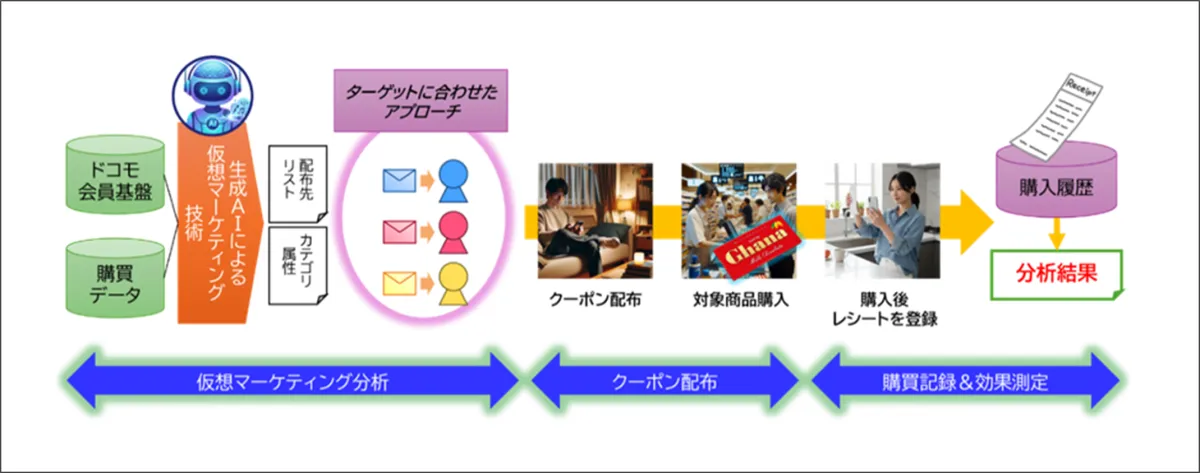
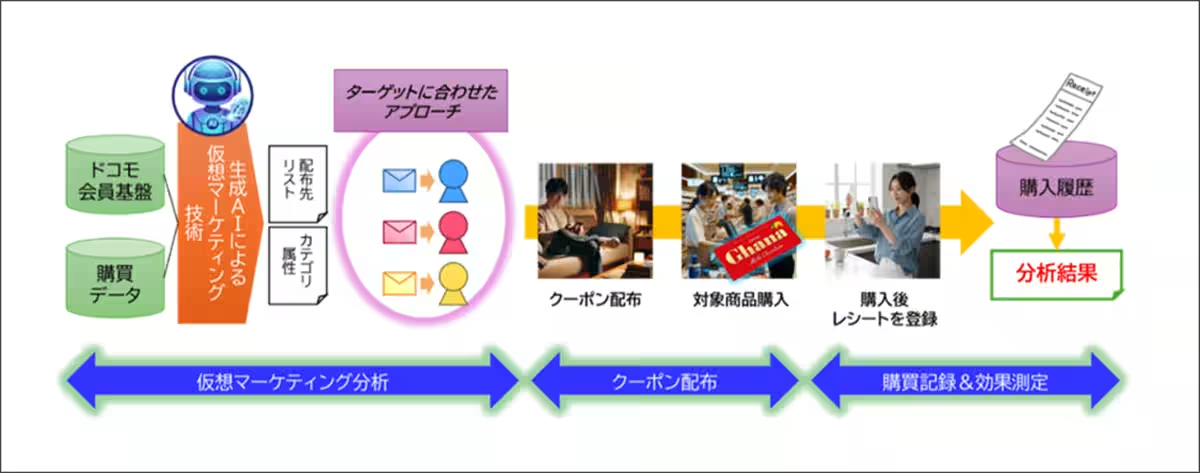
To tackle this conundrum, Lotte partnered with Docomo to leverage virtual marketing technology, which allows the creation of hypothetical consumer profiles or "virtual customers" based on existing data. In this experiment, they generated virtual customer profiles and conducted surveys to glean insights into their preferences and behaviors, particularly regarding the Ghanan Chocolate Series, which had never been purchased before by these individuals.
Overview of the Experiment
The experiment took place from January 15 to February 14, 2026. Initially, Docomo used demographic information tied to its d-account members, including age and gender data, alongside purchase data to create profiles for 1,240 virtual customers presumed to have no history of buying the Ghana Chocolate Series. Insights were gathered about factors influencing chocolate purchases, like price sensitivity, preference, and brand recognition, allowing the researchers to categorize these virtual customers into three clusters:
1. Price-Sensitive Cluster (focuses on price)
2. Preference Cluster (prioritizes individual tastes)
3. Brand Awareness Cluster (values recognition of the product)
Subsequently, approximately 2 million real customers with similar attributes were identified for targeted coupon distribution through the d-payment and d-point club apps. The objective was to analyze the click-through rate for coupon displays and the purchase rates recorded before and after coupon distribution. This data would reveal how effectively the virtual marketing technology could engage potential customers, particularly those who had never bought the Ghana Chocolate Series.
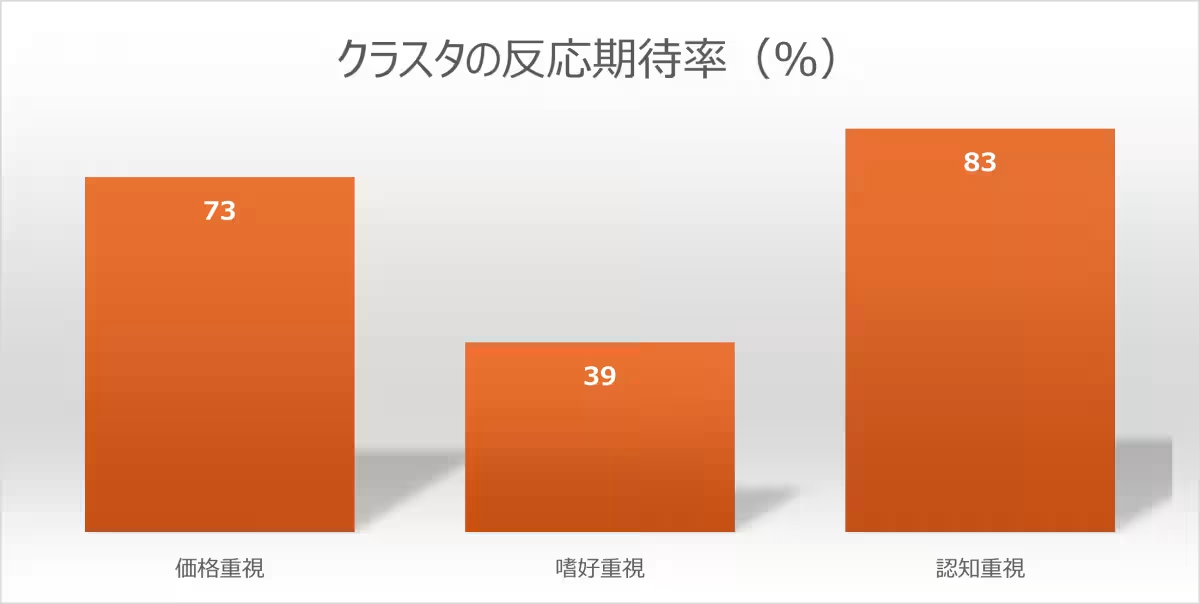
In addition, before releasing the coupons, the team predicted each cluster's engagement likelihood based on their established characteristics, referred to as the "Response Expectancy Rate." Results indicated that the Preference Cluster was likely to respond less favorably to the coupons compared to other segments, validating the necessity for tailored approaches based on consumer motivations.
Results of the Experiment
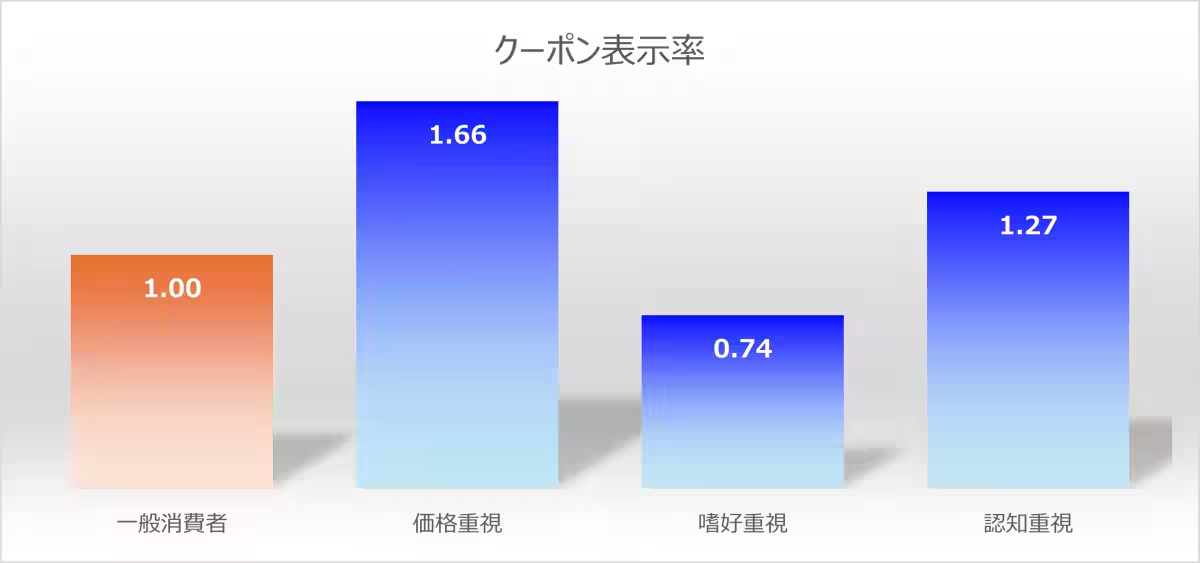
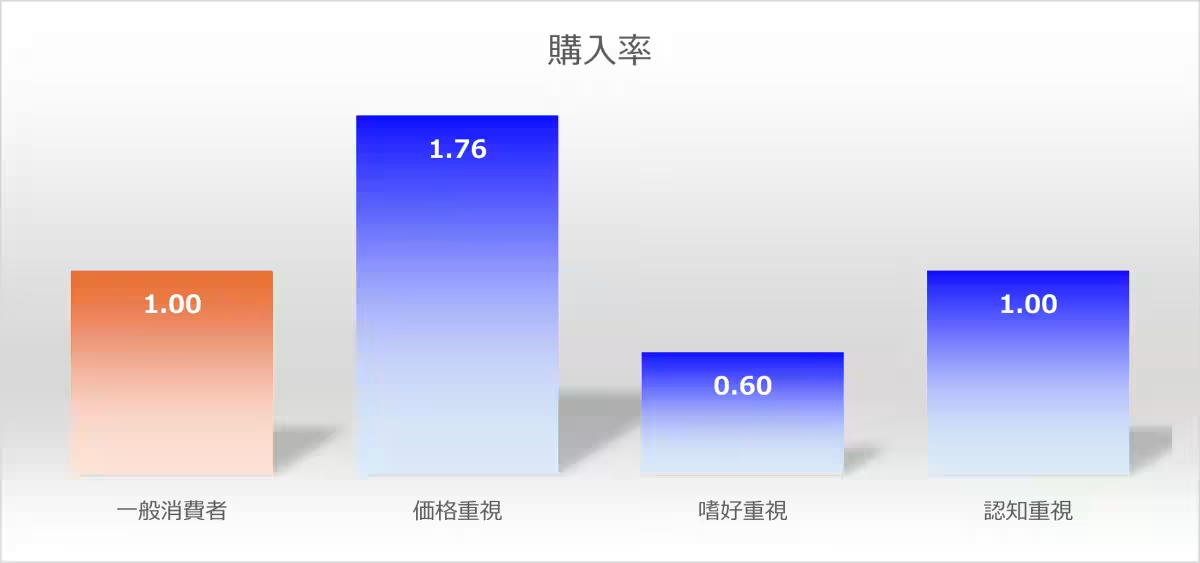
The findings were illuminating. The Price-Sensitive Cluster demonstrated tremendous engagement, achieving a coupon display rate 1.66 times higher and a purchase rate 1.76 times higher compared to the random group of general consumers. Meanwhile, the Preference Cluster exhibited lower responsiveness, with a coupon display rate of 0.74 times and a purchase rate of 0.60 times that of the general group, confirming prior expectations.
The results underscored the effectiveness of the virtual marketing technology in delivering nuanced understandings of previously unacquainted customers and crafting strategies to engage them optimally. The trial's success encourages future applications of virtual marketing technologies to enhance personalized targeting and consumer outreach.
Conclusion
Both Lotte and Docomo are keen to integrate the insights gained from this experiment into their broader marketing strategies, aiming to develop and deliver marketing support services that utilize this advanced virtual marketing technology. This collaboration heralds a forward-thinking approach to understanding consumers and maximizing marketing efficiency.
Company Overviews
Lotte Corporation
- - CEO: Hidetaka Nakajima
- - Headquarters: Shinjuku, Tokyo
- - Main Products: Manufacturing and sales of gum, chocolate, candy, biscuits, and ice cream.
- - Website: Lotte
NTT Docomo
- - CEO: Yoshitaka Maeda
- - Headquarters: Chiyoda, Tokyo
- - Main Business: Telecommunications and smart life services.
- - Website: Docomo
Topics Consumer Products & Retail)
【About Using Articles】
You can freely use the title and article content by linking to the page where the article is posted.
※ Images cannot be used.
【About Links】
Links are free to use.