



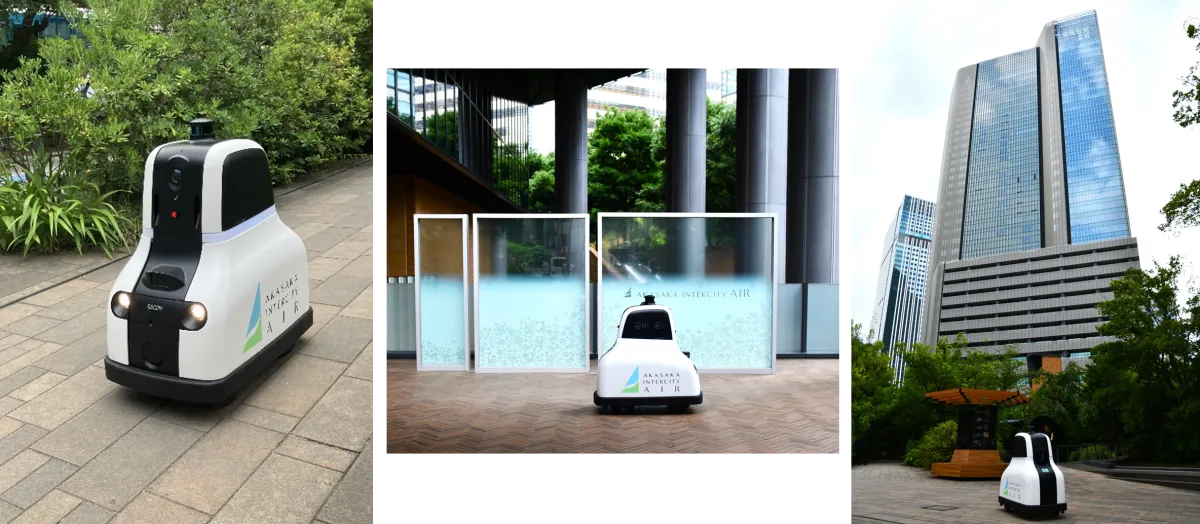
Japan's First Remote-Controlled Security Robot to Patrol Public Roads
Introduction of Japan’s First Remote-Controlled Patrol Robot
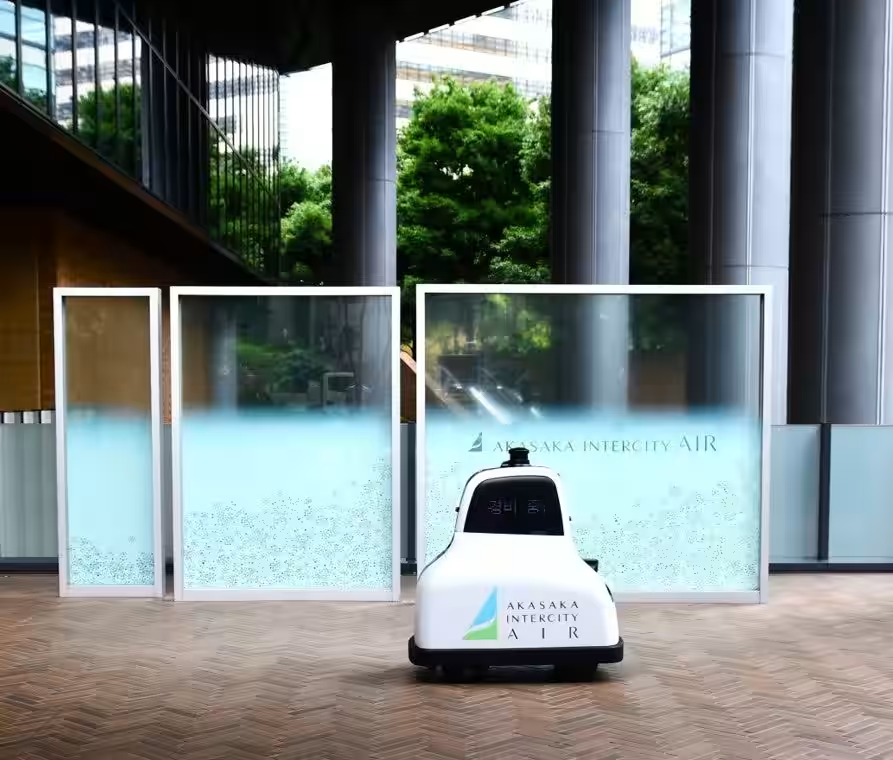
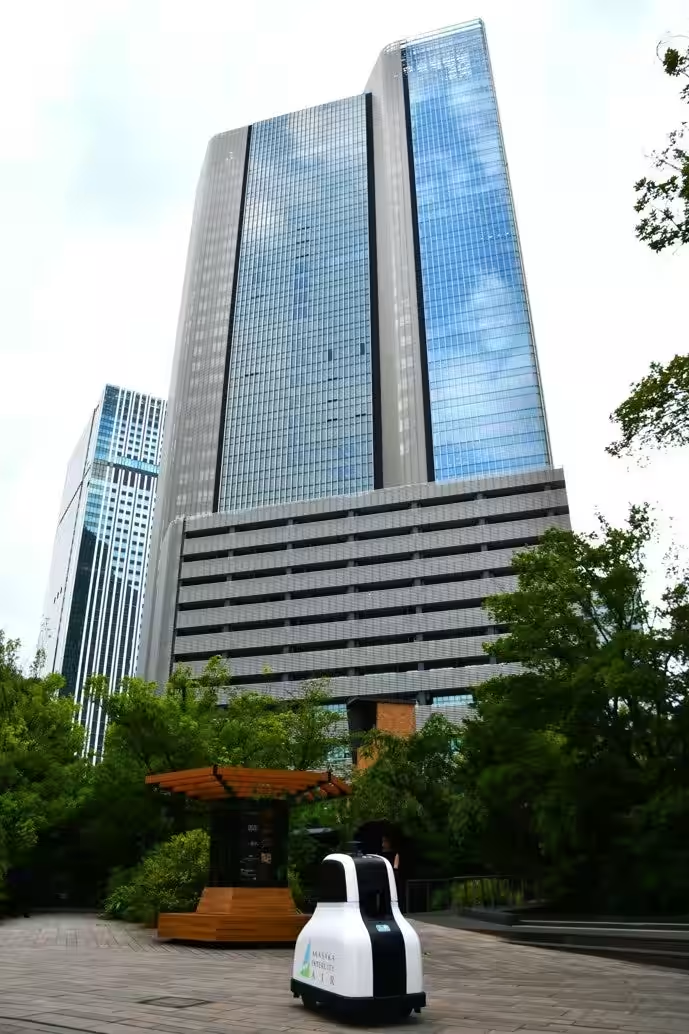
On July 1, 2025, a groundbreaking initiative will launch in Tokyo, marking a significant advancement in security technology. Japan's first remote-controlled small vehicle—known as the security robot 'cocobo'—will commence patrolling on public roads, including nighttime operations. This project is a collaboration between Nippon Steel Kowa Real Estate Co., Ltd. and Akasaka Intercity Management Co., Ltd, catering to the heightened security requirements of the Akasaka Intercity AIR facility.
Background of the Initiative
As concerns regarding labor shortages and rising personnel costs in security services continue to grow, there has been a concerted effort by AIM and Secom to find effective solutions. While robots have been successfully deployed for patrolling duties in indoor environments such as airports and commercial facilities, this new role for 'cocobo' signifies the first time such technology will be utilized on public roadways.
The decision to implement this robotic patrol system follows extensive discussions with relevant stakeholders and consultations with neighboring facilities over the past year. This collaboration aims not only to enhance security but also to adapt to potential future challenges in workforce availability.
Features of the Security Patrol
Beginning its operations, 'cocobo' will patrol the exterior of the facility and designated indoor areas, specifically from the basement level to the second floor of shared spaces. The robot can travel at speeds of up to 4 km/h, streamlining the tracking of security-related incidents. The live video feeds from 'cocobo’s' onboard cameras will be monitored in the facility's disaster prevention center, allowing security personnel to respond promptly to any anomalies detected.
About 'cocobo'
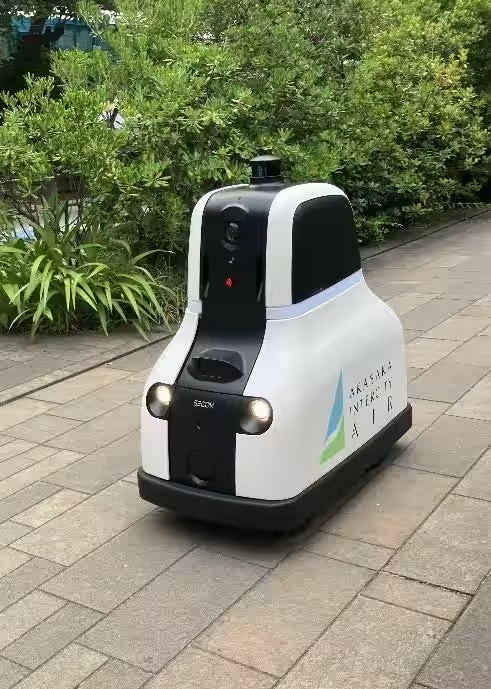
The 'cocobo' security robot is equipped with AI and 5G technologies, enabling it to autonomously patrol designated routes and conduct inspections. It has the capability to analyze real-time video feeds to detect residual individuals, falls, and abandoned items. In scenarios involving suspicious individuals, 'cocobo' can issue warnings using audio alerts and flashing lights.
Additionally, 'cocobo' can integrate and share various data, including surveillance camera footage and elevator status information, via cloud technologies, enhancing its surveillance capabilities. The robot has recently passed compliance assessments by the Japan Robot Delivery Association, confirming its suitability for operations on public roads at any time, including nighttime.
For more details on the security robot 'cocobo', visit Secom's official introduction site.
Conclusion
With the deployment of 'cocobo', Japan is stepping into a new era of security technology. Not only does this initiative introduce a novel approach to maintaining public safety, but it also sets a standard for other countries to consider integrating advanced robotics into their security frameworks. As the project unfolds, it will be interesting to observe its impact on urban safety and the evolving landscape of security automation.
Topics Other)
【About Using Articles】
You can freely use the title and article content by linking to the page where the article is posted.
※ Images cannot be used.
【About Links】
Links are free to use.