




Experiential Harassment Training Shows Significant Emotional Improvement Among Participants
Enhancing Workplace Culture through Experiential Harassment Training
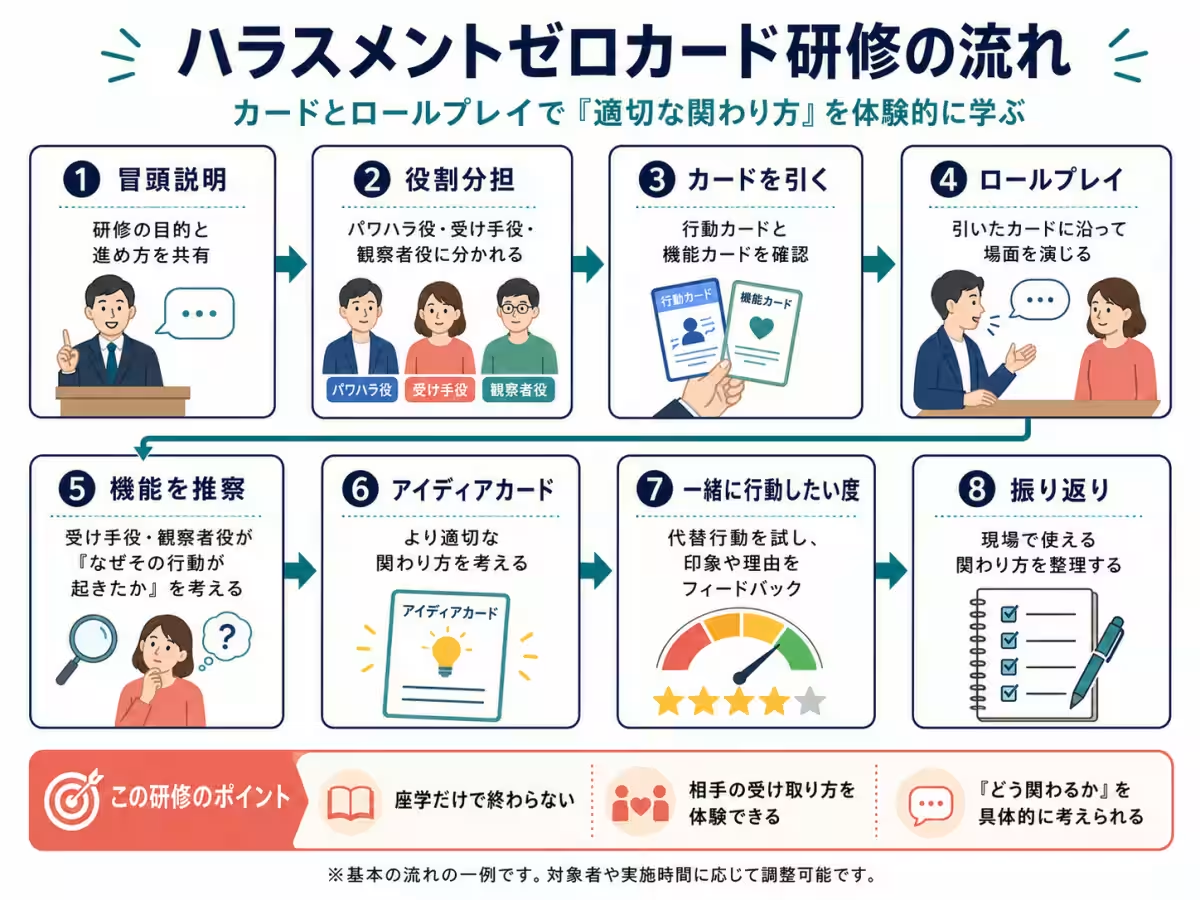
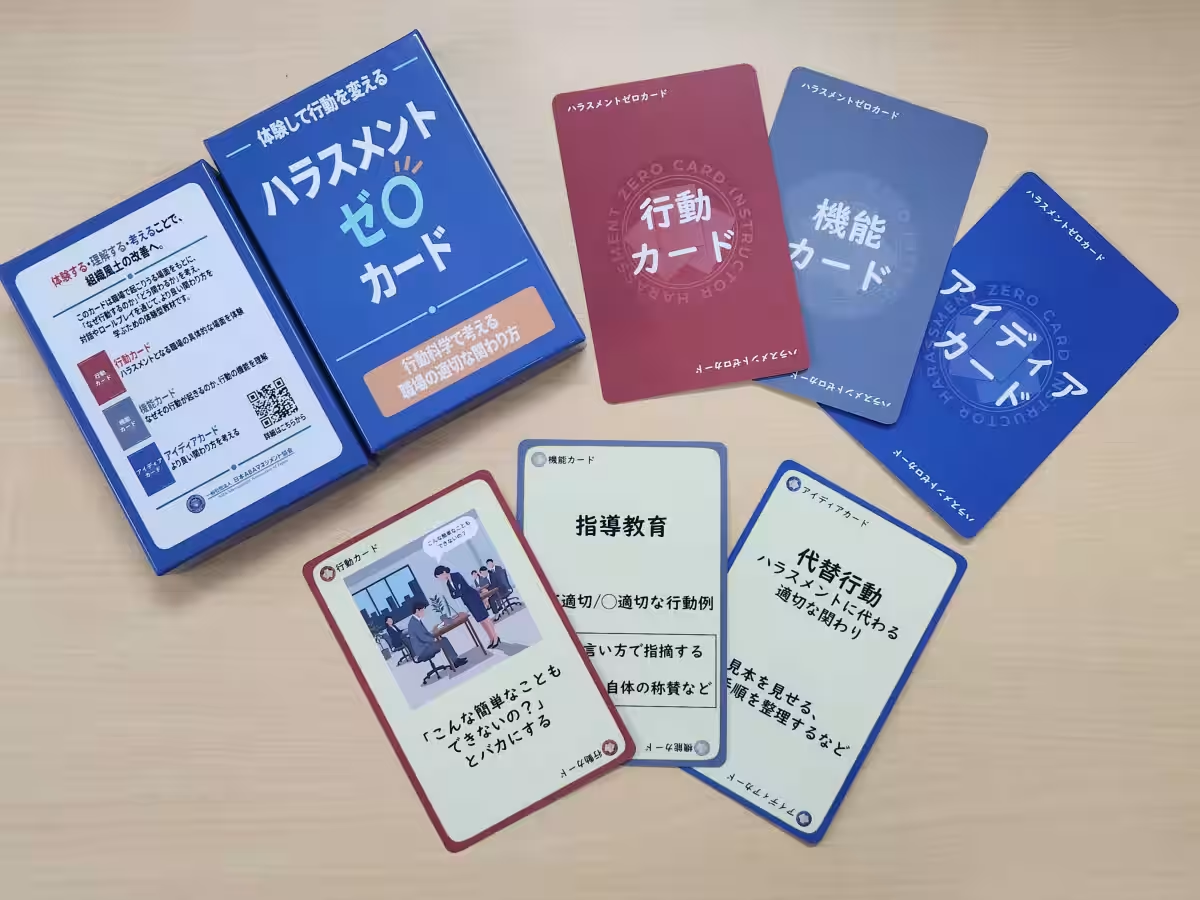
As the enforcement of anti-harassment laws in Japan intensifies, many workplaces are struggling with effective training solutions that inspire real behavioral change. The "Harassment Zero Card" training program, developed by the Japan ABA Management Association in collaboration with Professor Koji Takeuchi from Meisei University, employs an experiential learning approach that not only educates about harassment but also encourages participants to reflect on their own interactions in the workplace.
The Training Overview
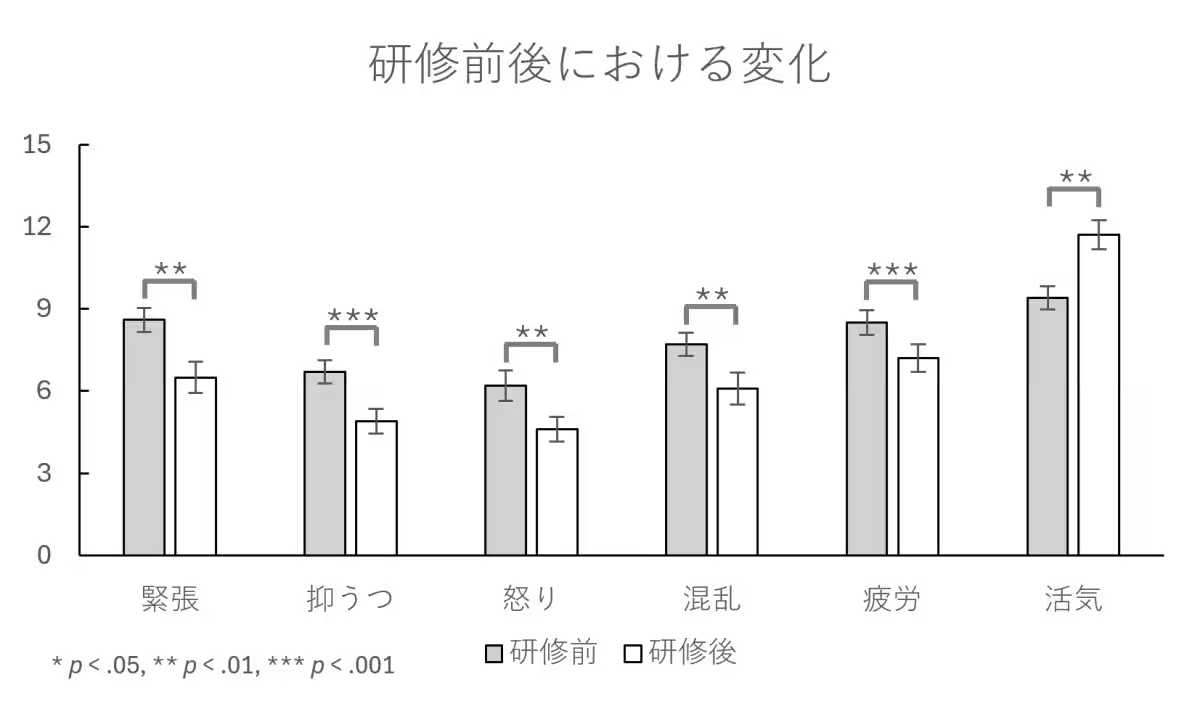
The training utilizes the 'Harassment Zero Card' alongside role-playing exercises to dissect behaviors that lead to harassment, enabling participants to formulate healthier interactions. Following a series of workshops, an assessment revealed a significant decline in negative emotions such as tension, anger, and confusion, while participants reported increased vitality and engagement.
"The training provided insights into varying perceptions of interactions among colleagues," one participant noted. Others expressed appreciation for its engaging approach, which departed from traditional lecture-style training that often left them feeling exhausted and anxious.
Key Findings from the Research
A recent study conducted post-training measured changes in participants' emotional states, focusing on:
- - Negative Emotions Decline: Notable reductions in tension, depression, anger, confusion, and fatigue were observed immediately after the training.
- - Increase in Vitality: Participants reported a higher sense of vitality following the session, which statistically confirmed the training's effectiveness in improving emotional states.
The research was executed using the Temporary Mood Scale (Tokuda, 2007) that assessed the six emotional indicators. Upon further analysis, it was evident that some emotional states dramatically improved after the experience.
| Mood Indicator | Pre-Training Average | Post-Training Average | T-Value |
|---|---|---|---|
| ---- | ----- | ---- | --- |
| Tension | Higher | Lower | Significant |
| Depression | Higher | Lower | Significant |
| Anger | Higher | Lower | Significant |
| Confusion | Higher | Lower | Significant |
| Fatigue | Higher | Lower | Significant |
| Vitality | Lower | Higher | Significant |
The data reflects the potential for the training method to serve as a critical resource for organizations aiming to cultivate a more harmonious workplace.
Moving Beyond Traditional Training
The primary shortcoming of many harassment training sessions is their tendency to focus strictly on prohibitive measures instead of nurturing collaborative communication skills. Unlike conventional lectures that often instill fear of reprimand, the "Harassment Zero Card" training offers practical scenarios where participants engage in constructive role-play, helping them understand their behavior's impact on others.
By examining the dynamics of their interactions, participants learn the importance of approach and expression in different settings, fostering an environment of dialogue rather than dread.
Importance of a Positive Emotional Environment
Emerging data indicates that the combination of heightened vitality and decreased tension can foster clearer communication pathways within teams. As participants reported feeling a sense of agency and confidence, they could envision practical applications of their learning in daily interactions. This transformational shift is crucial; merely knowing what constitutes harassment is insufficient; understanding how to relate with empathy and openness is essential for long-term organizational change.
Future Directions and Goals
Looking ahead, the Japan ABA Management Association is keen to explore the long-term effectiveness of the "Harassment Zero Card" training. By expanding its reach and conducting follow-up assessments, the aim is to further validate this method as an effective catalyst for organizational change.
Additionally, they intend to offer training programs tailored specifically for various workplace levels, enabling a comprehensive understanding and application of appropriate communication practices.
Instructor Training Opportunities
Recognizing the demand for more engaging training methodologies, the association is launching a certification program for instructors keen on implementing the


Topics Other)





【About Using Articles】
You can freely use the title and article content by linking to the page where the article is posted.
※ Images cannot be used.
【About Links】
Links are free to use.