



The Reasons Why People Quit Their Hobbies: Insights from Social Dancing
Understanding the Reasons Behind Hobby Abandonment and the Success of Social Dancing
Recent research conducted by Gold Phoenix, which operates the social dance school DANCE GRAND, has unveiled some intriguing insights into why people give up their hobbies, especially focusing on social dancing. The study involved an external survey and a questionnaire directed at DANCE GRAND members, revealing key factors influencing hobby retention and dropout rates.
Survey Findings: A Closer Look
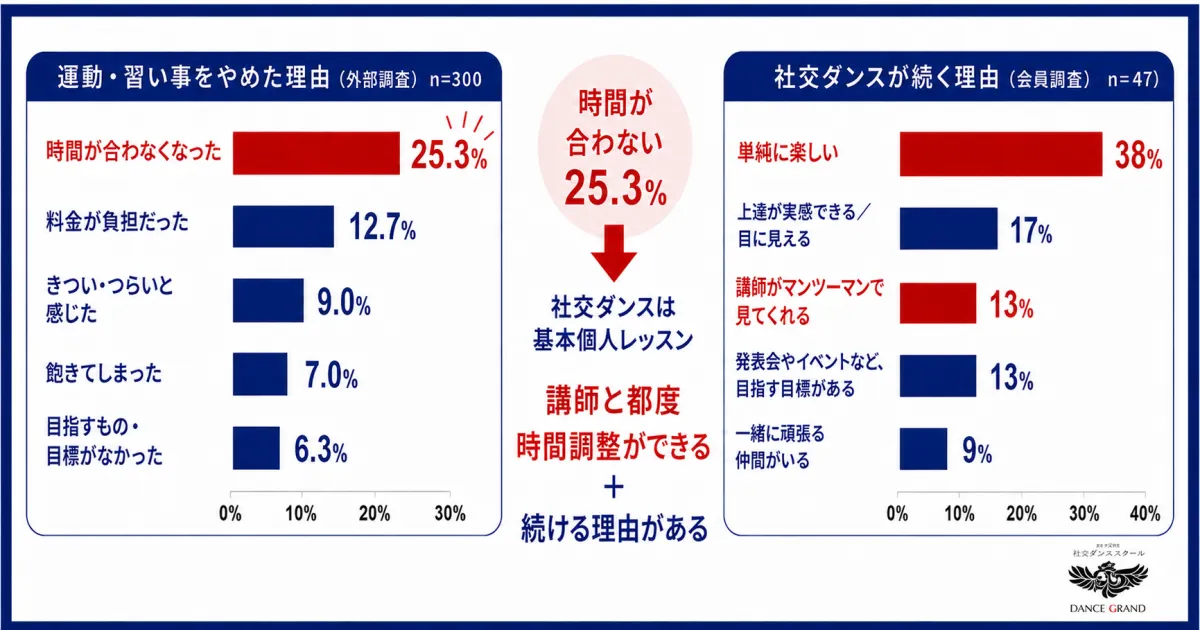
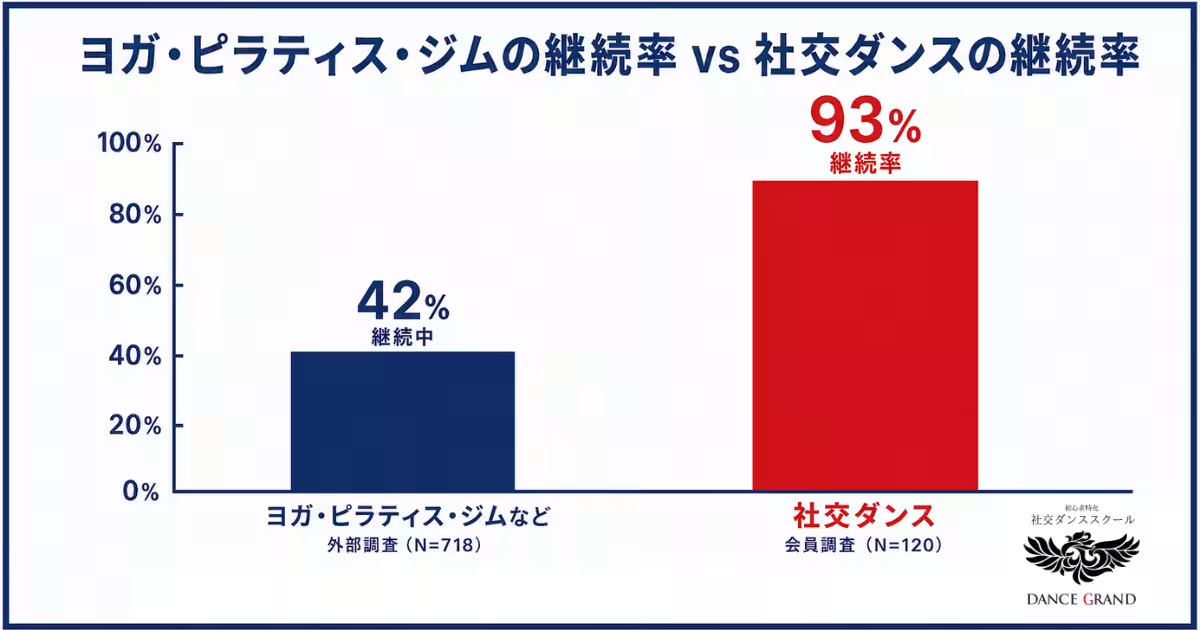
According to external surveys involving 718 respondents who have experience in physical activities or hobbies, around 58% reported having quit at least one activity. When asked about the reason behind their discontinuation, 25.3% cited a lack of time as the primary factor. Interestingly, the DANCE GRAND statistics tell a different story: the school boasts an impressive 93% retention rate for social dancing over the course of 2025, despite many members previously having left other hobbies.
A noteworthy observation from DANCE GRAND is that 88.8% of current members had prior experience with other forms of exercise, including yoga, Pilates, and gym workouts. Among these experienced individuals, 66% admitted to having quit at least one previous activity.
But what differentiates those who persist in social dancing from those who don’t? It's not merely about willpower; the crux lies in having compelling reasons to continue.
The Complexities of Time Management
The survey pointed out a stark reality: the lives of adults today are often chaotic, juggling work, family, and other responsibilities, which makes it challenging to stick to fixed schedules for activities. Factors like work commitments, childcare responsibilities, and household tasks are constantly shifting. Therefore, even if a person has the intent to continue an activity, any disruption can make it difficult to attend.
Additionally, over 20% of participants cited emotional barriers as reasons to quit, including feelings of boredom, lack of specific goals, or not seeing tangible results from their efforts. This combination of logistical challenges and emotional hurdles becomes critical when considering why individuals discontinue their hobbies.
Flexibility in Learning: A Unique Feature of Social Dancing
One striking advantage that social dancing offers is the flexibility in scheduling. At DANCE GRAND, lessons are primarily held in a one-on-one setting between the instructor and the student, where they can adjust timings based on personal availability. This adaptability makes it easier for individuals with busy schedules to commit, effectively addressing the top reason for quitting: time constraints.
However, the appeal of social dancing goes beyond just flexible scheduling. It introduces an element of interpersonal interaction. Members describe their experiences:
- - As one 40-year-old woman put it, “Working out at the gym is a solitary battle, but social dancing allows for a conversation through dance – an enjoyment that can’t be achieved alone.”
- - A 20-year-old man shared, “Running became tedious and hard, but the gameplay elements of step memorization in social dancing keep it fresh and exciting.”
- - A 50-year-old woman mentioned, “After a hectic phase of raising kids and working, dancing makes me feel special and glamorous.”
These sentiments highlight that the sheer enjoyment factor is crucial in encouraging individuals to continue dancing.
Fun as a Key Retention Factor
When asked why they persist with social dancing, 38% of the 47 participants who previously abandoned other activities said it’s simply because it’s enjoyable. Following closely were responses indicating the visible progress they can see (17%), and factors such as personalized attention from instructors and having specific goals to strive for, which each garnered 13%. This enjoyment cycle fuels a strong continuation rate of over 90%.
The Next Wave: Social Dancing as an Alternative
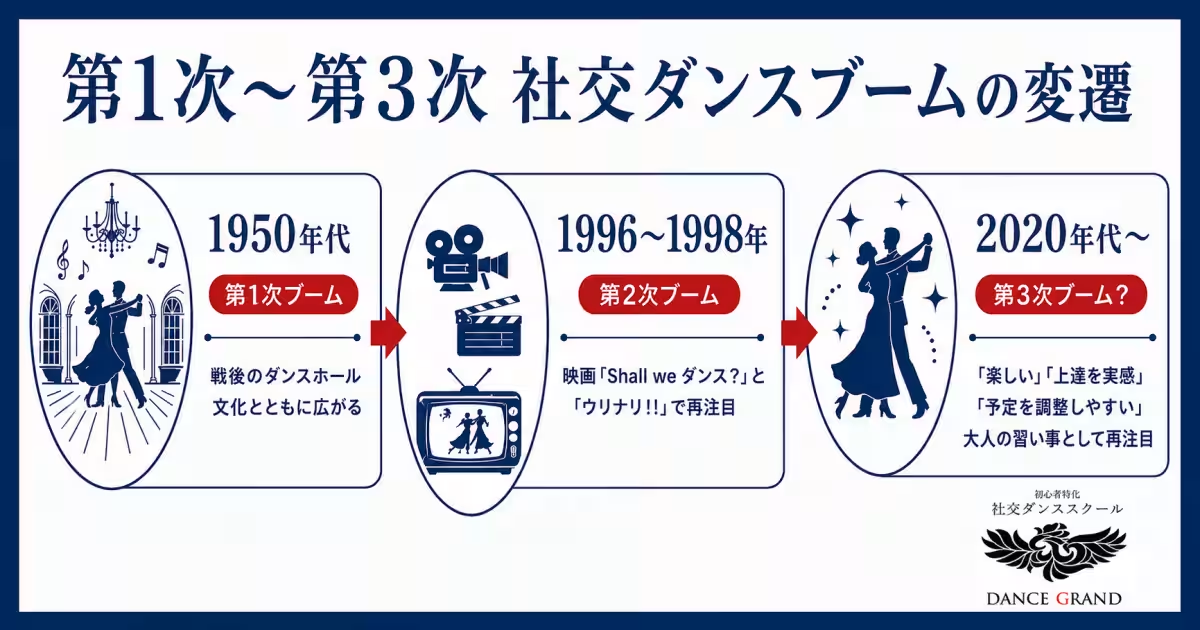
The history of social dancing in Japan has seen waves of popularity, with significant moments in the 1950s and a resurgence following blockbuster films and TV shows from the late 1990s. Even with the growth of various fitness options like yoga and Pilates, previous data reveals that 58% of hobbyists have given up on at least one activity. Today, the demand seems to be shifting toward more flexible, enjoyable, and engaging options that can seamlessly fit into busy adult lives.
DANCE GRAND identifies this trend as a potential new wave in social dancing popularity. It’s not only about finding people who can sustain their interest; it requires creating an environment where individuals can connect deeper with their passions and uncover reasons to keep pursuing those interests. The findings from both the external and internal surveys serve as a valuable insight into what it truly takes to motivate adults to keep moving and practicing their passions.
Conclusion
In summary, this investigation by Gold Phoenix into adult hobbies illustrates the complexities and desires behind sustaining activities like social dancing. As adults seek enjoyable and adaptable hobby choices, the features that social dancing offers align with these needs, paving the way for a renaissance in interest and participation.
Topics People & Culture)
【About Using Articles】
You can freely use the title and article content by linking to the page where the article is posted.
※ Images cannot be used.
【About Links】
Links are free to use.