



New Manual Design Principles for Continued Improvement in Organizational Learning
Enhancing Organizational Manuals: A New Approach to Continuous Improvement
In a rapidly changing business environment, maintaining effective operational manuals is critical for organizations. REQUEST Inc., based in Shinjuku, Tokyo, has unveiled a new ten-page guide titled "Judgment Design: Manual Continuous Improvement Edition." This document serves as a practical resource that builds upon the existing framework of manuals, integrating insights gained from real-world applications into day-to-day operations.
Beyond Manual Revamping
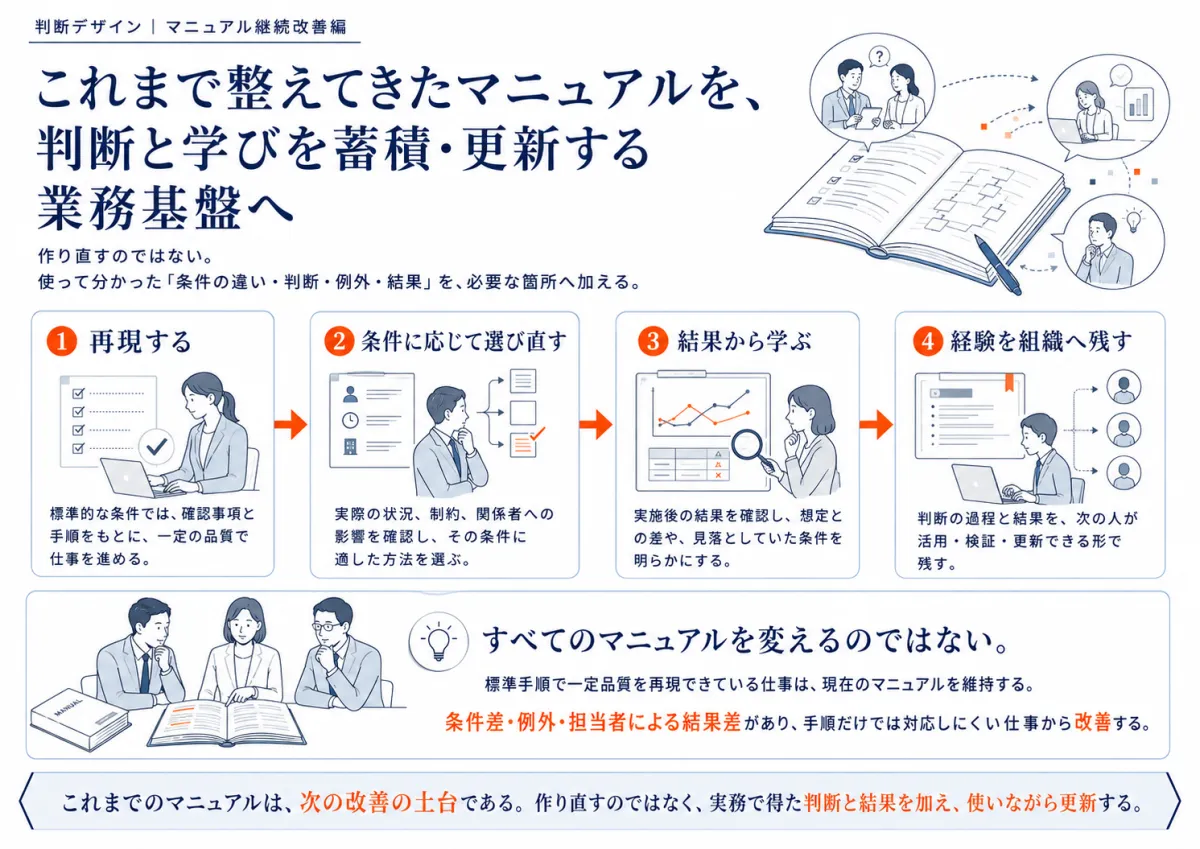
The guide does not advocate for a complete overhaul of existing manuals. Instead, it emphasizes the need for continuous improvement by systematically integrating real-world experiences into the foundational structure of these manuals. By addressing factors that may not align with standard procedures, such as:
- - Situations where the standard procedure does not apply
- - Areas where employees struggle with decision-making
- - Unforeseen exceptions that were not considered during the manual's creation
- - Implicit knowledge often held by seasoned employees
- - Variations in outcomes depending on the individual responsible for the task
- - Insights gained only after the execution of the task
This approach allows organizations to update and refine their manuals progressively based on real-life experiences, enabling a more dynamic response to the complexities of everyday work.
Focusing on Relevant Adjustments
Organizations invest significant time and resources in creating well-structured manuals that cover objectives, standard guidelines, and employee roles. Rather than indicating that these efforts have been inadequate, this new framework recognizes the value of existing documentation while highlighting the next steps. By identifying which aspects of the work require updates based on practical experience, REQUEST Inc. aims to facilitate gradual yet impactful enhancements.
A Framework for Learning
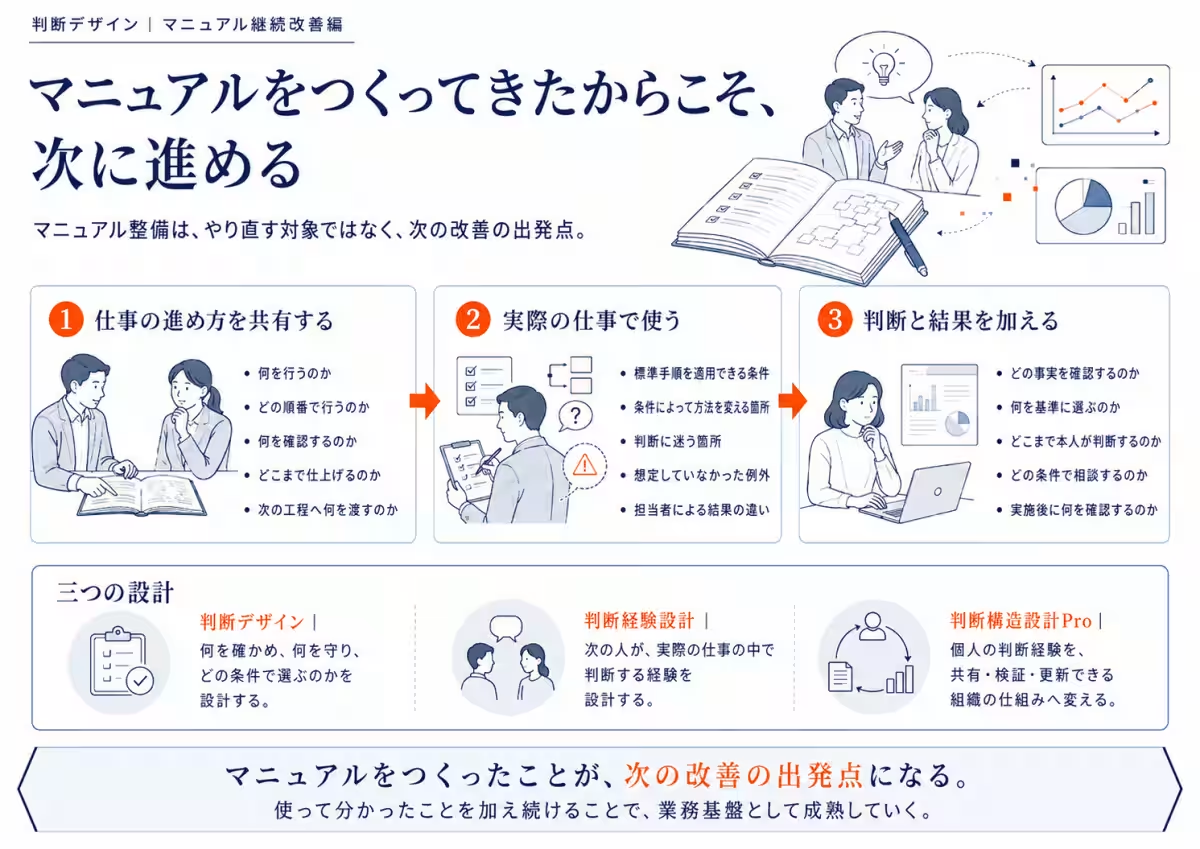
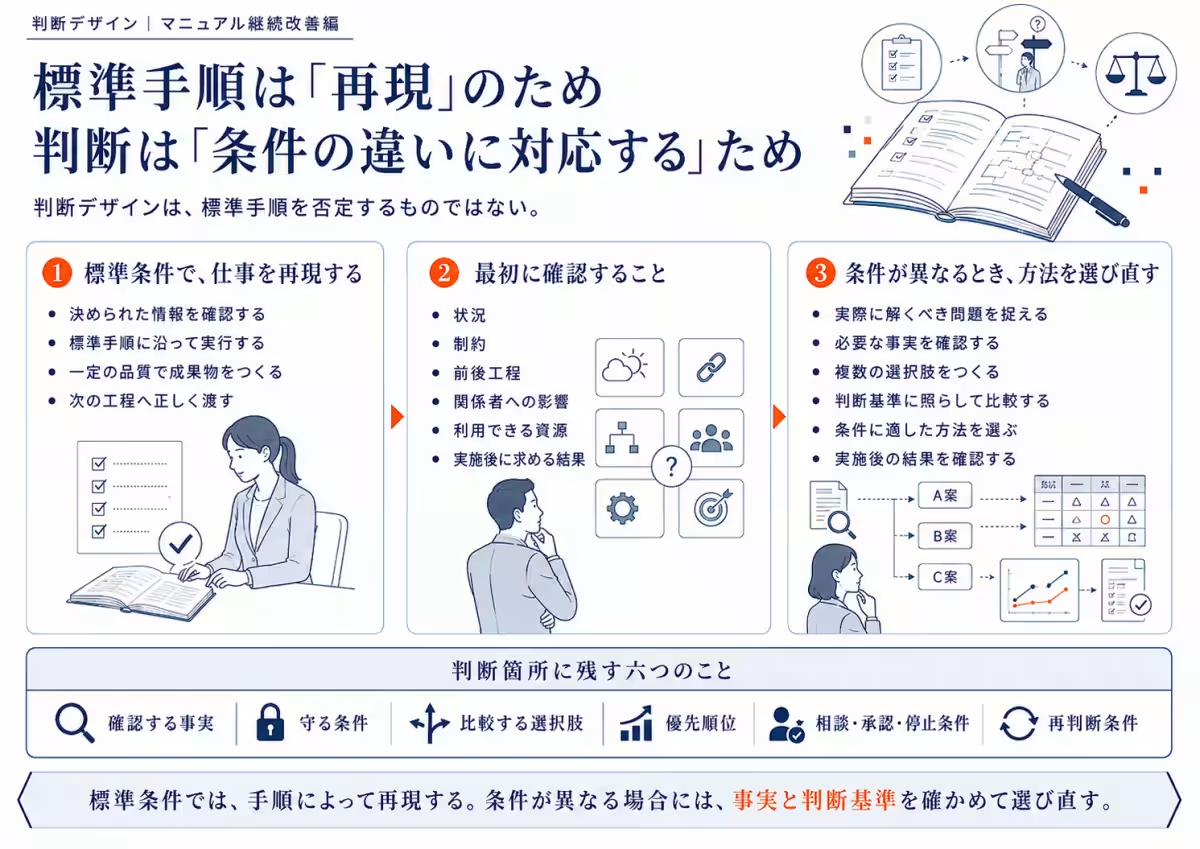
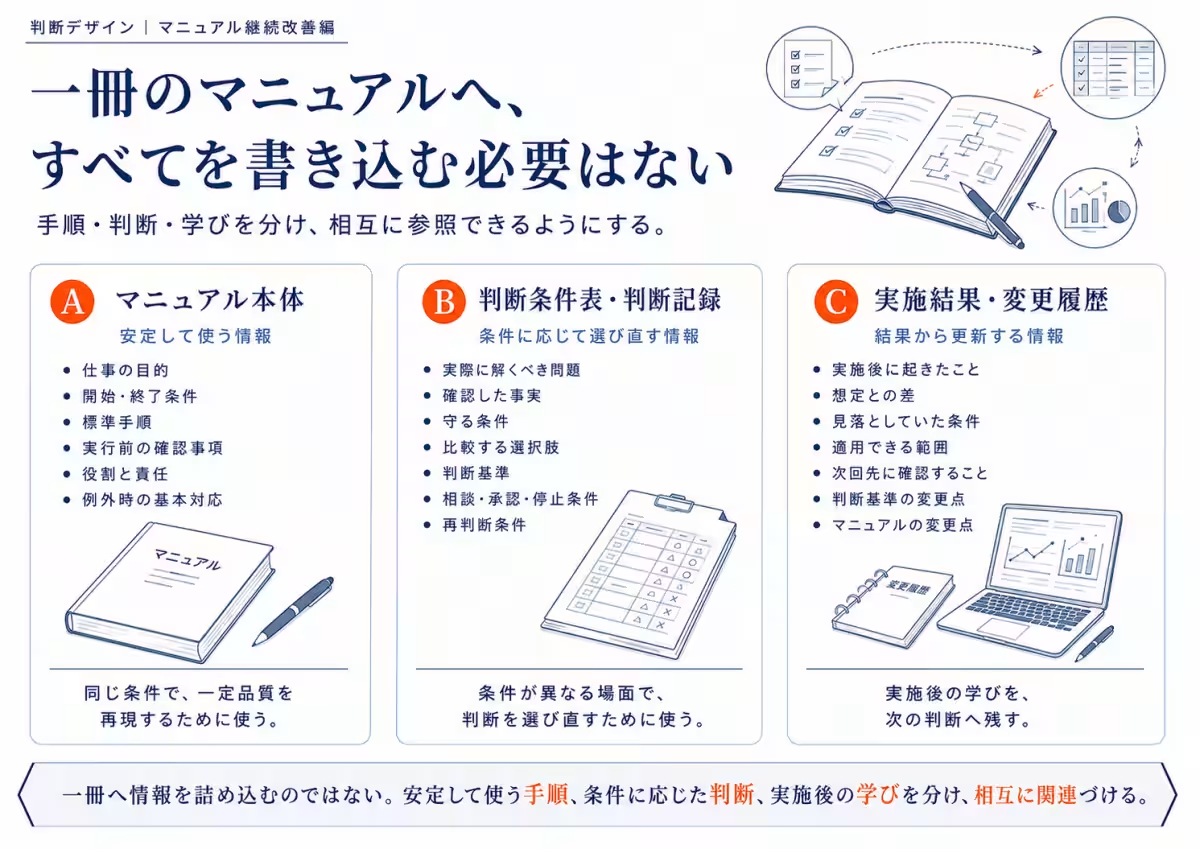
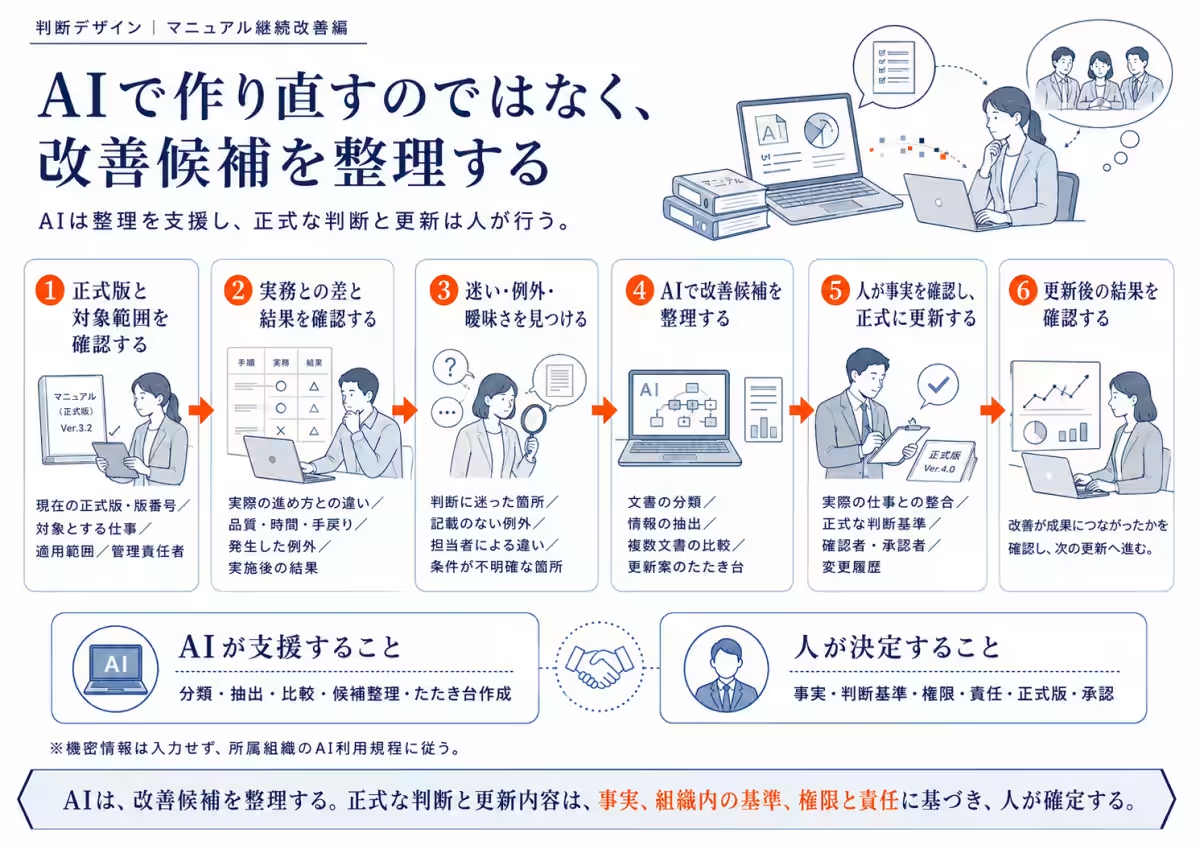
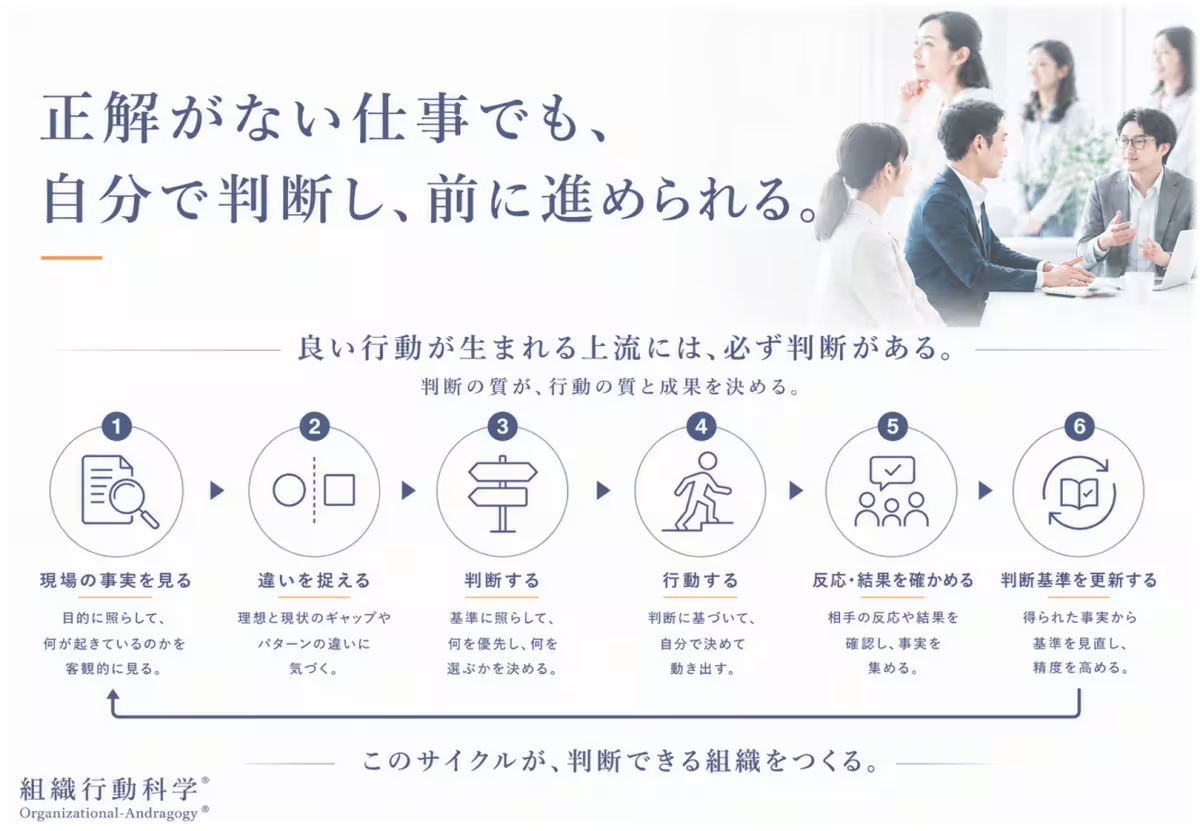
The process for evolving a manual into an effective operational tool can be seen as a cycle of creation, utilization, evaluation, and reformation. The philosophy rests on the belief that a manual matures not at its inception but through active use and learning from outcomes. The guide illustrates this through visual representations, outlining the transformation of a manual from a static document to a living framework that evolves with continuous input and experiences from users.
Connecting Steps and Outcomes
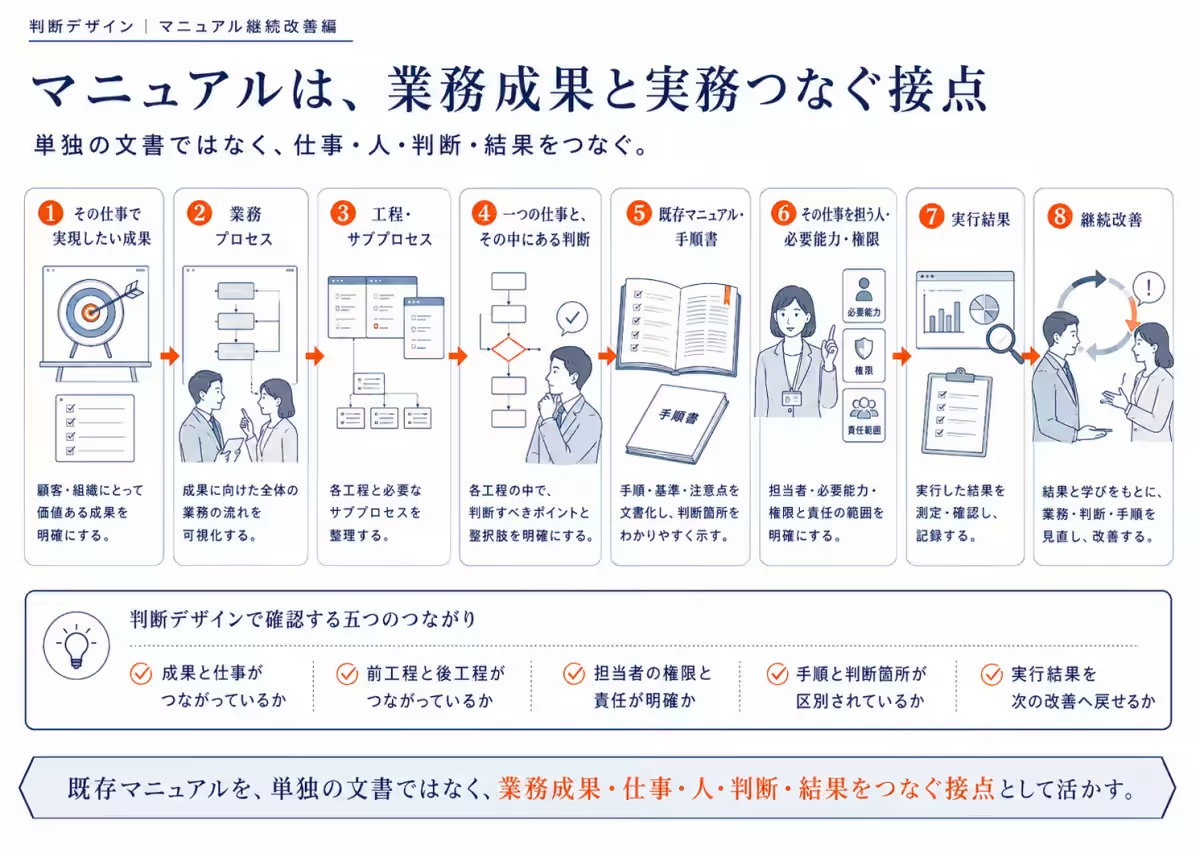
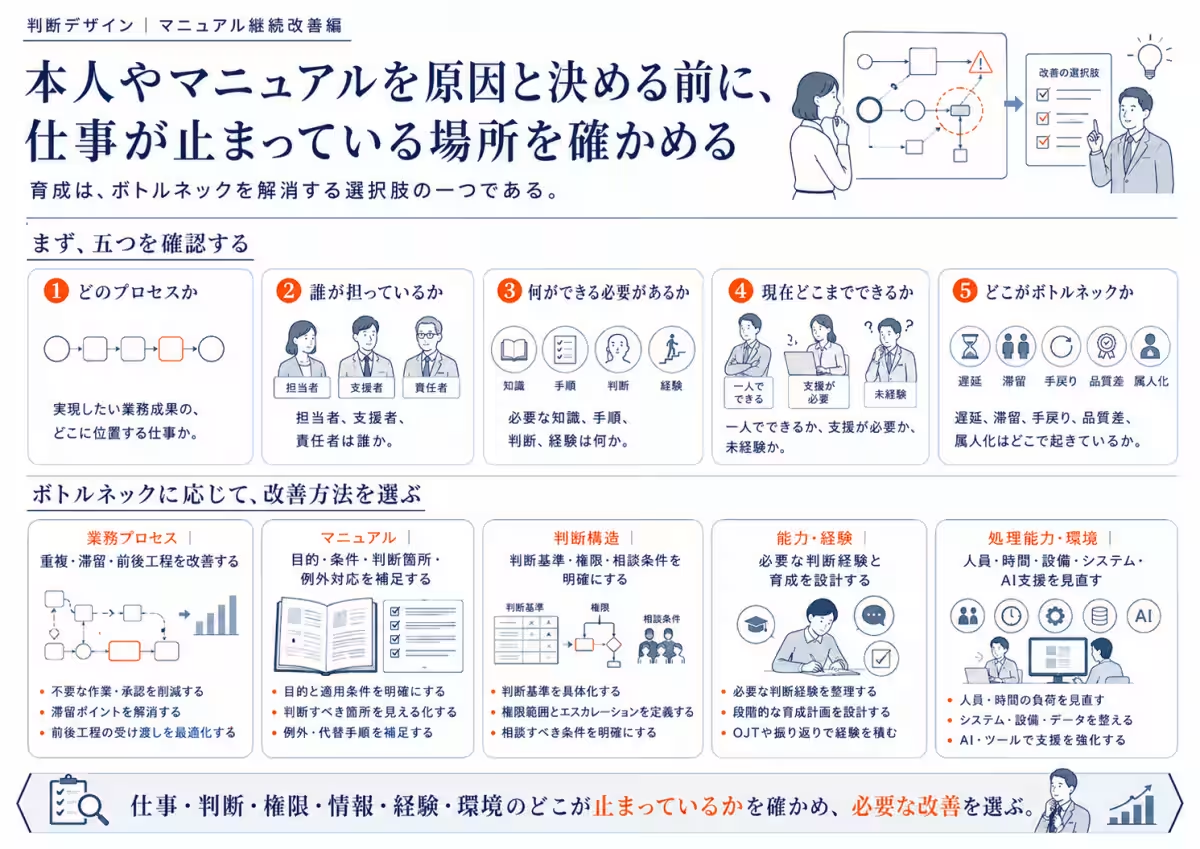
Improving a manual requires understanding its relationship with:
- - Desired outcomes from the job
- - The operational processes in place
- - The interdependencies among various tasks
- - The authority and responsibilities of personnel
- - Feedback mechanisms to incorporate into future iterations
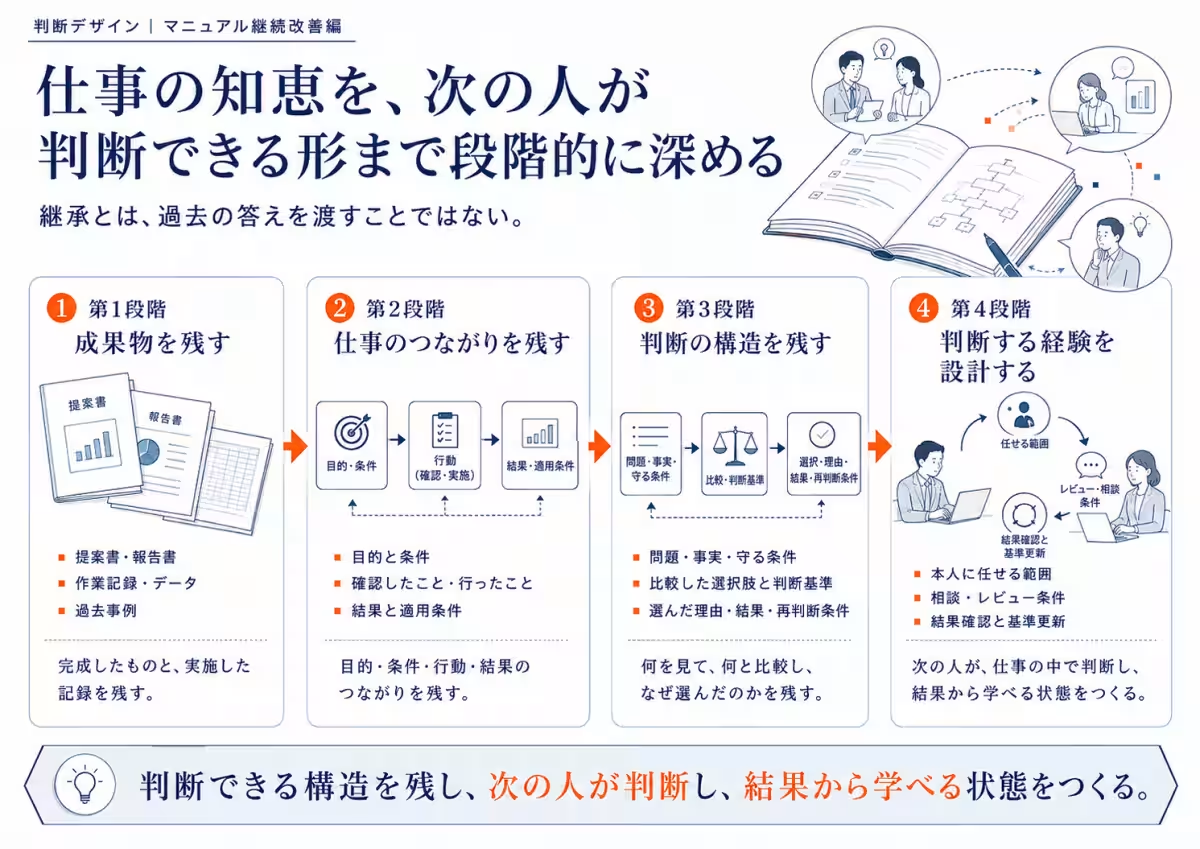
The guide encourages organizations to perceive their manuals as links in a larger chain, where each connection influences outcomes and learning. By restructuring how information is presented and used, organizations can create a seamless flow of knowledge that enhances decision-making and operational efficiency.
The Coexistence of Standards and Judgment
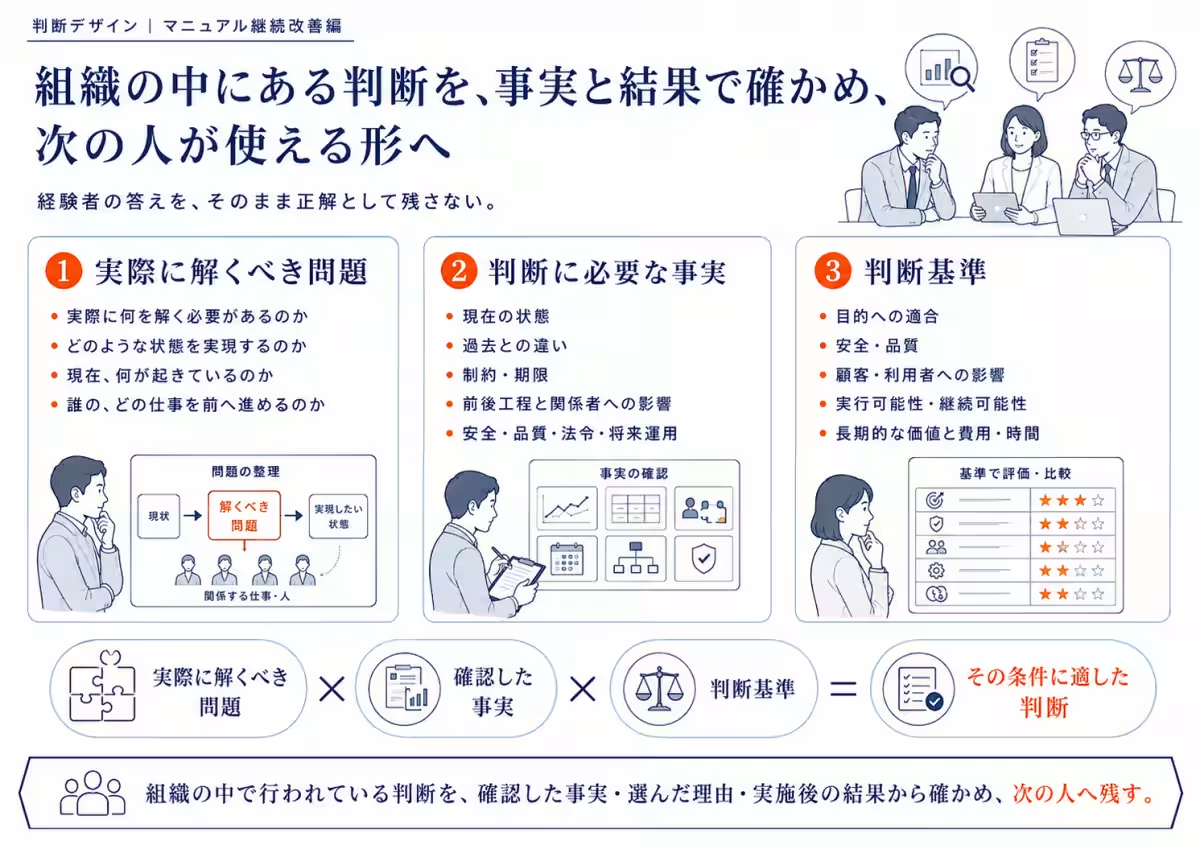
One significant aspect of Judgment Design is that it does not dismiss standard procedures; rather, it emphasizes their relevance under certain conditions. Standard procedures are essential for known situations. However, in dynamic and unique scenarios, where conditions vary, it is crucial to establish solid decision-making criteria, ensuring employees know when to deviate from prescribed methods.
Continuous Sharing of Knowledge
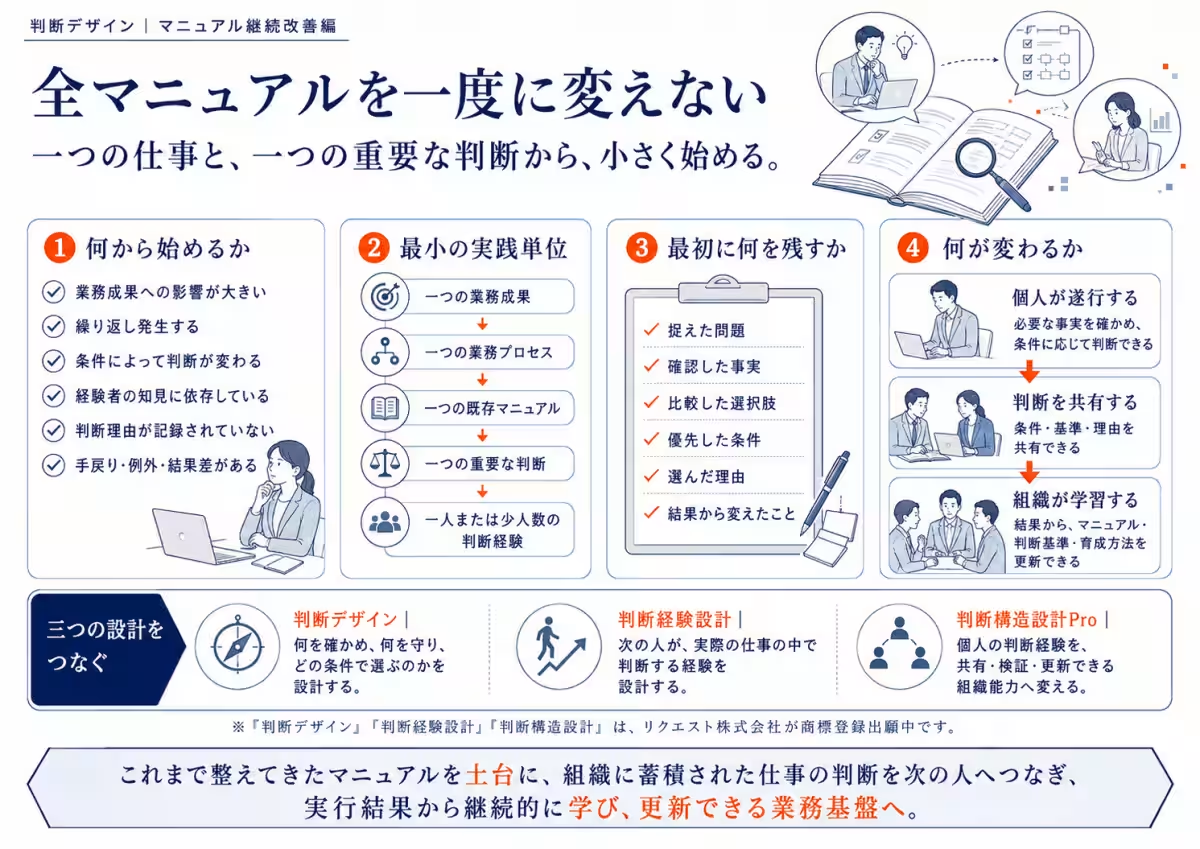
To ensure continuity of knowledge across the organization, REQUEST Inc.'s approach encourages recording not just results but also the thought processes behind those outcomes. This layers the knowledge with context, allowing subsequent employees to grasp the nuances involved in decision-making. By doing this, modern organizations not only create a repository of past decisions but also promote a culture of continuous learning and adaptation.
The Role of AI in Document Improvement
While AI can assist in analyzing and refining manuals by comparing various documents, it should not be solely relied upon to finalize decision-making or formal guidelines. The utilization of AI must be carefully integrated within an established framework of human oversightliness, where individuals determine the relevance and applicability of AI-generated outputs.
Tailored Initial Actions
Organizations are encouraged to start with manageable improvements rather than attempting to overhaul all manuals simultaneously. By identifying critical decisions that significantly impact organizational outcomes, they can focus on refining one task or one judgment at a time, ultimately paving the way for broader transformations within the organization.
Conclusion: A Roadmap for Evolution
The "Judgment Design: Manual Continuous Improvement Edition" serves as a roadmap for organizations looking to refine their operational manuals. By marrying established processes with employee insights and experiences, REQUEST Inc. facilitates a pathway toward effective continuous improvement. This guide is not about increasing documentation; it aims to enhance the manual's relevance and usefulness as a living document in a learning organization. The time to transition to a paradigm of judgement-based manual evolution is now, ensuring that knowledge is dynamic, applicable, and capable of responding to the challenges of today's business environment.
For a complete download of the ten-page document, visit REQUEST Inc.'s official website.

Topics Business Technology)
【About Using Articles】
You can freely use the title and article content by linking to the page where the article is posted.
※ Images cannot be used.
【About Links】
Links are free to use.