



Over 40% of Consumer Goods Executives Report Cost Absorption Limits Due to Middle Eastern Turmoil
Introduction
In the face of escalating geopolitical tensions in the Middle East, a recent survey conducted by Ayanodou Co., Ltd., based in Hachioji, Tokyo, reveals that nearly 40% of consumer goods executives are hitting their limits on absorbing rising costs solely through company efforts. Conducted among executives aged 20 to 60, the survey sheds light on the profound impact of these geopolitical shifts on supply chains and the overall economic health of companies in the consumer goods sector.
Background
The turmoil in the Middle East has resulted in sharply rising oil prices and significant disruptions in logistics, heavily impacting domestic supply chains. Consequently, the rising costs of raw materials and logistics are squeezing consumer goods manufacturers, potentially causing changes in retail pricing and product quantities that affect everyday purchasing behaviors. While general discussions on the macroeconomic implications of rising oil prices abound, the specific responses from consumer goods executives to these cost pressures are inadequately documented. In light of this, the survey by Ayanodou aimed to collect relevant data.
Survey Summary
- - Over 70% of surveyed executives noted that the worsening situation in the Middle East affects their company’s supply chain and business operations.
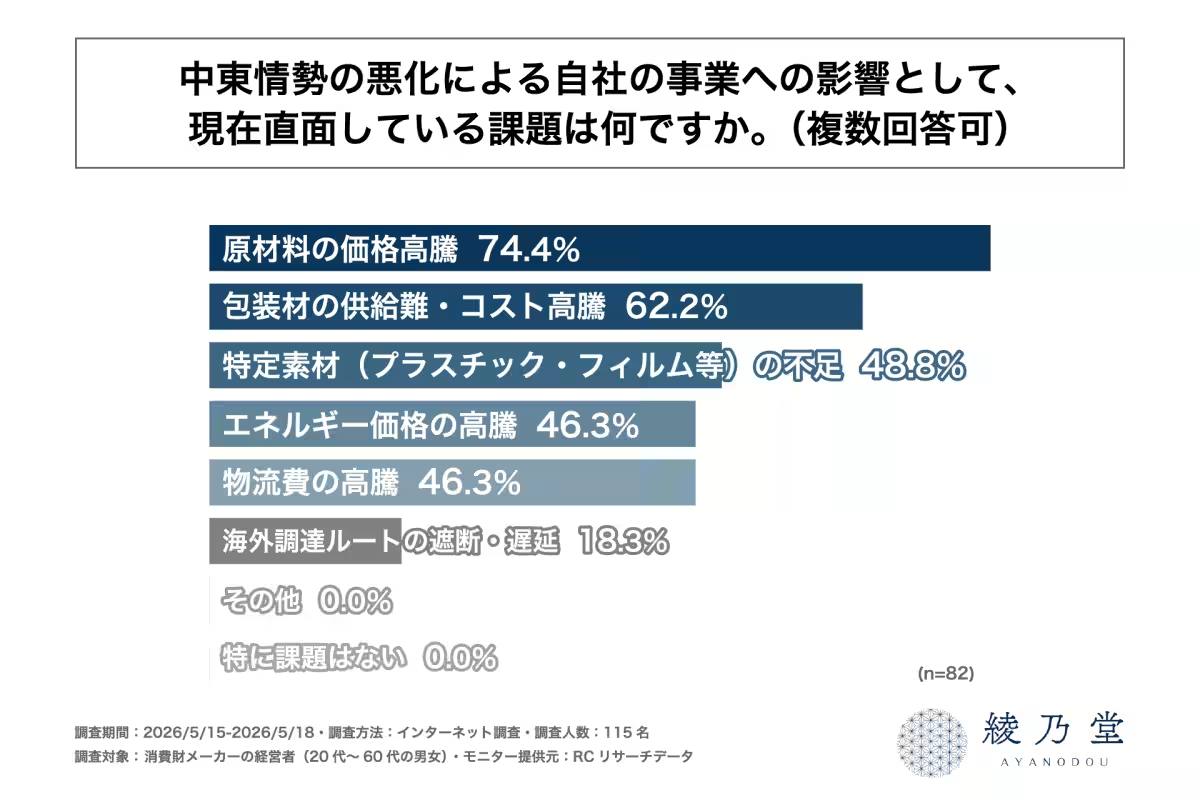
- - Key challenges identified due to this geopolitical instability include surging raw material costs and difficulties in procuring packaging materials.
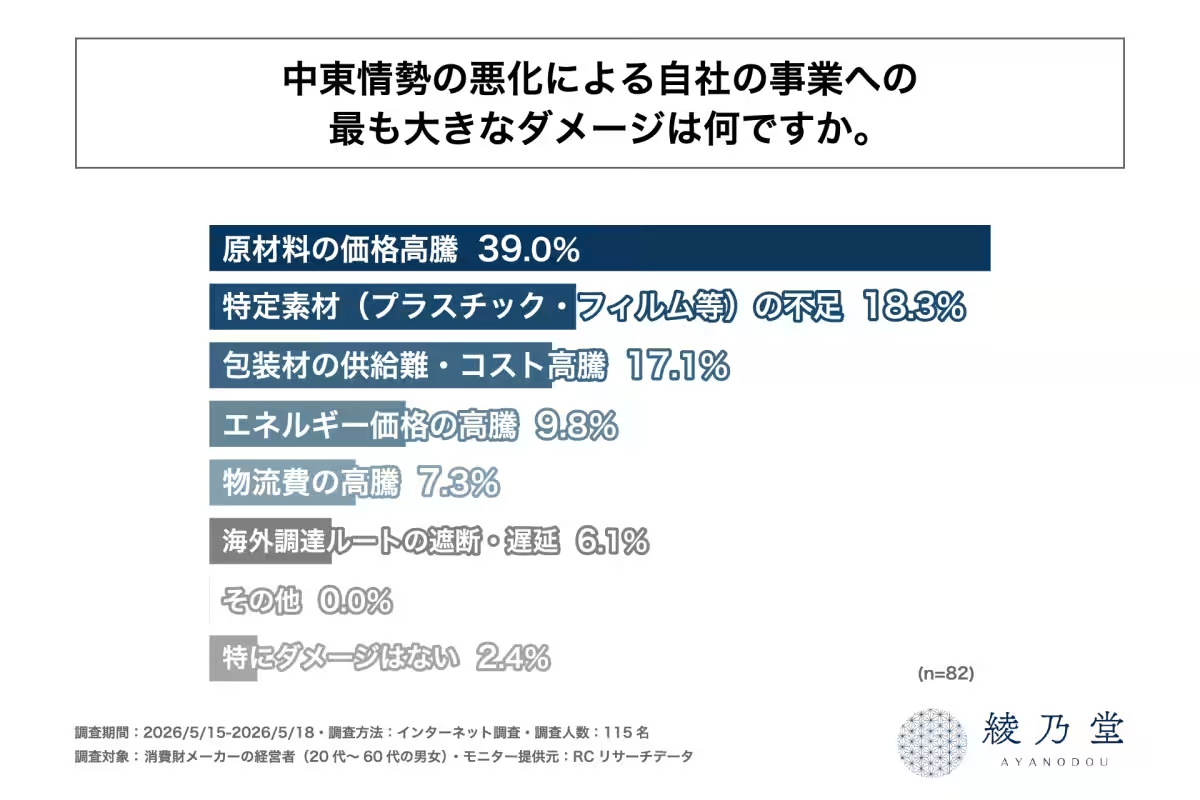
- - The top three damages reported are: 1) soaring raw material prices, 2) shortages of specific materials (like plastics and films), and 3) rising costs and supply challenges pertaining to packaging materials.
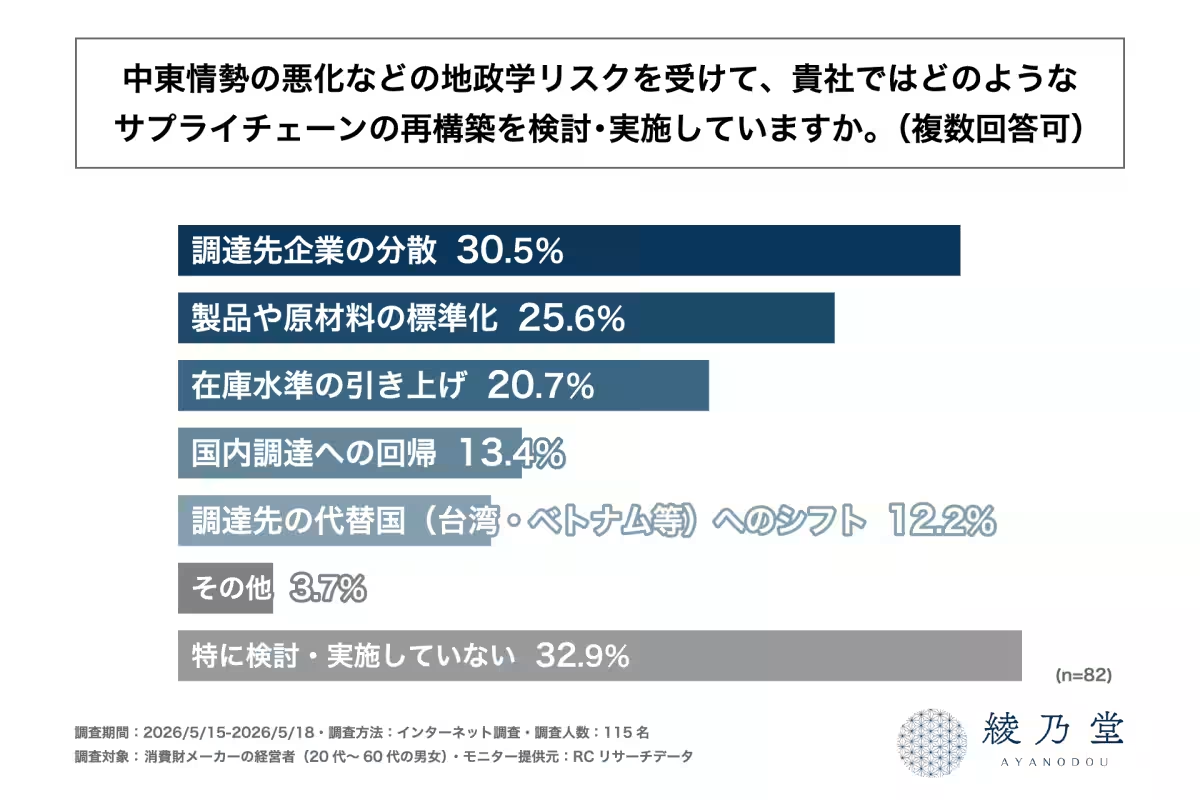
- - In response to these geopolitical risks, many companies are considering supply chain restructuring, with a focus on diversifying suppliers and standardizing products and materials.
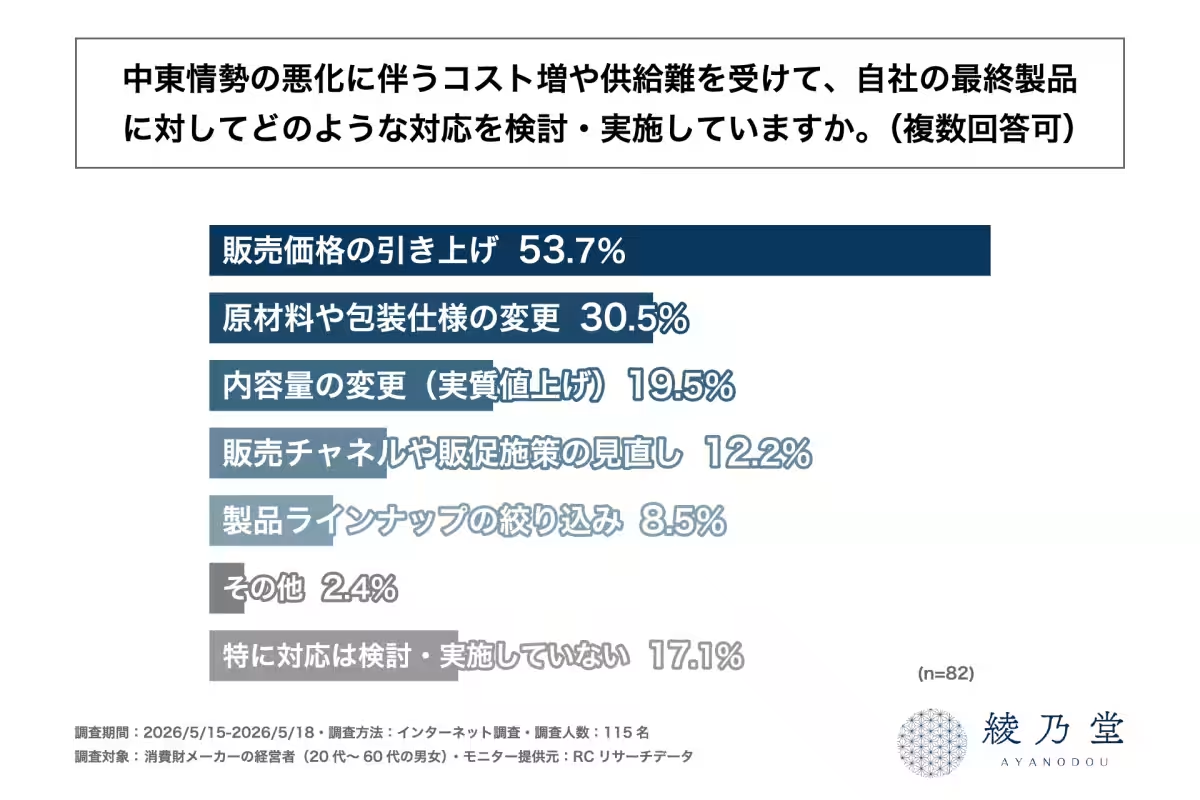
- - More than half of the executives facing business impacts have explored or enacted price increases for their final products due to rising costs and supply issues.
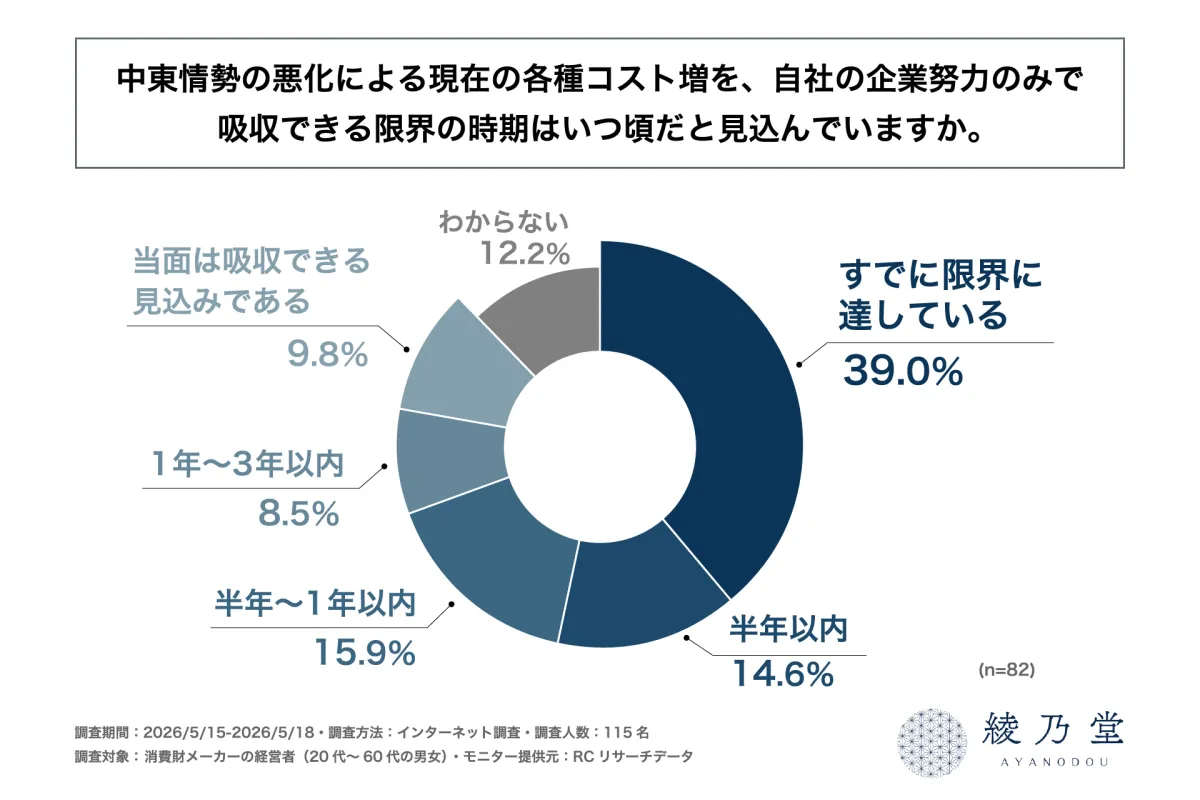
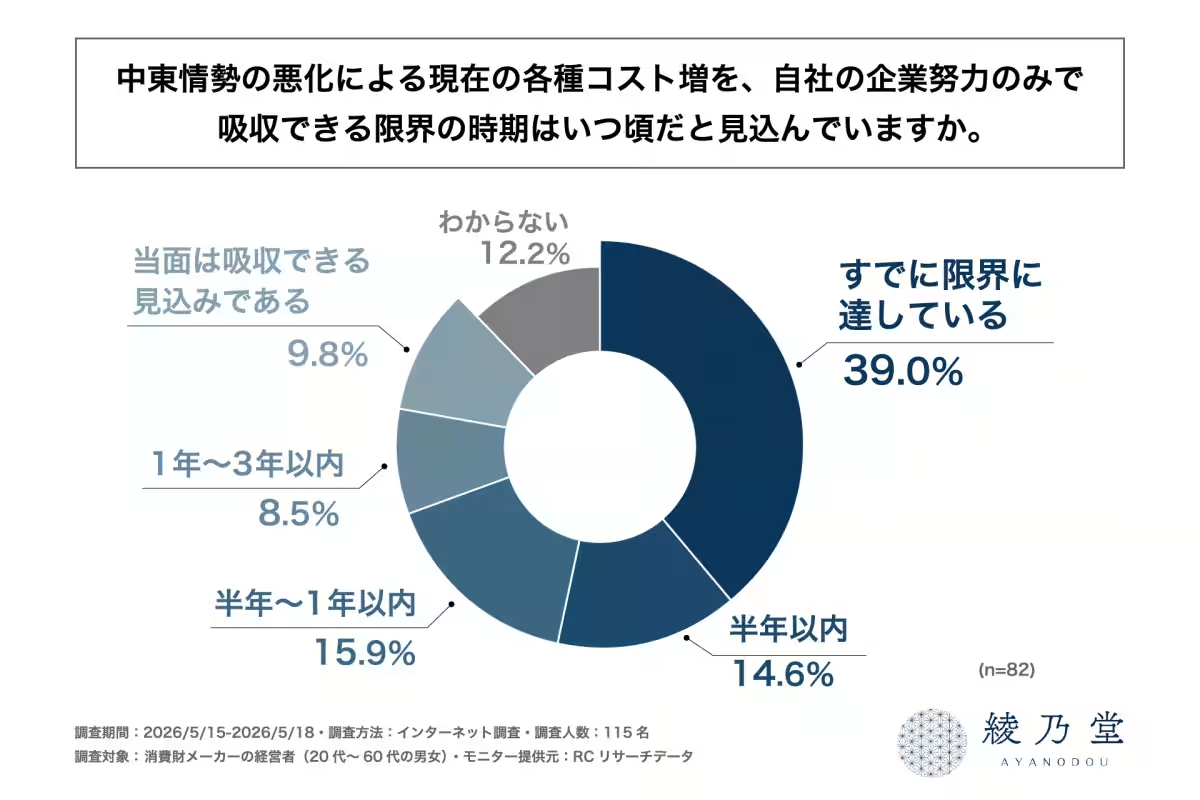
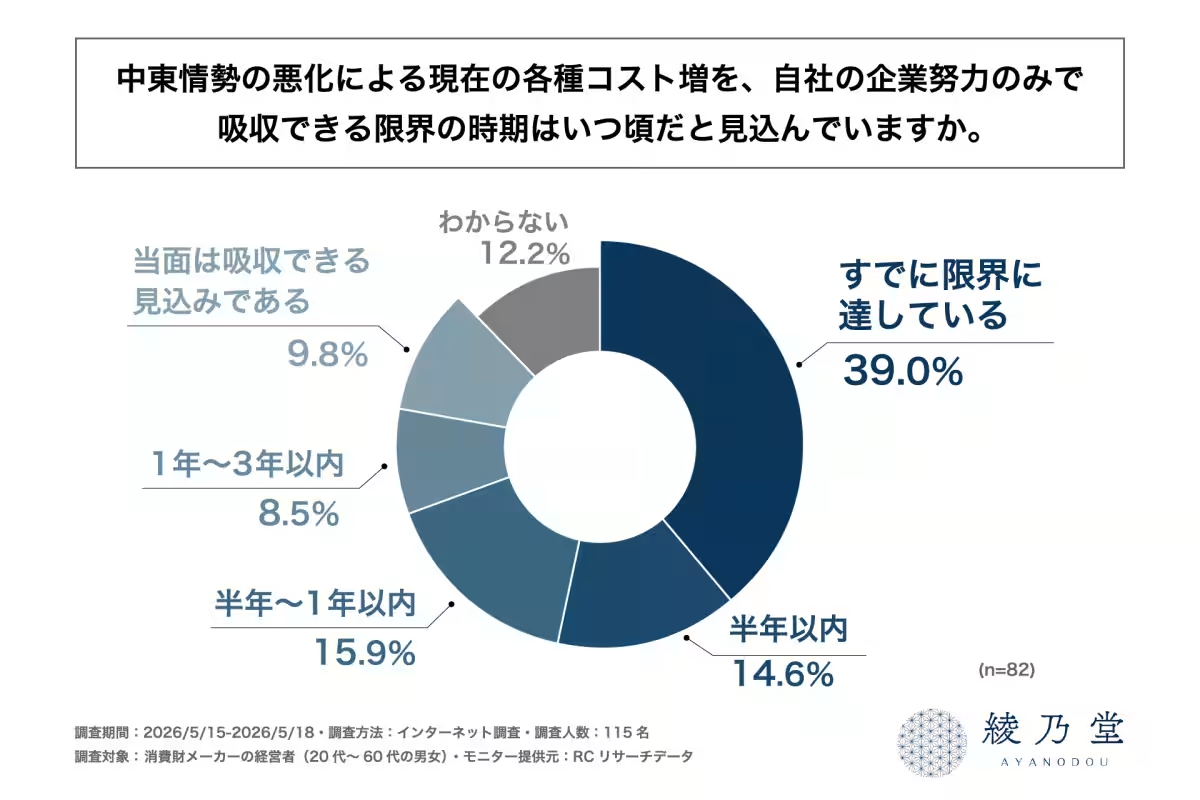
- - Approximately 40% of executives expressed that they have reached their limits in absorbing these cost increases solely through internal efficiencies.
Key Findings
Impact on Business Operations
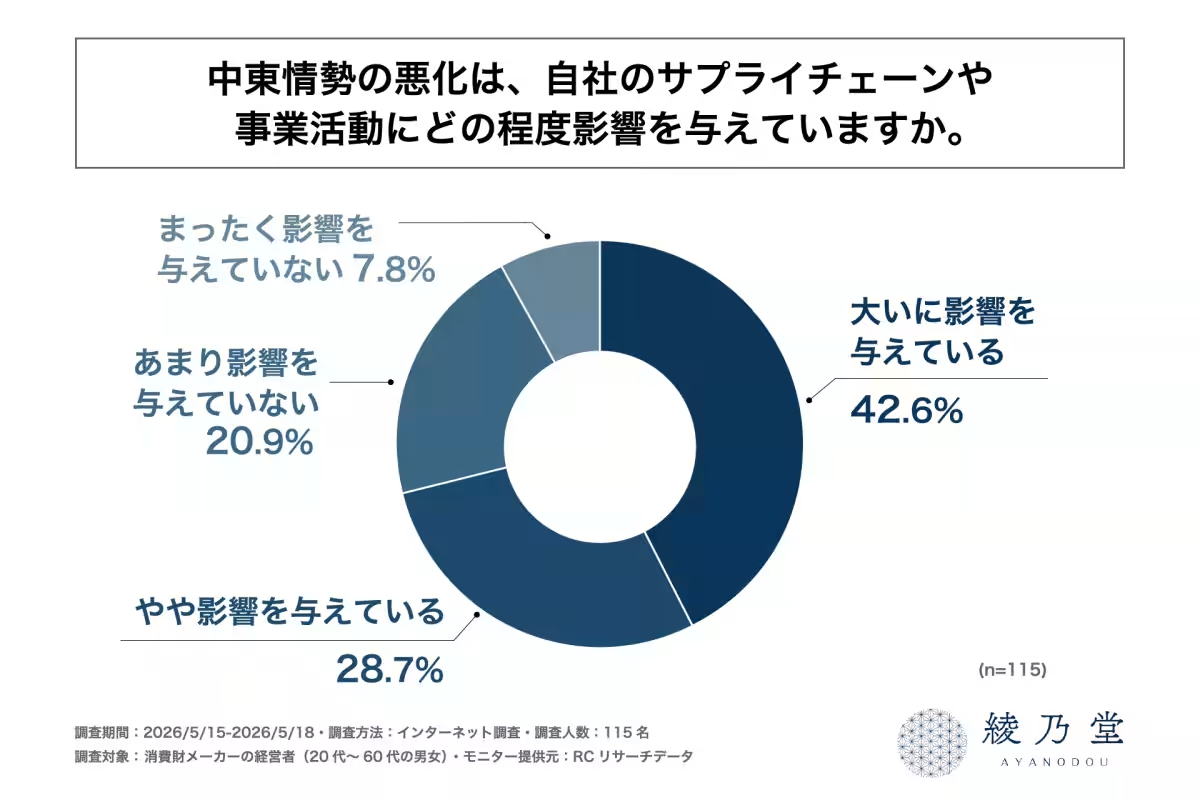
The survey revealed a staggering 71.3% of executives believe that the Middle East’s deteriorating situation is affecting their supply chains and business activities, with 42.6% asserting a significant impact and 28.7% acknowledging a moderate impact.
Challenges from Rising Costs
Among those identifying impacts, the foremost issues cited were raw material price hikes (74.4%) and problems with packaging supply and costs (62.2%). The most severe damage was attributed to soaring raw material prices (39.0%), highlighting the significance of these economic stressors on business continuity.
Supply Chain Restructuring
As a consequence of escalating geopolitical risks, over 30% of manufacturers are considering diversifying their supply sources, while roughly 26% are interested in standardizing their products and raw materials. This reflects a pivotal shift in strategy aimed at mitigating future risks in the supply chain.
Price Adjustments
Notably, 53.7% of executives reported they are pursuing price hikes for their products, which validates the intense cost pressures stemming from rising expenses. The need to raise prices speaks to the serious financial corridor wherein consumer goods manufacturers now find themselves, negotiating between operational sustainability and consumer price sensitivity.
Recognizing Limits
The survey also indicated that around 39% of executives believe they have already reached their limit in absorbing rising costs through internal efficiencies, a situation underscoring the critical nature of the ongoing crisis and the necessity for a strategic pivot in their operational approach.
Conclusion
This survey underlines that the Middle Eastern geopolitical landscape is not just a distant issue; it has immediate ramifications for consumer goods manufacturers in Japan and beyond. As these companies grapple with rising raw material costs, the challenge of securing packaging supplies, and the intricate task of adjusting retail pricing, there is a clear need for proactive strategies in supply chain management. Ayanodou’s innovative packaging service, "Pouchiya," aims to provide reliable solutions for these pressing challenges, offering a global supply network that can weather macroeconomic shifts and ensure diverse, stable packaging supply. By focusing on a comprehensive approach that merges procurement stability, cost optimization, and brand enhancement, Ayanodou seeks to support businesses amid increasing geopolitical uncertainties.

Topics Consumer Products & Retail)





【About Using Articles】
You can freely use the title and article content by linking to the page where the article is posted.
※ Images cannot be used.
【About Links】
Links are free to use.