



The Quality of Preparation Influences Job Change Satisfaction: Insights from a Career Transition Survey
Introduction
In a recent survey conducted by Circus Inc., an HRTech company based in Tokyo, Japan, the factors affecting job change satisfaction among individuals in their 20s and 30s were analyzed. The survey focused on the quality of resume preparation and its correlation with the job change experience. With a sample size of 384 respondents who have undergone job changes, this study sheds light on the significance of preparation methods.
Survey Overview
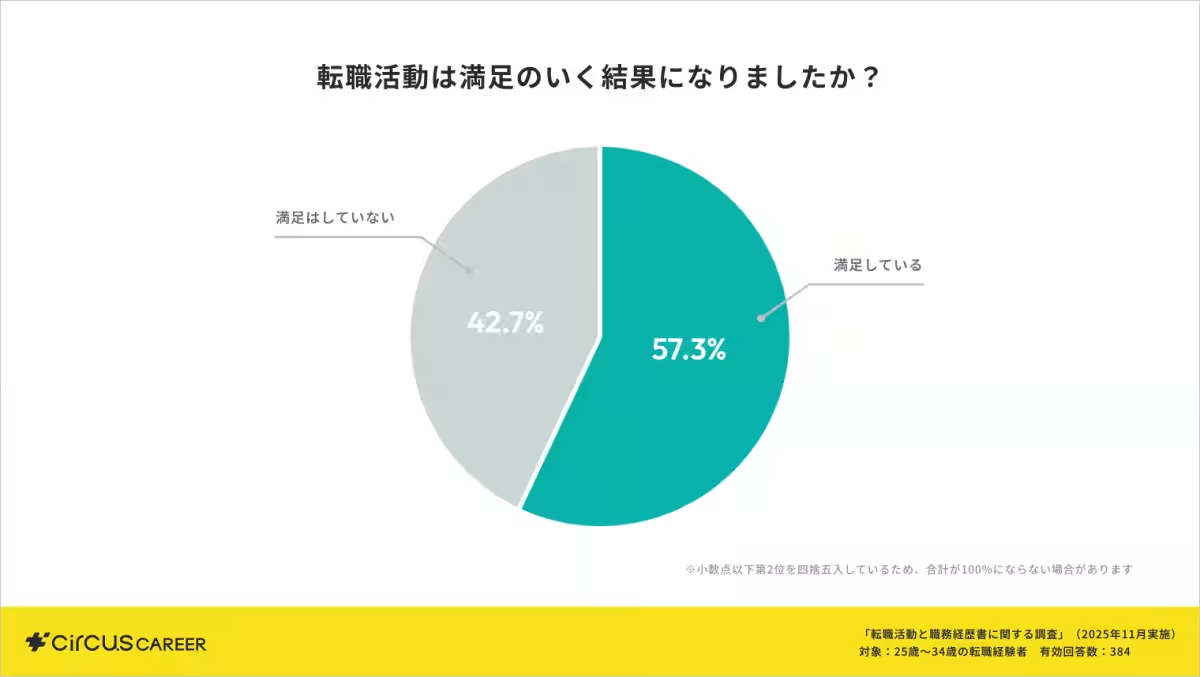
The survey targeted individuals aged 25-34 with job change experience, conducted online from November 26 to November 27, 2025. The aim of the survey was to evaluate the connections between resume crafting, the usage of digital tools, and overall satisfaction with their job transitions. The findings indicate a remarkable division in satisfaction levels: about 57.3% reported being satisfied with their transition, while 42.7% were not.
Key Findings
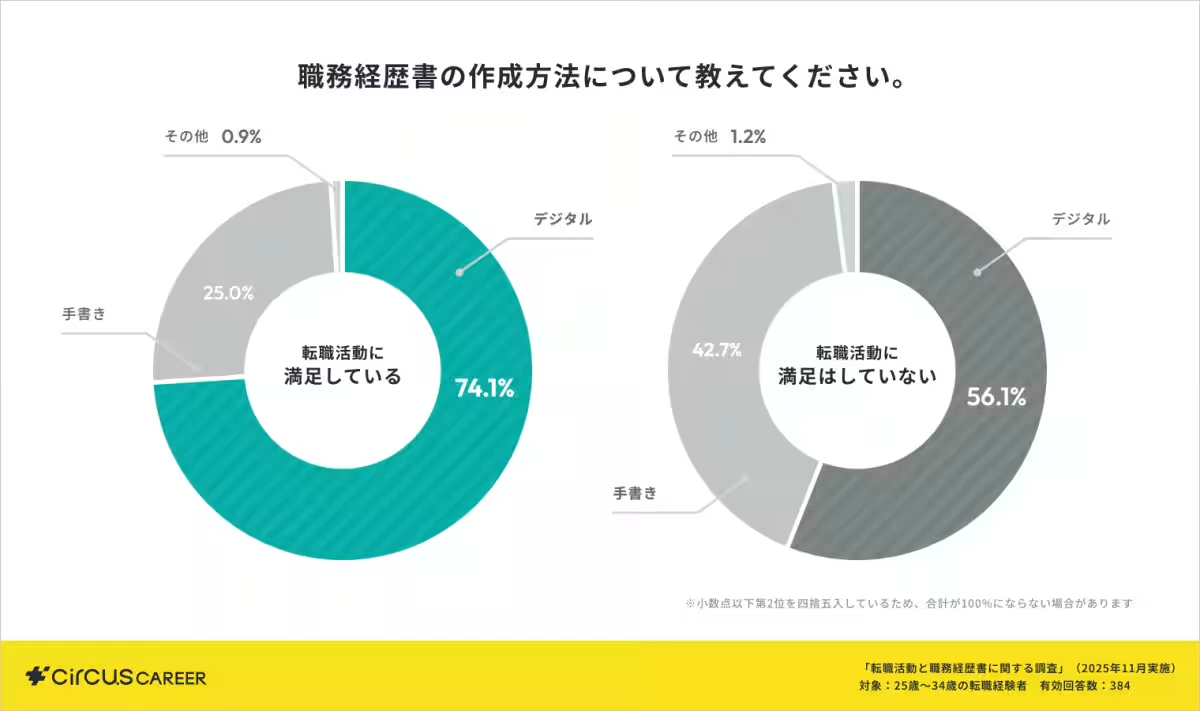
1. Digital Tool Usage: A notable difference was observed between satisfaction tiers regarding digital tools. Among satisfied respondents, 74.1% utilized digital tools for creating their resumes. In contrast, only 56.1% of dissatisfied respondents did the same.
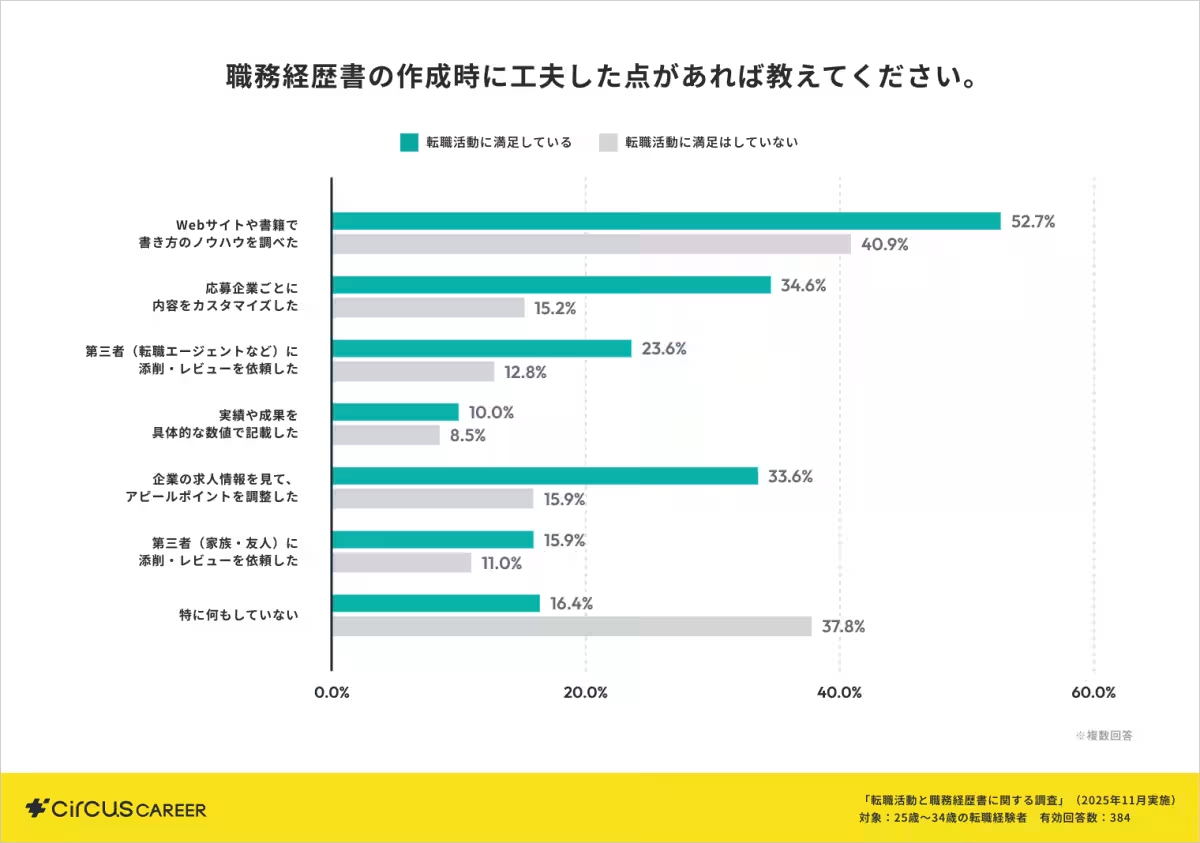
2. Customization Efforts: A staggering 37.8% of dissatisfied respondents reported making no specific efforts in customizing content, whereas the satisfied group often optimized their resumes for each application and sought third-party feedback.
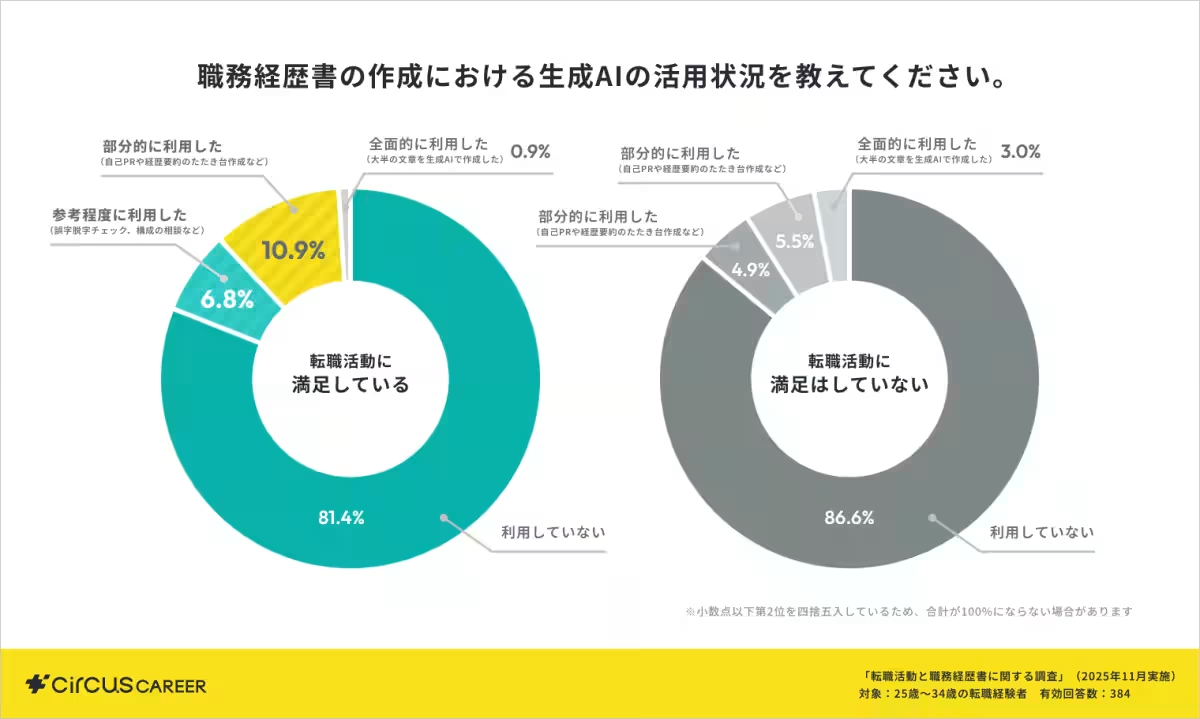
3. AI Utilization: About 16% of all respondents employed generative AI in resume crafting, but this differed across satisfaction levels. Most satisfied users employed AI as a supplementary tool rather than relying wholly on it.
Job Change Satisfaction
The survey's results revealed that nearly 60% of respondents felt satisfied with their job changes. However, the research points out two distinct groups among these individuals: those who effectively utilized digital tools and strategies to refine their resumes versus those who did not.
Resume Crafting Techniques
When examining how resumes were crafted, more than 70% of the satisfied group reported using digital mediums, such as Word or specialized web services, while a significant portion of the dissatisfied group resorted to traditional handwritten resumes, indicating less efficiency. This constant back-and-forth with handwritten documents likely contributed to their lower satisfaction levels.
Time Investment in Resume Preparation
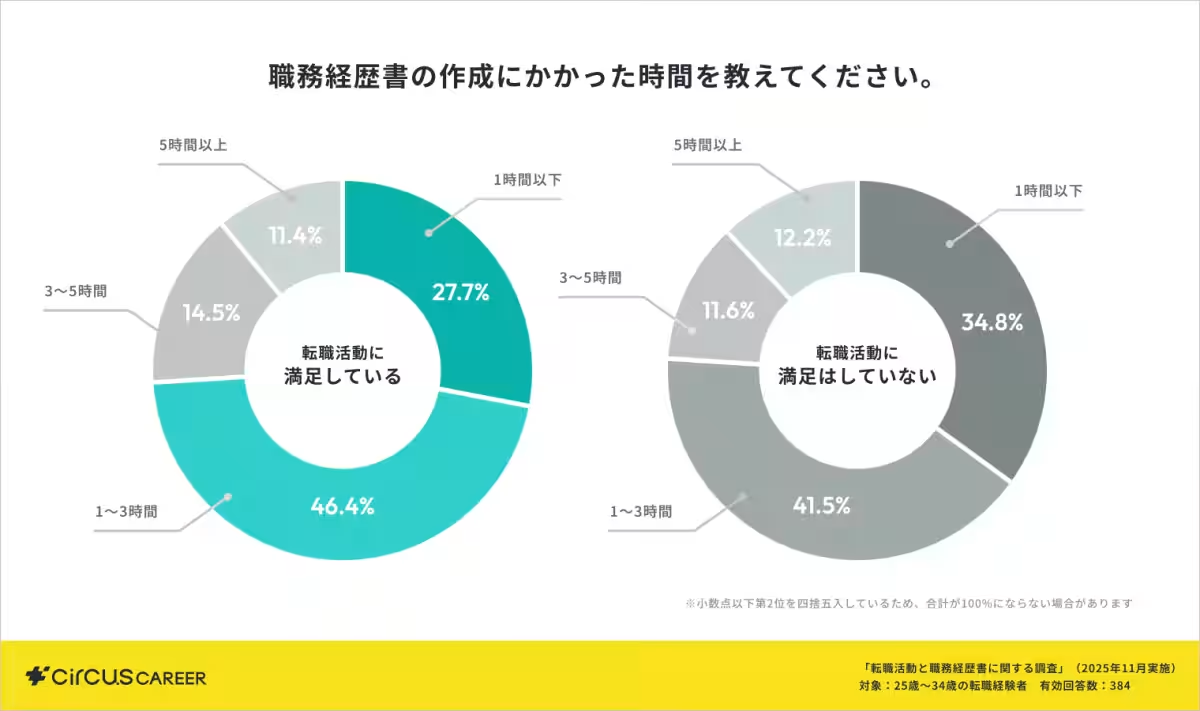
Both satisfaction groups spent a comparable amount of time creating their resumes, typically between 1 to 3 hours. However, among the satisfied group, over 70% completed their resumes in under 3 hours. This suggests that spending excessive time does not guarantee better results.
Resume Customization – The Behavioral Gap
The dichotomy extends to the effort applied in crafting resumes. While 37.8% of unsatisfied respondents admitted to doing nothing of particular note, satisfied individuals were much more proactive in customizing and obtaining feedback on their resumes, showing that the level of engagement directly influenced their job change satisfaction.
Generative AI Usage Trends
Interestingly, a significant majority of respondents, over 80%, did not utilize generative AI for their resumes. Among those who did, satisfied users opted for partial or reference-based usage, while the completely hands-off approach was minimal. This suggests that effective resume crafting requires an active involvement rather than a dependency on AI tools.
Challenges and Reflections
Many participants shared challenges faced during the resume creation process, with common concerns over format, style, and articulating their experiences and achievements. These reflections highlight the importance of digging deep into one’s experience and conveying it effectively.
Conclusion
Overall, the findings from Circus Inc.'s survey underscore that job satisfaction following transitions is deeply tied to how well individuals prepare, especially in how they approach and create their resumes. The need for using advanced tools, engaging in practice and feedback, and retaining a level of personalization versus rote application is imperative. Moreover, even as generative AI continues to evolve, there remains a fundamental need for personal insight and reflection in the job application process. Hence, future strategies should not only focus on leveraging technology but also on enhancing the preparatory experiences of job seekers to aid in their decision-making processes and ensure fulfilling career transitions.
Topics People & Culture)



【About Using Articles】
You can freely use the title and article content by linking to the page where the article is posted.
※ Images cannot be used.
【About Links】
Links are free to use.