



Kumanomics Report: Exploring Collaboration in a Year of Innovation
Kumanomics Report: Exploring New Economic Models
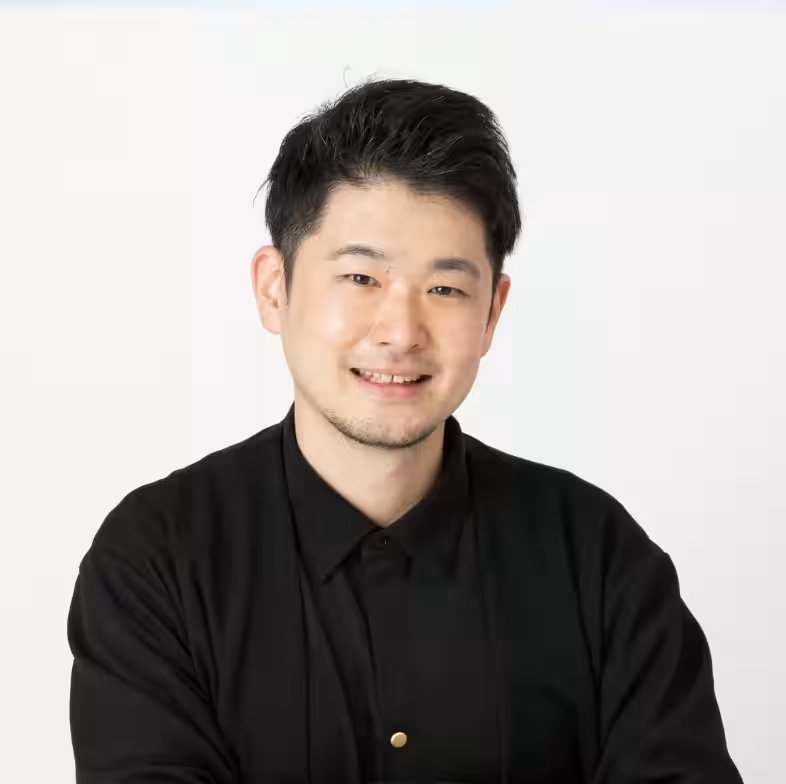
In recent years, the intersection of policy and business has gained significant traction, particularly with the emergence of innovative concepts like Kumanomics. Founded by Naoki Hashimoto in Tokyo’s Setagaya Ward, Kumanomics aims to bridge the gap between diverse sectors, showcasing how they can work together toward sustainable solutions. With the release of the Kumanomics Report, we celebrate their first anniversary, which falls on the symbolic "Kumanomi Day" (September 3).
What is Kumanomics?
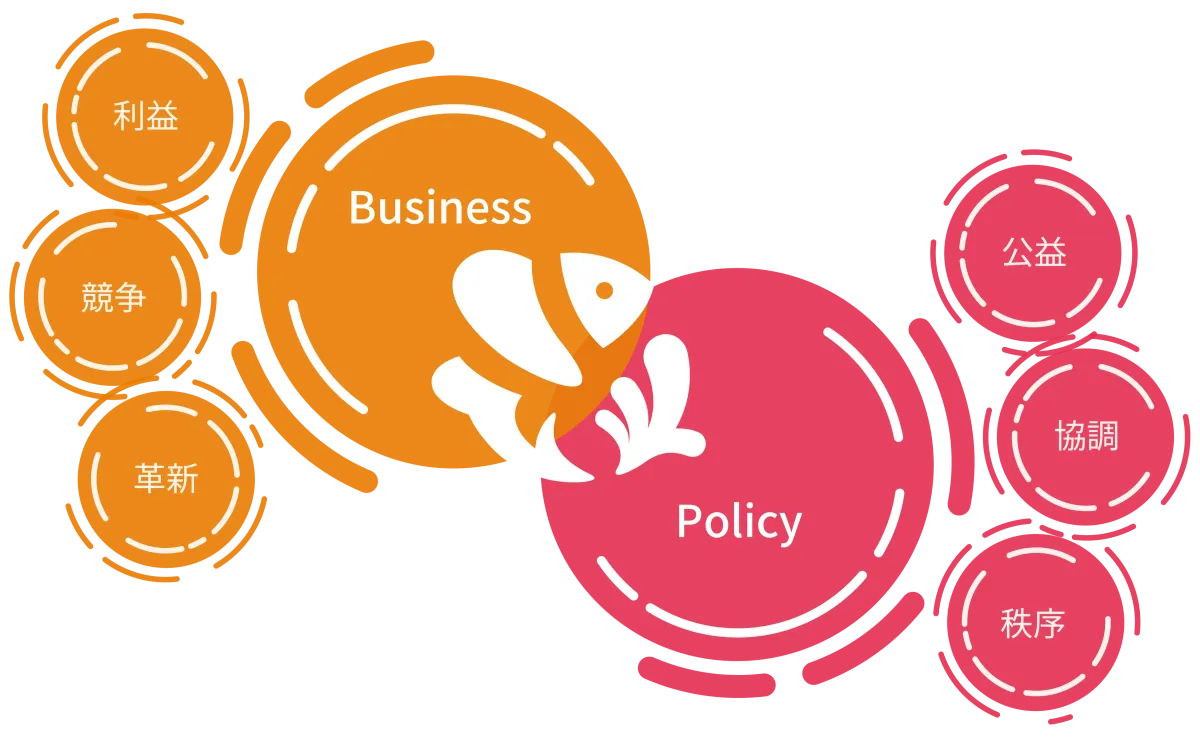
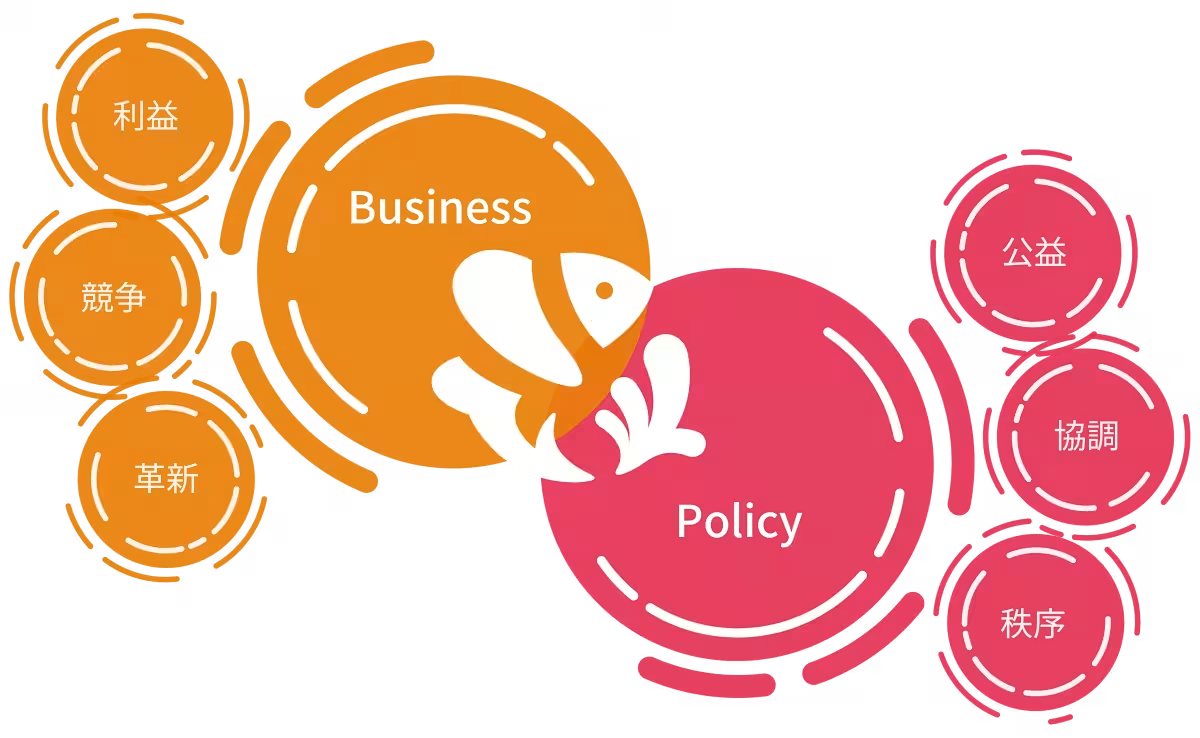
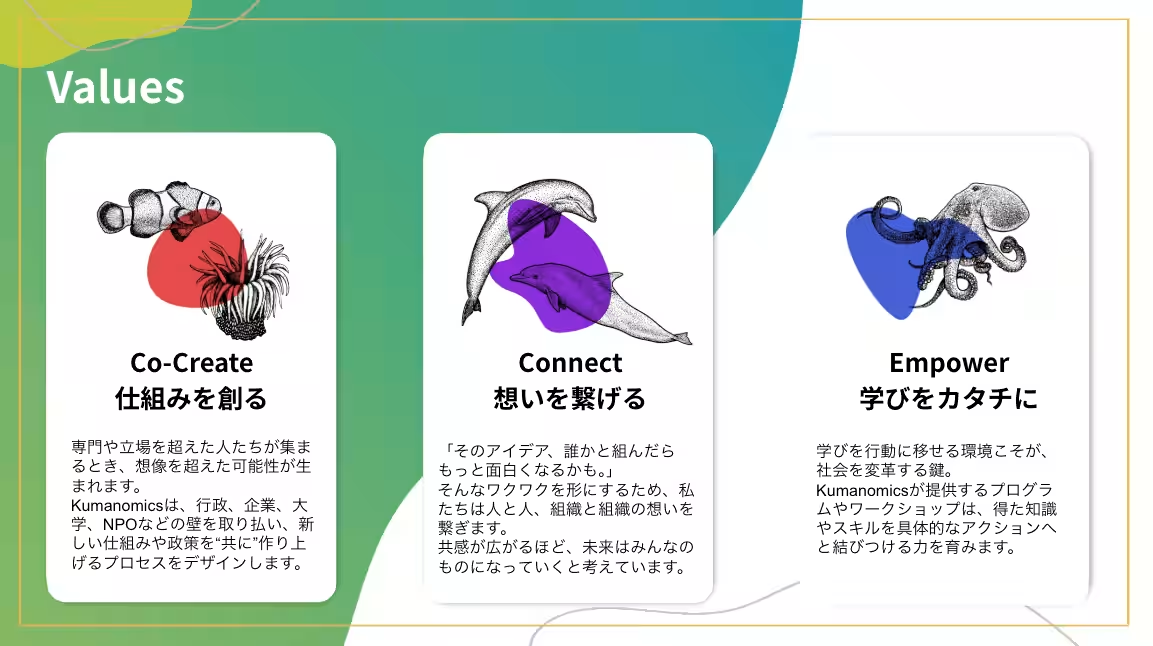
The term "Kumanomics" is a fusion of the ecological system of clownfish and the principles of economics, reflecting the mutualistic relationship these organisms have with anemones. Just as clownfish and anemones thrive through their symbiosis, so too does Kumanomics aspire to create an economic environment where government, business, nature, and individuals support one another. This concept has already begun to manifest through various cross-sector activities, including consortiums and educational initiatives.
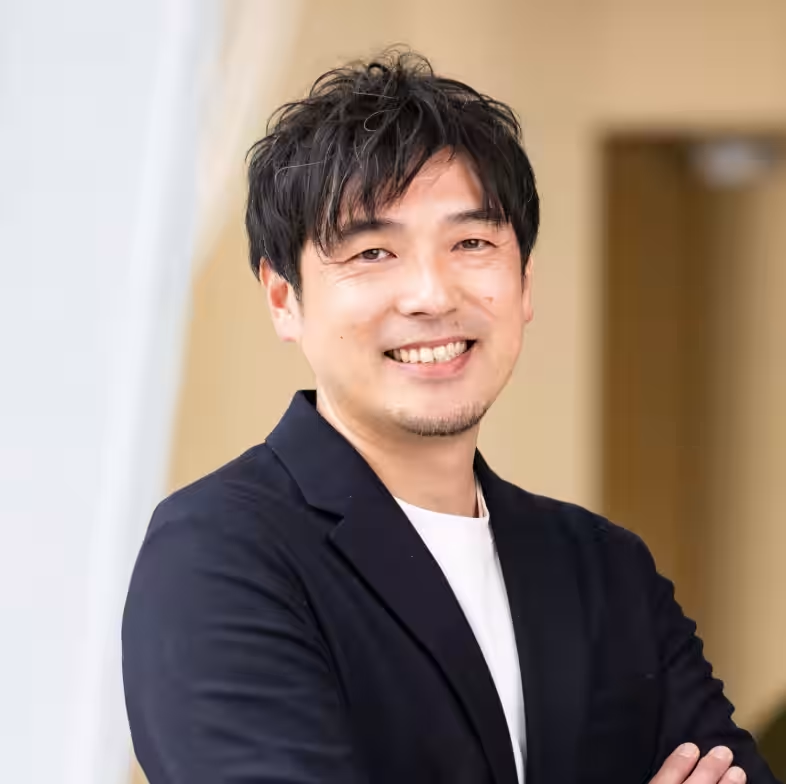
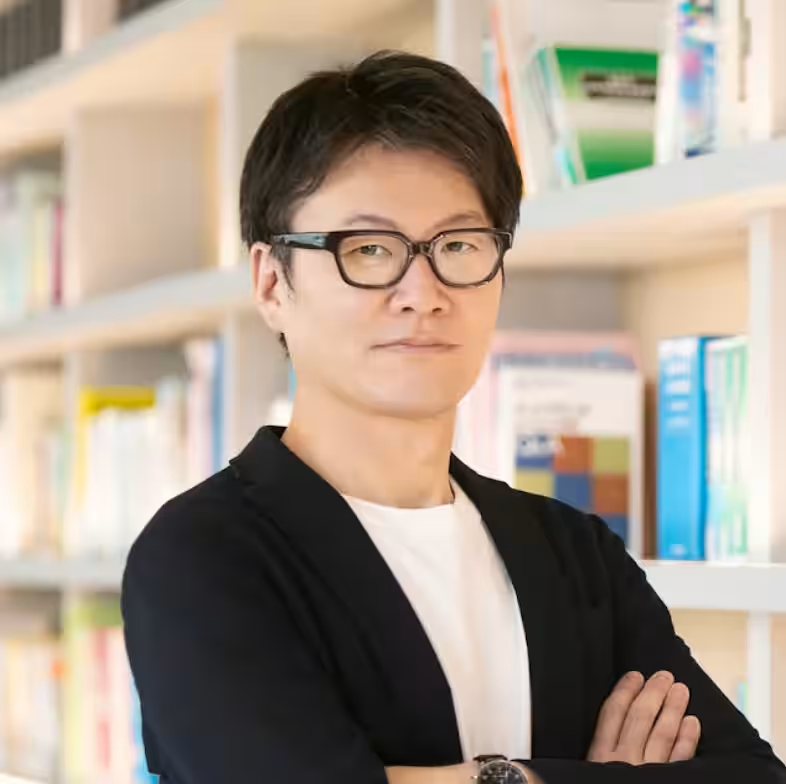
Naoki Hashimoto, the founder and CEO, emphasizes the importance of understanding both the broader societal structure and local community dynamics. After graduating from the University of Tokyo, Hashimoto entered the Ministry of Economy, Trade and Industry (METI), where he worked on creative industry and small business policies. His unique perspective, bolstered by further education at Parsons School of Design in the United States, meets the intricate designs of policy and business that enable cross-sector collaborations.
The Team Behind Kumanomics
Kumanomics boasts a diverse team of experts in various fields, each bringing their own backgrounds to foster effective collaborations. Some key members include:
- - Ryota Kosuge: A former METI bureaucrat and community manager, Kosuge leads public-private partnerships and community-driven solutions in collaboration with local stakeholders.
- - Yosuke Kubota: With extensive experience in corporate branding, Kubota devises innovative strategies that empower businesses to connect with their communities.
- - Miki Shimizu: Formerly in pharmaceutical marketing, Shimizu focuses on training and development, ensuring community initiatives benefit from expertise in technology and communication.
- - Masayuki Toyama: A veteran in design policy, Toyama's expertise ensures Kumanomics utilizes design thinking to harness creative solutions for economic challenges.
- - Midori Hashimoto: Originally a nurse, she now enhances the Kumanomics brand through effective public relations strategies.
Kumanomics Report: A Year of Impact
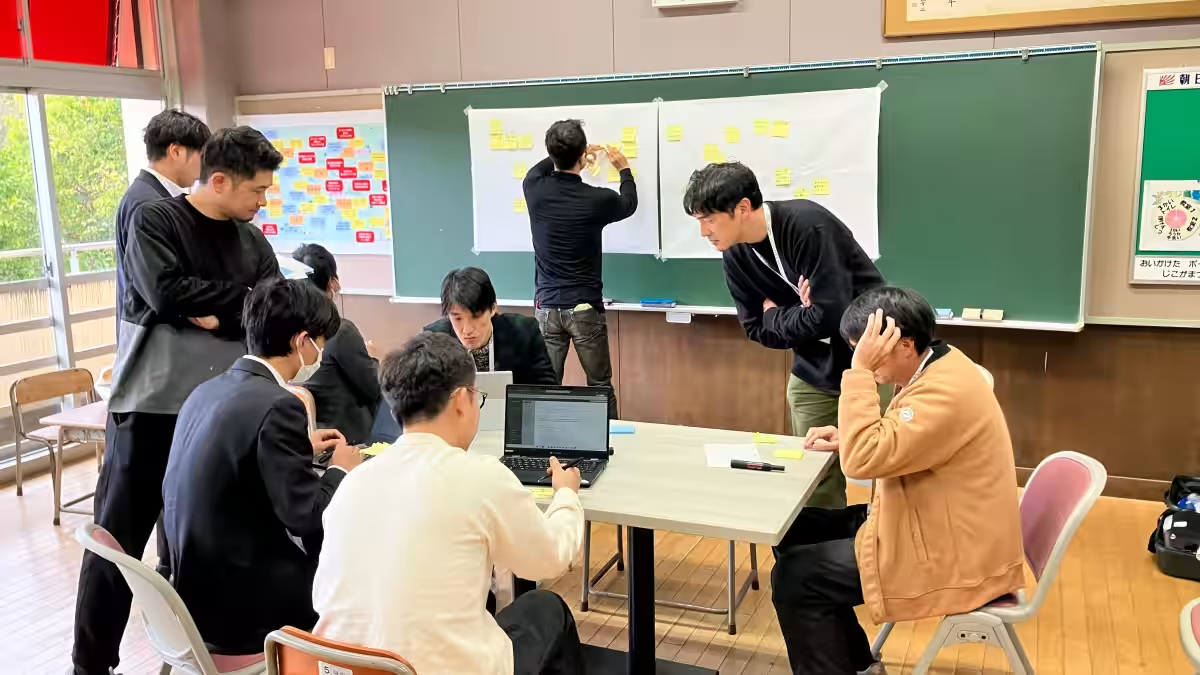
The Kumanomics Report encapsulates the diverse initiatives undertaken over the year, including collaborative workshops, community dialogues, and socioeconomic studies. Noteworthy projects highlighted in the report include:
- - WaaS Co-Creation Consortium: Organizing fieldwork in Miyagi Prefecture, this consortium explores new experimental themes involving seven leading Japanese companies, effectively identifying and addressing local assets and challenges.
- - Toranomon Hills Glass Rock: A new hub designed for cross-sector social issue resolution, this initiative fosters partnerships between local governments and non-profit organizations to stimulate community-oriented solutions.
- - New Public Interest Alliance: Addressing the evolving role of NPOs, Kumanomics collaborates with over 200 NPOs to reimagine their missions and effectiveness in societal problem-solving.
Through these collaborations, Kumanomics aims to cultivate a new social mindset that transcends traditional barriers between sectors. The goal is to empower individuals and communities, allowing them to take charge of policy-making and contribute to social transformation. It is imperative that such initiatives continue to flourish, as they pave the way for a future where the responsibility for policy and societal well-being is shared among all members of society.
A Call for Nomadic Policy Makers
Hashimoto advocates for a new breed of "nomadic policy makers"—individuals unbound by organizational confines who actively engage in community-specific issues. By embracing this philosophy, Kumanomics envisions a decentralized approach to policy-making, promoting several grassroots movements to address pressing challenges.
In closing, Kumanomics stands as a model for innovative collaboration, demonstrating how multiple sectors can come together to address societal challenges creatively. As the organization moves forward, their commitment to fostering cross-sector partnerships will undoubtedly continue to inspire new ways to think about economics and community.


Topics Other)
【About Using Articles】
You can freely use the title and article content by linking to the page where the article is posted.
※ Images cannot be used.
【About Links】
Links are free to use.