



Insights from Extensive Survey on Direct Mail Advertising Behavior Among Consumers
Understanding Consumer Behavior in Direct Mail Advertising
In a world increasingly dominated by digital marketing, traditional forms of advertising such as direct mail still play a crucial role, especially for local businesses. A recent survey conducted by Ato Co., Ltd. explored the interactions, selection criteria, and behaviors of consumers aged between 20 to 60 regarding direct mail advertising. This investigative study sheds light on the habits of consumers and reveals the psychological processes behind their decision-making when faced with direct mail advertisements.
Study Overview
Ato Co., Ltd. carried out a survey titled "Interaction, Selection, and Action in Direct Mail Advertising," targeting 1,009 respondents from different demographics. The survey was conducted online from February 26 to 27, 2026, using PRIZMA, a leading research platform.
Daily Interaction with Mailboxes
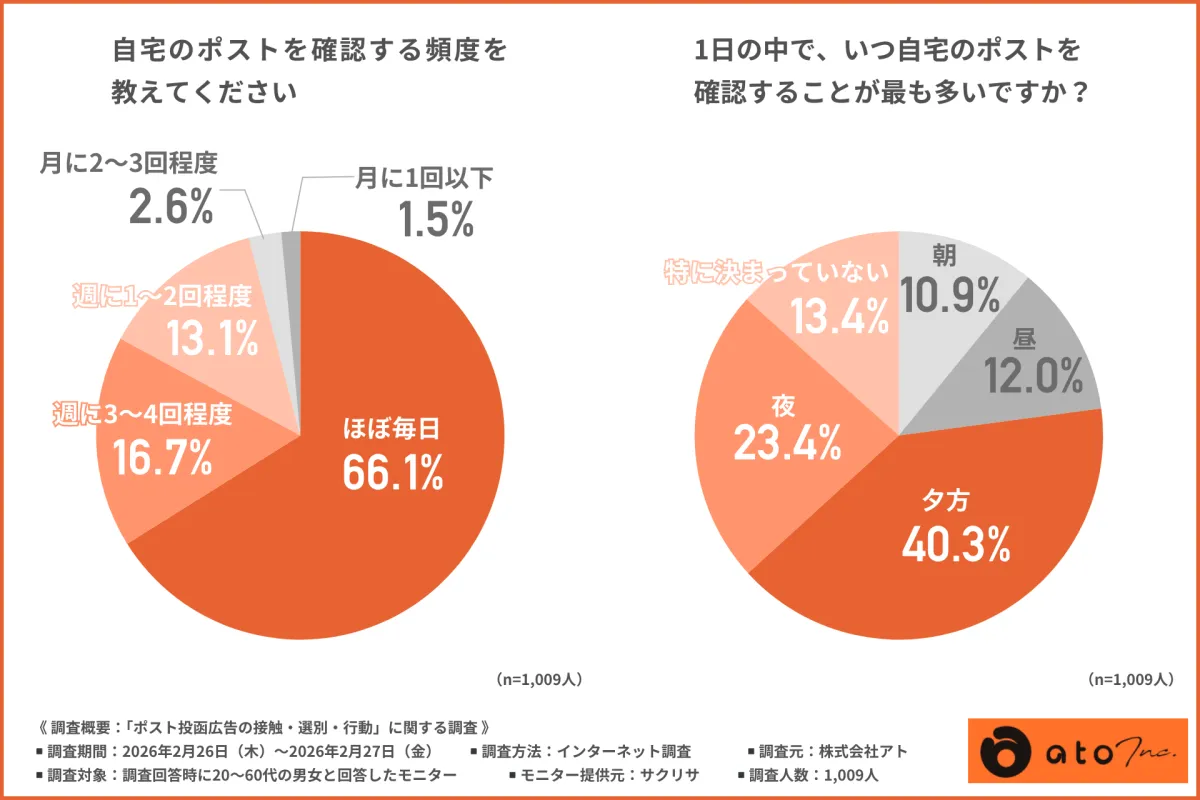
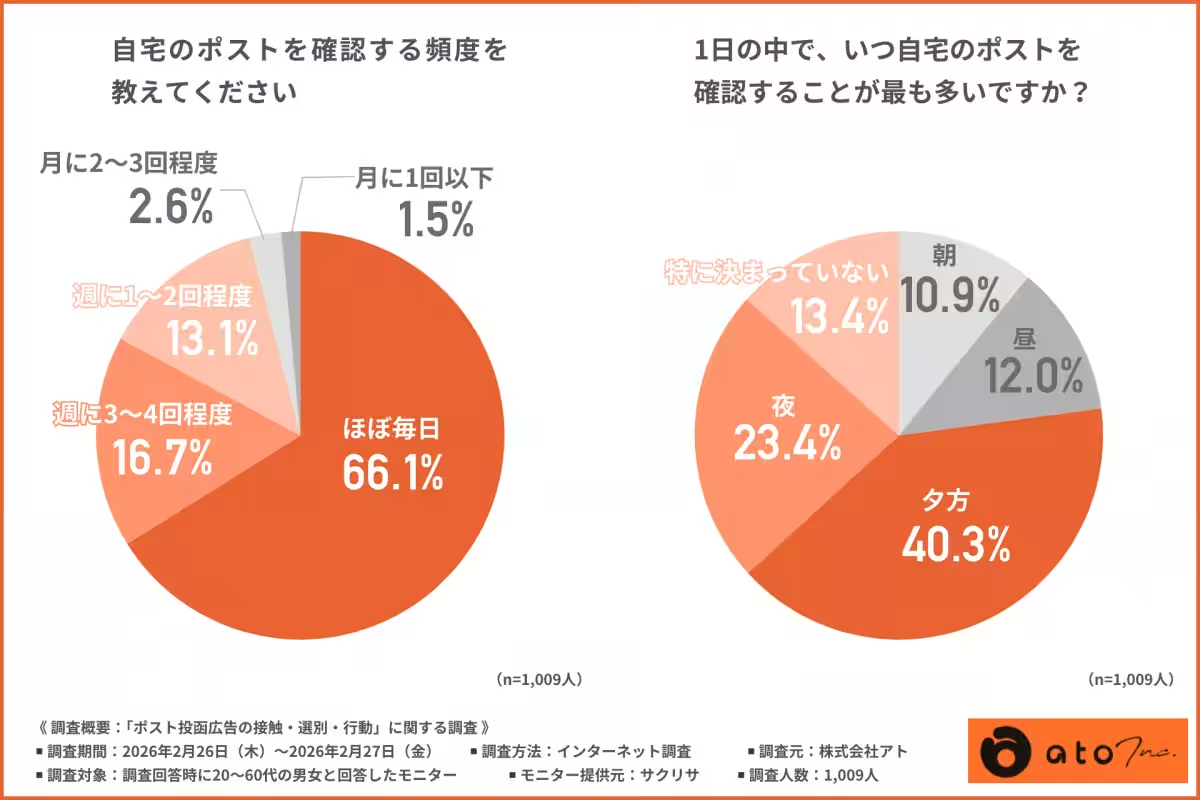
Findings from the survey indicate that a striking 66.1% of participants check their mailboxes almost daily. Only 16.7% do so 3 to 4 times a week, with 13.1% checking 1 to 2 times a week. This frequent engagement reveals that checking mail is a well-established habit for many consumers, despite the omnipresence of digital information.
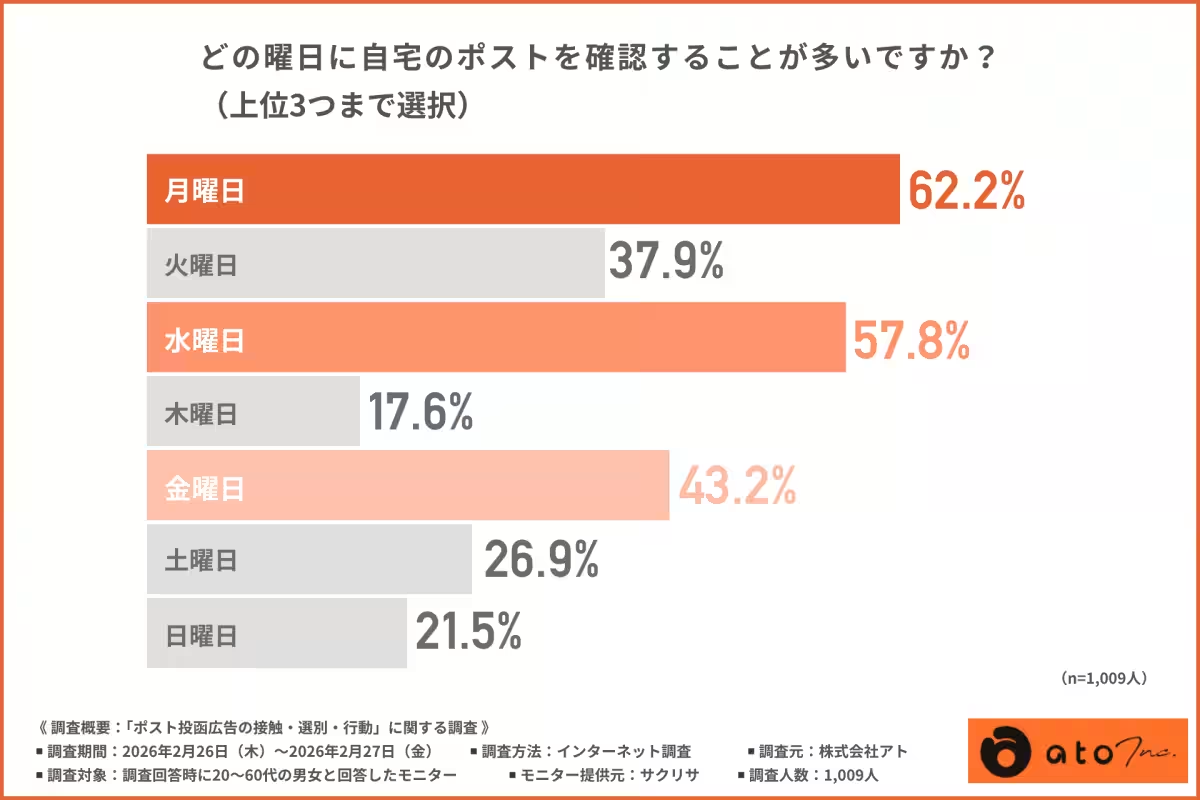
The preferred times for checking the mailbox are predominantly in the evening (40.3%) and at night (23.4%), suggesting that consumers often retrieve their mail after work or errands. Interestingly, mailbox checks are more frequent on Mondays (62.2%), Wednesdays (57.8%), and Fridays (43.2%), while Thursdays and weekends see reduced activity, implying a rhythm in consumer behavior influenced by weekly schedules.
Attention to Direct Mail Content
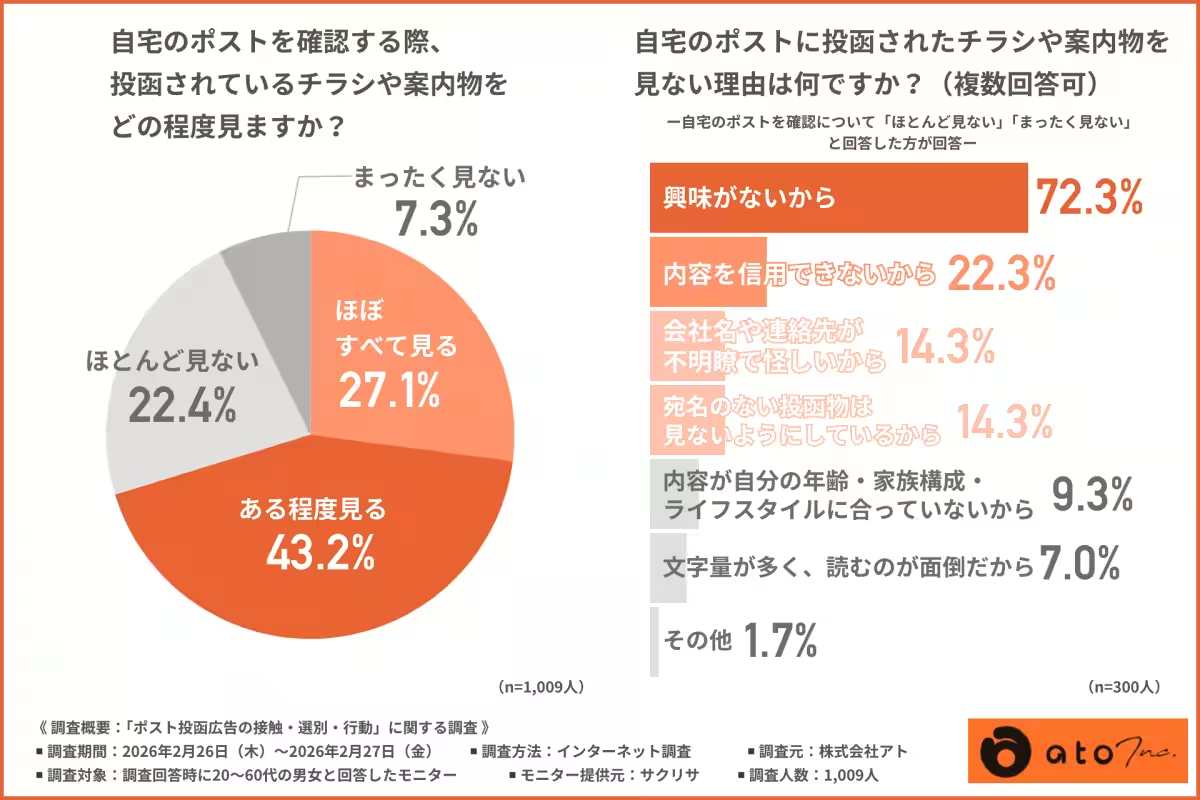
When addressing how closely respondents examine the contents of their mail, approximately 70% stated they either read almost all (27.1%) or a fair amount (43.2%) of the flyers and notices received. This contradicts the common perception that direct mail is often discarded without a second thought. It appears that people significantly screen their mail, asserting a necessary filtering process before determining relevance.
Conversely, those who hardly read any of the mail cited a lack of interest (72.3%) as the primary reason. Other notable reasons for ignoring direct mail included doubts about its credibility (22.3%) and unclear sender information (14.3%). This highlights a fundamental mismatch in perceptions and interests between advertisers and consumers.
Effective Categories of Direct Mail
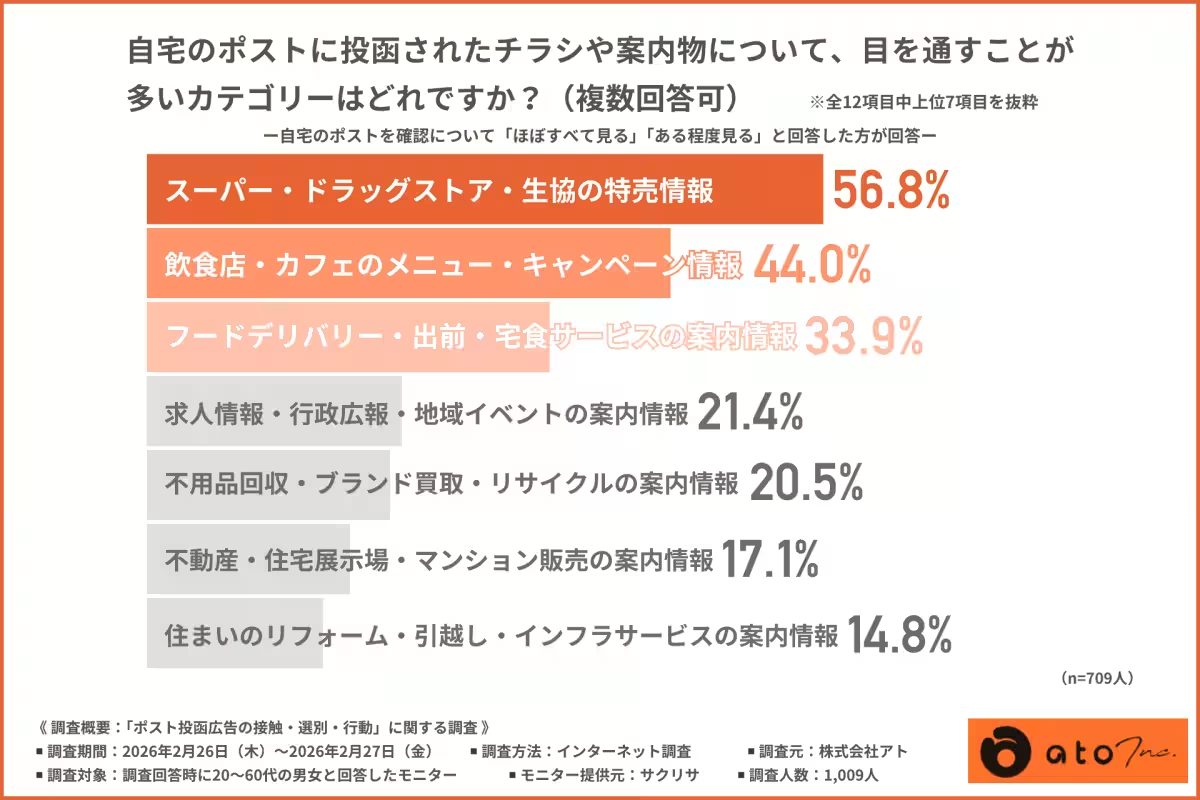
Respondents who claimed to read their mail mostly showed interest in categories such as supermarket discount information (56.8%), restaurant promotions (44.0%), and food delivery services (33.9%). Consumers are more inclined to engage with content that directly impacts their daily lives, particularly information relevant to their immediate needs.
Action Taken Post-Engagement
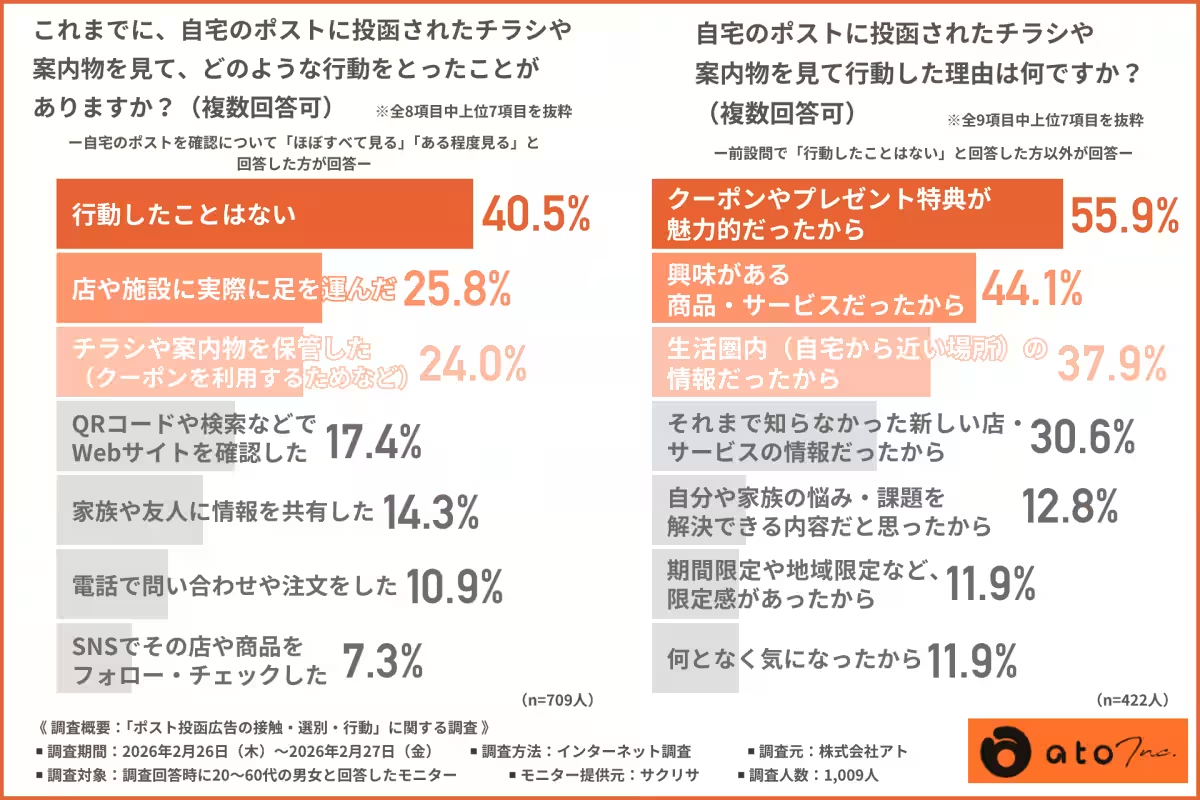
Among those who have responded to direct mail marketing, 40.5% reported never having taken any action, while 25.8% visited a store or facility after viewing a flyer, and 24.0% kept the promotional materials for later use. Although a significant number stated they took no action, many still demonstrated tangible behaviors relating to the ads, indicating that direct mail can prompt consumer actions based on specific incentives.
Key Motivations for Engagement
When delving deeper into what drives consumers to respond to direct mail, most respondents cited attractions like appealing coupons or promotional incentives (55.9%). The proximity of the services or offers to their homes (37.9%) and personal interests (44.1%) were also significant motivating factors. This reflects a consumer mindset that values tangible benefits that influence their purchasing decisions.
Divergence in Perceptions
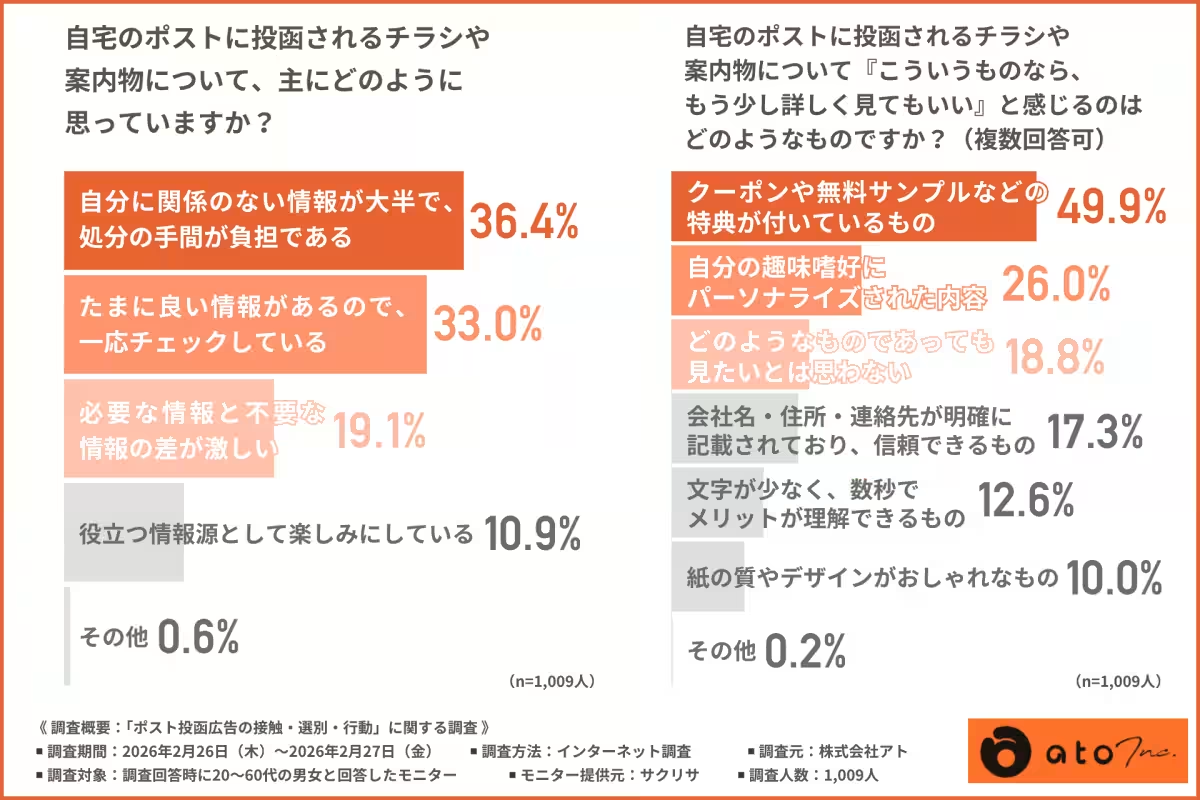
While many consumers appreciate the opportunity for valuable information, there exists a split in sentiment around direct mail. 36.4% feel burdened by the amount of irrelevant information they receive, adding to the mental load of dealing with unread materials. Conversely, approximately 33.0% check their mail for the chance of discovering useful information, indicating that perceptions of direct mail can vary widely.
Moreover, when asked what type of material would warrant closer examination, nearly 50% indicated that offers including coupons or free samples would significantly increase their interest, followed by content tailored to their interests (26.0%). Such insights point to the clear need for advertisers to ensure that their mail is perceived as relevant and beneficial.
Conclusion
The findings from this extensive survey illustrate the dynamics and interactions consumers have with direct mail advertising. High engagement rates coupled with concerns about relevance and interest highlight significant opportunities for businesses aiming to enhance their direct mail strategies. The key lies in creating promotional content that resonates with consumers’ daily lives, providing tangible benefits, and assuring trust and relevance. Ato Co., Ltd. is at the forefront of this effort, offering effective direct mail advertising solutions that leverage data-driven strategies to connect businesses with consumers effectively.
For more information on optimizing direct mail strategies, visit Ato Co., Ltd.'s website.
Topics Consumer Products & Retail)
【About Using Articles】
You can freely use the title and article content by linking to the page where the article is posted.
※ Images cannot be used.
【About Links】
Links are free to use.