



Asanuma Corporation's Innovative Soil-Based Wall Wins JID Award 2025 Gold Prize
An Innovative Leap in Construction: Asanuma Corporation's Award-Winning Soil Wall
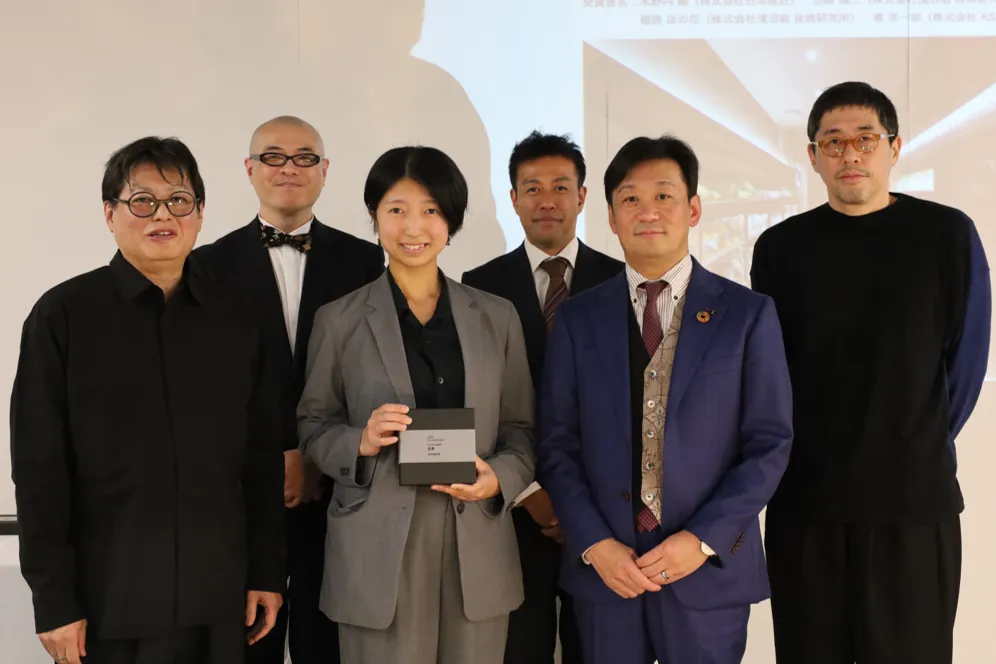
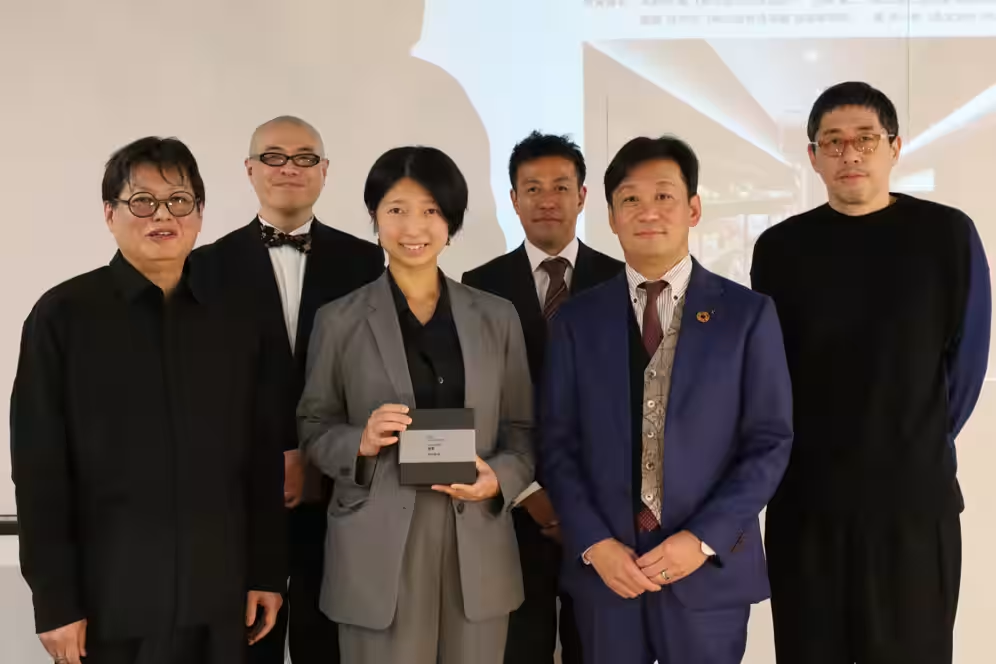
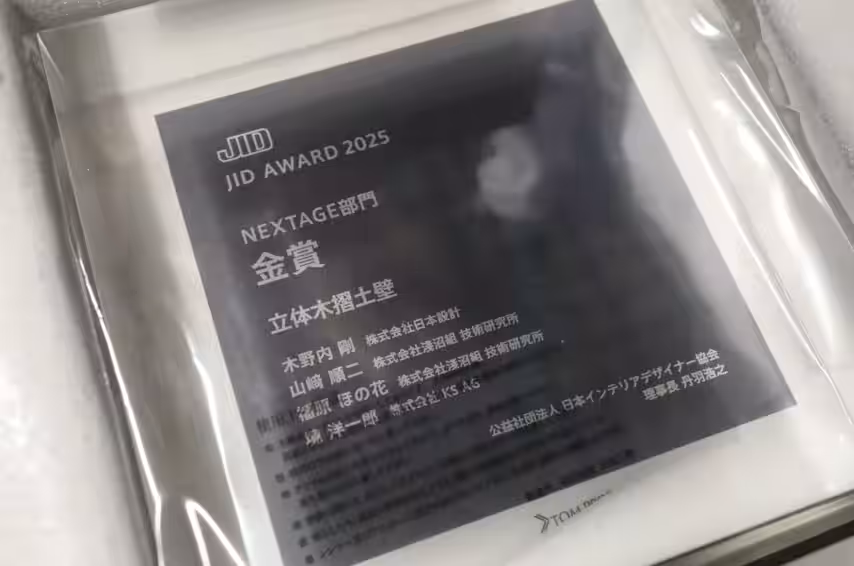
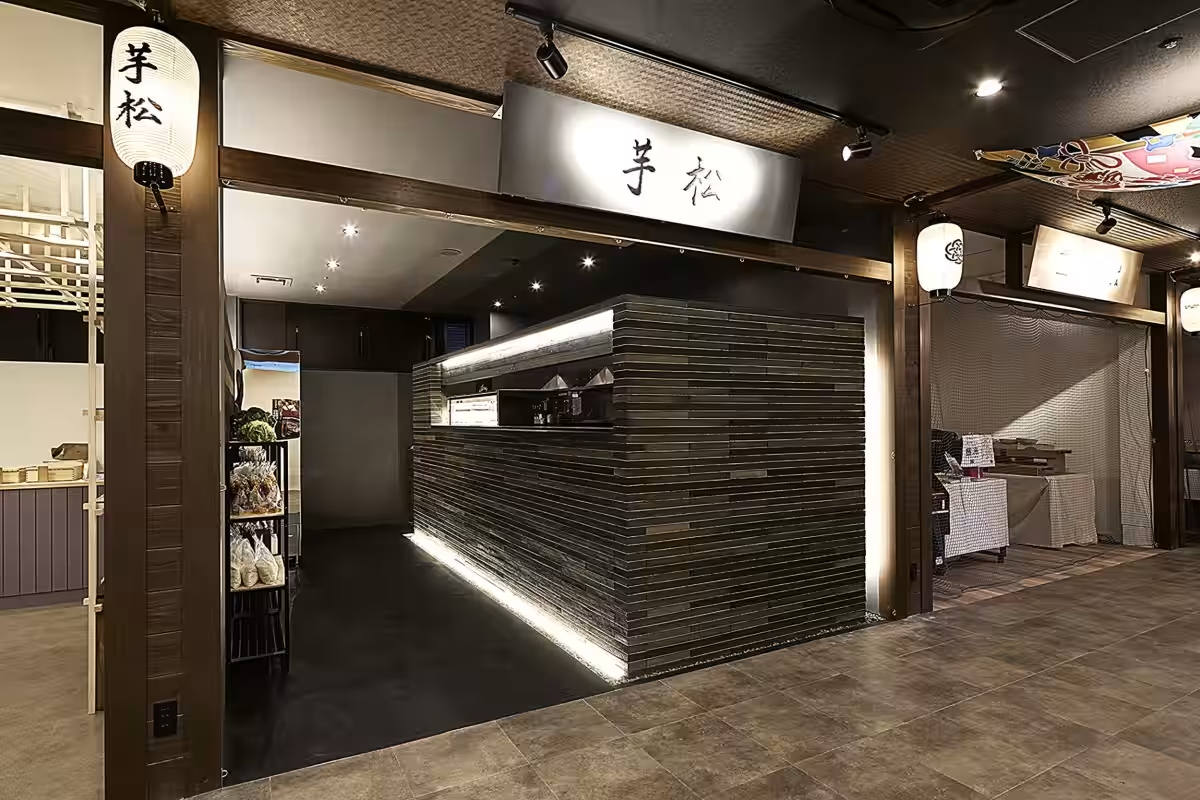
Asanuma Corporation, based in Naniwa-ku, Osaka, has recently attained remarkable recognition in the construction sector with its creation of the "Soil-Based Wall System" (立体木摺土壁, Rittai Kiburi Tsuchi Kabe). This innovative approach, aimed at utilizing earth materials, clinched the gold prize in the NEXTAGE division of the JID AWARD 2025, organized by the Japan Interior Designers Association (JID). This accomplishment marks the second prestigious award for the soil wall system, following its recognition with a Good Design Award in 2025 for the installation at the Imomatsu Toyosu Senkakumanrai Store.
The Philosophy Behind the Soil-Based Wall
Asanuma Corporation embraces the philosophy that the future of the construction industry lies in creating sustainable systems beneficial for both humanity and the environment. The Soil-Based Wall was conceptualized as part of their initiatives to focus on circular materials and methodologies. The groundwork for this innovative wall was established during the renovation of Asanuma's Nagoya branch in 2021, where architect Tsuyoshi Kinoshita of Nippon Sekkei visited, prompting the development of the wall.
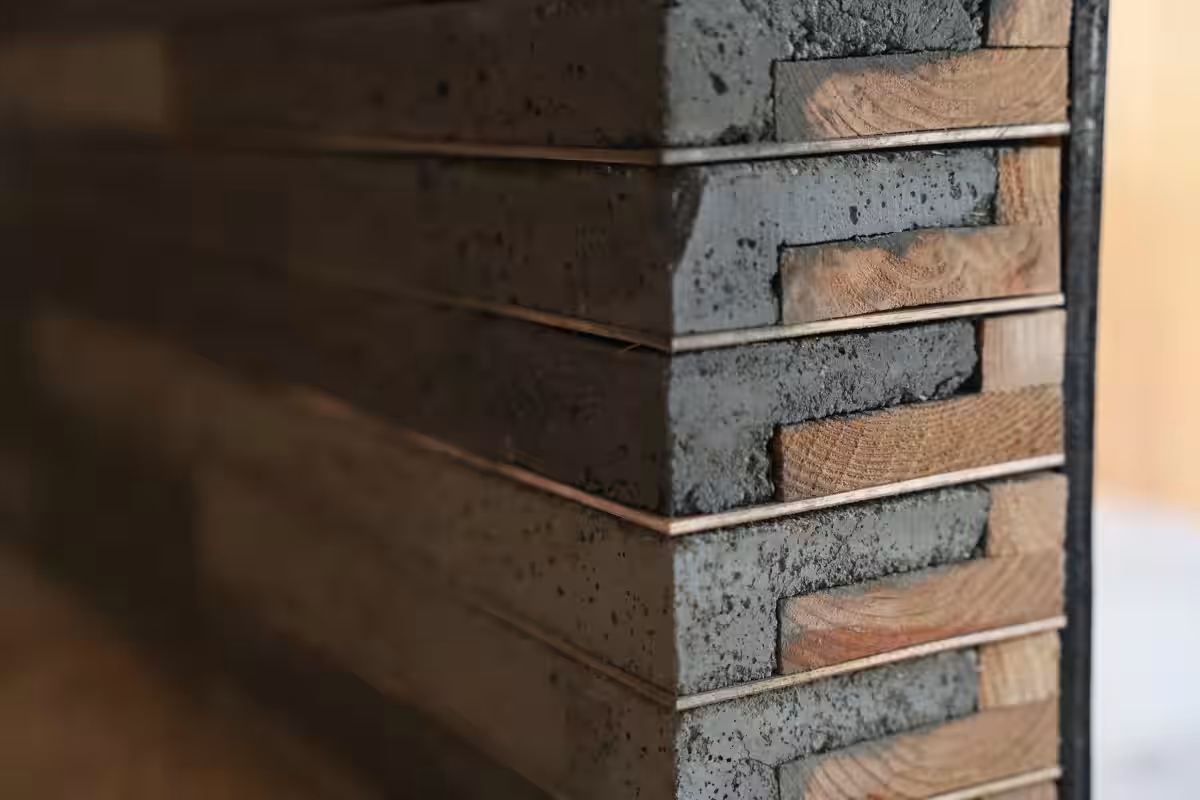
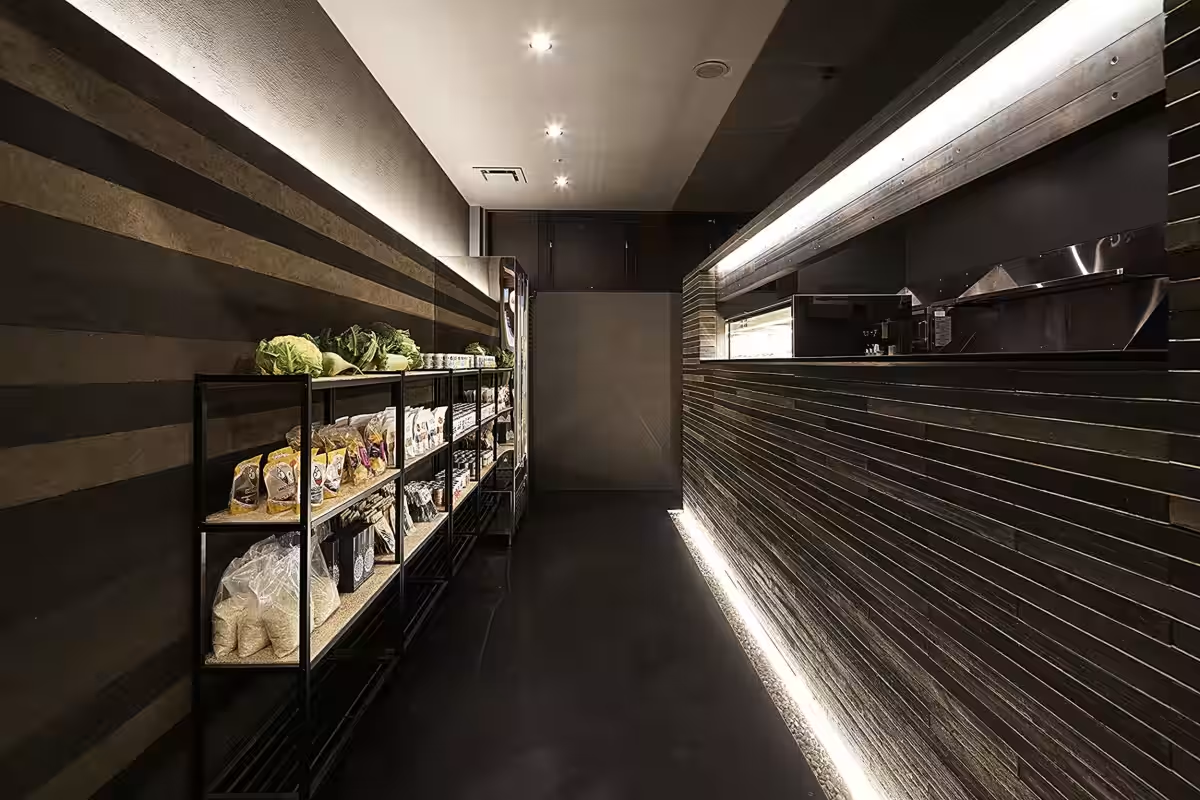
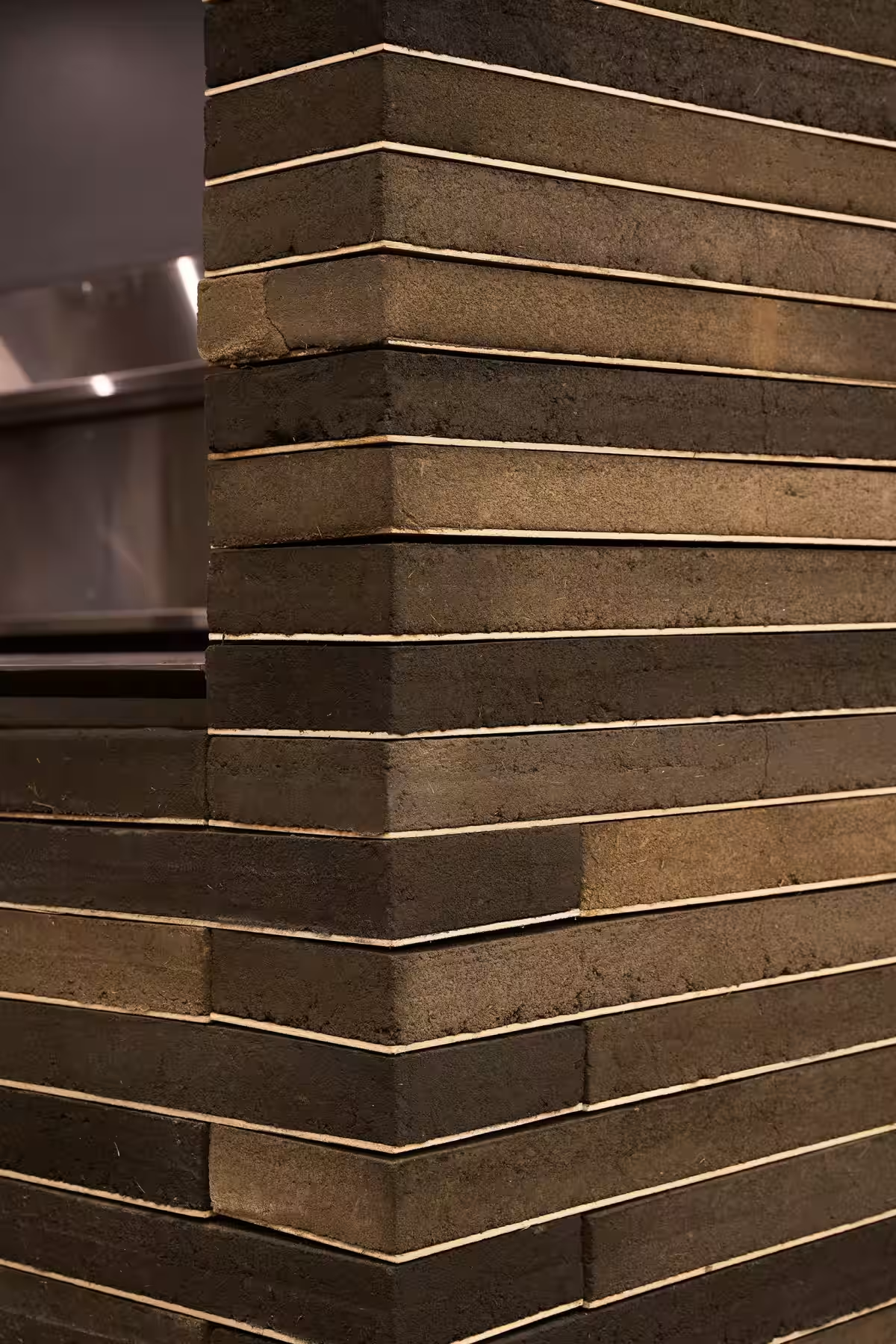
The Soil-Based Wall is crafted from locally sourced earth and natural materials, such as straw and sawdust, creating a layered structure of soil and wood. This design utilizes techniques from the ancient practice of sun-dried bricks, developed uniquely by Asanuma for interior decoration. The self-supporting wall structure enhances stability while being lightweight, which leads to quicker installation times. By exclusively using natural materials, the wall system boasts low carbon emissions during construction, effective carbon sequestration, and offers excellent moisture absorption and release properties, thus improving indoor air quality. The company is also pursuing fireproof certification to broaden the wall system's applicability in future projects. (Patent No. 7723873)
Understanding JID AWARD
Established in 1958, the Japan Interior Designers Association (JID) created its association award to celebrate outstanding works and contributions in Japanese interior design. Renamed JID AWARD in 1994, the award evolved to a public solicitation method and now comprises three divisions: space, product, and the NEXTAGE division, which includes proposals and experimental works. Each division undergoes a rigorous selection process, ensuring that only exceptional designs receive accolades.
The Imomatsu Toyosu Senkakumanrai Store
The Imomatsu Toyosu Senkakumanrai Store is a new dining and retail establishment by Imomatsu, a vegetable wholesaler at Toyosu Market, which aims to expand into new business territories. The architect, Tsuyoshi Kinoshita, proposed using soil, an element of traditional Japanese architecture, as the primary material. This unique design features the Soil-Based Wall, showcasing the texture of local soil and enhancing regional culinary culture by offering fresh produce in a culturally immersive environment.
Store Overview
- - Store Name: Imomatsu Senkakumanrai Store
- - Location: 6-5-1 Toyosu, Koto-ku, Tokyo, Japan
- - Operating Company: Imomatsu Corporation
- - Designer: Tsuyoshi Kinoshita (Nippon Sekkei)
- - Technical Development & Construction: Asanuma Corporation
- - Construction Cooperation: KS AG
JID Award 2025 Summary
The JID AWARD 2025 recognizes a number of outstanding projects, including:
- - Grand Prize: Awarded to one exceptional work.
- - Gold Prize: Multiple recipients in three divisions.
- - Silver and Bronze Prizes: Recognizing several standout projects within each division.
Conclusion
Asanuma Corporation is not just a construction firm but a pioneer in creating sustainable design practices that align with modern environmental expectations. With over 130 years in the industry, they continue to innovate, proving that past methods can harmoniously coexist with today's technological advances—a vision promising a brighter future for the construction industry.




Topics Consumer Products & Retail)
【About Using Articles】
You can freely use the title and article content by linking to the page where the article is posted.
※ Images cannot be used.
【About Links】
Links are free to use.