



Survey Reveals 61.5% of Investment Scam Victims Recognized Fraud Before Payment
Awareness Against Investment Scams
In June 2026, Tanaka Yasuhiro Law Firm, based in Shinjuku, Tokyo, conducted a significant survey to shed light on investment scams, focusing particularly on when victims became aware of fraudulent schemes. This survey, which targeted individuals with experiences of investment fraud, gathered responses from 200 participants through an online questionnaire platform called Freeasy.
Key Findings from the Study
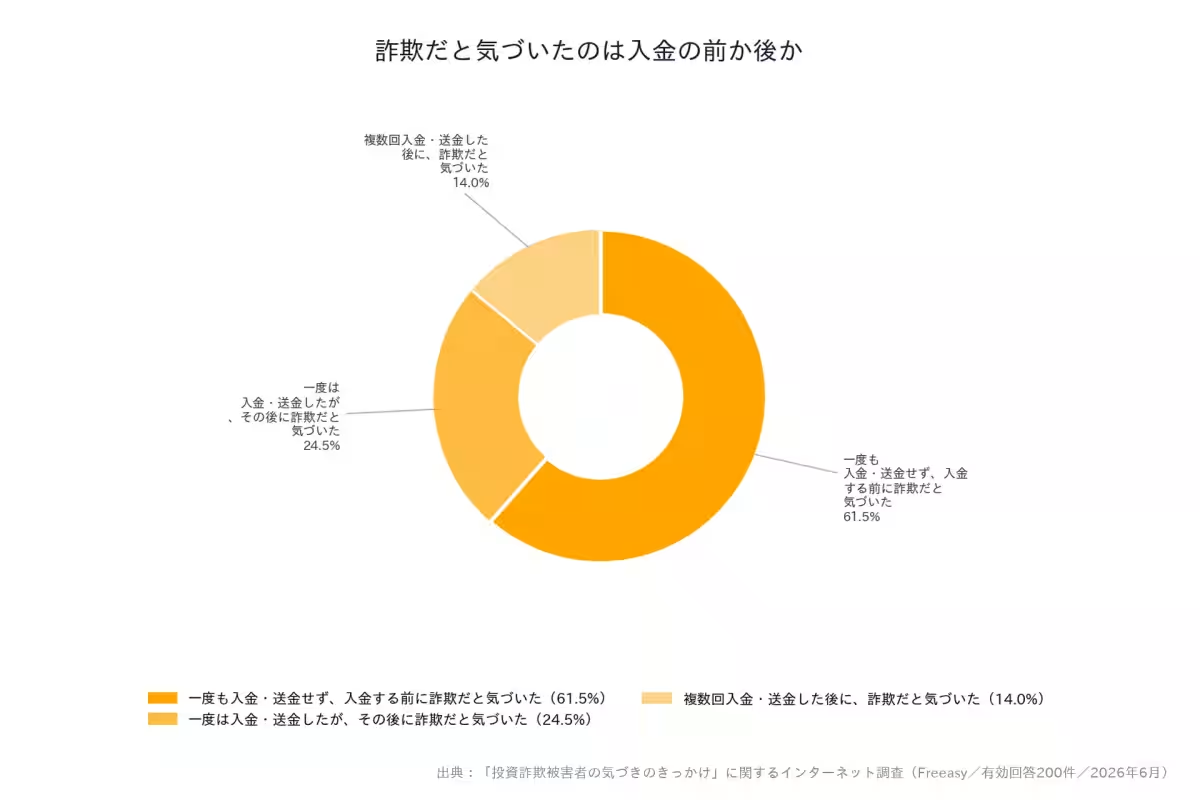
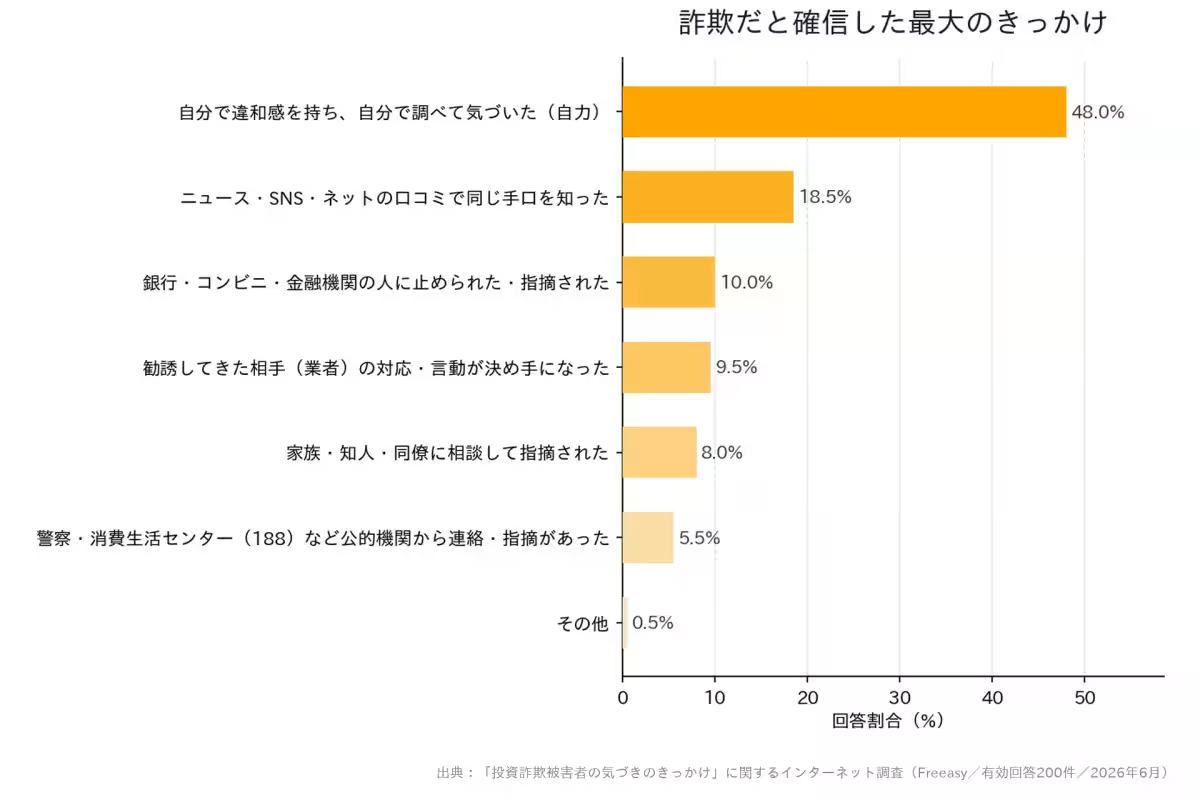
The findings revealed that a striking 61.5% of those surveyed noticed the fraud before making any payments. This counters the common belief that once someone falls prey to investment scams, they remain oblivious to the ongoing deception. Surprisingly, nearly half (48.0%) of the participants reported that they managed to ascertain the scam independently, indicating a significant level of awareness and investigative initiative among potential victims.
Summary of Survey Insights
- - Pre-payment Awareness: 61.5% became aware of the fraud before any payment was made.
- - Self-Detection: The primary reason for this early recognition was cited as personal research, accounting for 48.0% of responses.
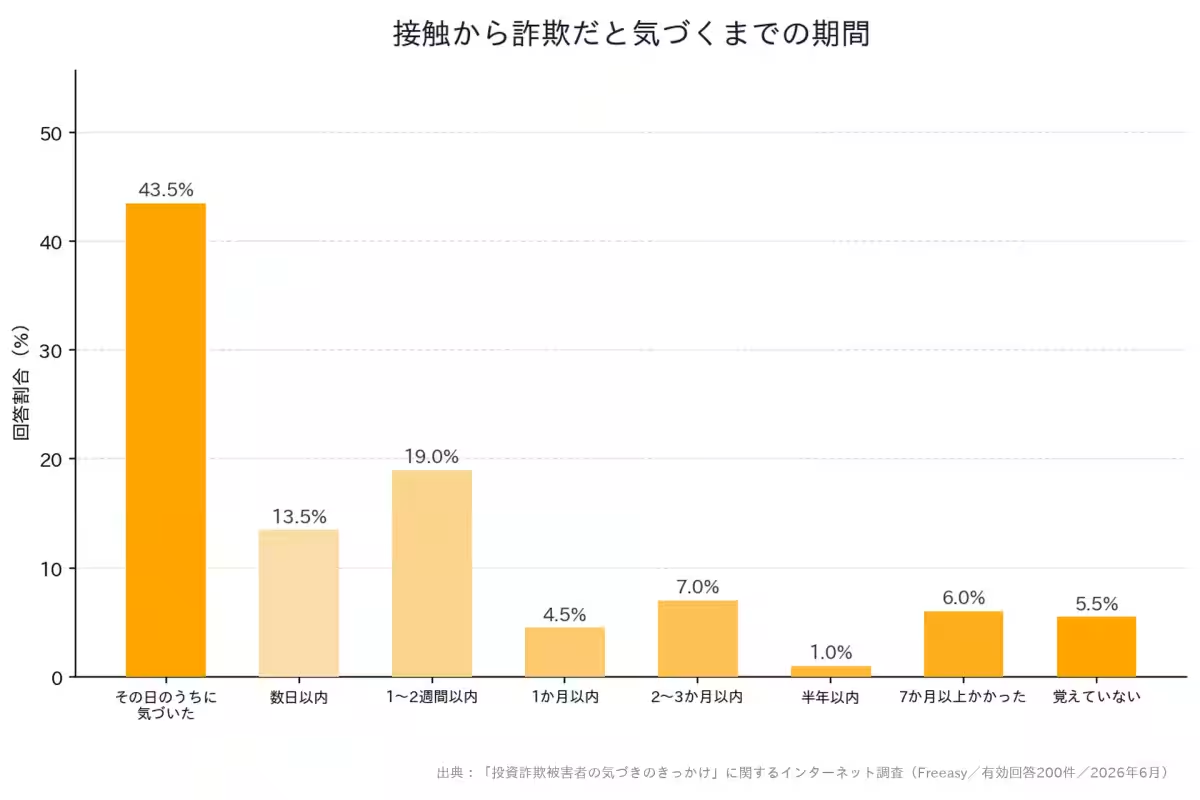
- - Immediate Recognition: 43.5% recognized the scam on the same day they were approached.
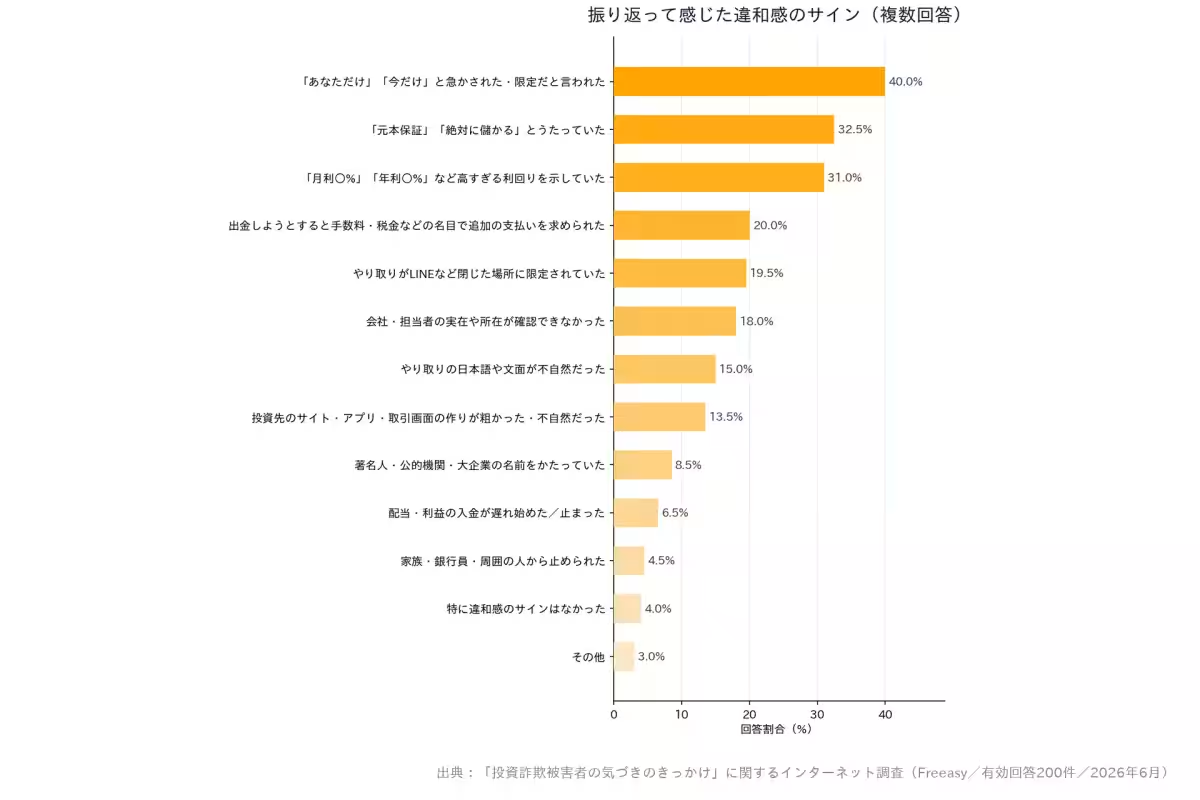
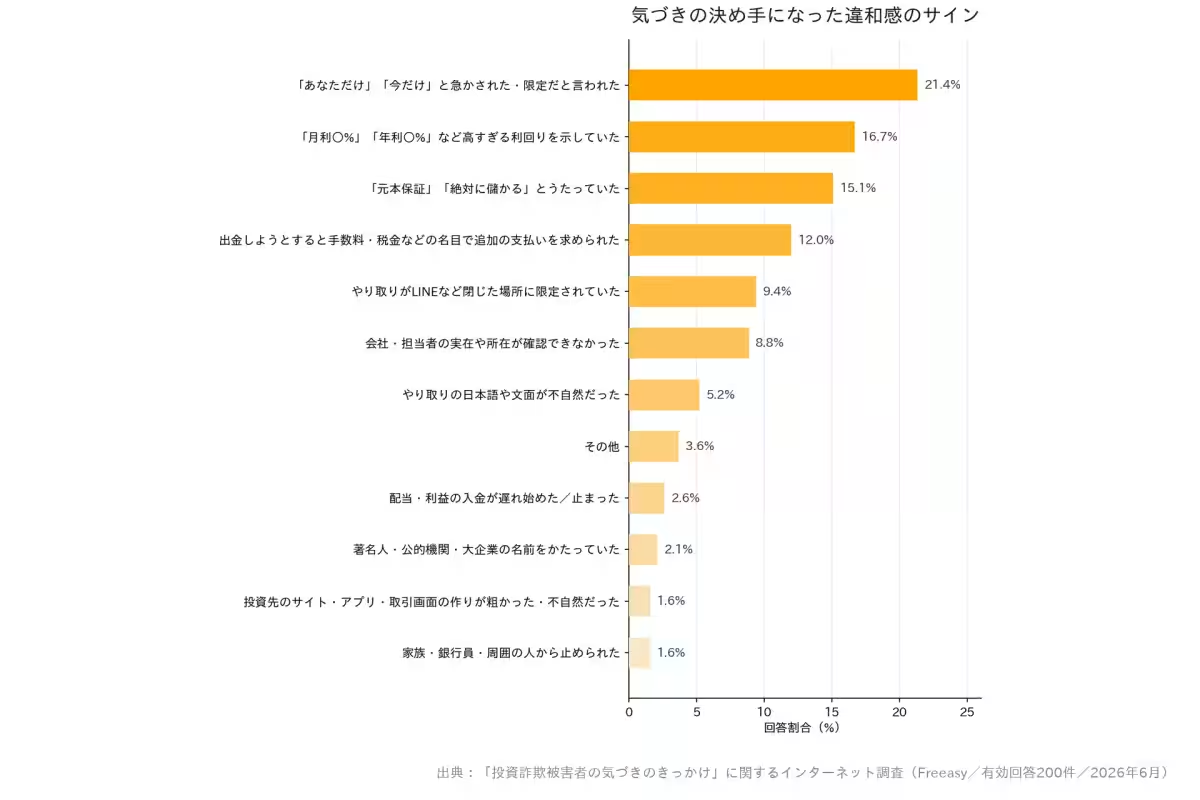
- - Signs of Deception: The most common signs that raised suspicion were pressure tactics (40.0% noted urgency in offers).
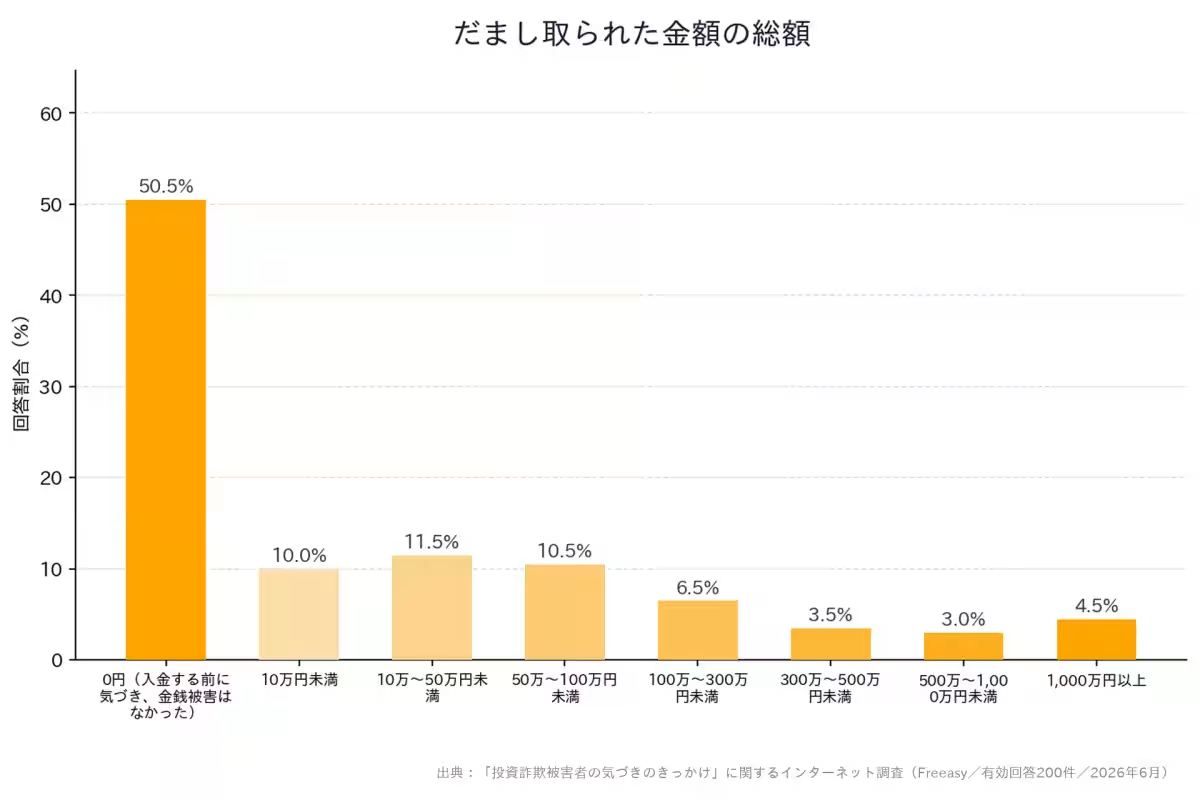
- - Financial Loss: More than half, 50.5%, experienced no monetary loss, having identified the fraud before committing any funds.
Path of Discovery
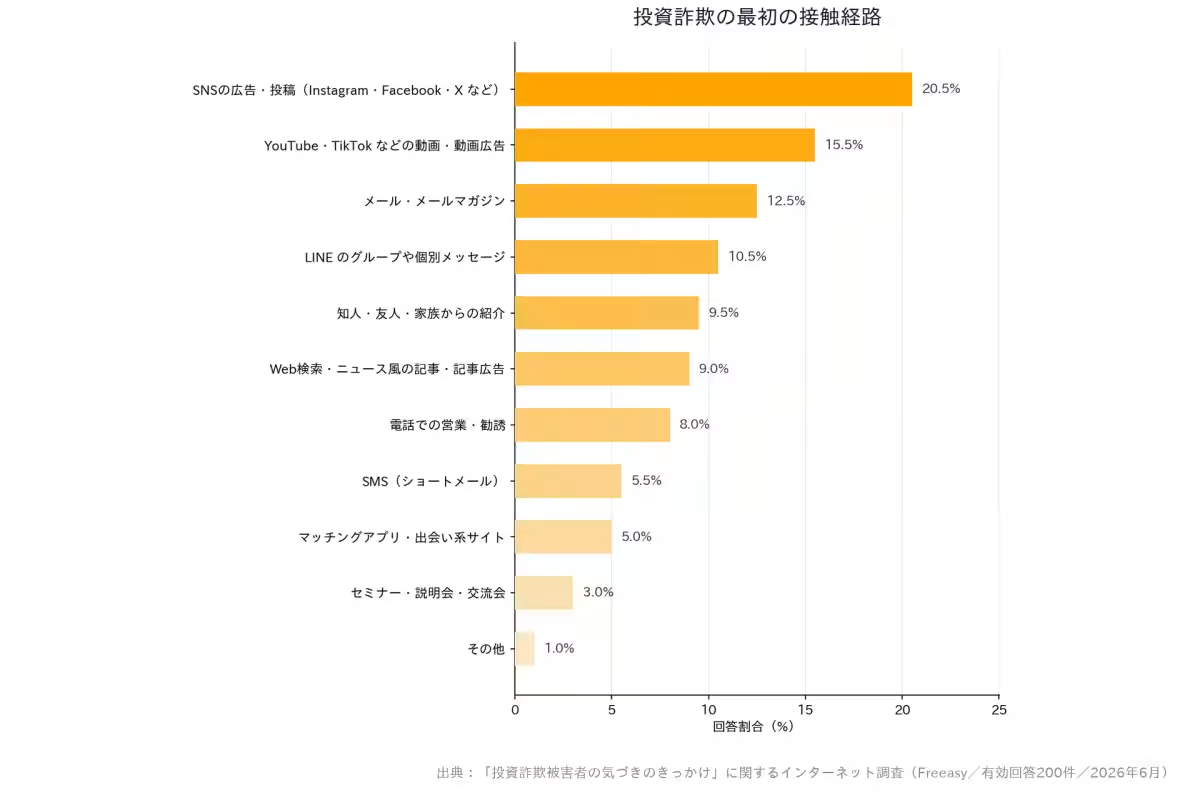
The survey also identified how victims first encountered potential scams. Social media ads emerged as the leading source (20.5%), followed closely by video ads (15.5%) on platforms like YouTube and TikTok, while emails and other messaging services also played significant roles. This trend indicates that awareness needs to be raised across multiple platforms rather than focusing solely on social media.
Timing is Key
The data showed that most victims (61.5%) became aware of the scam before any monetary transactions. In contrast, 24.5% fell victim before recognizing the scam, and 14.0% noticed after multiple payments. This finding stresses the importance of vigilance right from the initial contact.
Triggers for Recognition
When asked about what triggered their realization of the scam, 48.0% attributed it to their independent research. Other significant contributors included exposure to news or shared experiences online (18.5%) and advisories from financial institutions (10.0%).
Signals of Fraud
Many participants expressed that they felt discomfort due to aggressive marketing tactics such as urgency (40.0%) and promises of guaranteed returns (32.5%). These red flags can alert potential victims to take a step back and reassess the legitimacy of the offer.
Financial Outcomes
One notable aspect of the study is that 50.5% of respondents reported no financial loss, while 17.5% faced losses exceeding 1 million yen. This illustrates the varying degrees of impact that investment scams can have on individuals.
Preventive Insights
The Tanaka Yasuhiro Law Firm emphasizes the significance of being aware of the initial signs of fraud and encourages individuals to trust their instincts when they detect red flags. The survey results underline three critical strategies for prevention: avoid succumbing to pressure, undertake personal research, and avoid solitary decision-making processes.
Conclusion
This survey serves as a wake-up call regarding investment scams. Awareness of potential dangers and the capacity to recognize questionable tactics can effectively safeguard individuals from falling victim to fraud. For anyone who suspects they might be involved in a scam, it's advisable to consult resources like local consumer protection centers or law enforcement agencies for guidance.
Citation
When referring to this survey, please credit Tanaka Yasuhiro Law Firm, along with a link to the original article at Tanaka Law Firm.
The full report encourages individuals to remain vigilant and proactive to ensure their financial safety from such scams as they continue to evolve in complexity and reach.
Topics Consumer Products & Retail)




【About Using Articles】
You can freely use the title and article content by linking to the page where the article is posted.
※ Images cannot be used.
【About Links】
Links are free to use.