



Investing in Career Support for Expat Partners: The C×C Project Unveils Policy Report
Investing in Career Support for Expat Partners
In the ever-evolving landscape of globalization, the C×C Project, a collaborative initiative between CAREER MARK and Career Cafe Connect, aims to tackle the pressing issue of career disruptions faced by expat partners. Recently, they published a report titled, "Expats in a Dual-Earner Era: New Trust Relationships Through Comprehensive Career Support", outlining significant findings based on a survey conducted with 563 participants.
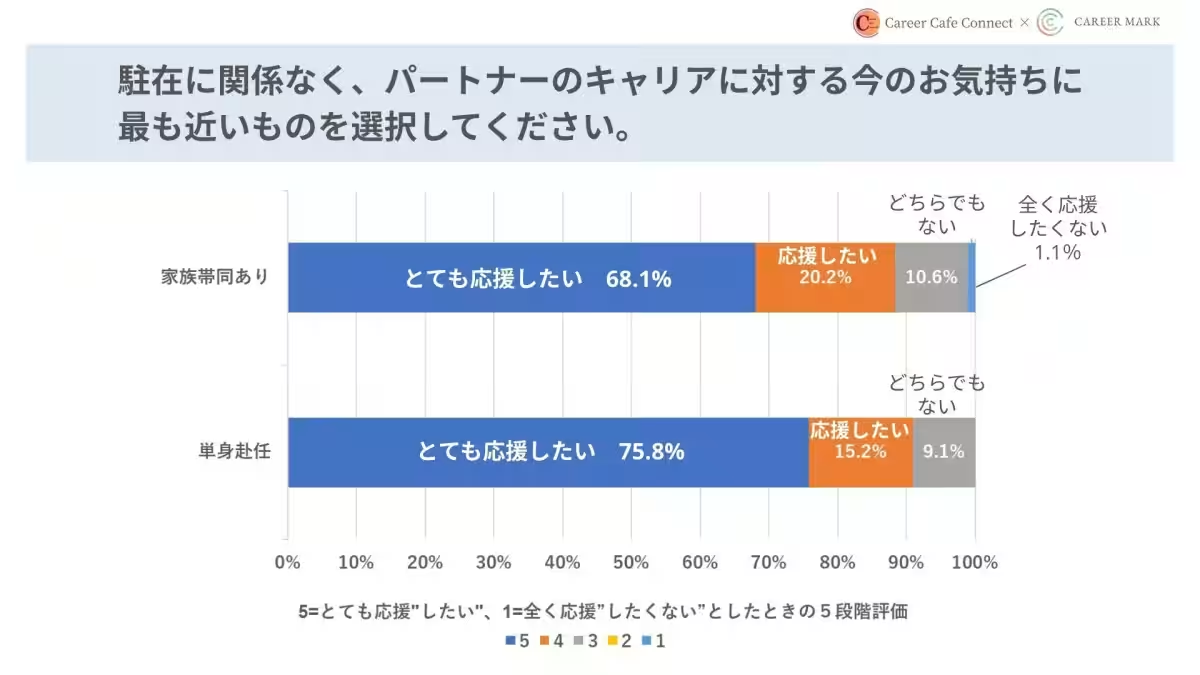
The report paints a revealing picture of how expatriation affects the career trajectories of partners, largely leading to disengagement from the workforce. This phenomenon becomes a critical hurdle for companies in securing and properly assigning talented personnel. The survey responses indicate a strong correlation between the expat's assignment decisions and their partner’s career prospects, highlighting the substantial impact that familial career dynamics have on organizational strategies.
Background and Context
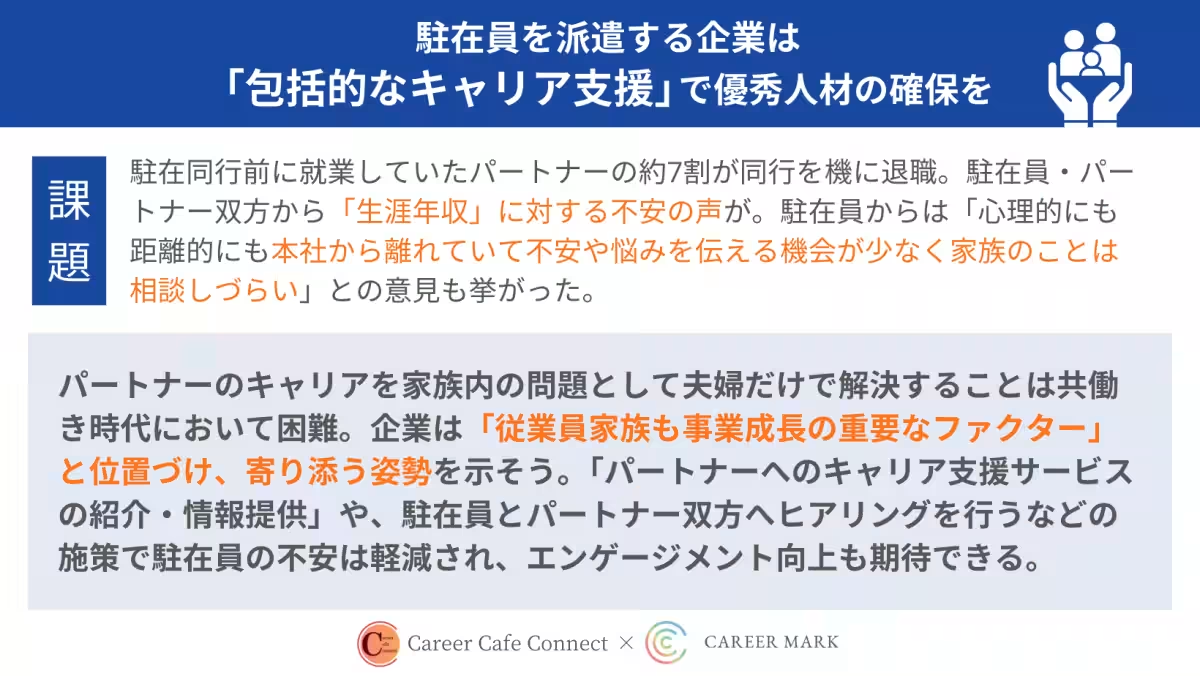
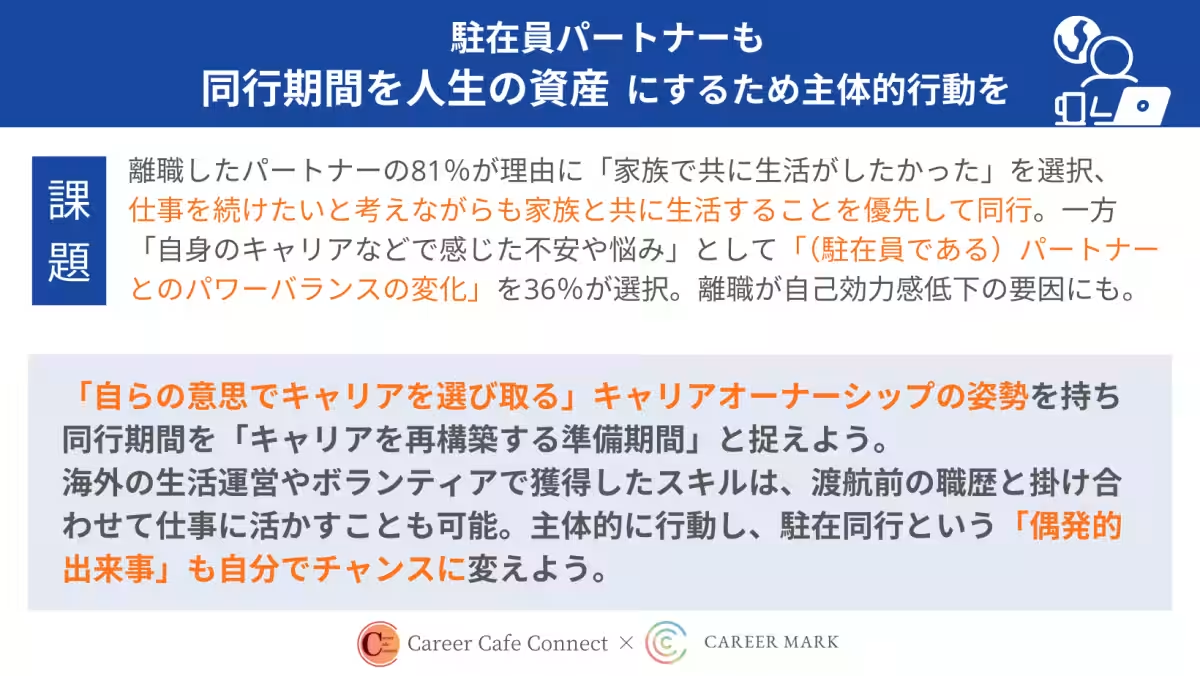
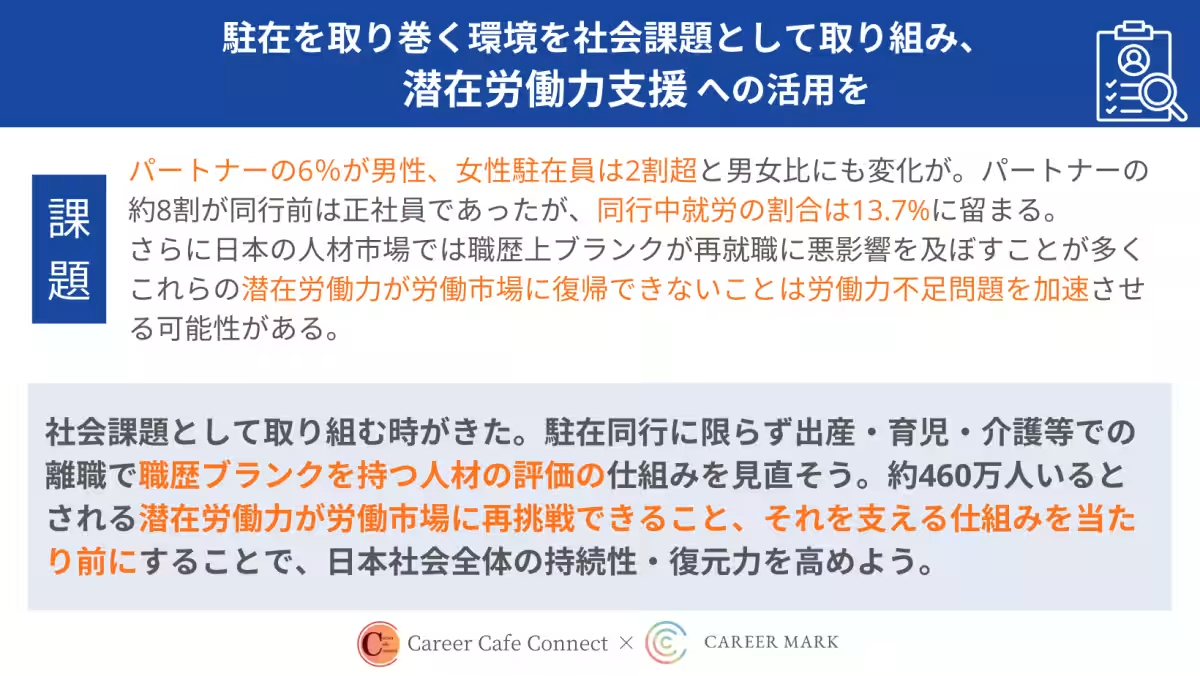
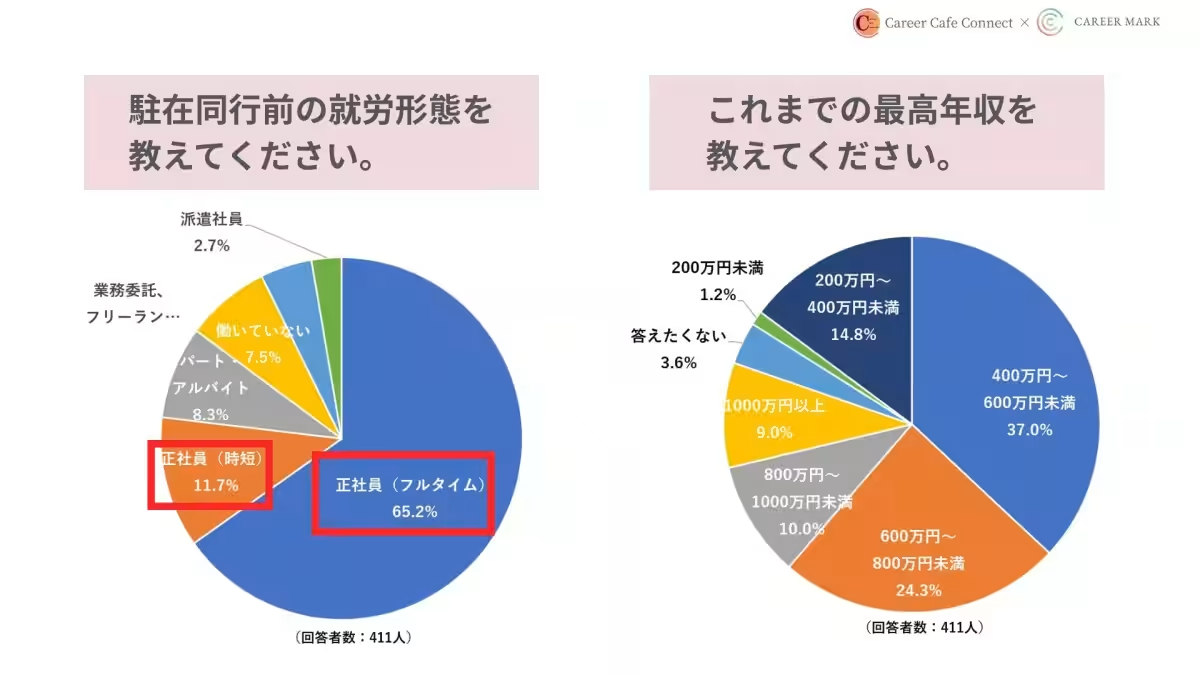
Recent statistics show that dual-income households in Japan are increasing. According to the Cabinet Office's Gender Equality White Paper (2024 edition), the number of dual-earner households is projected to be over three times that of households with a full-time homemaker. The challenges faced by expat partners are significant; about 70% of partners represented in the survey had to resign to accompany their expat spouses, raising serious concerns about career breaks and reintegration into the workforce.
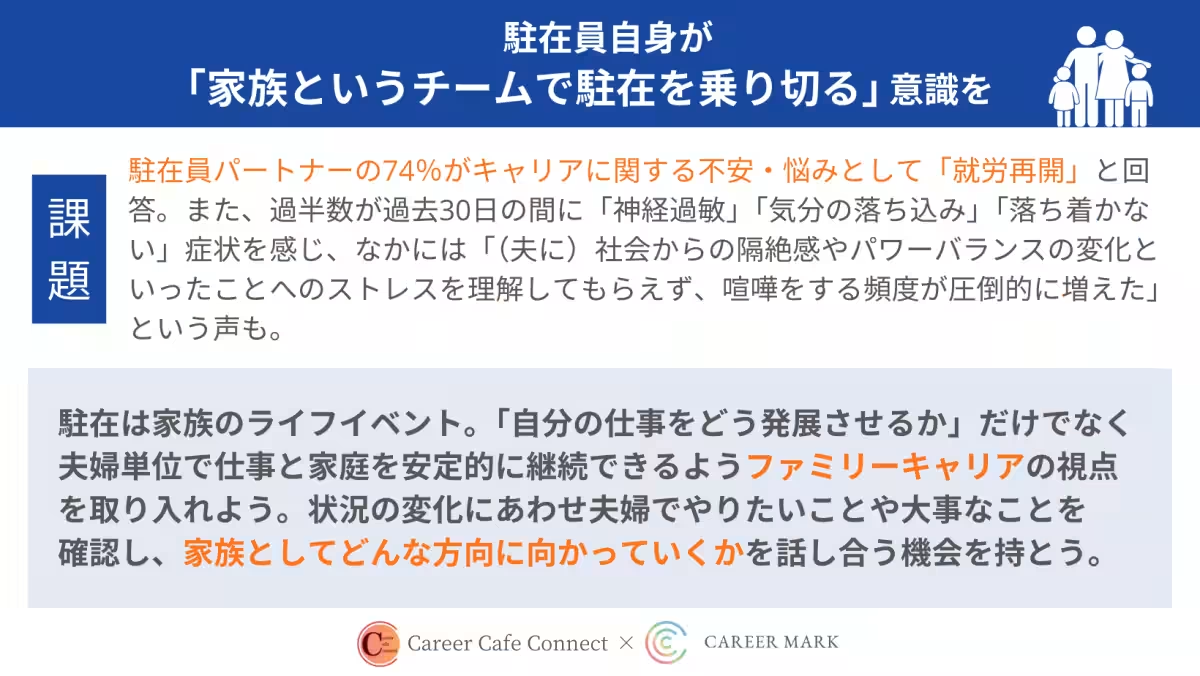
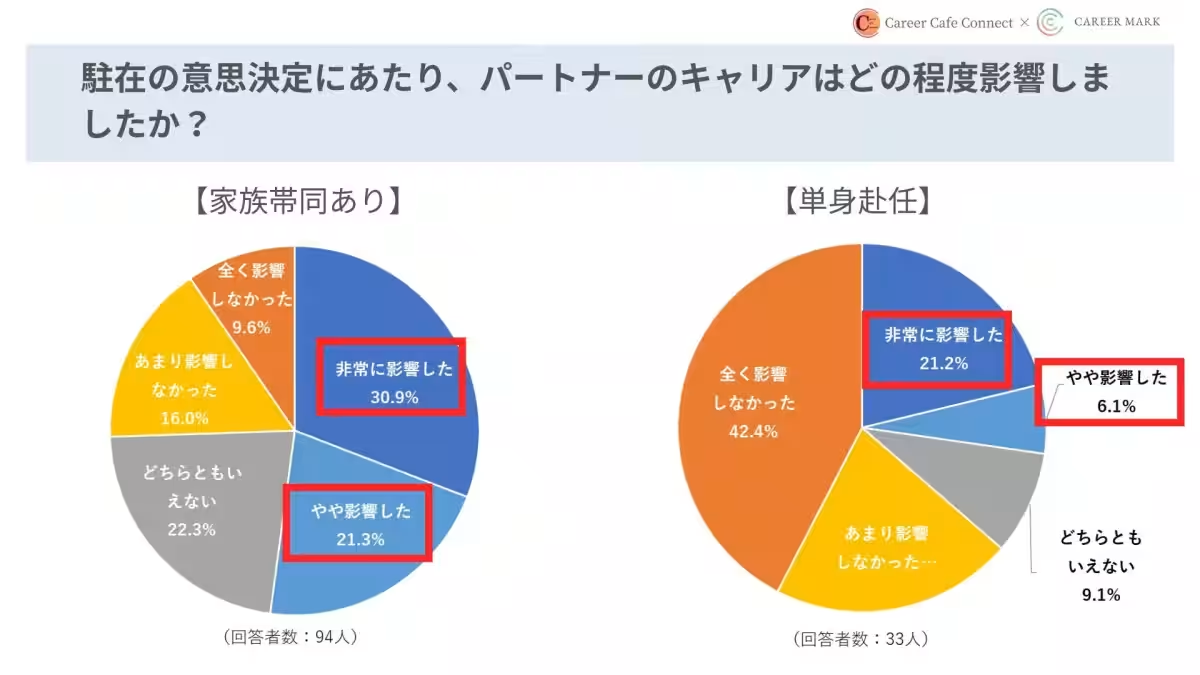
Furthermore, more than half of the expatriates reported that their partners' careers influenced their decision to accept an international assignment. This growing trend underscores the importance of supporting both expat employees and their partners to foster a more collaborative work environment.
Key Findings and Recommendations
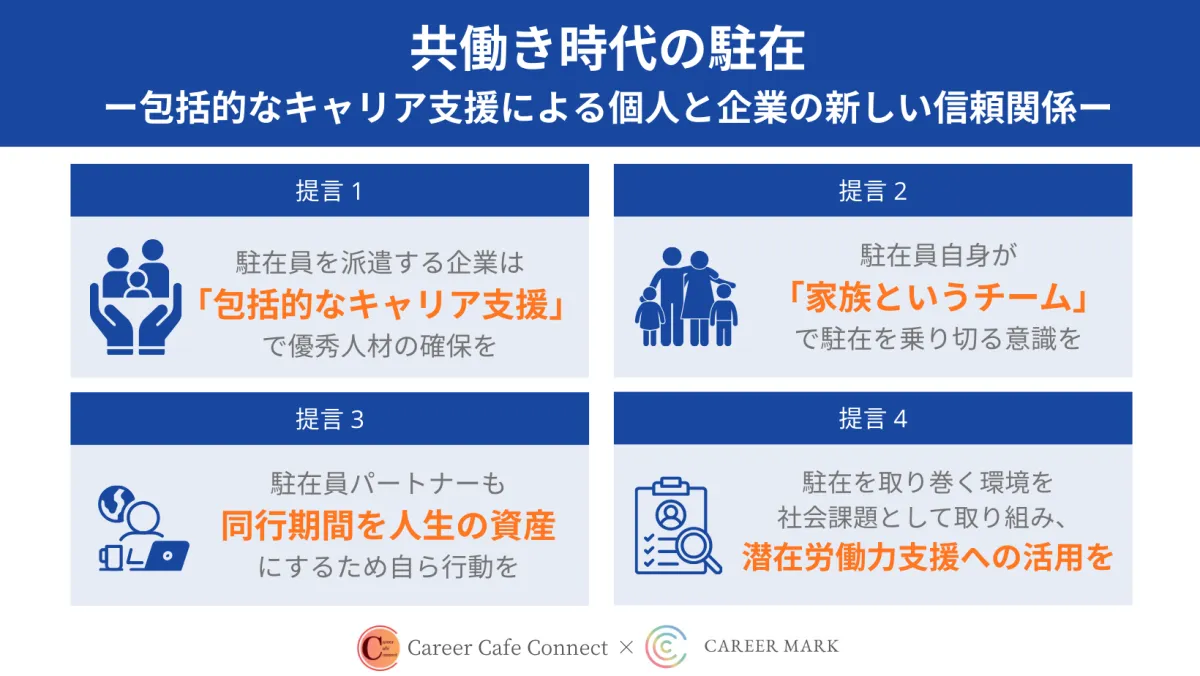
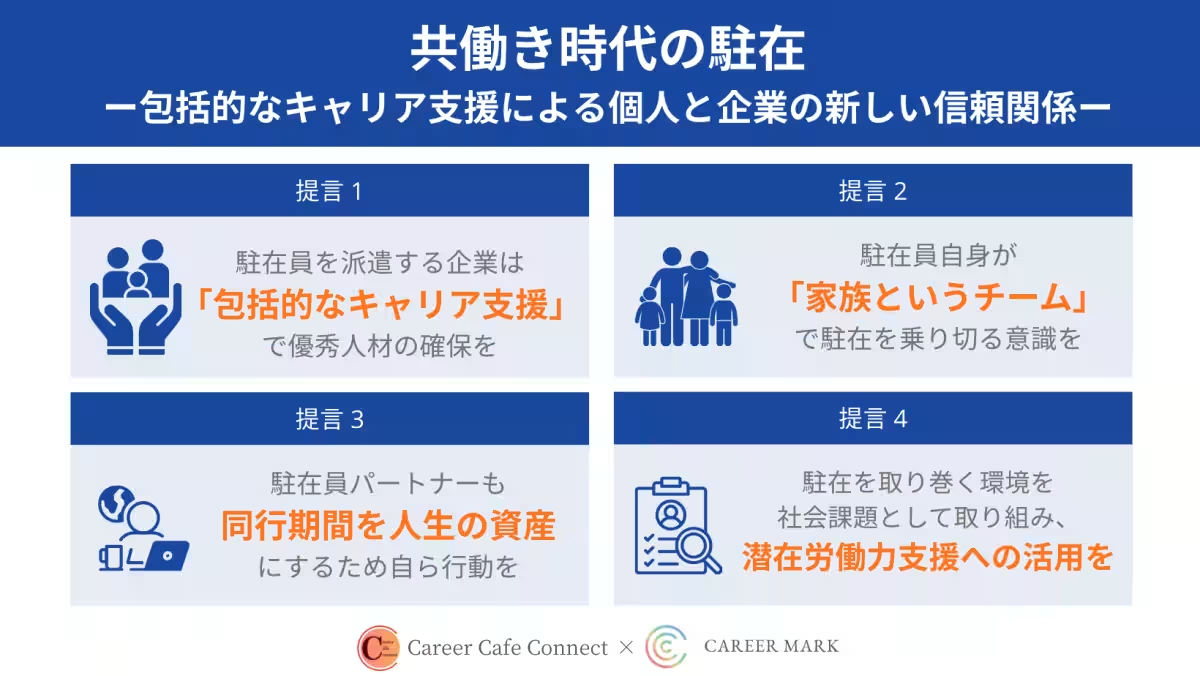
The report revolves around four main action areas, advocating for more integrated support towards career continuity for expat partners:
1. Recommendations for Companies: Corporations sending expatriates must actively acknowledge and address partner career concerns. Implementing supportive policies, such as relocation assistance and career counseling, is essential in attracting and retaining skilled personnel.
2. Advice for Expat Employees: Expats are encouraged to openly communicate with management regarding their partner's career aspirations and challenges, as these considerations can significantly impact their assignments.
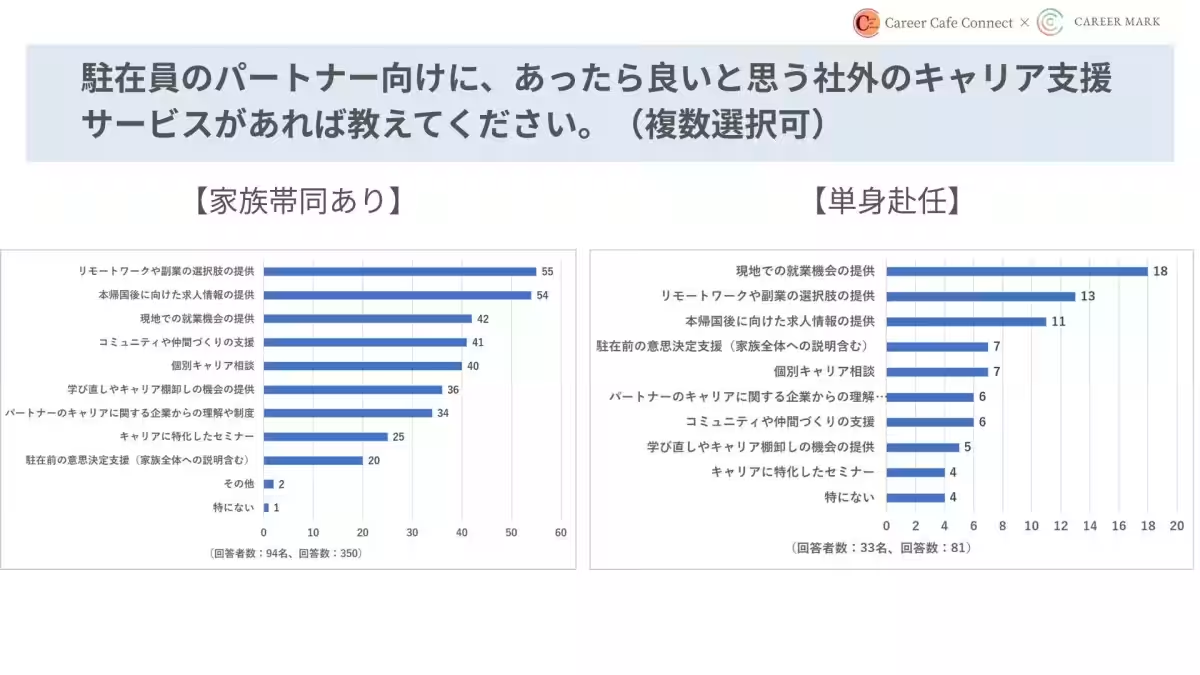
3. Strategies for Expat Partners: Partner support networks and resources for skill development or remote work opportunities are crucial to mitigate career setbacks amidst relocation.
4. Societal Recommendations: A broader societal shift is needed to recognize the dual-career paradigm, influencing how companies formulate employment policies. There is a clear demand for flexible work arrangements that accommodate the realities of dual-career families.
Next Steps
The C×C Project is dedicated to ensuring that the new standard for dual-career households is reflected in corporate policies. By continuing to advocate for the integration of career transition support programs, the initiative aims to empower expatriates and their partners in navigating the complexities of dual-career pathways. Future plans include offering reemployment support tailored specifically for expat partners and collaborating with companies to foster a greater understanding of shared career responsibilities.
About the C×C Project
The C×C (Career by Connect) Project aims to bridge the gap between expatriates and their partners by addressing career challenges head-on. By fostering a society where both expats and their partners thrive in their chosen careers, the project aligns with the mission of Career Cafe Connect and CAREER MARK toward creating equitable career opportunities for all, regardless of geographical mobility.
As companies increasingly realize that partner success translates into higher employee satisfaction and retention, the focus on comprehensive career support for expatriate families is not just a trend but a necessary evolution in modern employment practices. Continuing to drive these discussions forward will be vital in reshaping workplace culture to accommodate the realities of global mobility.


Topics People & Culture)
【About Using Articles】
You can freely use the title and article content by linking to the page where the article is posted.
※ Images cannot be used.
【About Links】
Links are free to use.