



The Rising Aspirations of New Employees in Japan's IT Sector: A Study on the New Workforce
Observations on New Employees in Japan's IT Sector
In a recent survey conducted by ALL DIFFERENT Co., Ltd and the Learning Innovation Comprehensive Research Institute, insights into the aspirations and values of new employees in Japan's information and communications sector have been unveiled. With this research aimed at understanding the trends within the workforce of 2026, key findings have emerged that reflect significant shifts in priorities among new entrants.
Background of the Survey
Considering the looming shortage of IT professionals in Japan, projected to reach up to 790,000 by 2030 due to escalating competition in AI and data fields, this study highlights the rapidly evolving landscape. Companies have often prioritized hiring experienced professionals, while neglecting investment in developing newer talent. As a result, early talent cultivation is deemed crucial for realizing goals in workforce sustainability and efficacy.
Key Findings
1. Specialization Goals
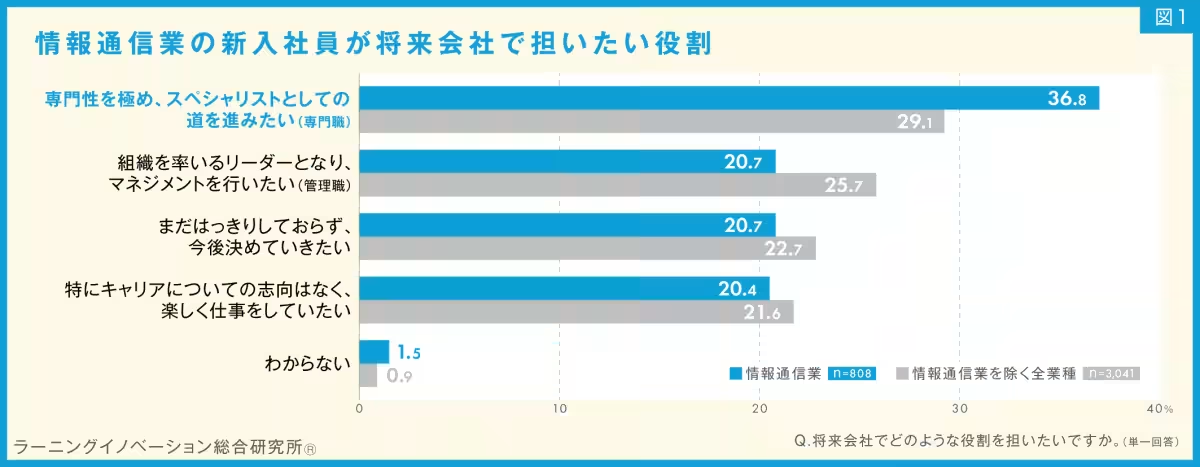
The survey reveals a marked inclination towards specialized roles. Approximately 36.8% of new hires expressed a desire to advance as specialists, which is 7.7 percentage points higher than the average across other industries. Conversely, the interest in management roles appears to have diminished, with only 20.7% aspiring to such positions.
2. Reasons for Specialization
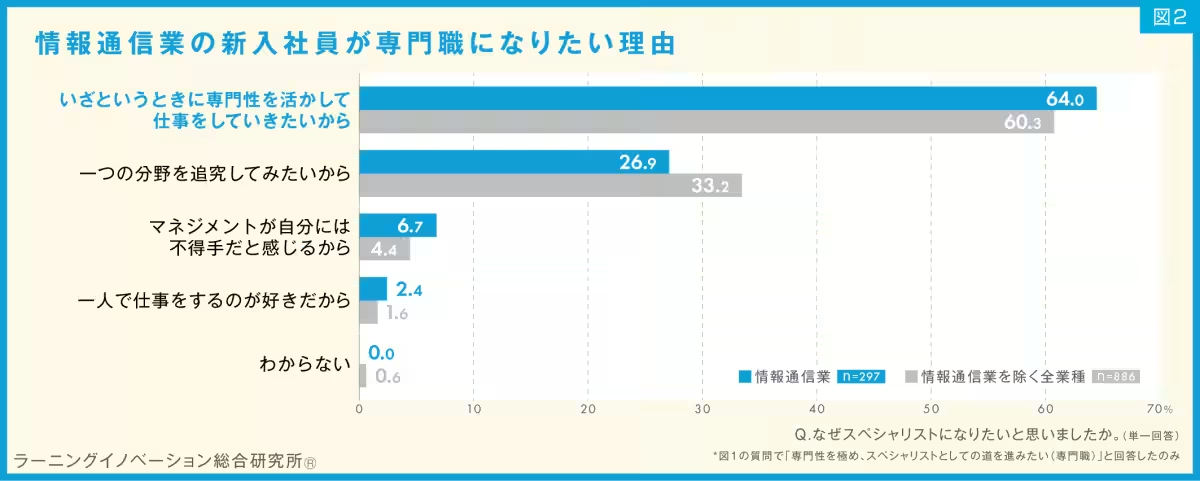
When asked why they prefer specialization, 64.0% of respondents indicated that they wish to leverage their expertise in critical situations. This sentiment underscores a growing desire for professionals to navigate uncertainties with confidence, particularly in their specialized fields, surpassing their peers in other sectors by a notable margin.
3. Focus on Personal Growth
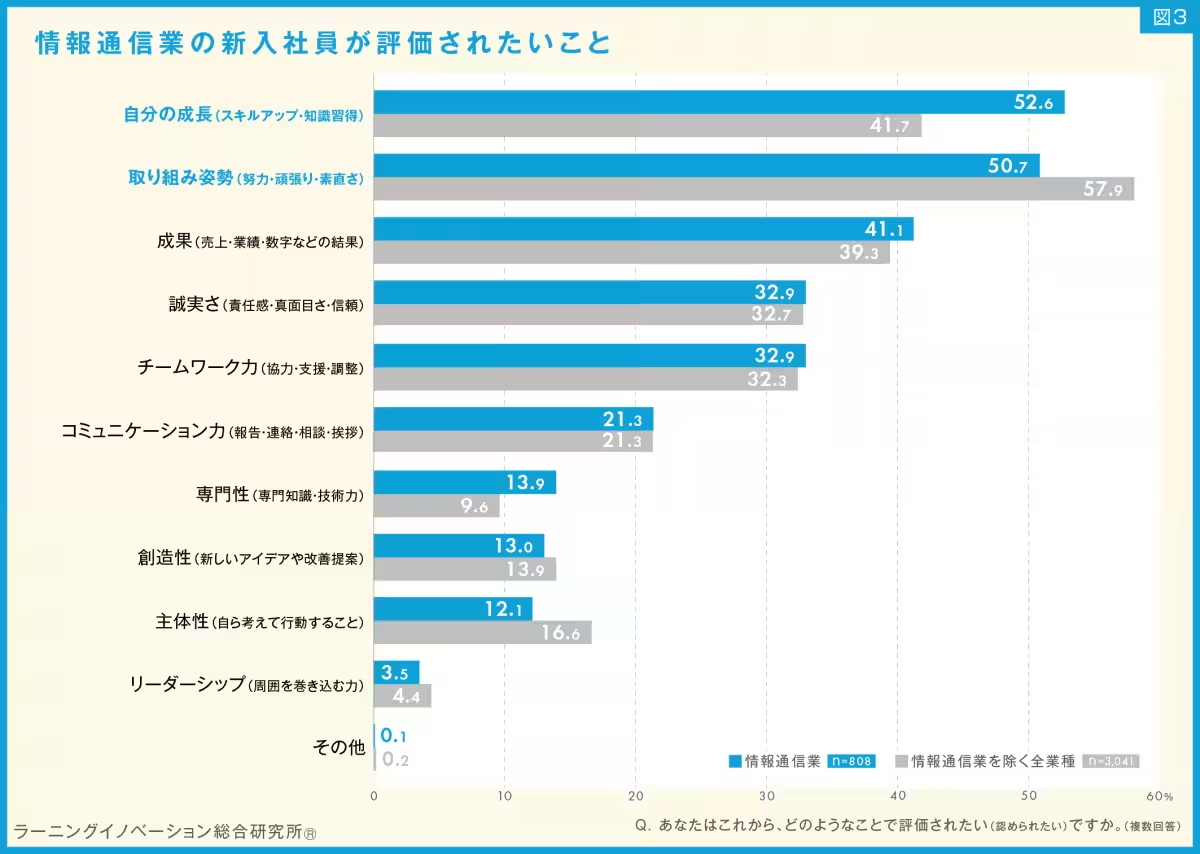
More than half of the new employees (52.6%) expressed a preference to be acknowledged for their personal growth rather than external achievements, showcasing a trend where skill acquisition and continuous improvement are at the forefront of their career aspirations.
4. Work-Life Balance
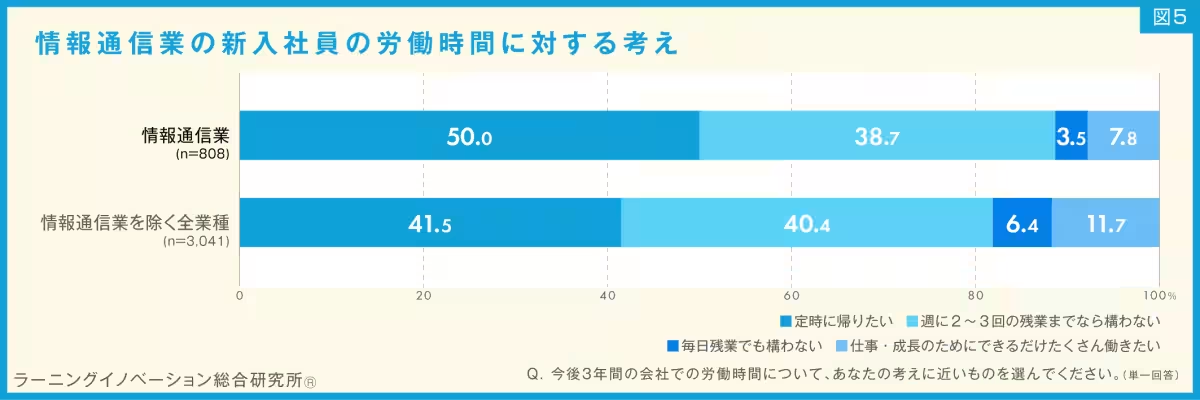
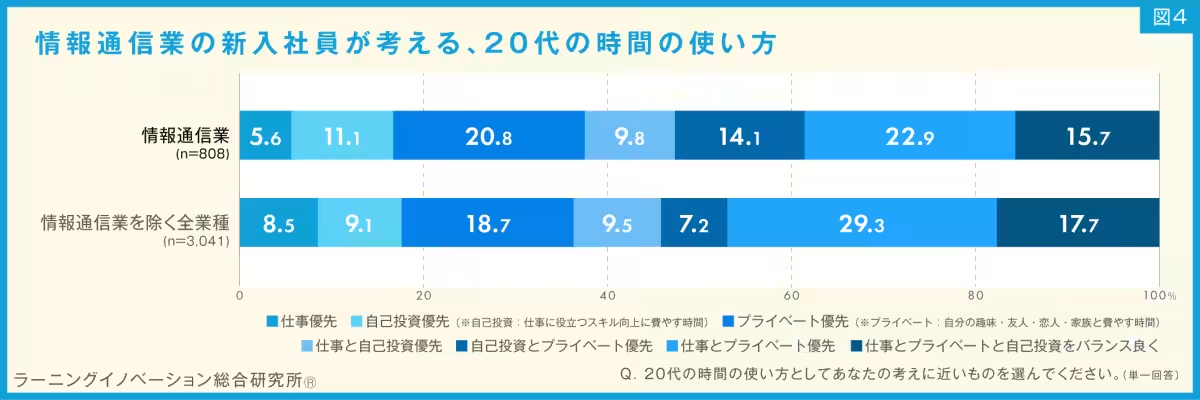
The research also highlighted that 50% of new employees prioritize leaving work on time, with many favoring a work-life blend that allows for leisure and self-investment. This is reflected in their values, where they prioritize personal time alongside professional engagements.
5. Work Environment Preferences
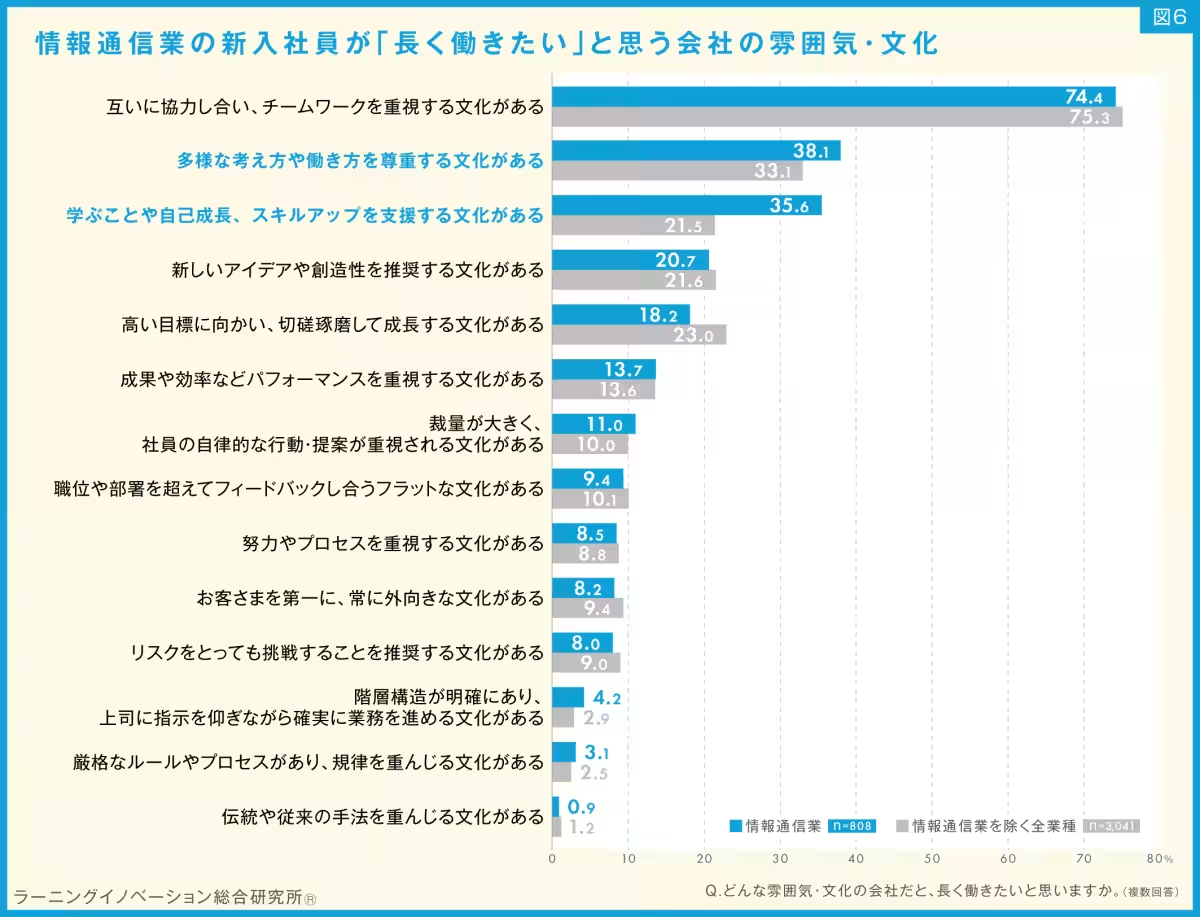
Regarding desirable workplace culture, 74.4% emphasized the importance of a collaborative environment. Moreover, factors such as mutual respect for diverse opinions and support for self-growth were key motivators for them to remain in a company long-term, indicating that organizational culture heavily influences their career decisions.
6. Importance of Feedback
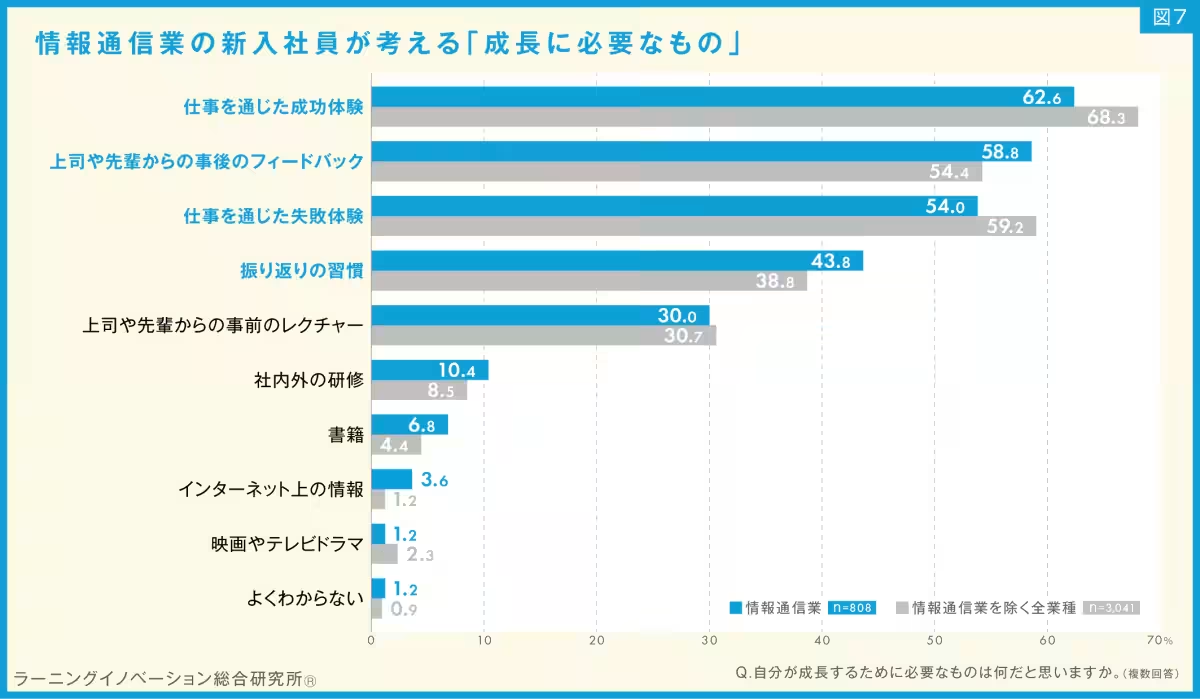
There's a marked demand for feedback from supervisors, with 58.8% of respondents indicating this as essential for their growth. This higher expectation reflects a broader trend within the sector demanding constructive engagement from management.
7. Career Development Support
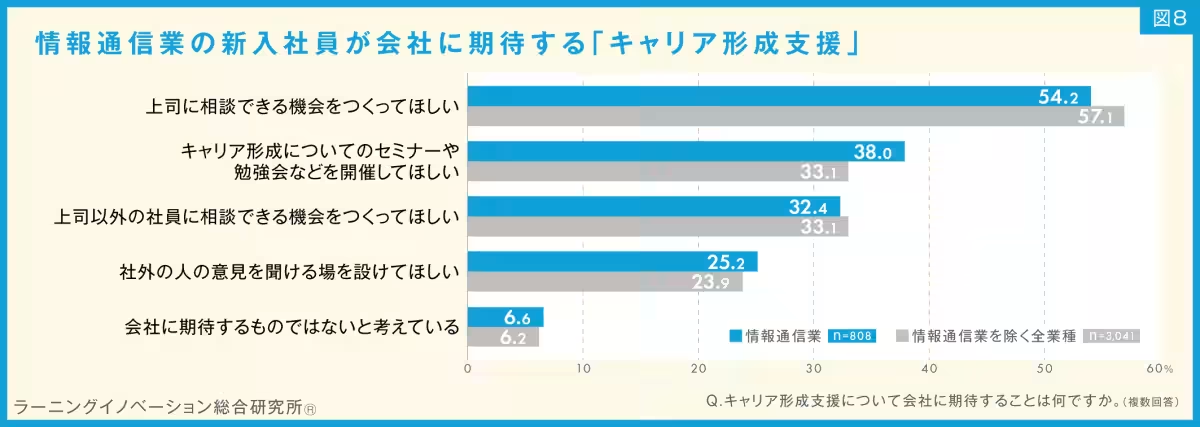
New employees also expect structured career development assistance, particularly through seminars and workshops, which has become a critical factor for them in choosing an employer.
8. Retention Intentions
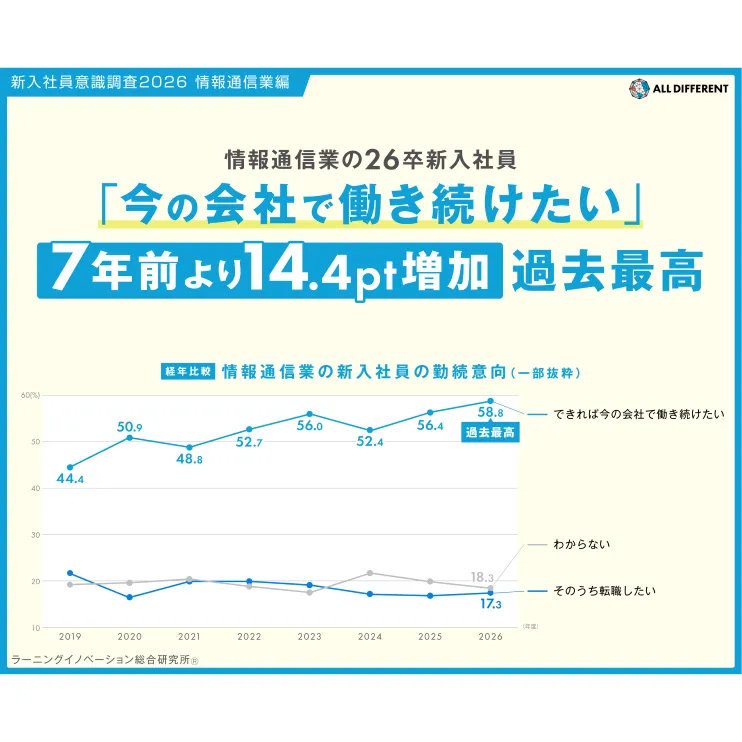
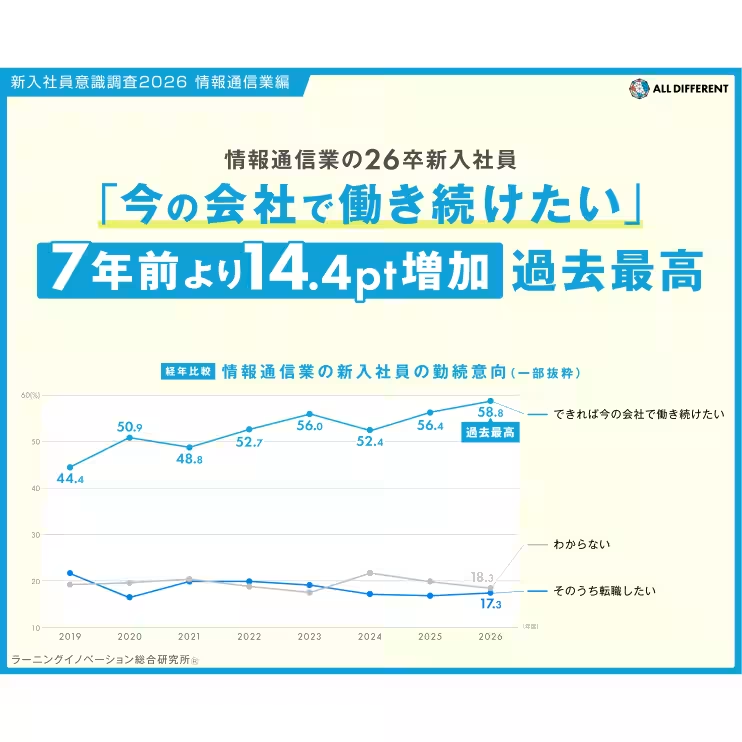
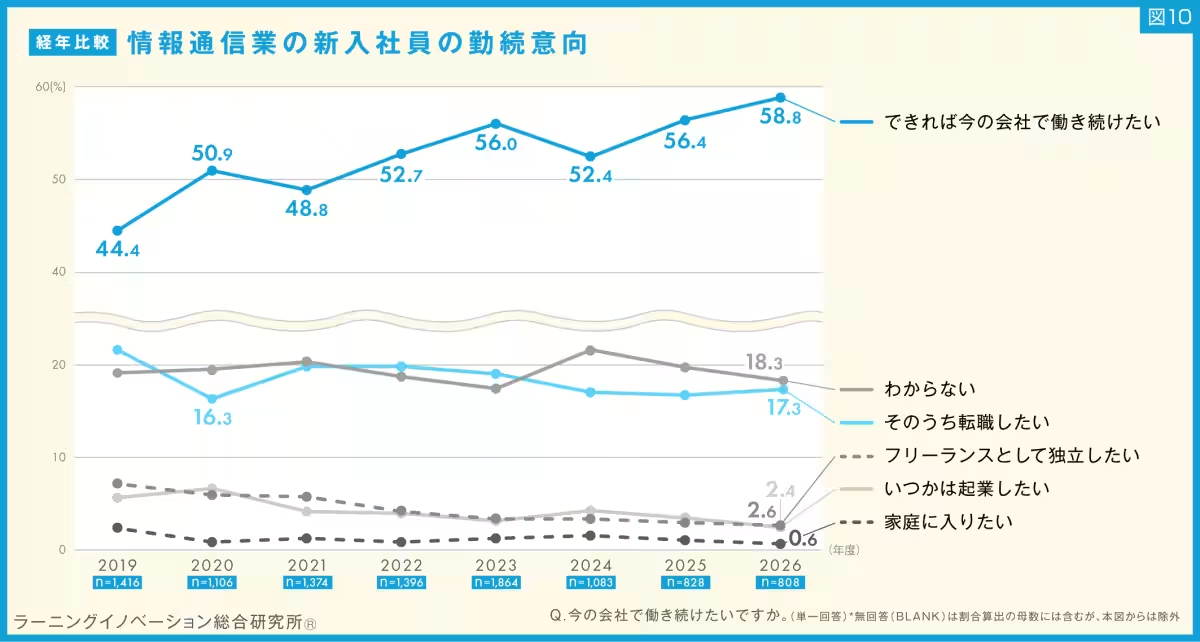
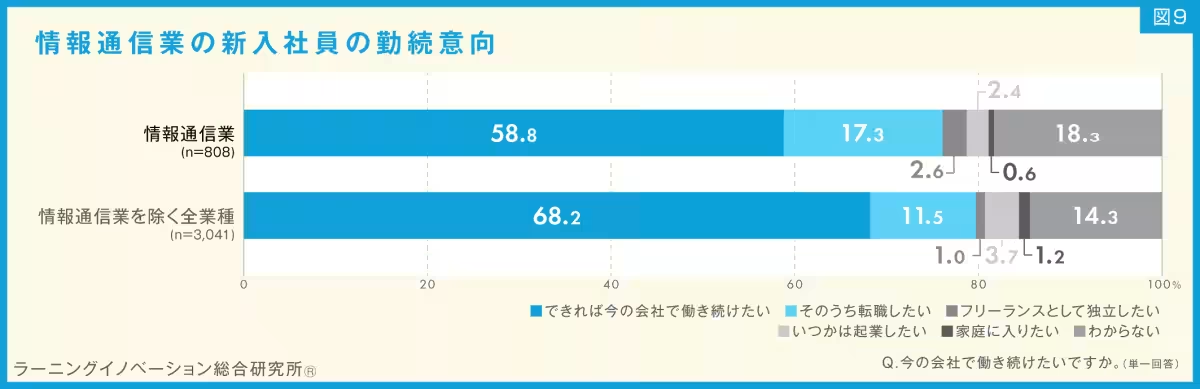
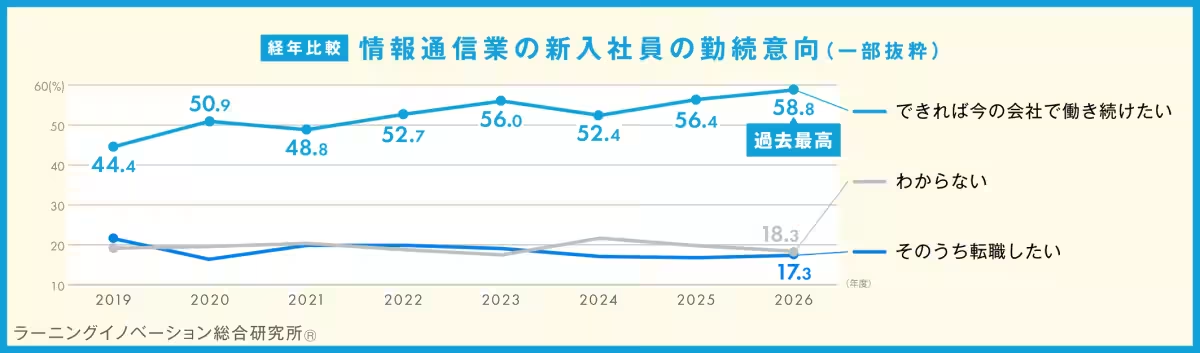
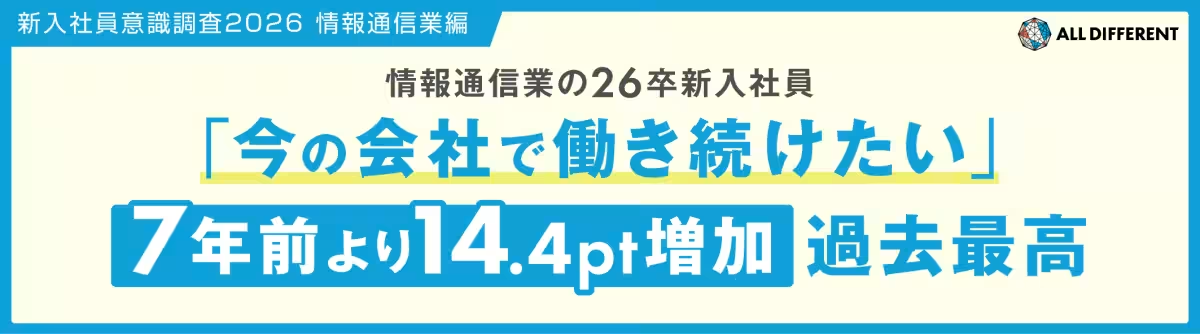
While the intent to remain with their current companies stands at 58.8%, this figure is gradually increasing, indicating a positive trend after years of fluctuating figures, hinting at a more encouraging work culture evolving within the industry.
9. Prized Workplace Conditions
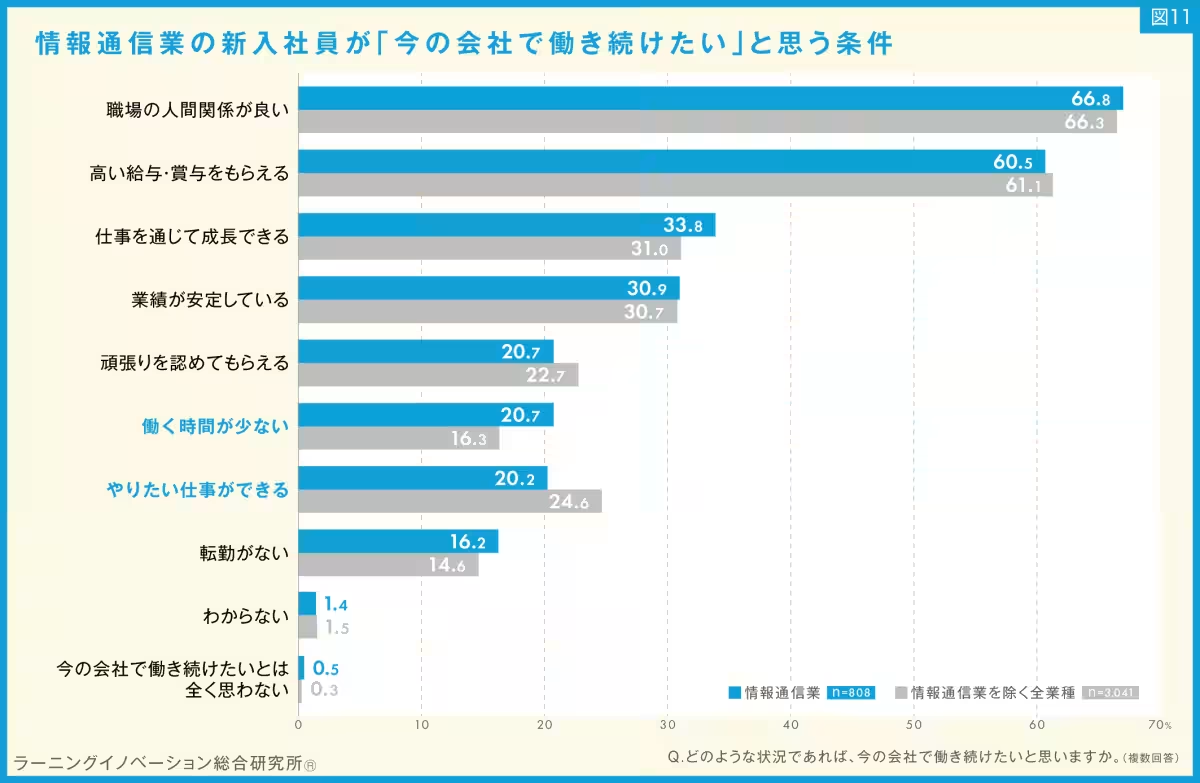
When evaluating conditions under which they would consider staying longer, 66.8% pointed out the value of positive workplace relationships, while 60.5% highlighted favorable salary and bonuses as motivating factors.
Conclusion
This study reveals that new employees in the information and communications sector are keenly focused on their growth and development, preferring environments that reward such ambitions rather than merely quantifiable outcomes. The blending of personal values, a desire for specialization, and an emphasis on collaborative cultures outlines a framework for how organizations need to adapt to retain their talent.
In a shifting landscape underscored by advancements in technology and evolving workplace expectations, it is paramount for organizations to not only meet the growing demand for professionals with specialized skills but also to establish supportive frameworks that nurture growth and development among their workforce. Attaining this balance could significantly impact retention and overall employee satisfaction in the long run. Therefore, creating an efficient growth pathway and valuing employee contributions will be vital for future organizational success in this dynamic sector.


Topics People & Culture)
【About Using Articles】
You can freely use the title and article content by linking to the page where the article is posted.
※ Images cannot be used.
【About Links】
Links are free to use.