



Investigation on Heat Acclimatization in Childcare: Key Findings and Insights
Investigation on Heat Acclimatization in Childcare: Key Findings and Insights
As the rainy season comes to a close, the urgency of addressing heat acclimatization in childcare has taken center stage. A recent survey conducted by Asuka Co., Ltd., through its research initiative, "Konnect Labo," highlights some concerning statistics about the awareness and implementation of heat acclimatization practices among childcare professionals.
Key Findings
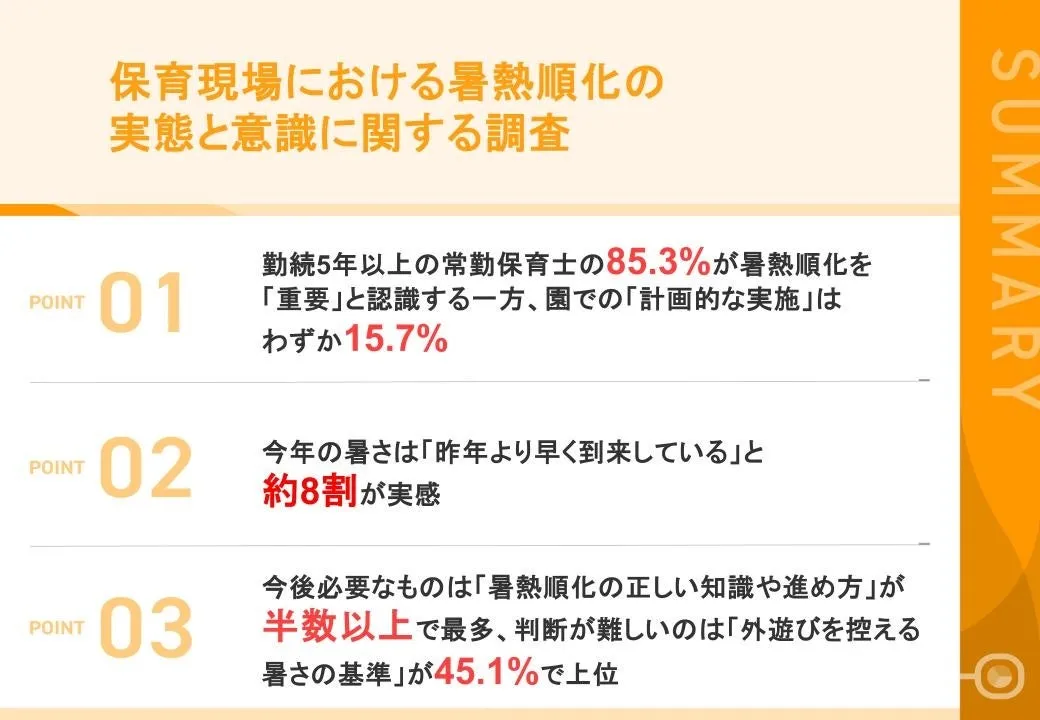
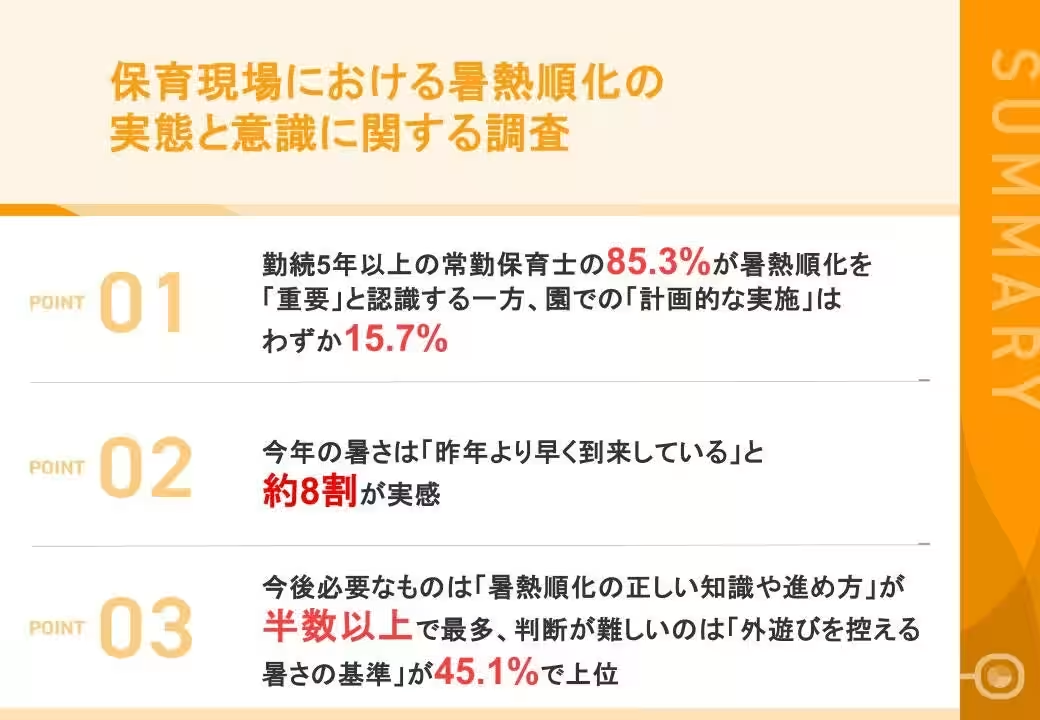
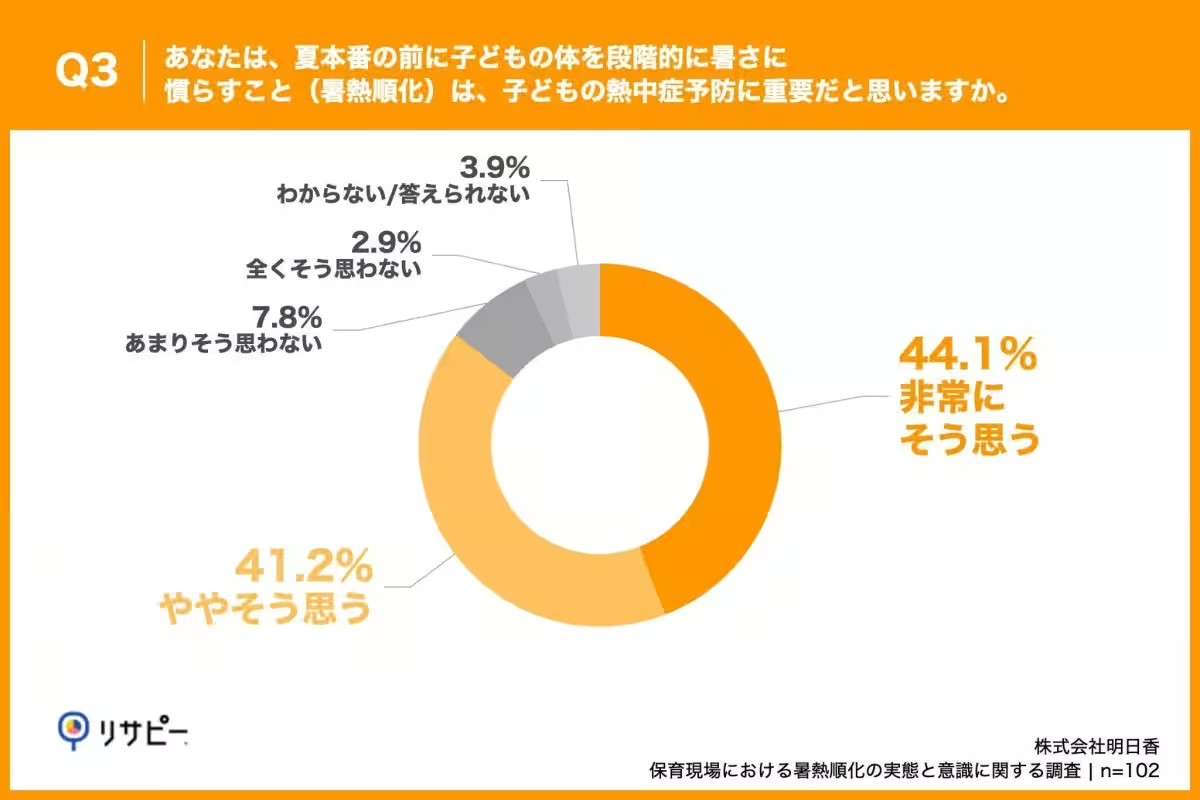
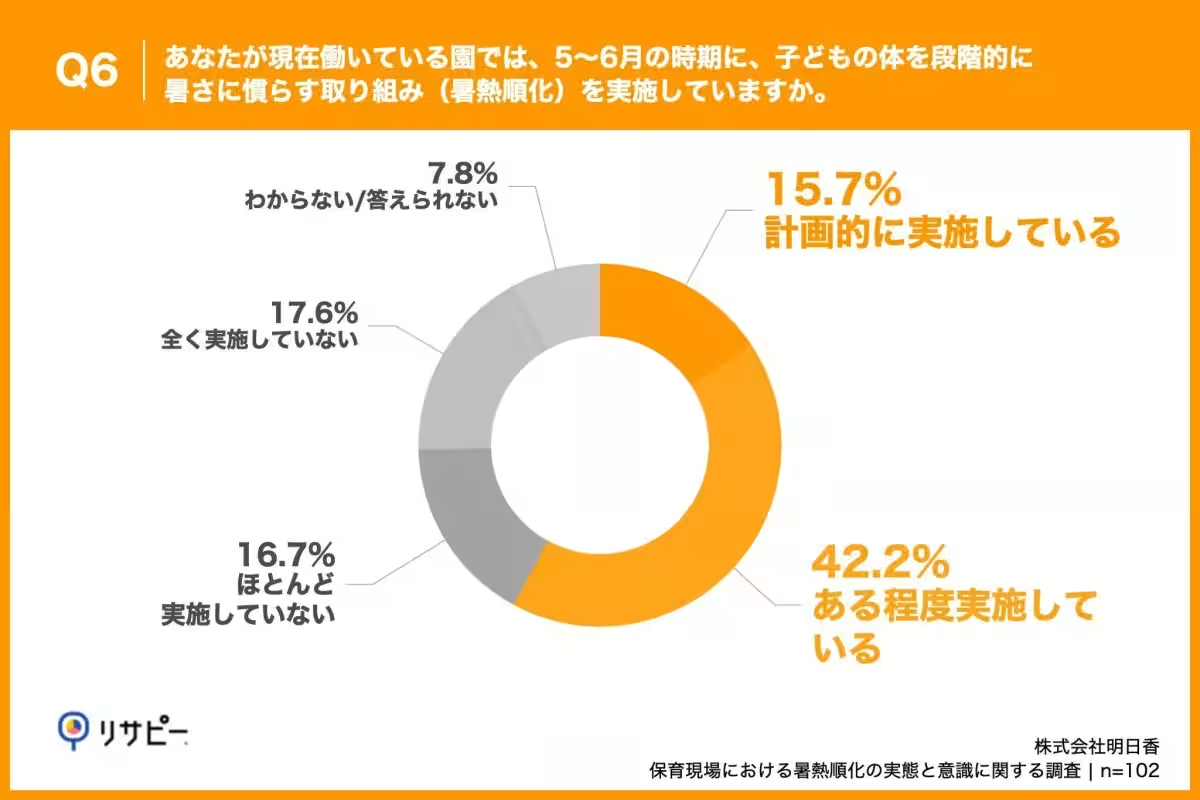
- - Significant Awareness: An impressive 85.3% of childcare providers with over five years of experience recognize the importance of heat acclimatization. However, only 15.7% report that their facility has a structured implementation plan to address this issue.
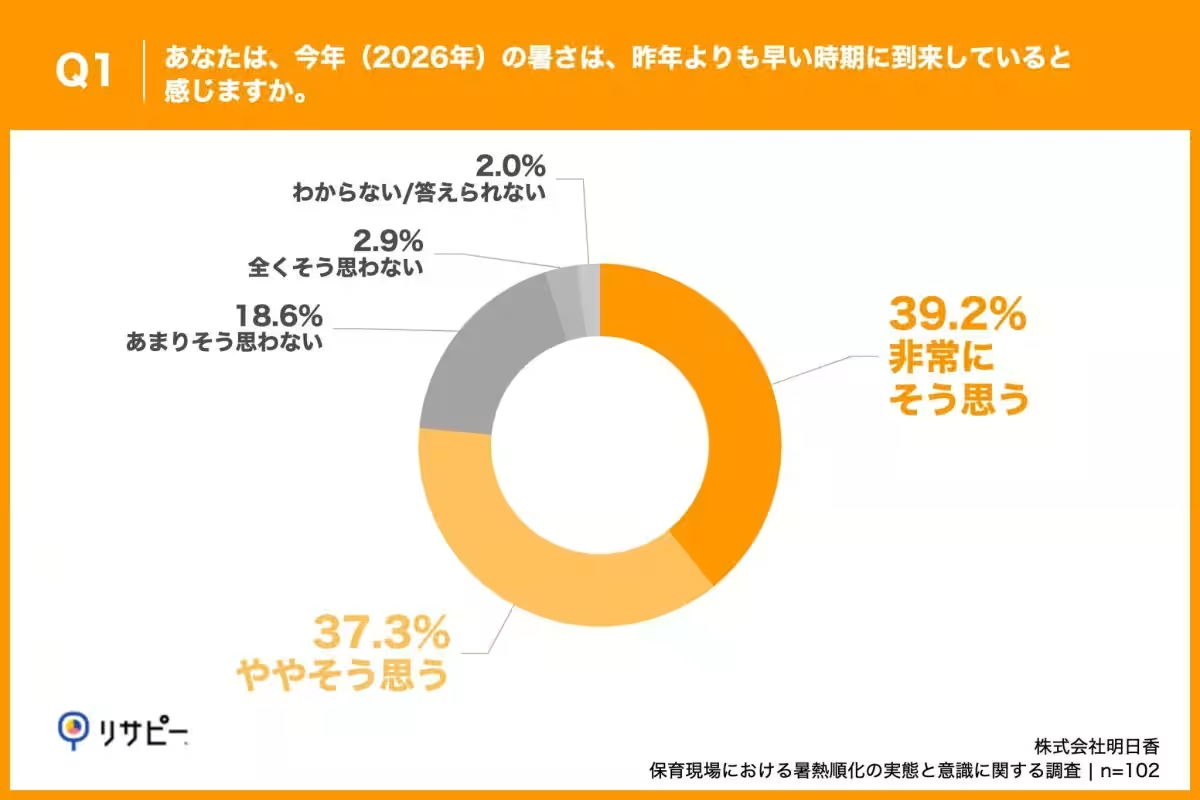
- - Early Heat Arrivals: Approximately 80% of respondents feel that this year's heat has arrived earlier than last year, indicating a trend that raises concerns about preparedness.
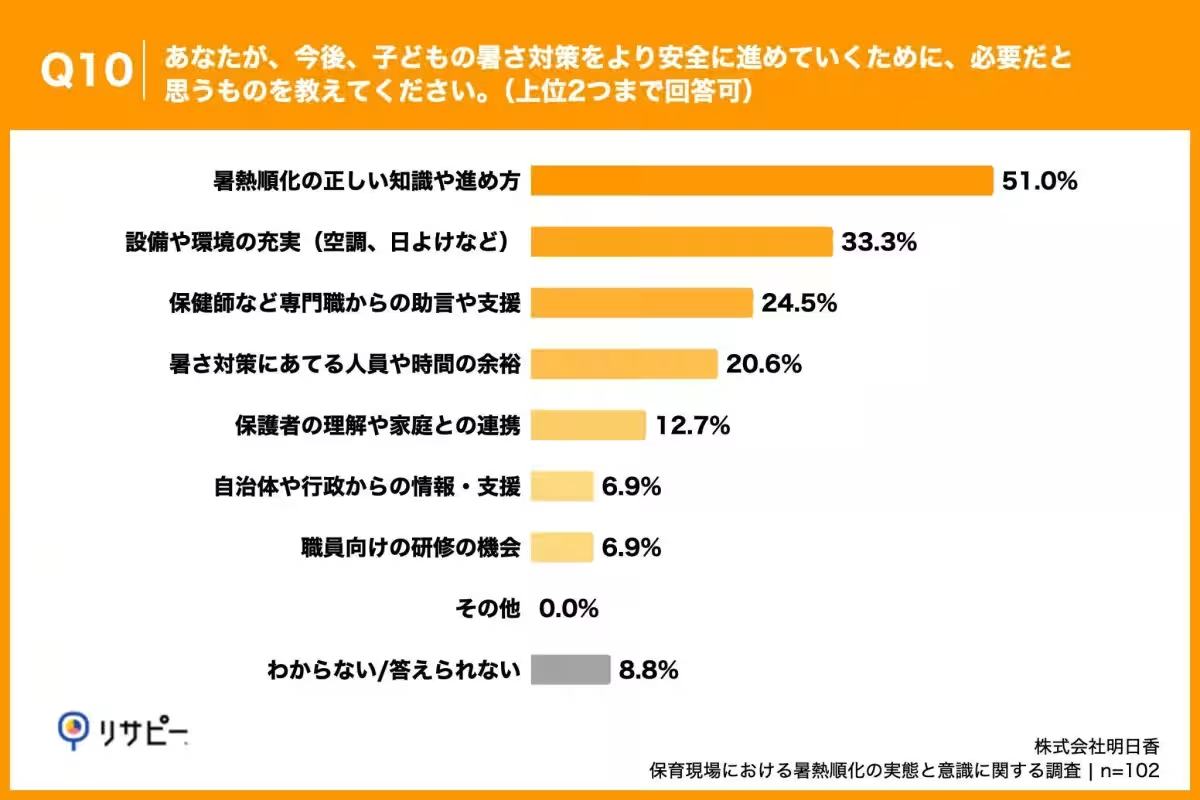
- - Knowledge Gaps: Despite the awareness of its importance, over half (51.0%) of the respondents expressed that there is a need for more accurate knowledge and methodologies on how to implement heat acclimatization effectively.
Survey Details
The survey involved 102 childcare providers across various settings, including licensed childcare centers, certified youth homes, and small daycare facilities, conducting an online survey between June 12 and June 17, 2026. Although the significance of heat acclimatization is acknowledged, the current practices fall short.
Awareness vs. Implementation
A striking disparity exists between the recognition of heat acclimatization's importance and the practical steps taken by childcare facilities. While a vast majority understand its critical role in preventing heat-related illnesses among children, only a fraction utilizes structured practices. This gap raises questions about training, resources, and guidelines available to childcare professionals.
Challenges Identified
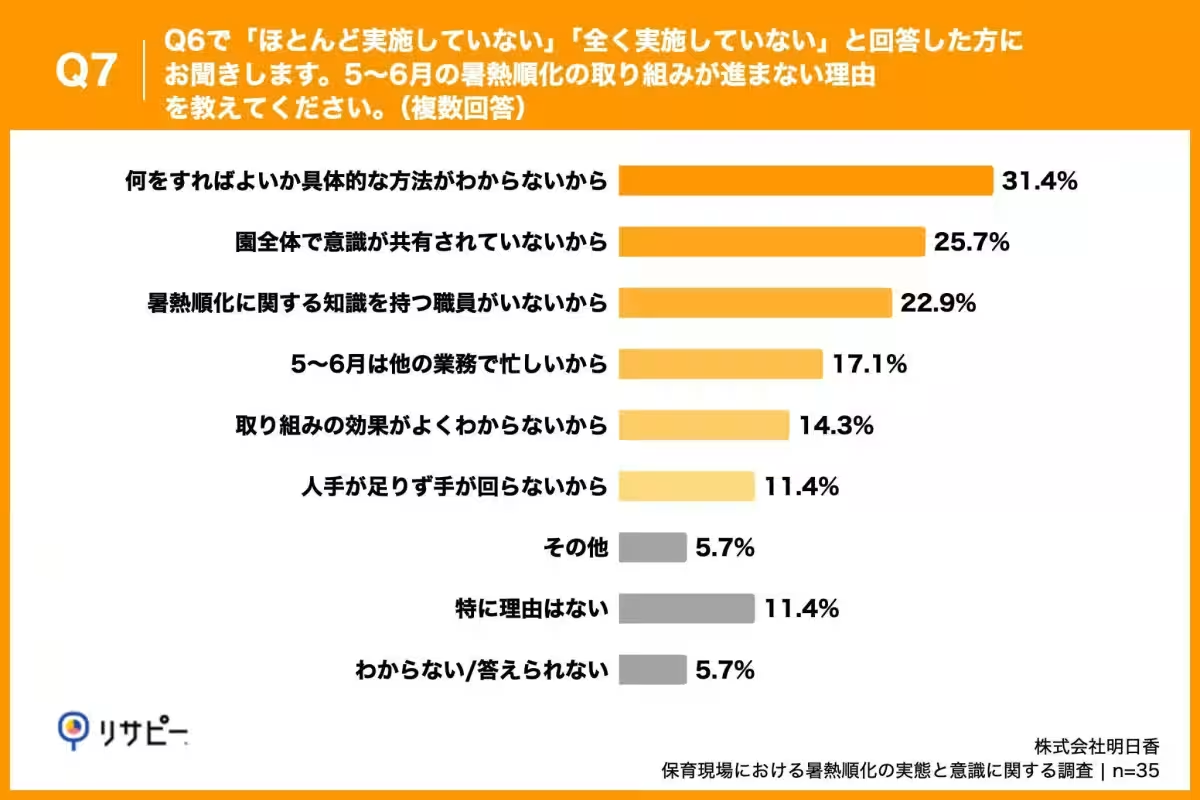
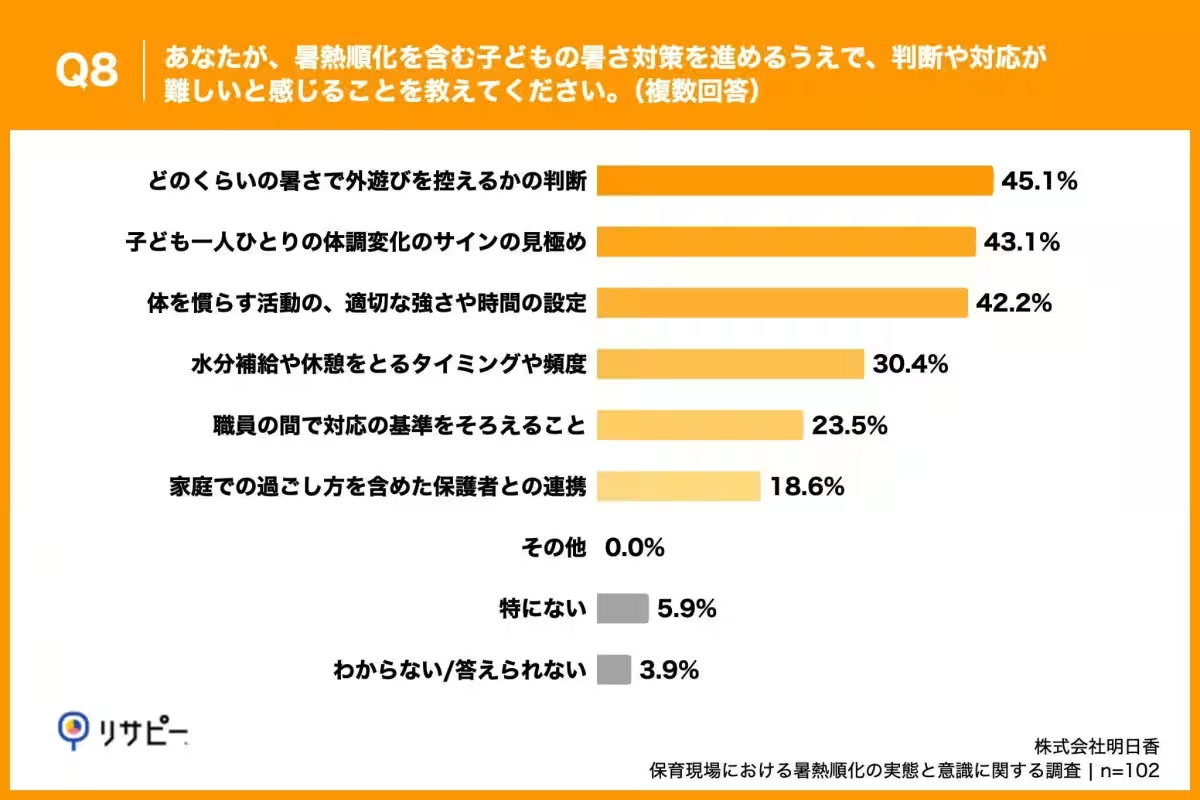
When asked about the barriers to effectively implementing heat acclimatization practices, respondents pointed to a lack of specific guidelines (31.4%) and a lack of shared awareness across the facility (25.7%). This suggests that there may be insufficient training programs or resources to help professionals understand how to acclimatize children safely to heat conditions.
The Role of Environmental Factors
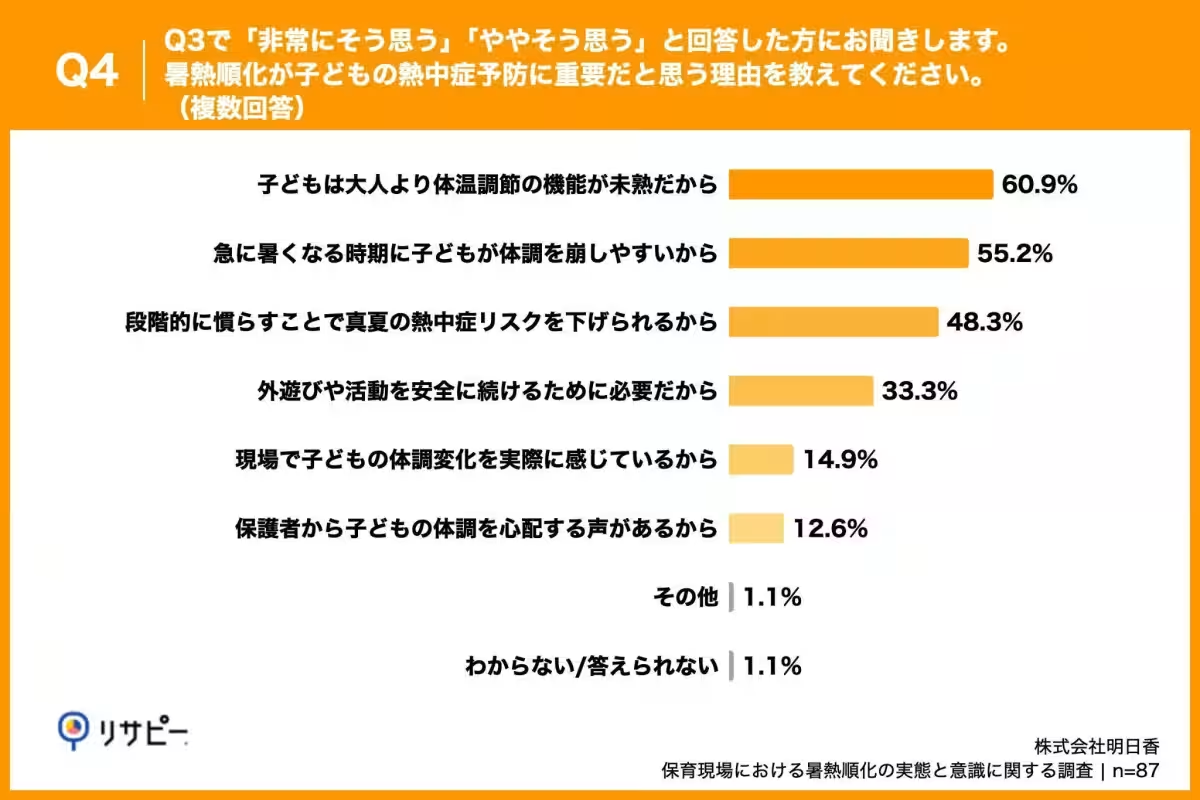
Respondents also noted other significant issues. With climate change intensifying, understanding and responding to heat conditions becomes more complex. Additionally, children’s natural inclination to avoid hydration while engrossed in play poses further challenges. Over 60% of participants noted that children’s immature temperature regulation increases their risk of heat-related discomfort or illness, making acclimatization even more critical.
Recommendations for Improvement
The survey results emphasize a pressing need to develop clear protocols and training focused on practical heat acclimatization strategies. Expert guidance, alongside a communal approach to understanding the variability in children's responses to heat, can foster safer outdoor activities during hotter months.
Conclusion
The results from this study highlight the need for comprehensive training and awareness regarding heat acclimatization in childcare settings. As educators and caregivers recognize the critical nature of this practice, stakeholders must collaborate to create structured and effective programs that address both the immediate and evolving environmental challenges to children’s health.
For further reading and data from the survey, please visit the following link: Konnect Labo.

Topics People & Culture)
【About Using Articles】
You can freely use the title and article content by linking to the page where the article is posted.
※ Images cannot be used.
【About Links】
Links are free to use.