



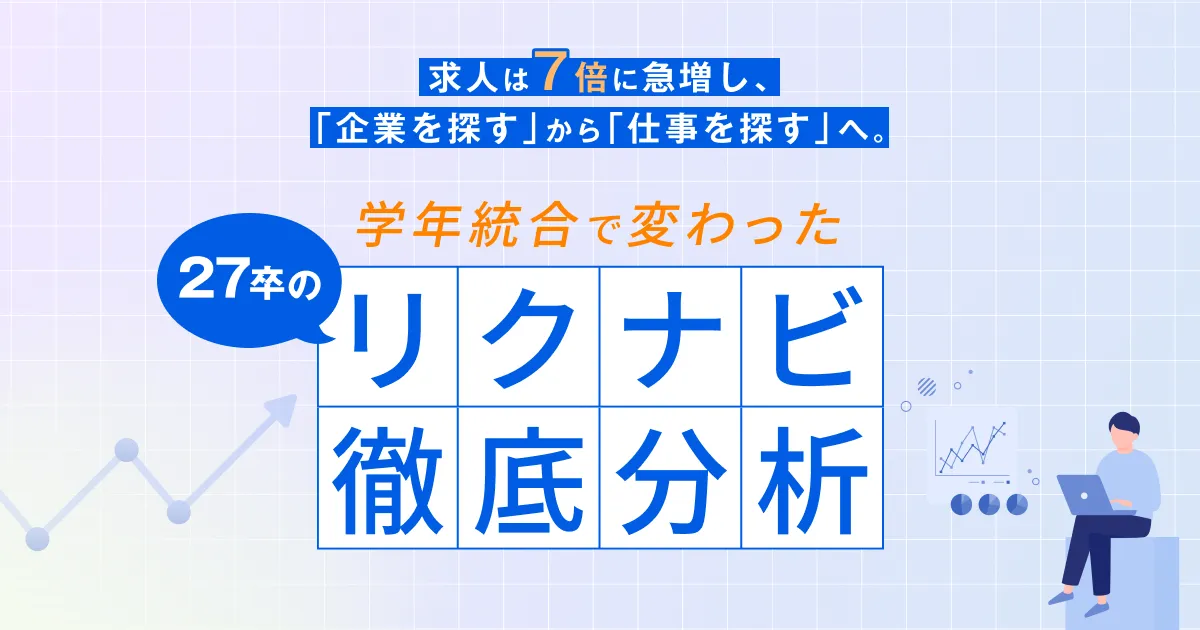
Analyzing the Transformation of Job Hunting Through Rikunabi's Major Renovation
Analyzing the Transformation of Job Hunting Through Rikunabi's Major Renovation
In a recent report released by Frog Corporation, a leading provider of recruitment big data based in Tokyo, the significant changes to Rikunabi, one of Japan's foremost job listing platforms, were under the microscope. This analysis focuses on the job market trends following Rikunabi's transformation aimed at better serving students about to graduate in 2027.
Overview of Rikunabi's Renovation
Rikunabi underwent a major overhaul that transitioned it from a site organized by graduation years to a comprehensive, all-inclusive platform catering to students across various academic stages. This evolution also significantly altered the way job listings are presented, changing from a company-centric structure to a job-type focused display. This adjustment enables job seekers to filter available positions based on their desired career paths rather than merely company names.
The pricing model also shifted dramatically with a new pay-per-click system replacing the earlier listing fee model. This change allows employers to manage their hiring budgets more flexibly, which may open the doors for smaller companies to participate without the heavy financial burden of upfront fees.
Recruitment Market Analysis
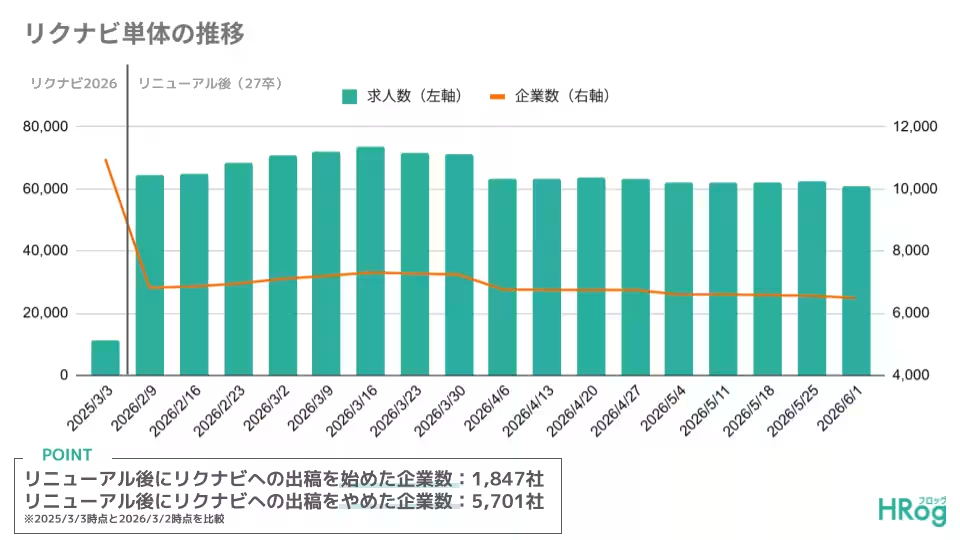
The renovation has had a profound impact on the recruitment landscape in Japan. An astonishing increase in job listings—around sevenfold—was recorded, rising from roughly 11,248 postings prior to the renovation to a staggering 70,884 shortly after its launch in March 2026. However, this spike in job listings came at a cost: the number of employers utilizing the platform dropped by approximately 30%.
Job Listing and Employer Trends
The ratio between job postings and employers tells a crucial story about the current state of recruitment. On March 16, 2026, right after the relaunch, the platform peaked with over 73,459 job listings but saw a notable drop to about 63,332 by mid-April, indicating a fluid recruitment environment that's highly responsive to shifting strategies among companies.
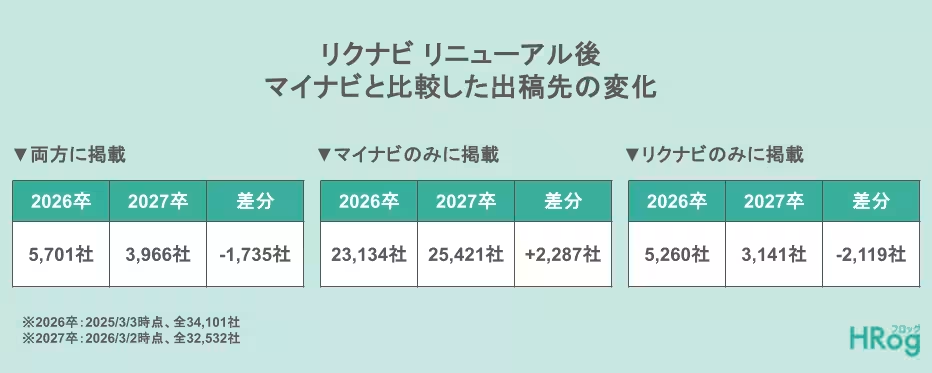
Interestingly, many companies that participated previously were no longer listing their job vacancies, resulting in a turnover rate where out of 5,701 firms that left, 1,847 new enterprises joined the platform. Consequently, this turnover signals a changing landscape where company engagement with Rikunabi is shifting dramatically.
Analyzing the Average Number of Job Postings Per Company
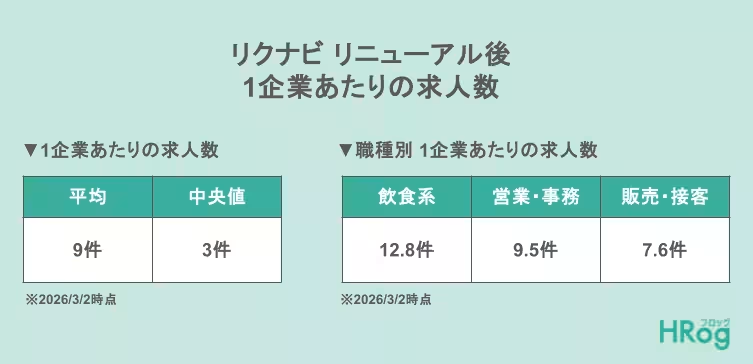
On average, companies are now posting about 9 job listings each, up from a previously smaller number. This increase is primarily thanks to the redesigned layout which encourages employers to list multiple roles or job classes, optimizing their visibility. Particularly, the restaurant sector leads with an average of 12.8 postings per company.
Changes in Company Size and Market Dynamics
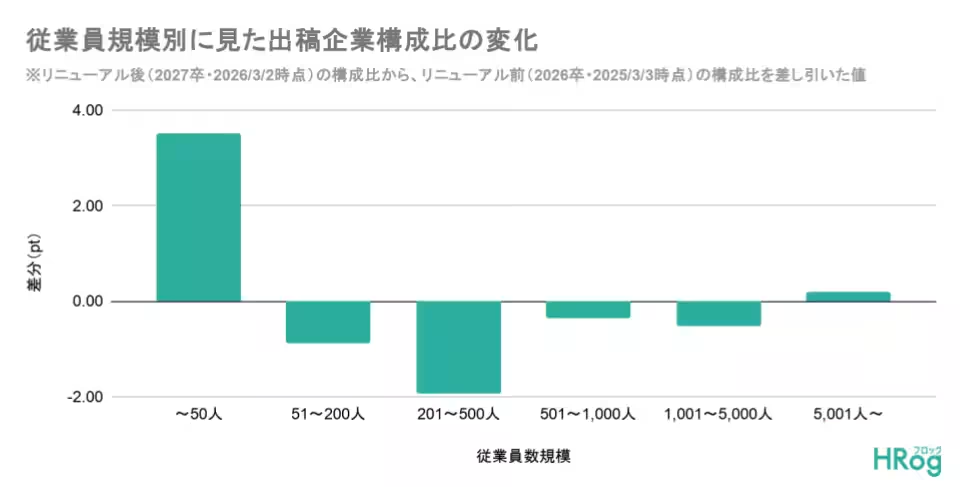
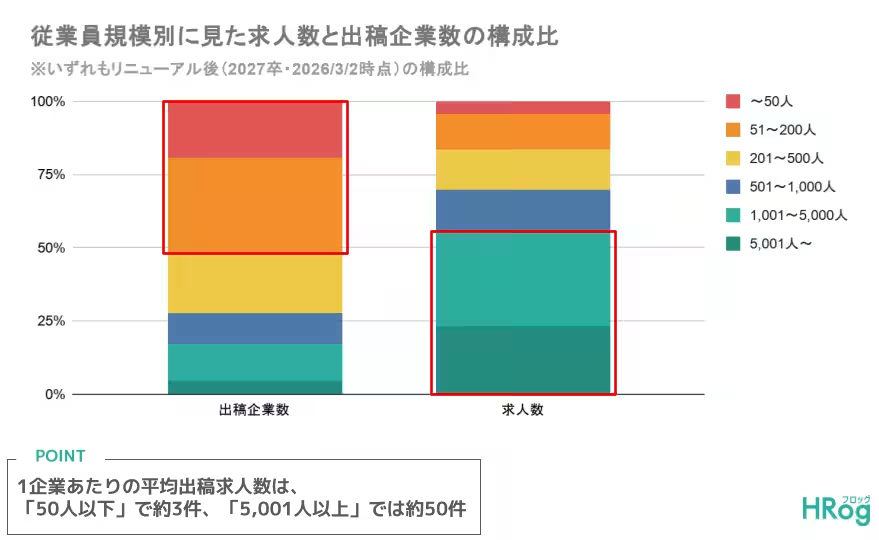
The report also highlighted a remarkable rise in the representation of firms with fewer than 50 employees, which increased by 3.51 points in percentage. This could imply that the new click-based pricing model is rendering Rikunabi more accessible for small businesses that previously might have felt excluded by the earlier cost structures. In contrast, larger companies tend to dominate the job volume with significantly higher average postings.
Comparison with Mynavi
An interesting trend unfolded when comparing Rikunabi with Mynavi, another well-established job listing platform. The number of companies using both platforms fell from 5,701 to 3,966, implying that employers are reassessing their reliance on dual listings. Many firms have moved solely to Mynavi, increasing its number of unique listings.
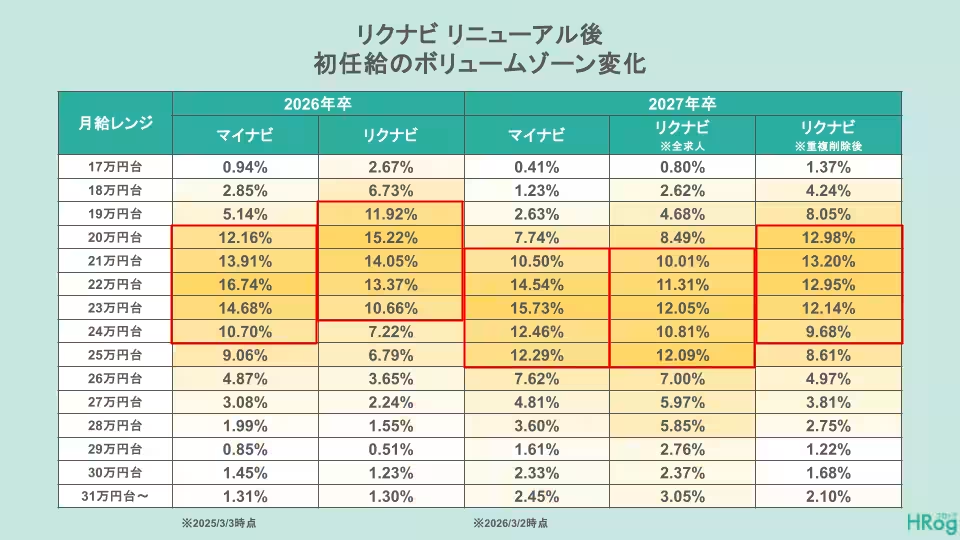
Rikunabi’s listings for starting salaries have also garnered attention. Despite initially higher averages reported on Rikunabi, adjustments made to account for duplicate listings revealed that actual starting salaries are often overshadowed by those found through Mynavi. This discrepancy might lead job seekers to perceive Rikunabi as a less favorable option when evaluating starting pay.
Conclusion
The overhaul of Rikunabi marks a significant pivot in the job searching process from merely seeking out companies to prioritizing specific job roles. Though overall job availability has soared, the proportion of participating employers has dwindled, indicating a radical shift in hiring practices. Ultimately, effective communication about job roles, alongside adjustments in hiring strategies, will likely shape the future landscape of recruitment in Japan, impacting companies both large and small.
Research Methodology
The data utilized for this analysis was gathered from various job listing platforms between March 3, 2025, and June 1, 2026. The approach enabled a thorough examination of trends, providing insights into the evolving dynamics of the employment market across different sectors and company sizes.
Topics Consumer Products & Retail)



【About Using Articles】
You can freely use the title and article content by linking to the page where the article is posted.
※ Images cannot be used.
【About Links】
Links are free to use.