




Connecting Sustainability and Flavor: New Fish Products from Hokkaido
Bringing Sustainable Fish to Your Table from Hokkaido's Changing Waters
In light of climate change, the fishing experiences in Hokkaido are transforming. With rising sea temperatures, certain fish species are declining while others, like herring and skate, are becoming more prevalent. From March 2026, Life Club, a cooperative based in Shinjuku, Tokyo, is launching two new fish products harvested from the Omou coast of Hokkaido: Herring fillets and Stewed Skate. These initiatives not only aim to offer delicious seafood but also seek to address the concerns of local fishermen facing economic challenges due to changing aquatic conditions.
The Shift in Fishing Practices
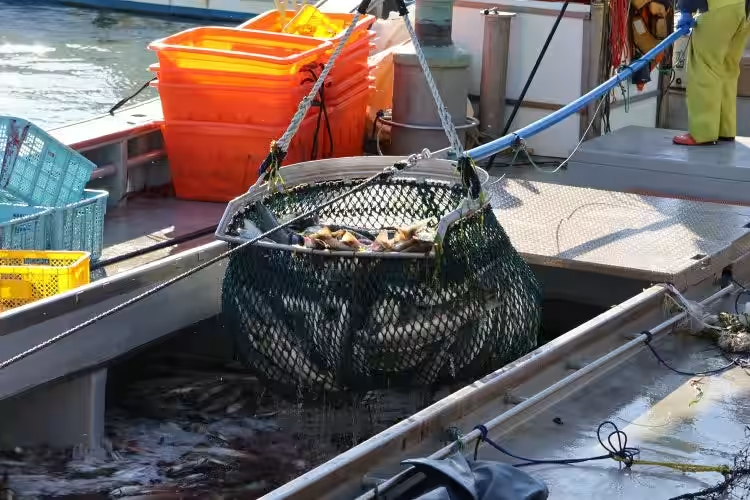
The Omou region has been traditionally known for its rich fishing grounds. However, the adverse effects of climate change have led to a noticeable decline in fish species that local fishermen have relied upon for generations. Hokkaido's unique skate, referred to in local dialect as kasube, often gets tangled in nets while pursuing other fish, damaging the equipment and offering little market value. Recognizing these issues, Life Club is working hand-in-hand with local producers to repurpose these underutilized fish into new culinary products, transforming potential waste into valuable food sources.
Introducing Herring Fillets: A New Way to Enjoy Hokkaido's Rich Seafood
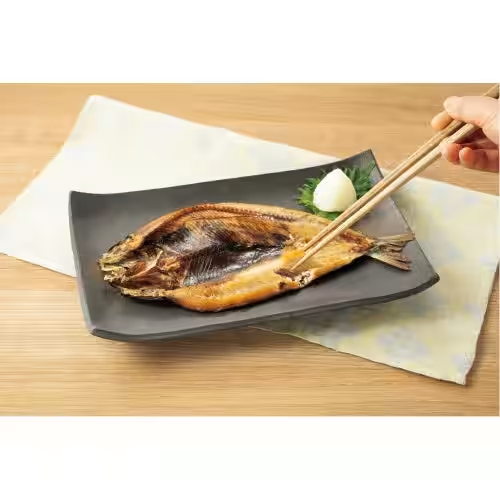
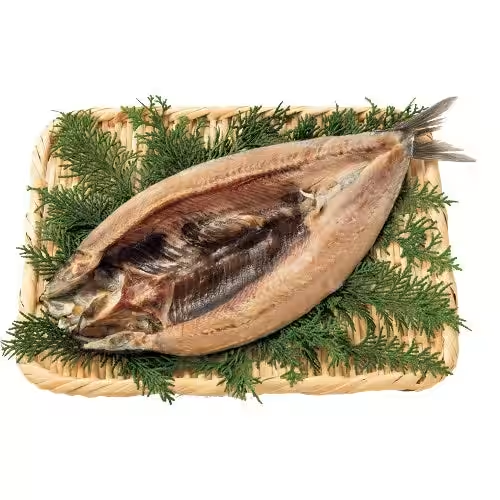
The Herring Fillets from Omou are prepared meticulously to retain quality and flavor. The fish is thoroughly cleaned, salted, and then dried using cold winds, resulting in soft and flavorful fillets enriched with natural oils. The careful processing ensures that the herring remains tender, allowing for a robust yet subtle taste experience. Ideal for quick meals, these fillets pair excellently with rice, providing a delightful taste of the sea.
Experience the Delight of Stewed Skate: A Hidden Gem of Hokkaido Cuisine
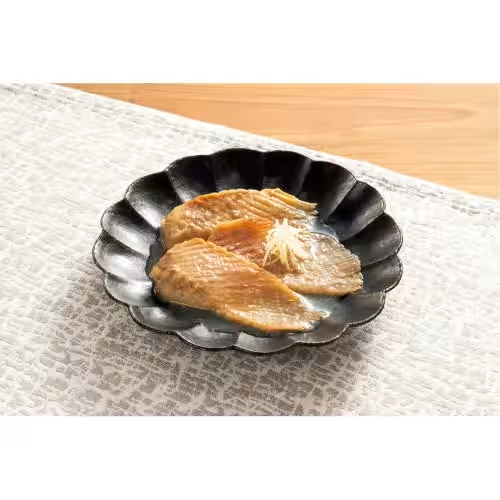
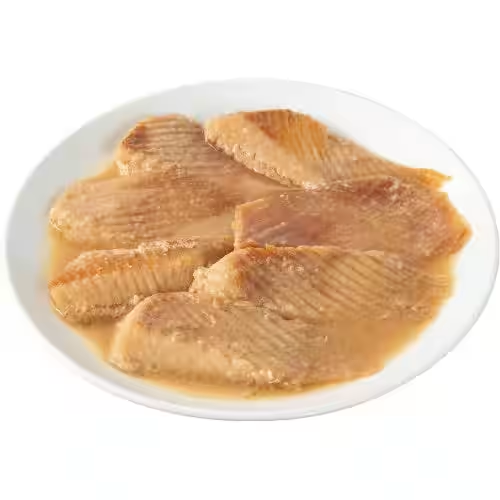
Next, Stewed Skate exemplifies traditional Hokkaido cuisine. After being sourced directly from the waters, the skate is processed fresh, preserving its delicate flavors. While it might be unfamiliar to those outside the region, this dish is rich in collagen, boasting a unique texture that combines tenderness with a satisfying chew. Simply warming it in the microwave makes it accessible, allowing everyone to experience the essence of Hokkaido's gastronomy.
Commitment to Sustainability and Culinary Excellence
Life Club’s mission transcends the mere selling of seafood—it's about embracing sustainability and supporting local fishing communities. The cooperative aims to reduce food waste by utilizing fish types that are often overlooked, fostering a circular economy. Through these initiatives, they not only bring freshness to tables but also help to sustain the local fishing industry for future generations.
Product Details
| Product Name | Herring Fillets from Omou | Stewed Skate from Omou |
|---|---|---|
| ------- | ----- | ----- |
| Content | 180g (1 piece) | 180g (net weight 150g) |
| Expiration Date | 180 days from production | 180 days from production |
| Price | 499 JPY (tax included) | 416 JPY (tax included) |
| Supplier | Hokkaido Fisheries Cooperative Association | Hokkaido Fisheries Cooperative Association |
About Life Club
Founded in 1965, Life Club operates as a cooperative with over 420,000 members across 21 prefectures. Focusing on domestic products, minimal additives, and reduced pesticide levels, the organization emphasizes safe and reliable food. Their vision is to promote a sustainable society through collaborative consumption that considers health and environmental impacts from production to waste disposal.
Discover more about their initiatives and products through their website and social media channels:
Website | Instagram
In conclusion, the introduction of Hokkaido’s herring and skate demonstrates a unique approach to facing the climate crisis—turning challenges into opportunities while delighting consumers with delicious, sustainable seafood.


Topics Consumer Products & Retail)
【About Using Articles】
You can freely use the title and article content by linking to the page where the article is posted.
※ Images cannot be used.
【About Links】
Links are free to use.