




Understanding the True Evaluation Criteria for New Graduates in 2026
Introduction
In the ever-evolving job market, the expectations that employers have for new graduates, particularly those in their 20s, are crucial to understand. A recent report from CAREER FOCUS has unveiled the realities behind the hiring criteria employed by over 300 companies, aiming to clarify what young professionals need to do to stand out in a competitive landscape.
Report Highlights
This groundbreaking report emphasizes several key points:
1. Real Evaluation Standards: For the first time, CAREER FOCUS has systematically published the genuine evaluation criteria used by employers looking to hire new graduates.
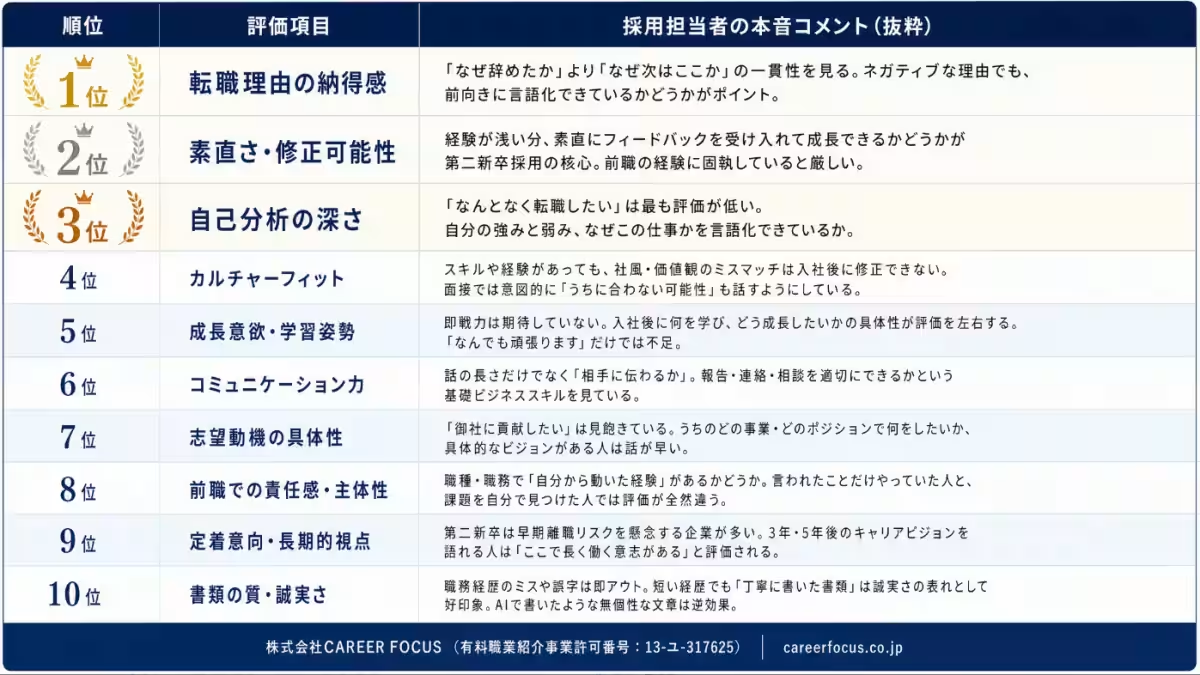
2. Top 10 Evaluation Metrics: Detailed insights into the most critical factors that hiring managers prioritize—such as the coherence of job change reasons, the candidate’s self-awareness, and their cultural fit—are included.
3. Positive Perception of Second Graduates: Over 74.7% of hiring professionals have a positive view of hiring second new graduates, with plans to continue hiring beyond 2025, reflecting a strong demand for this demographic.
4. Market Improvement: By disseminating this essential information, CAREER FOCUS hopes to foster better job matching and support a healthier employment ecosystem.
Background and Purpose
According to recent data from the Ministry of Health, Labour and Welfare, the turnover rate for new university graduates within three years has hit 34.9%, the highest in 15 years. This marks a concerning trend as more young professionals seek new opportunities. Simultaneously, a survey by Mynavi revealed that 74.7% of hiring managers view second new graduates positively, and more than 80% intend to continue hiring despite market fluctuations.
However, a significant gap exists between the expectations of companies and the understanding of job seekers. Most job search agents concentrate on metrics such as speed of placement rather than providing insight into what companies genuinely value in applicants.
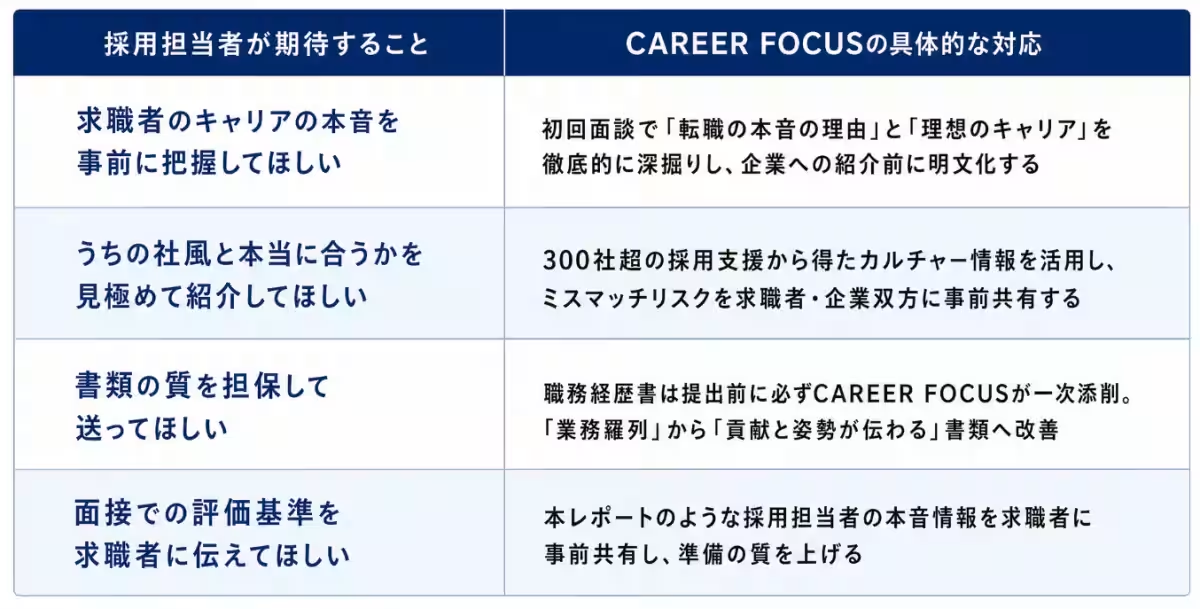
CAREER FOCUS has dedicated itself to bridging this gap by using its extensive experience in recruitment advertising and consulting to enlighten job seekers. The aim is not only to aid applicants in crafting compelling applications but also to empower them with knowledge about employer expectations.
Part 1: Top 10 Evaluation Criteria
The report outlines the top ten things employers are looking for:
1. Job Change Rationalization: Companies prefer candidates who can explain their reasons for leaving a previous job while maintaining a consistent narrative about their future ambitions.
2. Receptiveness to Feedback: A willingness to learn and adapt is seen as essential; candidates must show they can grow from feedback rather than clinging to past experiences.
3. Depth of Self-Analysis: Candidates who can articulate their strengths and weaknesses, along with the reasons for selecting a particular job or company, are likely to see higher success rates.
4. Cultural Fit: While skills can be acquired, compatibility with the company culture is irreplaceable, often discussed during interviews to gauge potential mismatches.
5. Desire for Growth: Employers want to know how candidates plan to grow within the company, rather than merely stating a desire to work hard.
6. Communication Skills: The ability to convey information clearly and effectively is crucial and is assessed beyond just the volume of words spoken.
7. Specific Motivations: Generic phrases about wanting to contribute are no longer sufficient; candidates must demonstrate specific knowledge about the company and the role they seek.
8. Responsibility and Initiative: Employers value proactive candidates, making a distinction between those who wait for directions versus those who take the initiative.
9. Long-term Commitment: Companies often worry about turnover, so having a clear vision for the future within the company enhances a candidate’s appeal.
10. Quality of Application Materials: Attention to detail in resumes and cover letters is critical; sloppy submissions are immediately dismissed.
Part 2: Reasons for Application Rejection
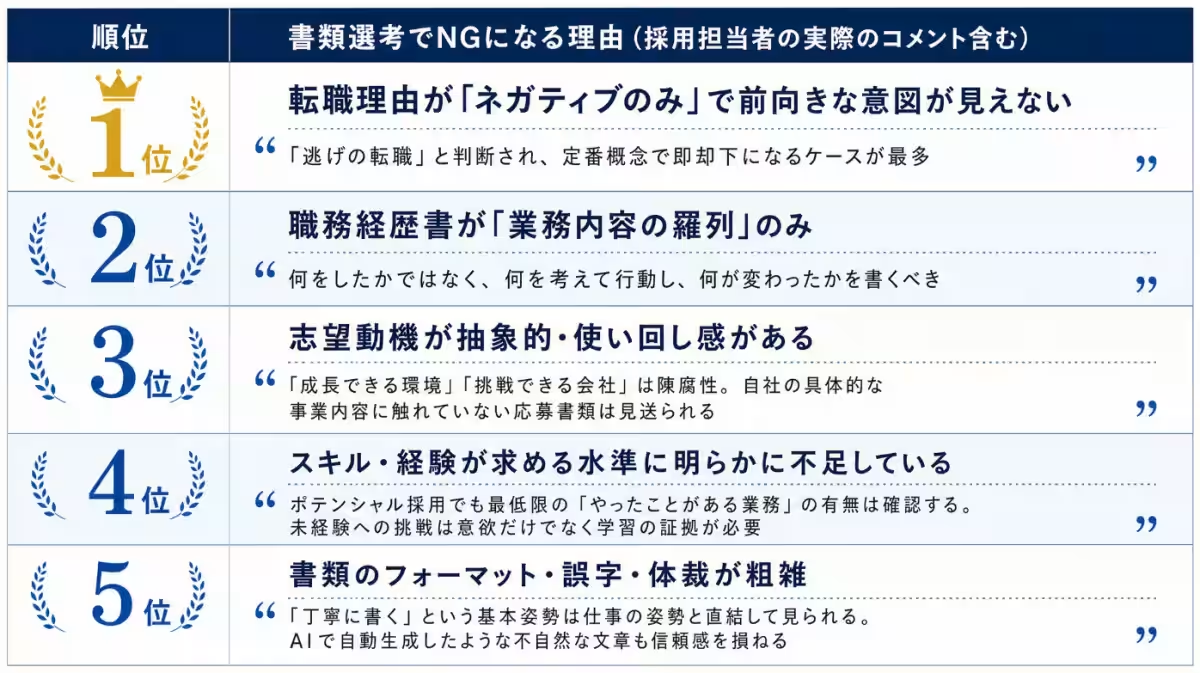
Understanding common pitfalls during the application process helps candidates better prepare:
1. Negative Job Change Rationale: Candidates who present only negative reasons for leaving previous jobs often face instant rejections due to concerns about their commitment.
2. Oversimplified Work History: Merely listing job duties without context or results is a common mistake that reduces the impact of an application.
3. Generic Application Materials: Candidates using clichéd motivations without detailing specific company interests fall short in their applications.
4. Skill Gaps: Applicants must meet minimum expectations in terms of experience related to potential roles.
5. Poorly Formatted Documents: The first impression counts; error-laden resumes signal a lack of professionalism.
Part 3: High-Performing Interview Behaviors
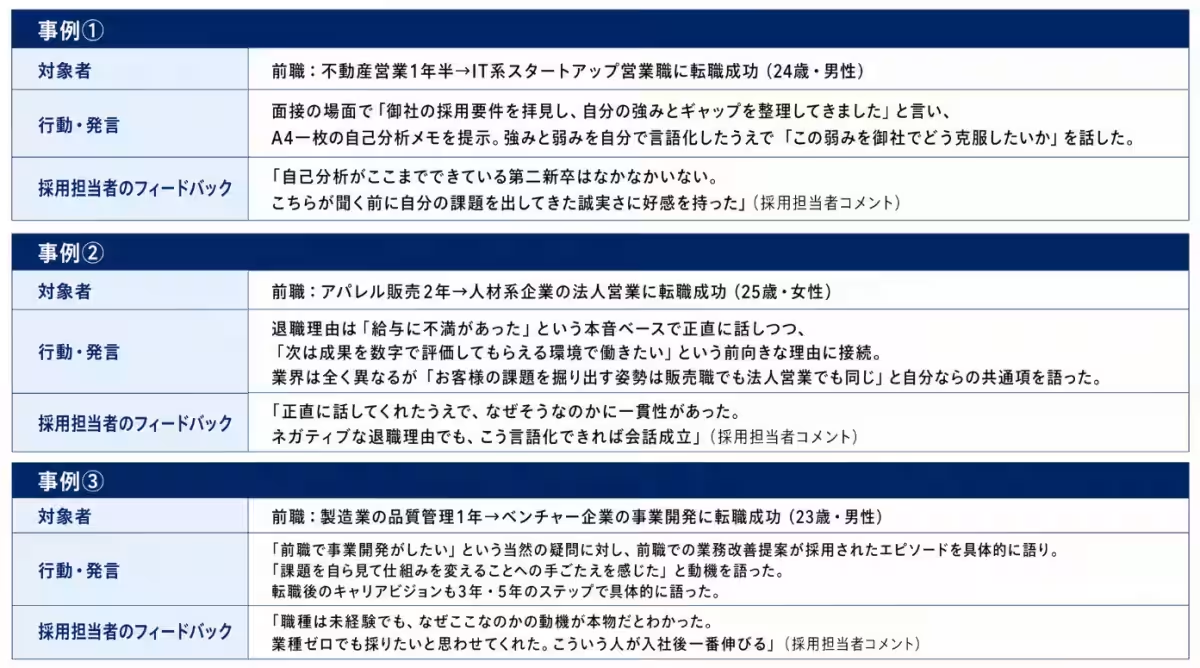
The report also showcases real cases from successful candidates:
- - One candidate articulated a robust career vision tied to the company's mission, which resonated well with interviewers.
- - Another demonstrated adaptability by discussing previous feedback at past jobs and how it shaped their professional journey.
Conclusion
In conclusion, the hiring process for new graduates reveals a complex web of expectations and realities. The insights provided by CAREER FOCUS serve to equip job seekers with the knowledge needed to navigate this challenging landscape effectively. Through rigorous preparation and understanding of employer perspectives, candidates can significantly enhance their job prospects, leading to mutually beneficial employment outcomes.
About CAREER FOCUS
CAREER FOCUS specializes in supporting young professionals as they embark on their career journeys. By providing tailored advice and insights into real employer expectations, we aim to help candidates achieve their dream jobs and enhance their employability in today's competitive market.

Topics Business Technology)

【About Using Articles】
You can freely use the title and article content by linking to the page where the article is posted.
※ Images cannot be used.
【About Links】
Links are free to use.