



Understanding the GAP Between Japanese Language Skills and Work Performance of Foreign Employees in Japan
Survey Results on Foreign Employees' Japanese Proficiency and Work Performance
Overview of the Survey
The 32nd survey conducted by Bizmates Corporation, which is headquartered in Chiyoda, Tokyo, looked into the gap between the Japanese language abilities of foreign employees and their actual work performance. The study involved 438 HR and management professionals who recruit and manage foreign employees, all of whom were required to meet at least the N3 level (business intermediate level) of the Japanese Language Proficiency Test (JLPT) at the time of hiring.
Key Findings
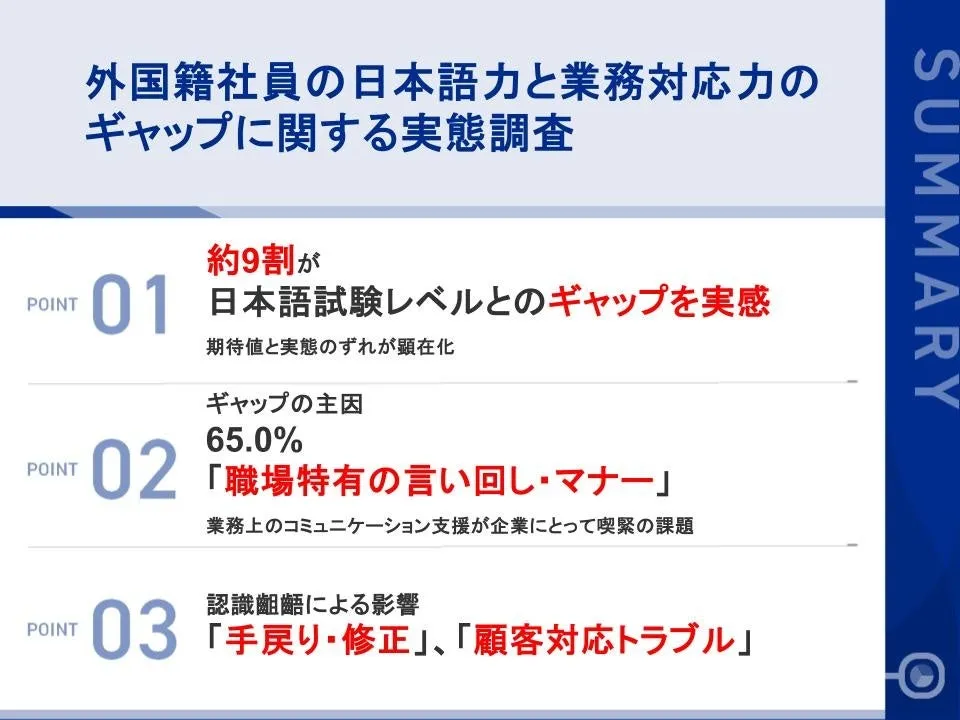
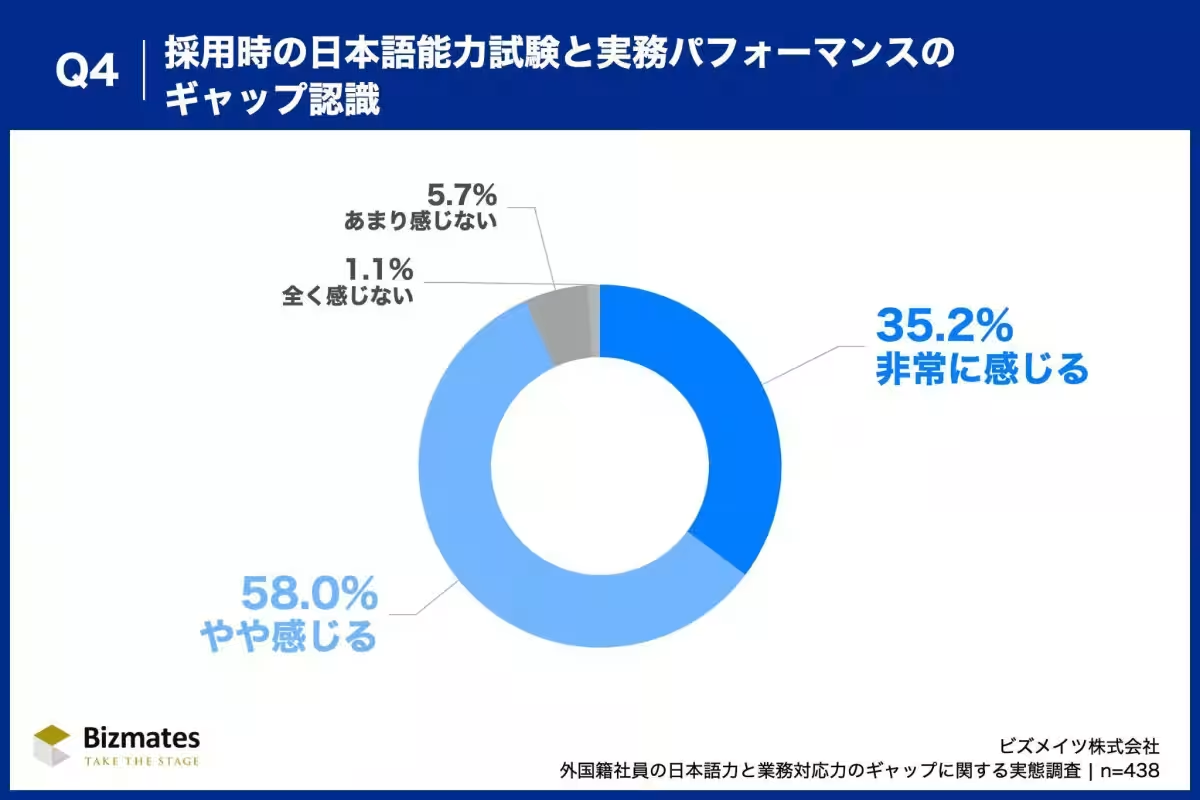
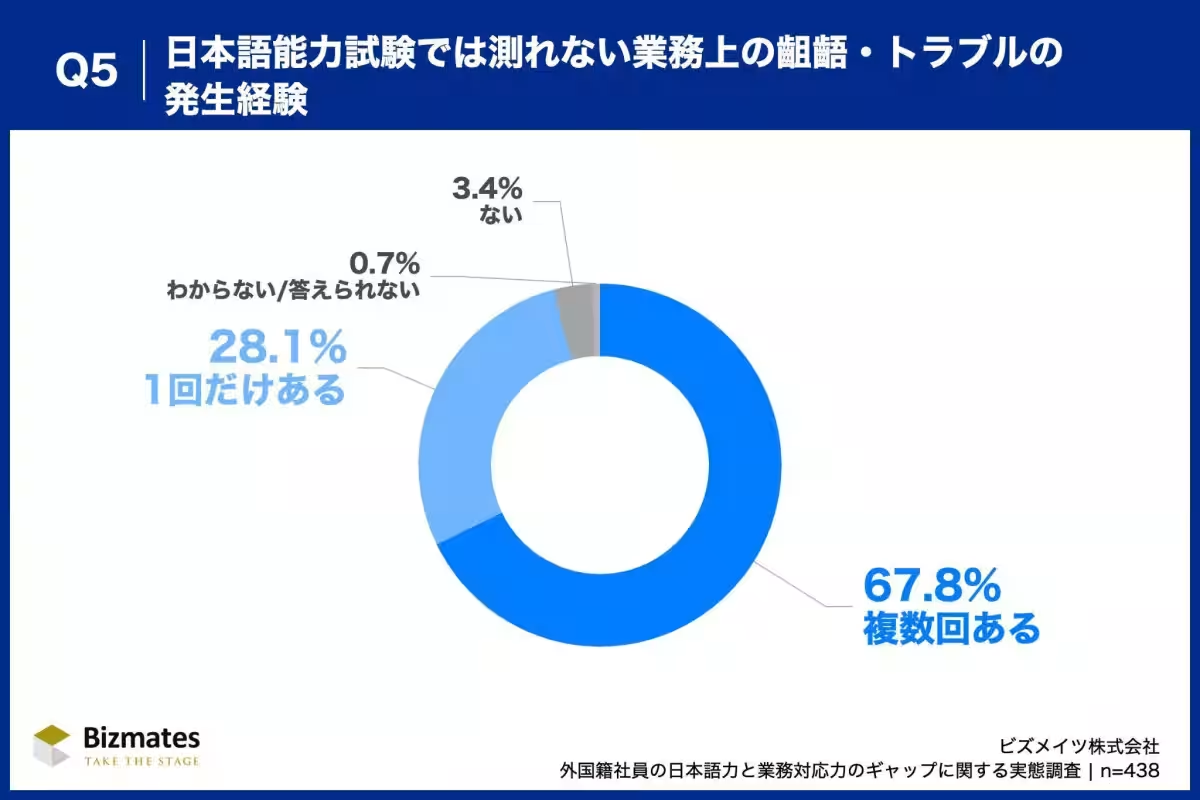
The survey unveiled that over 90% of these professionals recognize a significant gap between the expected Japanese language proficiency and the practical work performance of their foreign employees. Moreover, an overwhelming 95.9% reported experiencing misunderstandings and troubles in the workplace.
Factors Contributing to the Gap
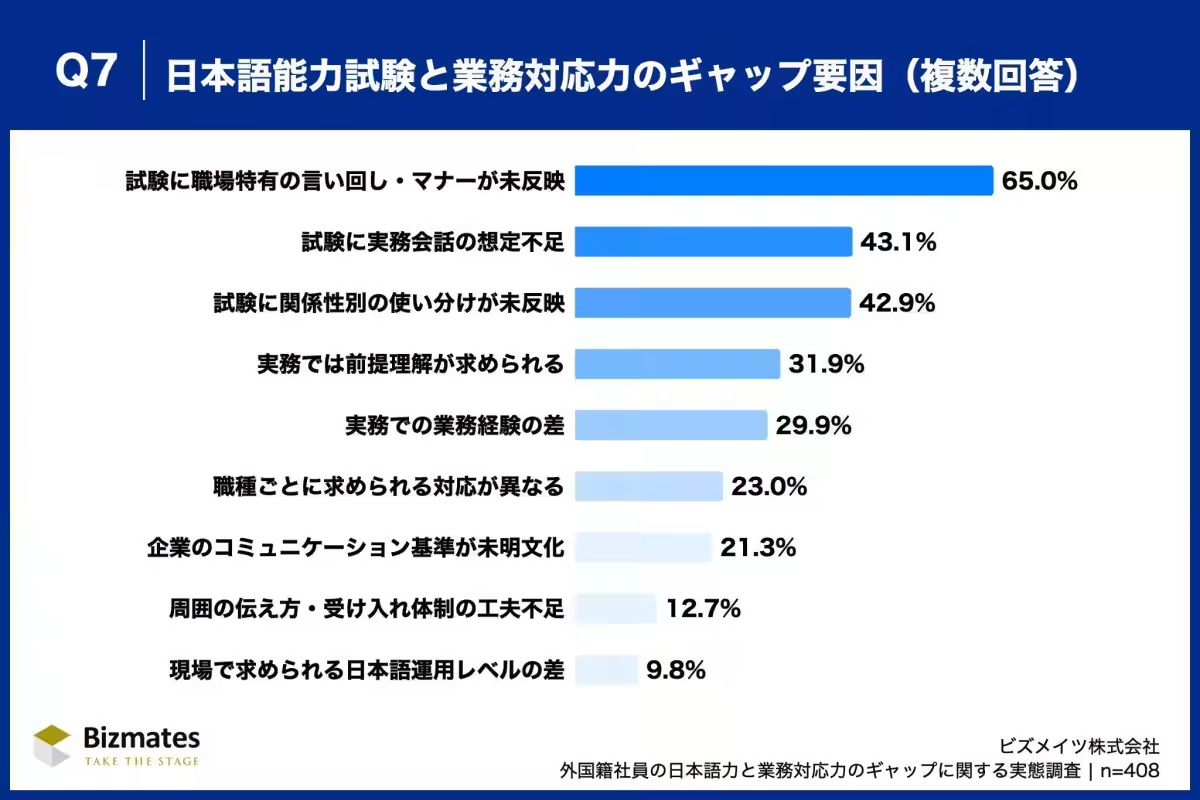
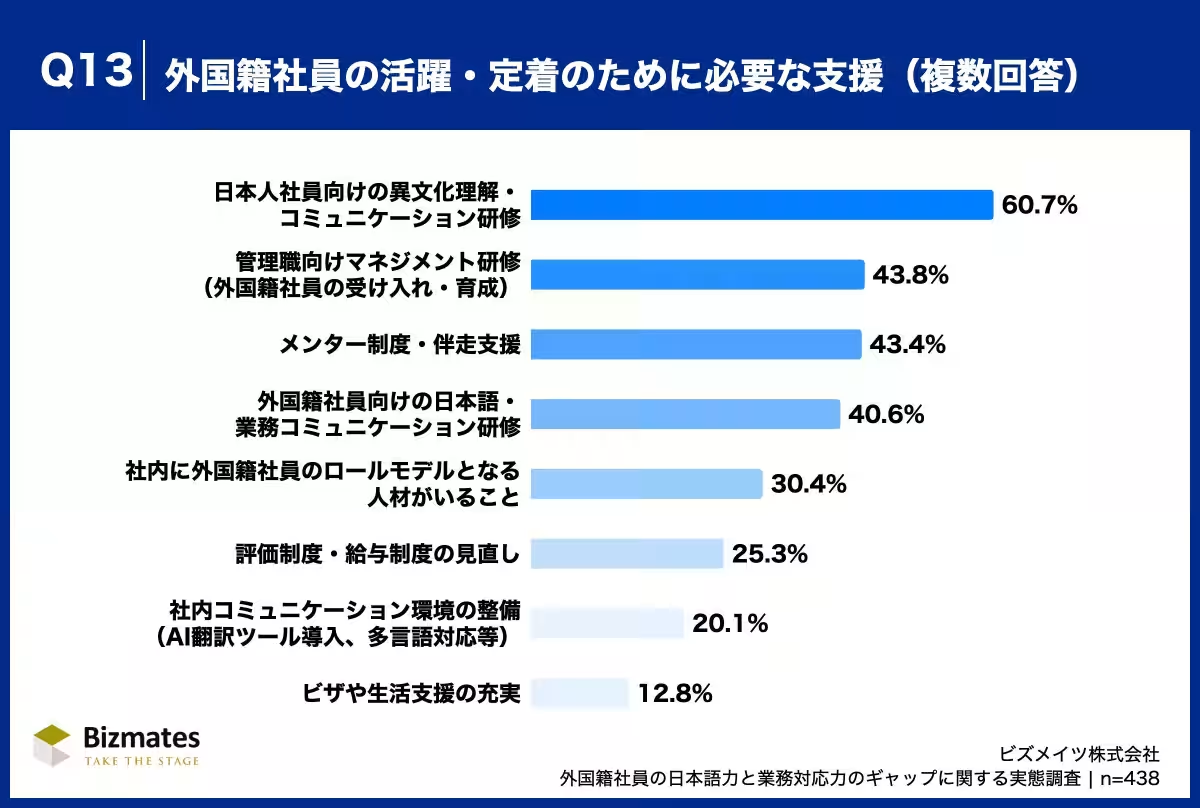
The primary cause identified was that the unique phrases and business etiquette of Japanese workplaces are not covered in the language proficiency tests. This underscores the necessity for understanding Japan's distinctive business culture and manners, which cannot be compensated for by language skills alone. Furthermore, the survey highlighted that intercultural understanding and communication training for Japanese employees are essential for retaining and effectively utilizing foreign talent.
As the recruitment of foreign talent accelerates, the development of practical Japanese language skills that do not solely depend on test scores—and the establishment of a two-way communication environment in the workplace—have become critical management issues that significantly impact the sustainable growth of businesses as well as the retention of diverse talent.
Detailed Findings of the Survey
Job Roles of Foreign Employees
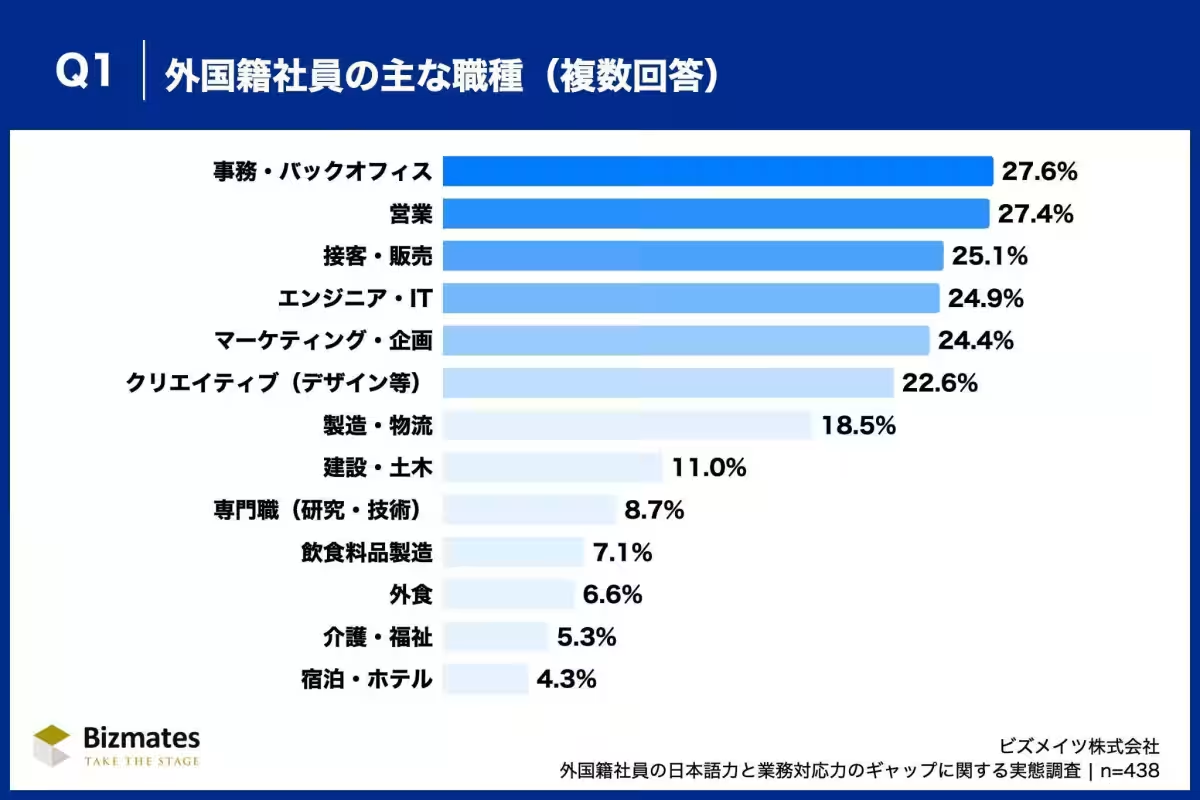
The survey examined the main job roles of foreign employees, revealing a diverse range of positions. The most common roles reported were "administrative/back office" at 27.6% and "sales" at 27.4%, followed by "customer service/sales" at 25.1% and "engineer/IT" at 24.9%. This distribution indicates that foreign employees are not concentrated in specific areas but are rather active across various departments.
Recognition of Communication Challenges
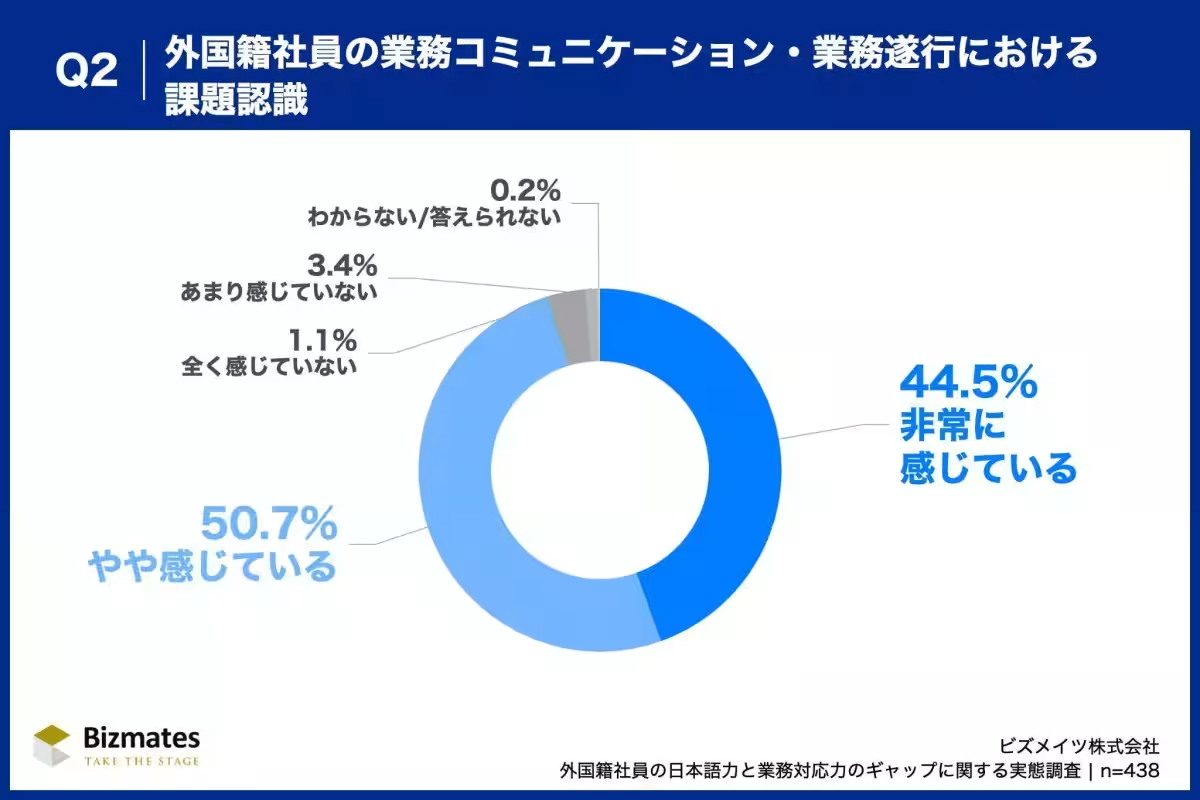
In terms of operational communication, a staggering 95.2% of the respondents expressed that they face challenges in workflow management and communication with their foreign employees. Over 44% indicated they feel these challenges very strongly, implying substantial impacts on daily operations. The growing presence of foreign employees necessitates immediate attention to support their operational communication.
Specific Challenges
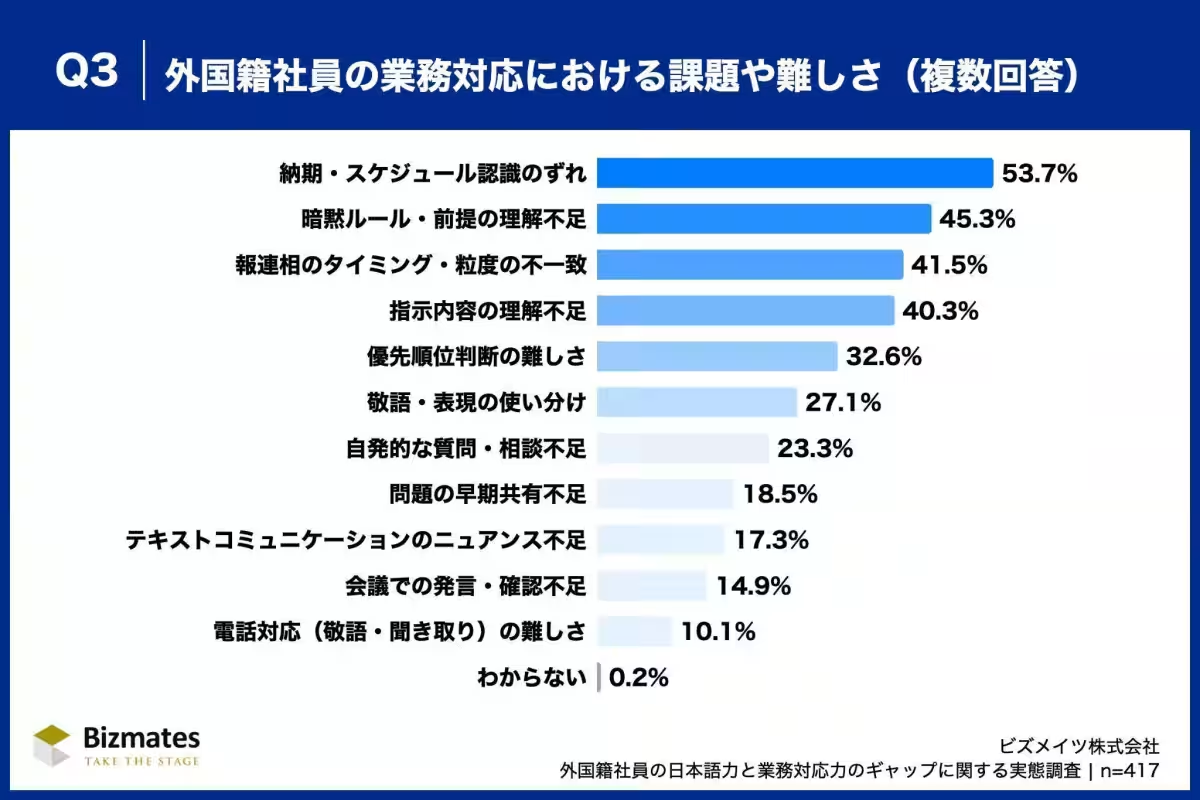
Survey data highlighted that 53.7% of respondents expressed noticeable discrepancies in deadline management and schedule assessment. Beyond this, misunderstandings due to implicit rules and different contexts also presented significant challenges, reinforcing that these issues go beyond simple language proficiency.
Performance Assessment Discrepancies
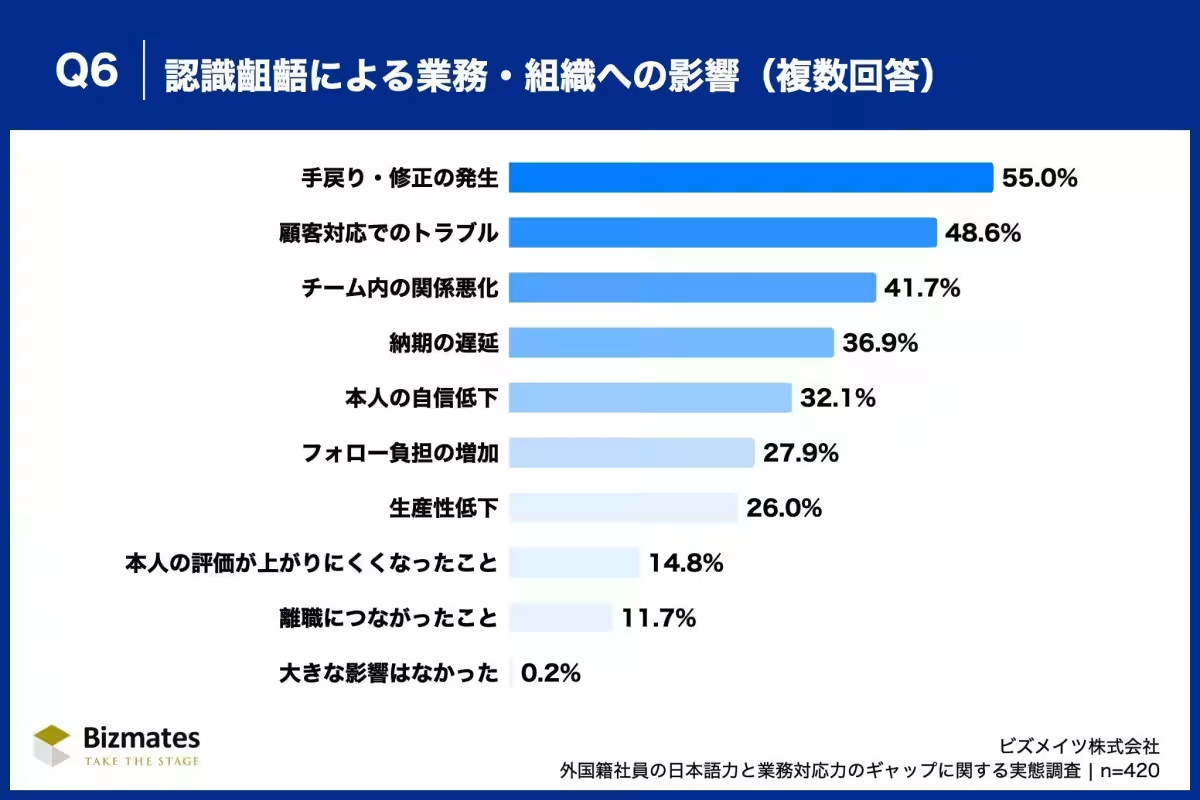
Moreover, 93.2% stated they sense a noticeable gap between the level of Japanese language tests and the actual work performance expectations, indicating challenges in relying solely on JLPT scores for recruiting and evaluating job appropriateness. Almost all participants reported having faced misunderstandings and subsequent structural challenges in the workplace due to language restrictions.
Recognition and Training Needs
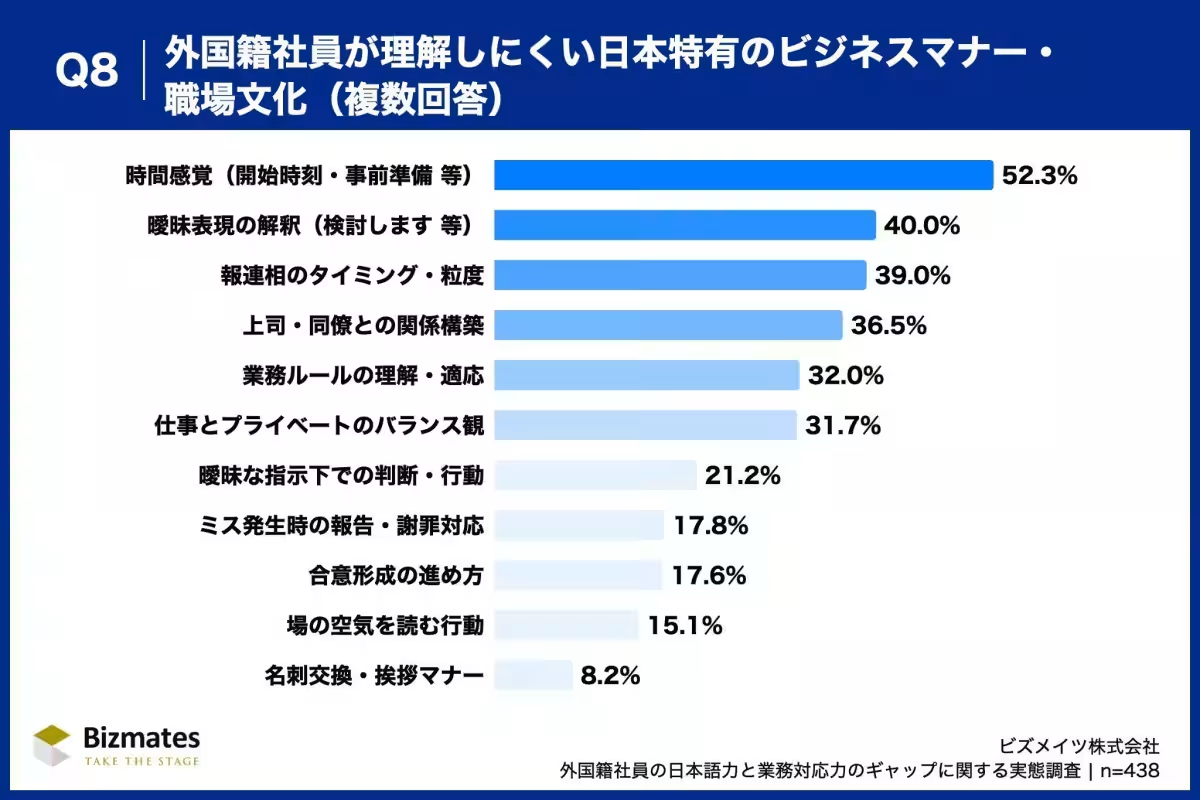
Interestingly, the survey revealed that 96.3% of companies acknowledged the necessity of support and training initiatives for Japanese employees to facilitate better collaboration with foreign counterparts. Specifically, foreign employees often struggle with unique aspects of Japanese business manners, where over 52% indicated that perceptions of time, such as punctuality and preparation, were particularly challenging.
Training Implementation
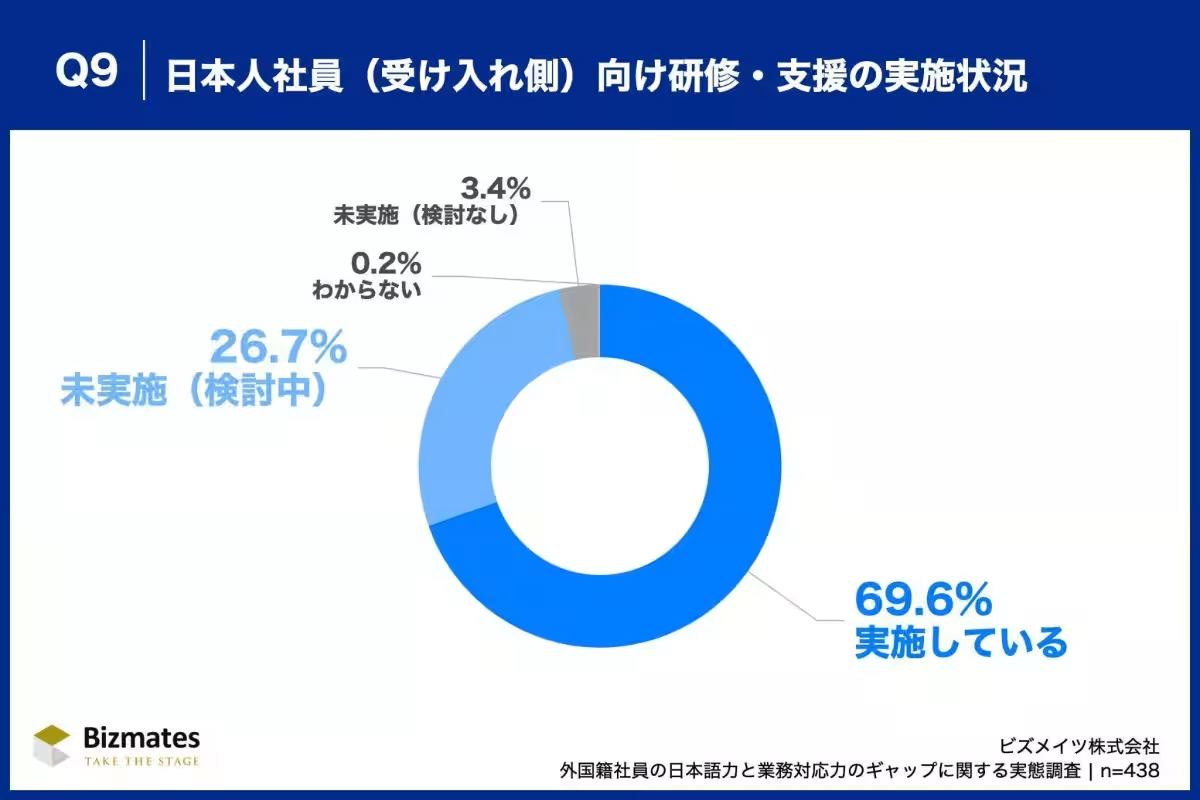
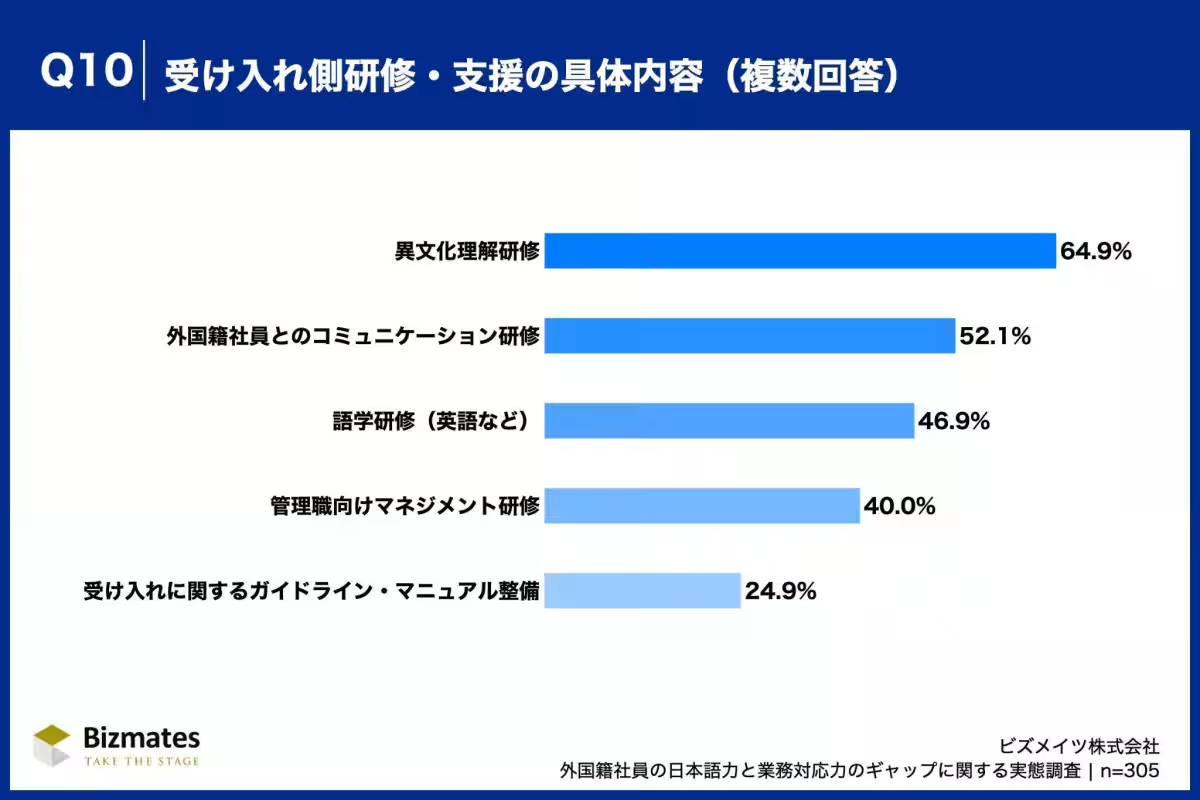
About 69.6% of companies have implemented Japanese employee training related to intercultural understanding and communication, marking a significant step towards fostering an inclusive workforce. The majority focus on cultural understanding training, with an emphasis on improving business communication skills.
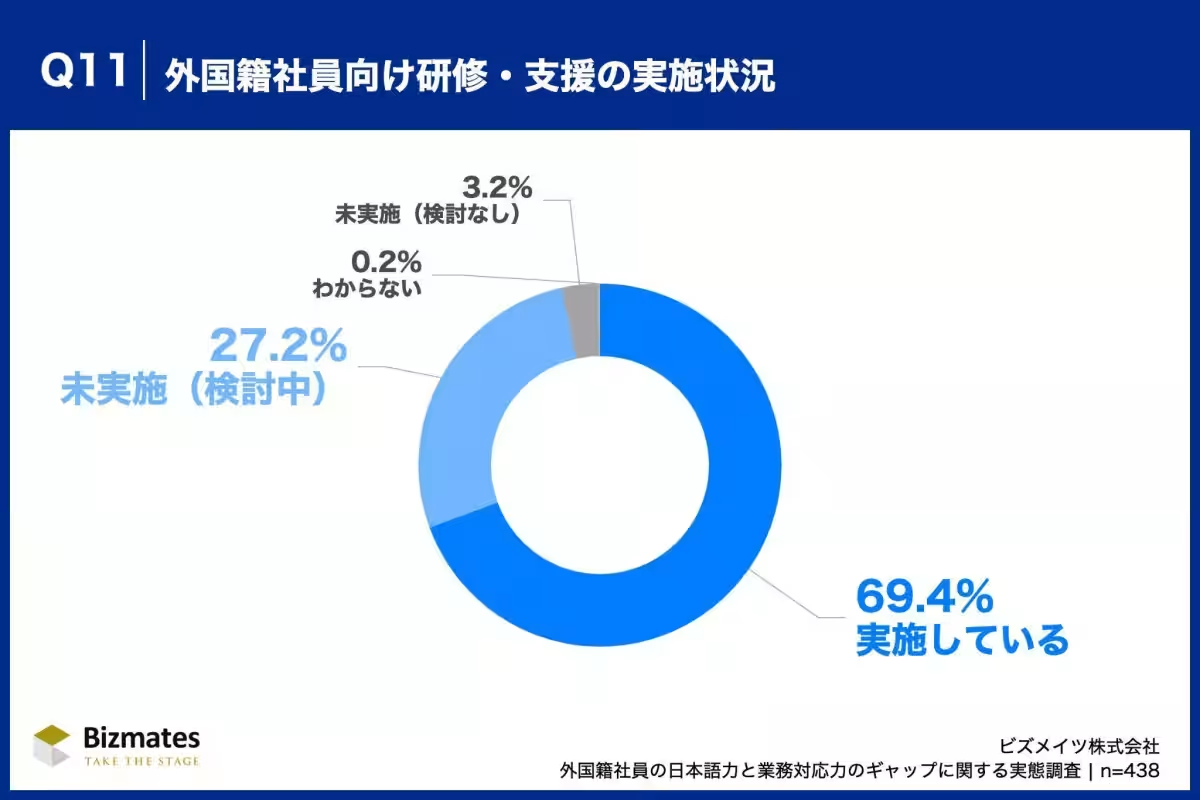
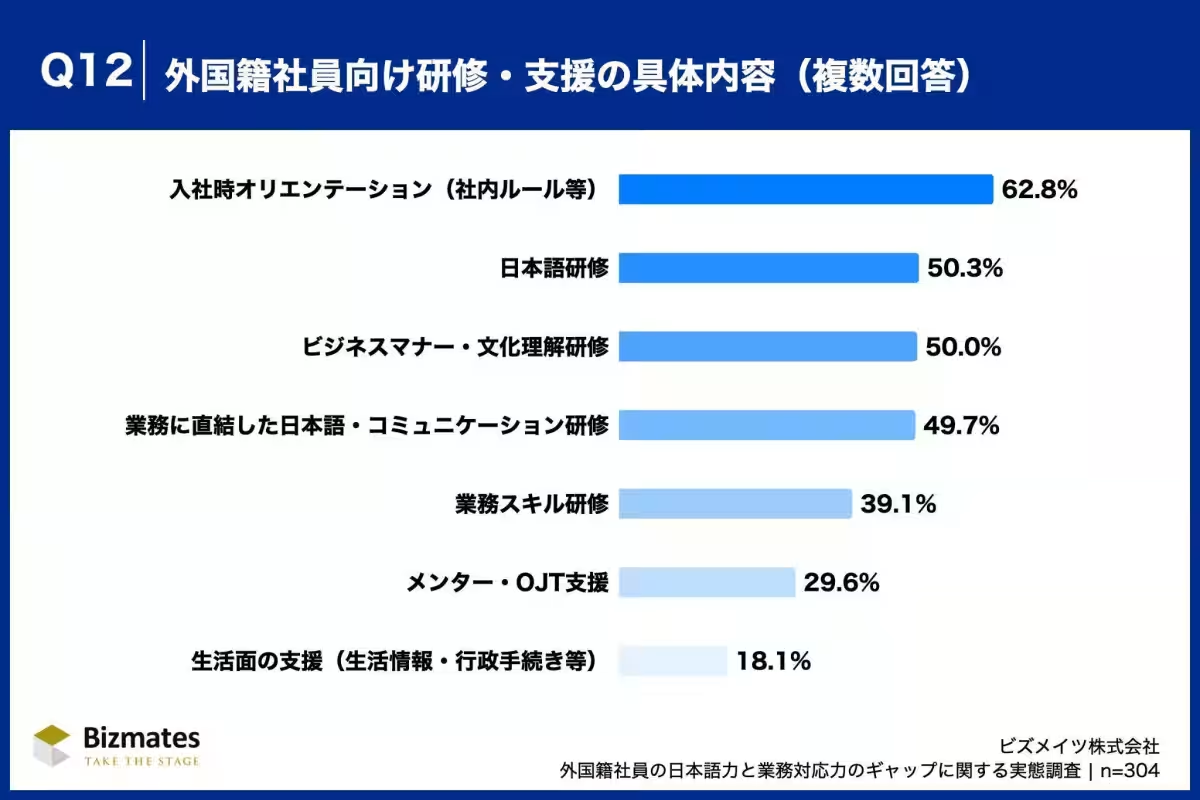
Additionally, similar training support also exists for foreign employees, with about 69.4% of respondents indicating they offer training initiatives designed to help them acclimate to the workplace.
Conclusion
In summary, this survey indicates that even among companies stipulating a minimum threshold of N3 on the JLPT for hiring foreign workers, a notable number still encounter perceptible disparities between language tests and actual work performance. The findings suggest a systemic need for comprehensive training and support not just for the recruits but significantly for existing Japanese employees to ensure effective collaboration in the increasingly internationalized workplace of Japan.
For companies eager to thrive in today's global economy, it's essential to address these gaps through targeted training that encompasses both language and cultural comprehension, enhancing overall productivity as well as employee satisfaction and retention.
Topics Business Technology)
【About Using Articles】
You can freely use the title and article content by linking to the page where the article is posted.
※ Images cannot be used.
【About Links】
Links are free to use.