



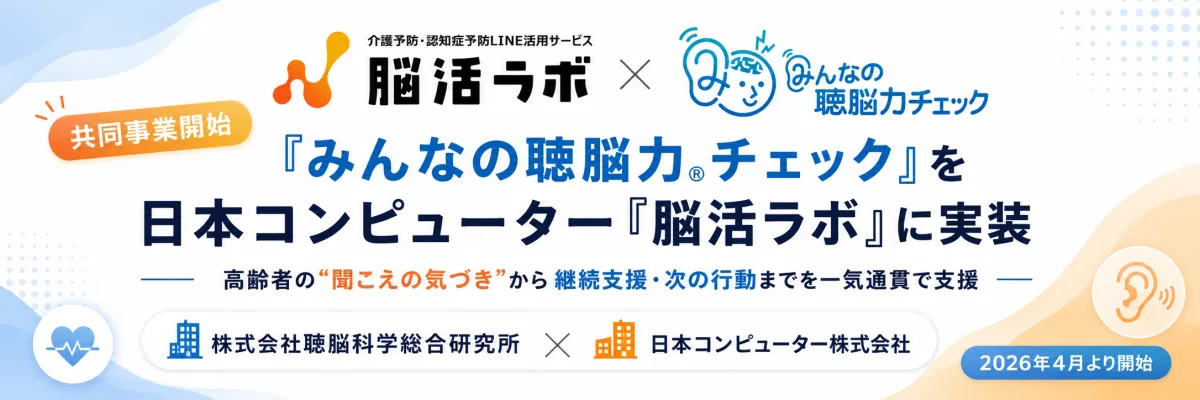
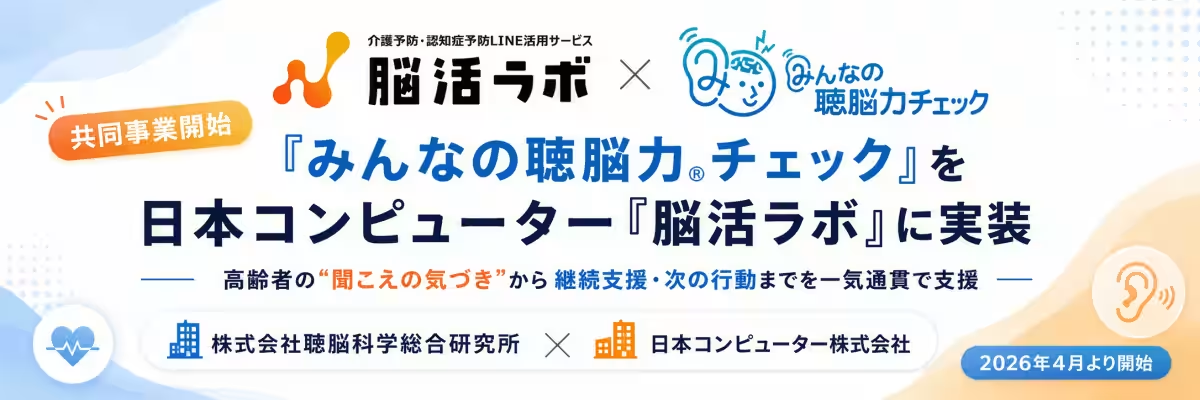
Integrating 'Minna no Chou Nouri Check' into Japan Computer's Brain Activation Lab
Introduction
Starting April 2026, the Comprehensive Research Institute for Hearing and Brain Science will collaborate with Japan Computer Co., Ltd. to integrate the 'Minna no Chou Nouri Check' into Japan Computer's preventive care platform, known as the Brain Activation Lab. This initiative aims to support elderly individuals in recognizing changes in their hearing and promoting continuous health actions focused on preventing caregiving needs and cognitive decline.
Background of the Collaboration
Changes in hearing due to aging can often go unnoticed by individuals. When left unaddressed, these changes can lead to communication difficulties and social isolation, drastically affecting daily life. According to the World Health Organization (WHO), untreated hearing loss is linked to cognitive impairment and increased risks of dementia. The institute possesses specialized knowledge and technology related to hearing and brain science, which will seamlessly integrate with the user-friendly platform of the Brain Activation Lab, designed specifically for older adults. This collaborative effort will facilitate a comprehensive approach that supports individuals from the initial awareness of hearing changes to ongoing support and the next necessary actions.
Overview of the Initiative
1. Implementation into Brain Activation Lab
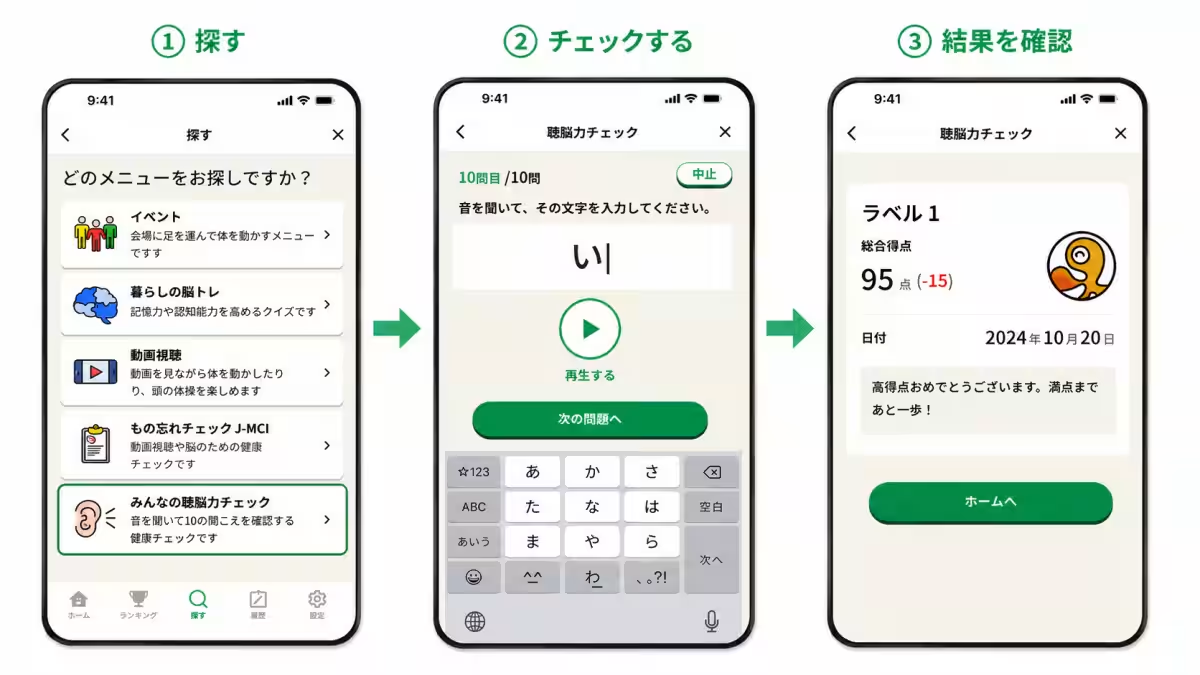
The 'Minna no Chou Nouri Check' system will be incorporated into the easily navigable interface of the Brain Activation Lab, which is regularly accessed by seniors.
2. User-Friendly Experience
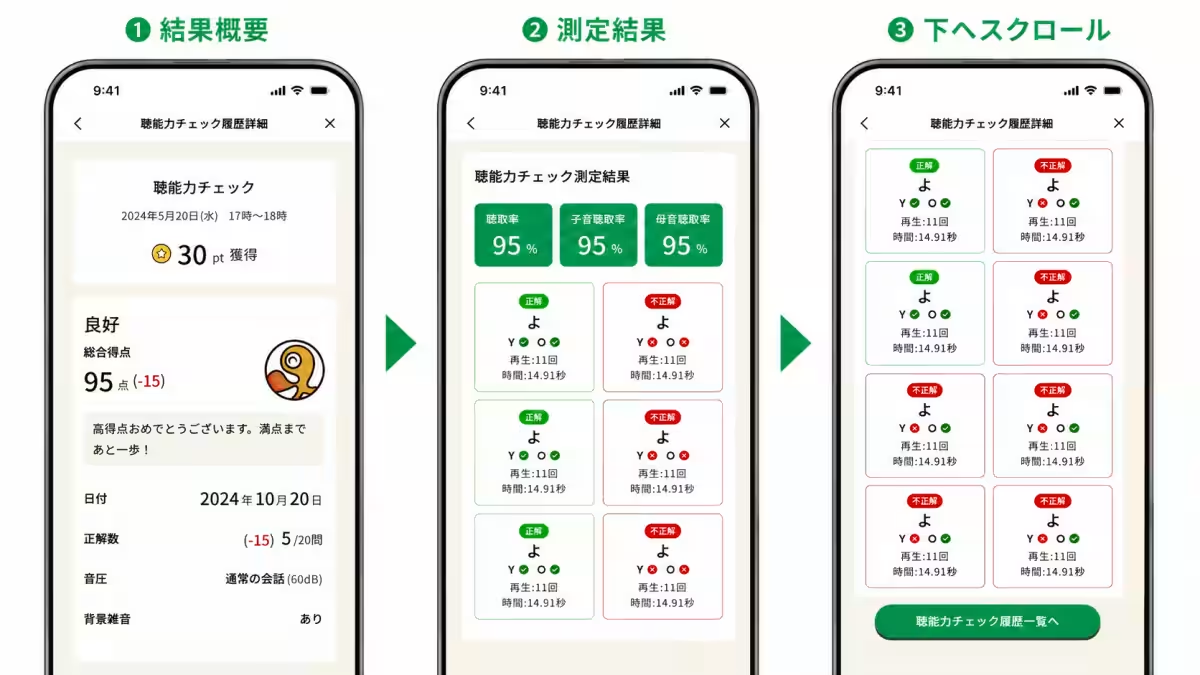
The platform will provide large, clear displays, straightforward operational steps, and guidance for reviewing results and retaking assessments, ensuring accessibility for elderly users.
3. Connecting Results to Health Actions
Based on results, connections to necessary services, such as consultations with otorhinolaryngologists and municipalities, hearing aid consultations, and local preventive care programs will be established.
4. Support for Municipal Dementia and Frailty Prevention Initiatives with Data
With the individuals’ consent and in accordance with proper personal information protection measures, data regarding implementation and changes over time will be utilized to inform preventive initiatives.
Comments from the Representative
Mr. Makoto Nakaishi, the representative of the Comprehensive Research Institute for Hearing and Brain Science, remarked, "Hearing is crucial for communication, social participation, physical activity, and cognitive function, which are all fundamental to health. By implementing 'Minna no Chou Nouri Check' in the widely accessible 'Brain Activation Lab,' we can help identify subtle changes in hearing early on, leading directly to proactive actions. Together with Japan Computer, we aim to contribute to creating a society where older adults can live self-sufficiently within their communities."
Future Prospects
Both companies view hearing not merely as an isolated issue, but as an integral part of health, which includes communication, social involvement, physical activity, and cognitive function. They intend to explore collaborations with municipal preventive care projects, dementia prevention policies, local consultation services, and healthcare professionals, ultimately supporting older adults in maintaining their independence within their communities.
About the Comprehensive Research Institute for Hearing and Brain Science
The institute is dedicated to research and awareness initiatives concerning hearing and the brain, emphasizing the importance of recognizing changes in hearing and promoting the prevention of hearing frailty through programs such as 'Minna no Chou Nouri Check.'
Website URL
Contacts for Media Inquiries
Public Relations Department
Comprehensive Research Institute for Hearing and Brain Science
Location: 2-4-3 Nishishimbashi, Minato-ku, Tokyo 709 Pross Nishishimbashi Building
Phone: 03-6403-3542
Contact Form
Note: Frailty, derived from the English word 'fraility,' refers to vulnerability. 'Hearing frailty' is a concept created to raise awareness among the public concerning early signs of hearing degradation.
Topics Health)


【About Using Articles】
You can freely use the title and article content by linking to the page where the article is posted.
※ Images cannot be used.
【About Links】
Links are free to use.