



A Study on Summer Heat Management Reveals Workplace Discontent Among 70% of Workers
Introduction
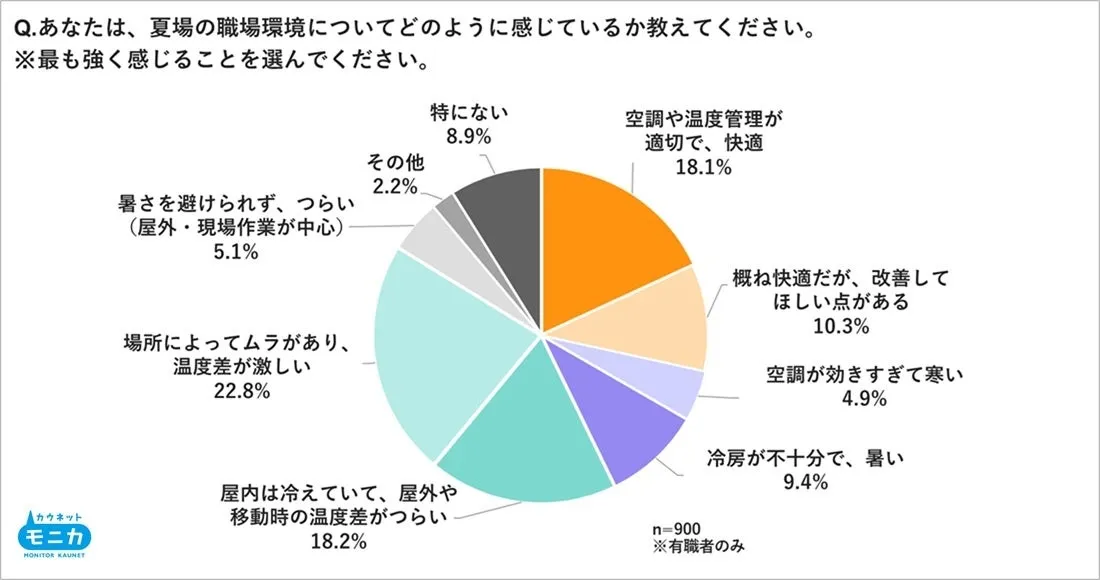
As summer approaches, managing workplace temperatures becomes a crucial issue. A recent survey by Kaunet, a subsidiary of the Kokuyo Group, targeting 1,089 members of the community site “Kaunet Monica,” revealed that approximately 70% of workers are dissatisfied with the temperature management at their workplace. This dissatisfaction stems from temperature discrepancies across different areas within offices, leading to concerns about heat-related illnesses, especially with the rising trend of extreme heat days in Japan.
Survey Background
Kaunet's survey, conducted from April 6 to April 12, 2026, comes after regulatory changes mandating heat illness prevention measures in the workplace. With summer fast approaching, the timing of this survey couldn’t be more critical to understand the level of preparedness among companies for employee well-being. The Kokuyo Group emphasizes a commitment to work-life balance and employee safety, making the data from this survey pivotal not only for employees but for business leaders aiming to create safe work environments.
Key Findings
The survey highlighted several concerning points:
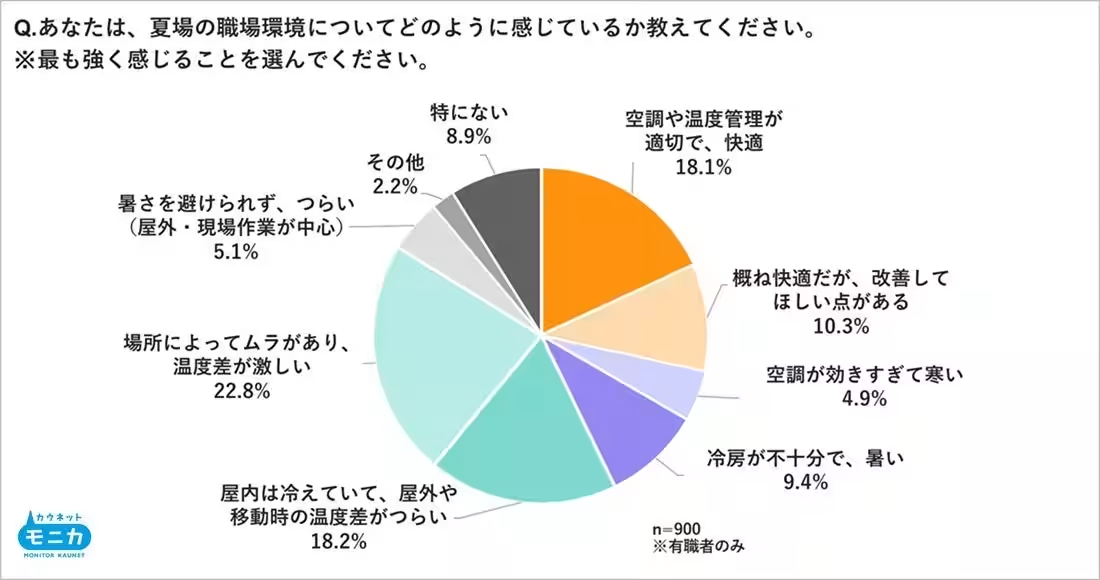
- - Inadequate Temperature Management: Only 18.1% of respondents felt that their workplace’s air conditioning and temperature management were appropriate and comfortable. The majority expressed dissatisfaction, primarily due to temperature variations within their work environment.
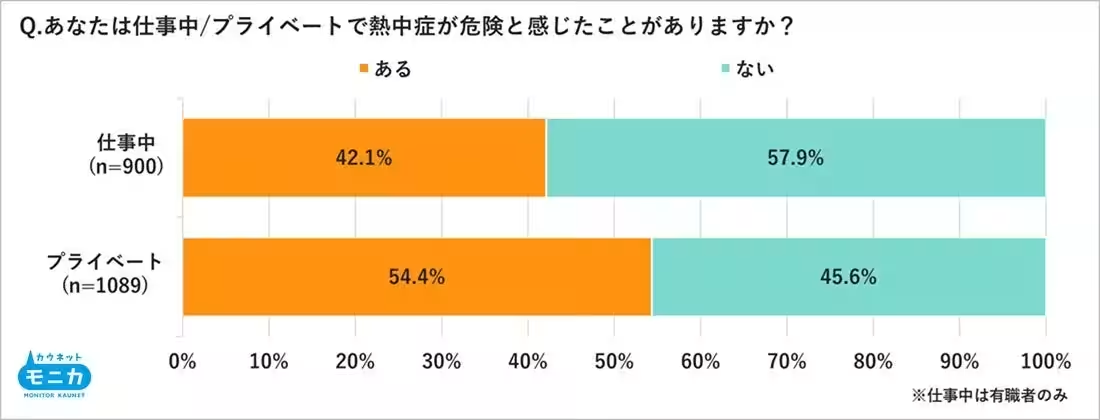
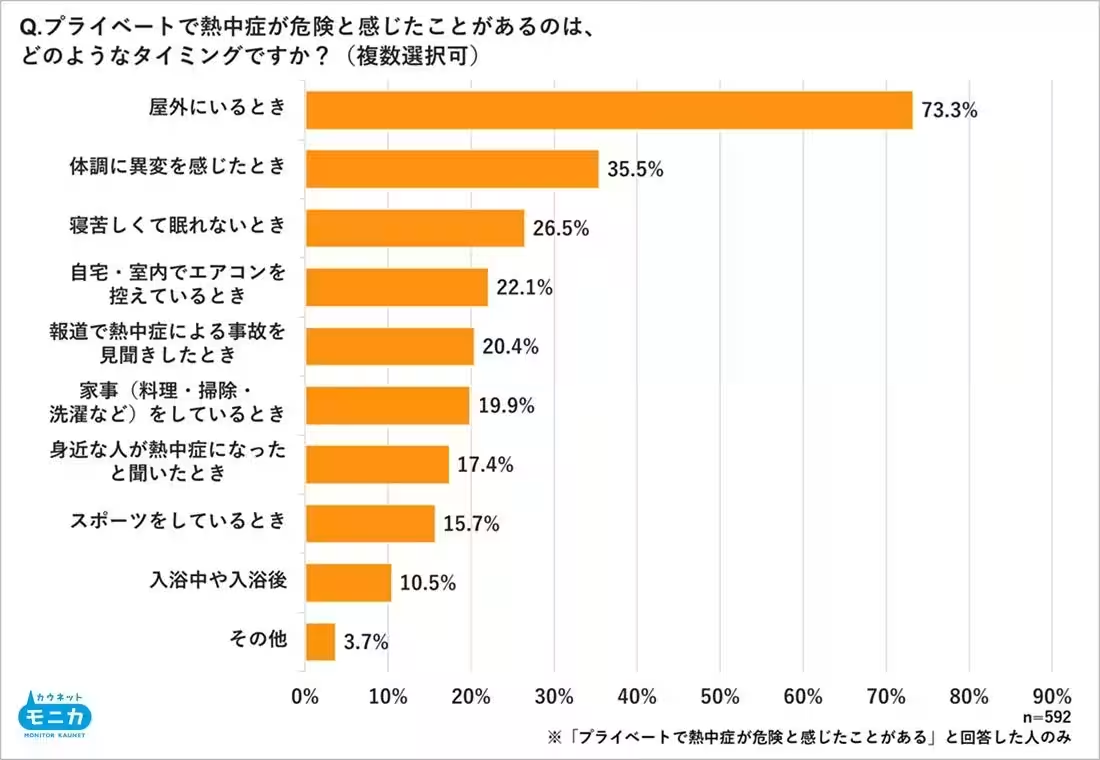
- - Heat Stress Experiences: The survey revealed that 42.1% of employees have experienced the risk of heat-related illnesses while at work, while this figure was notably higher at 54.4% during private activities. This shows that outdoor exposure significantly raises the likelihood of heat stress.
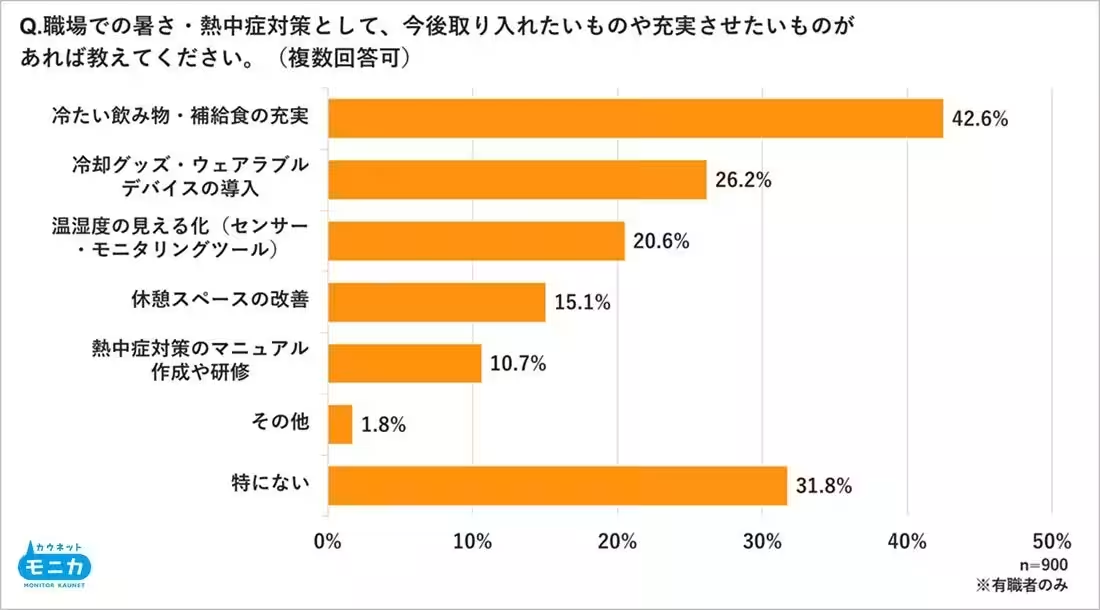
- - Preferred Heat Mitigation Strategies: When asked about future implementations to combat heat stress at work, 42.6% indicated a desire for an increase in available cold drinks and snacks. This trend suggests that employees are looking for immediate and accessible solutions to cope with the heat rather than more complex or costly measures.
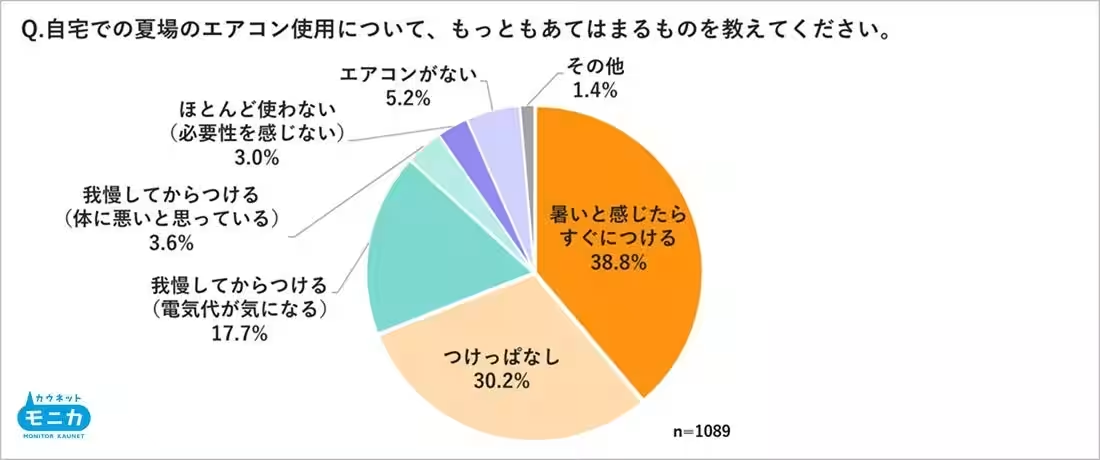
- - Home Air Conditioning Practices: Around 69% of respondents actively use air conditioning at home, with 38.8% stating that they turn it on immediately when feeling hot. This reflects a proactive approach to managing personal comfort outside of work hours.
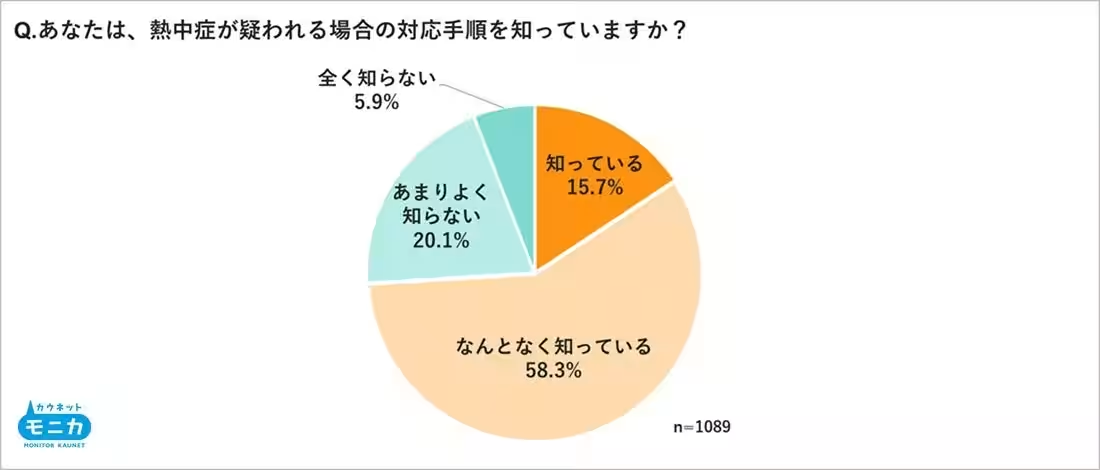
- - Awareness of Heat Illness Procedures: Approximately 73% of respondents claimed to be aware of the appropriate actions to take if faced with suspected heat illness, combining those who know the procedures and those who have a general understanding of them.
Suggestions for Improvement
The findings underscore the necessity for companies to address temperature discrepancies and improve communication regarding heat illness prevention measures. By implementing accessible resources and strategies, organizations can enhance employee safety and comfort, particularly during the intensely hot summer months.
Kaunet is responding to this demand with a range of summer heat management products available on their e-commerce platform. They highlight original items under the “Kaucore” brand that aid in creating a cooler working environment. Interested customers can check out these offerings through Kaunet’s dedicated summer heat management feature page.
Conclusion
The data from this survey serves as a wake-up call for organizations to take decisive actions toward better temperature control in their workplaces. This commitment not only safeguards employees' health but also cultivates a more productive and satisfied workforce. As the heat intensifies, a proactive approach that combines employee feedback, appropriate resource allocation, and clear communication is vital for a safe summer work environment.
For further details on the survey and Kaunet’s offerings, please visit Kaunet Monica and explore Kaunet products designed to combat summer heat.
Topics People & Culture)


【About Using Articles】
You can freely use the title and article content by linking to the page where the article is posted.
※ Images cannot be used.
【About Links】
Links are free to use.