



Understanding the Real Costs of Private Tutoring: Insights from 300 Parents
Understanding the Real Costs of Private Tutoring
In today's educational landscape, private tutoring has become a popular choice for many families seeking tailored academic support for their children. However, the costs associated with hiring a tutor often raise questions for parents: how much does private tutoring actually cost, and is it worth the investment?
To delve deeper into this subject, we conducted a survey involving 300 parents across the country, gathering their insights on the typical expenses related to private tutoring, their concerns about affordability, and the criteria they prioritize when selecting a tutor. This article aims to present a comprehensive overview of the findings and what they reveal about the value parents place on private education.
Profile of Respondents
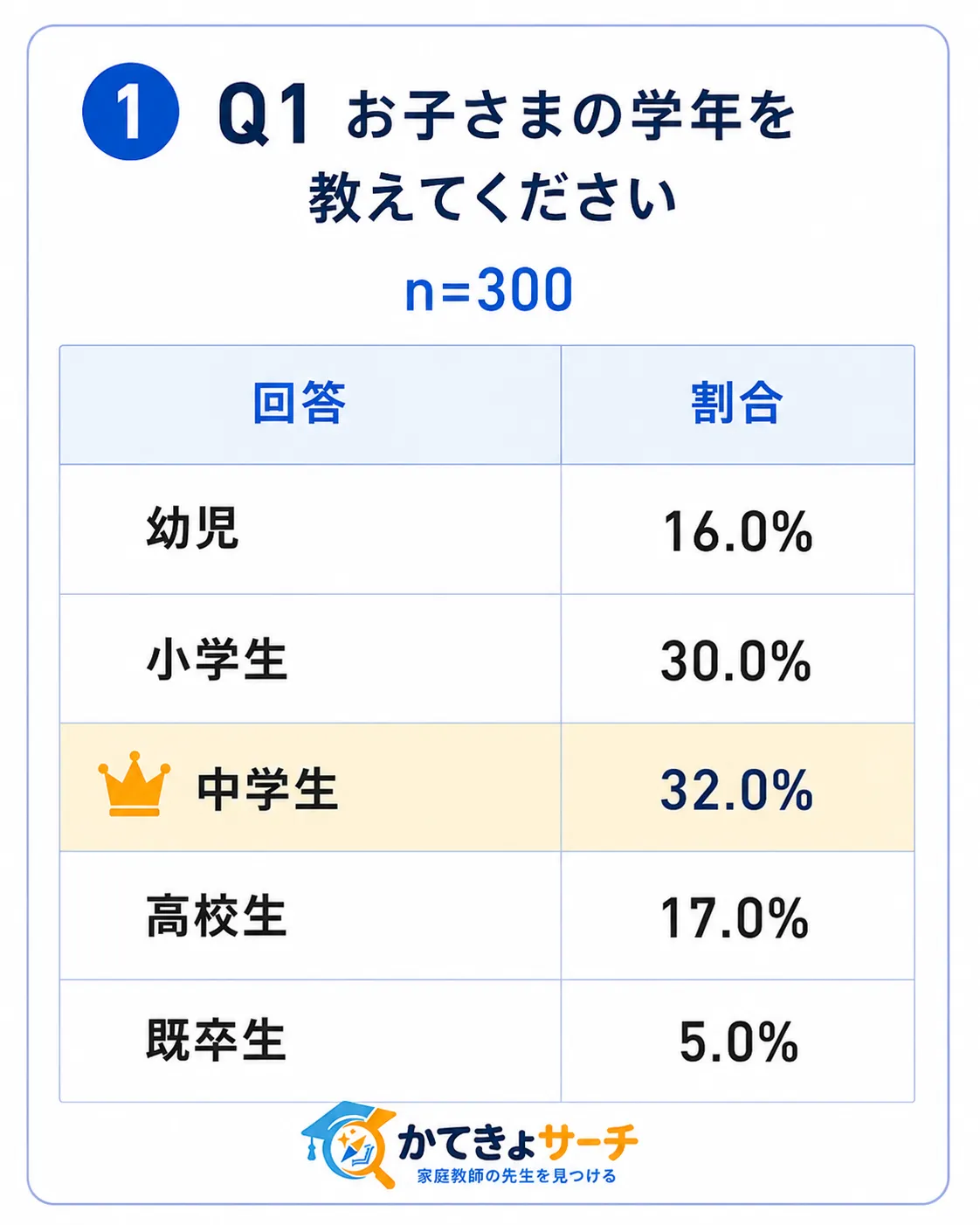
The respondents were primarily parents of students in compulsory education, with 32.0% having middle school children and 30.0% with elementary school children. High school students represented 17.0% of the respondents, ensuring that the survey captured a variety of viewpoints across different educational stages. This diversity indicates that the concerns regarding tutoring costs are widespread, particularly among those with children in formative educational settings.
Experience with Private Tutoring
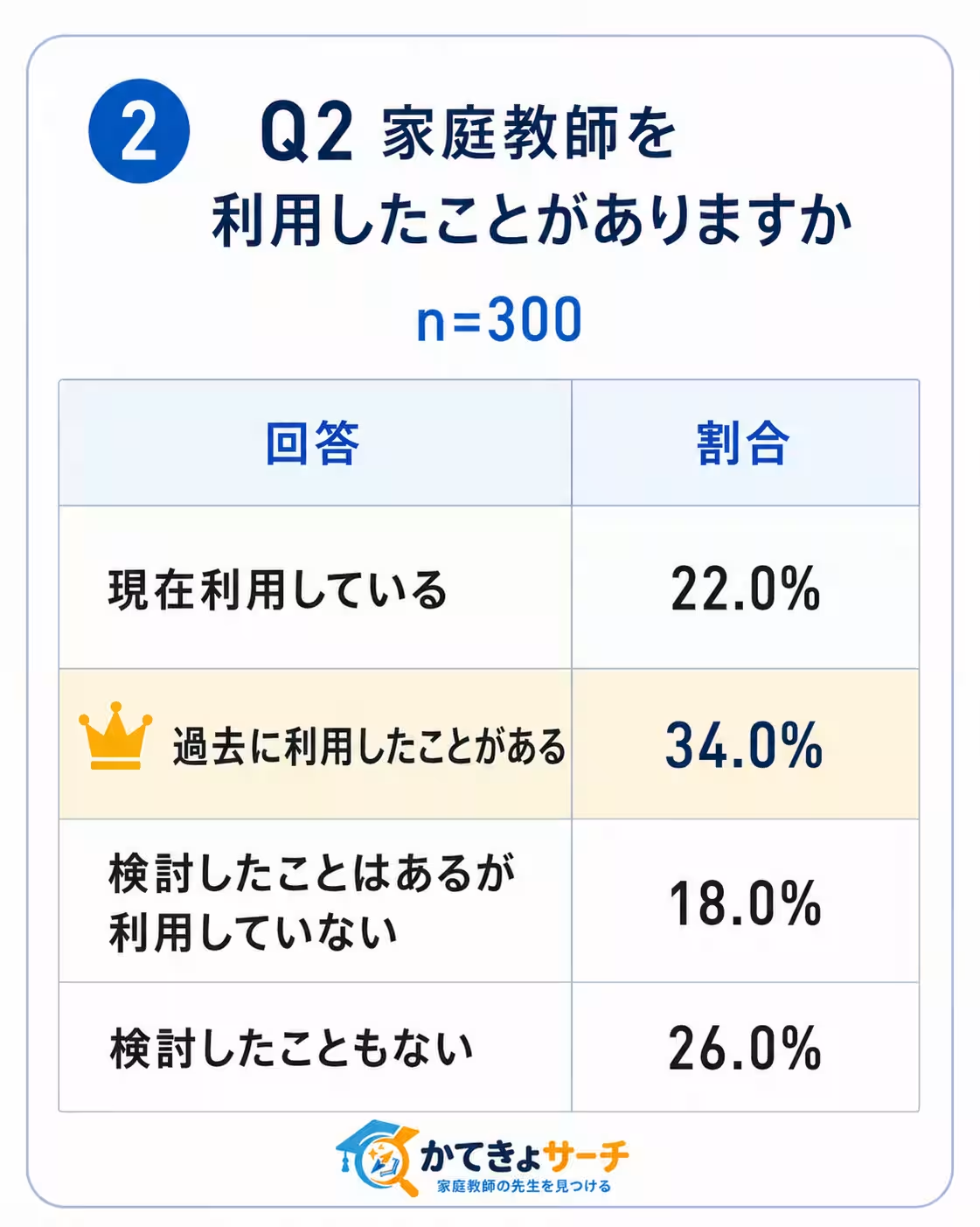
When asked about their prior experiences with private tutoring, 34.0% indicated they had utilized a tutor in the past, while 22.0% were currently using one. Interestingly, 26.0% stated they had never considered hiring a tutor. This data shows that over half of the respondents have firsthand experience with private tutoring. Such experiences play a crucial role in shaping their attitudes toward cost and effectiveness.
Reasons for Seeking a Tutor
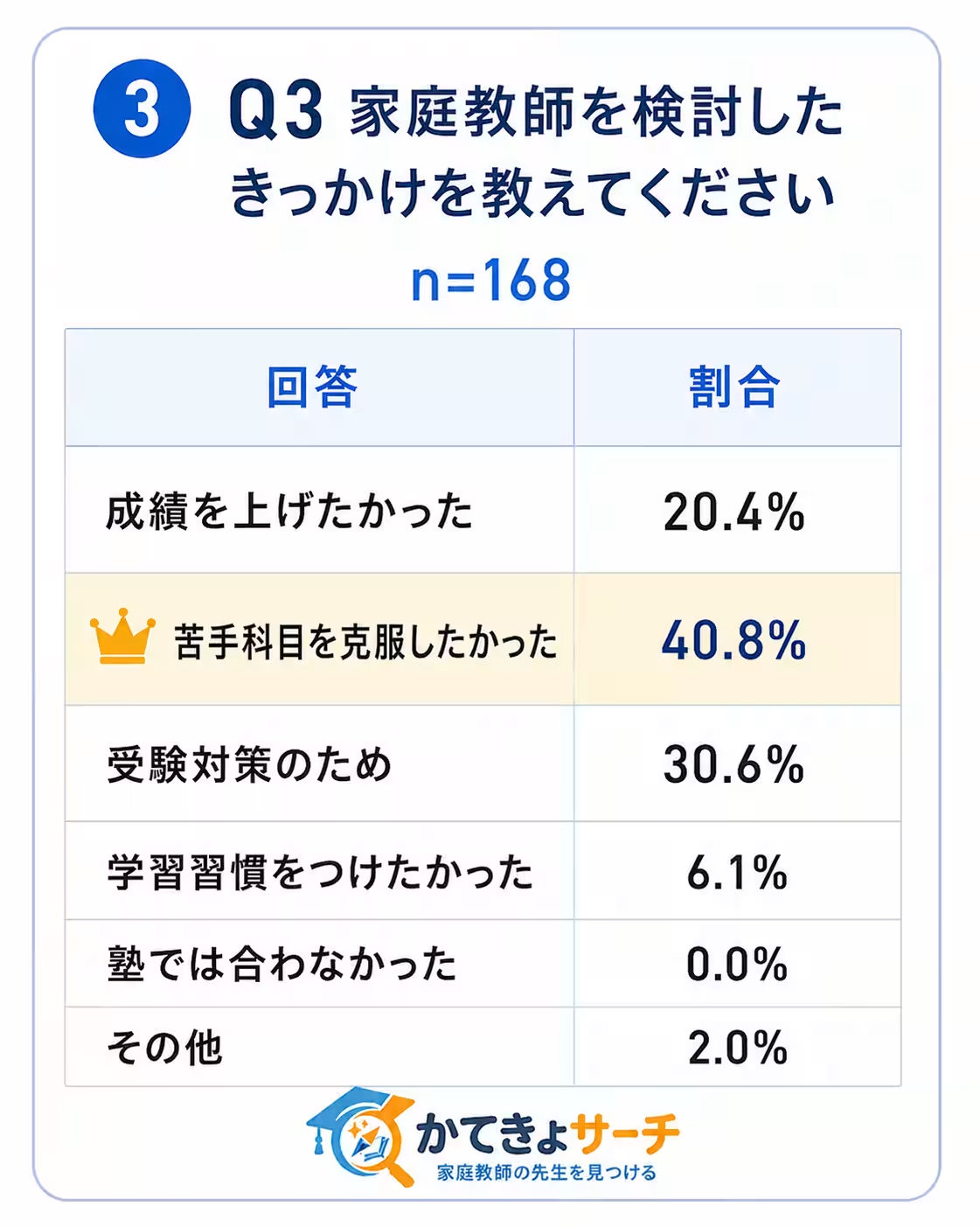
The motivations behind considering private tutoring varied significantly among parents. The primary reason cited—over 40%—was the desire to overcome difficulties in specific subjects. Additionally, 30.6% sought tutoring for exam preparation, while 20.4% simply wanted to enhance their child's overall academic performance. This trend underscores the tailored support that private tutoring can provide, addressing individual weaknesses that larger classroom settings might overlook.
Perceptions of Cost
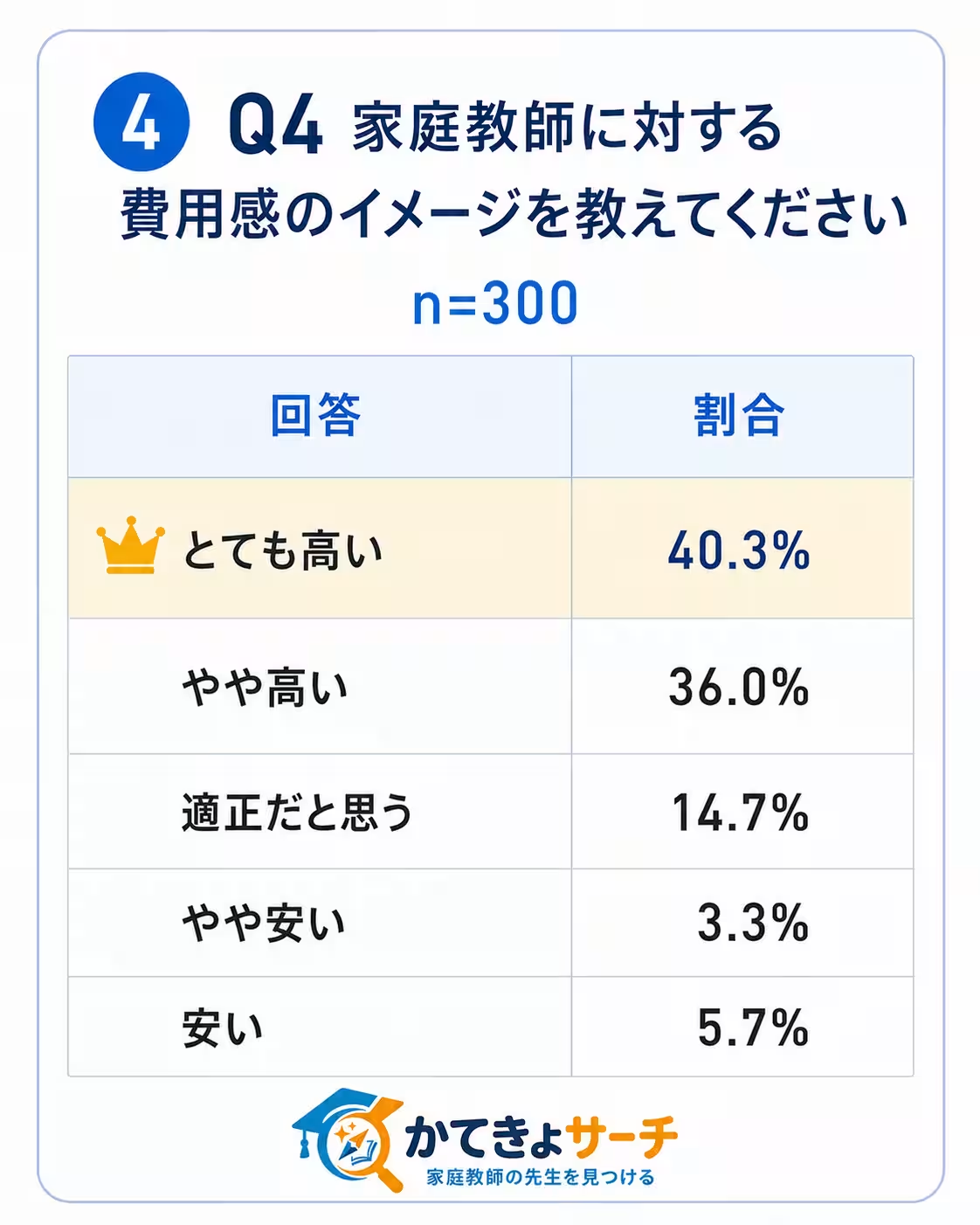
The survey results depicted a somewhat daunting image of tutoring costs among parents. Approximately 45.3% of respondents felt that tutoring fees were 'somewhat high,' while 34.0% deemed them 'very high.' Despite these high impressions, there was also a significant number of parents—about 20%—who found the costs reasonable, largely depending on the quality of instruction and the effective rapport between the tutor and student.
Monthly Fee Expectations
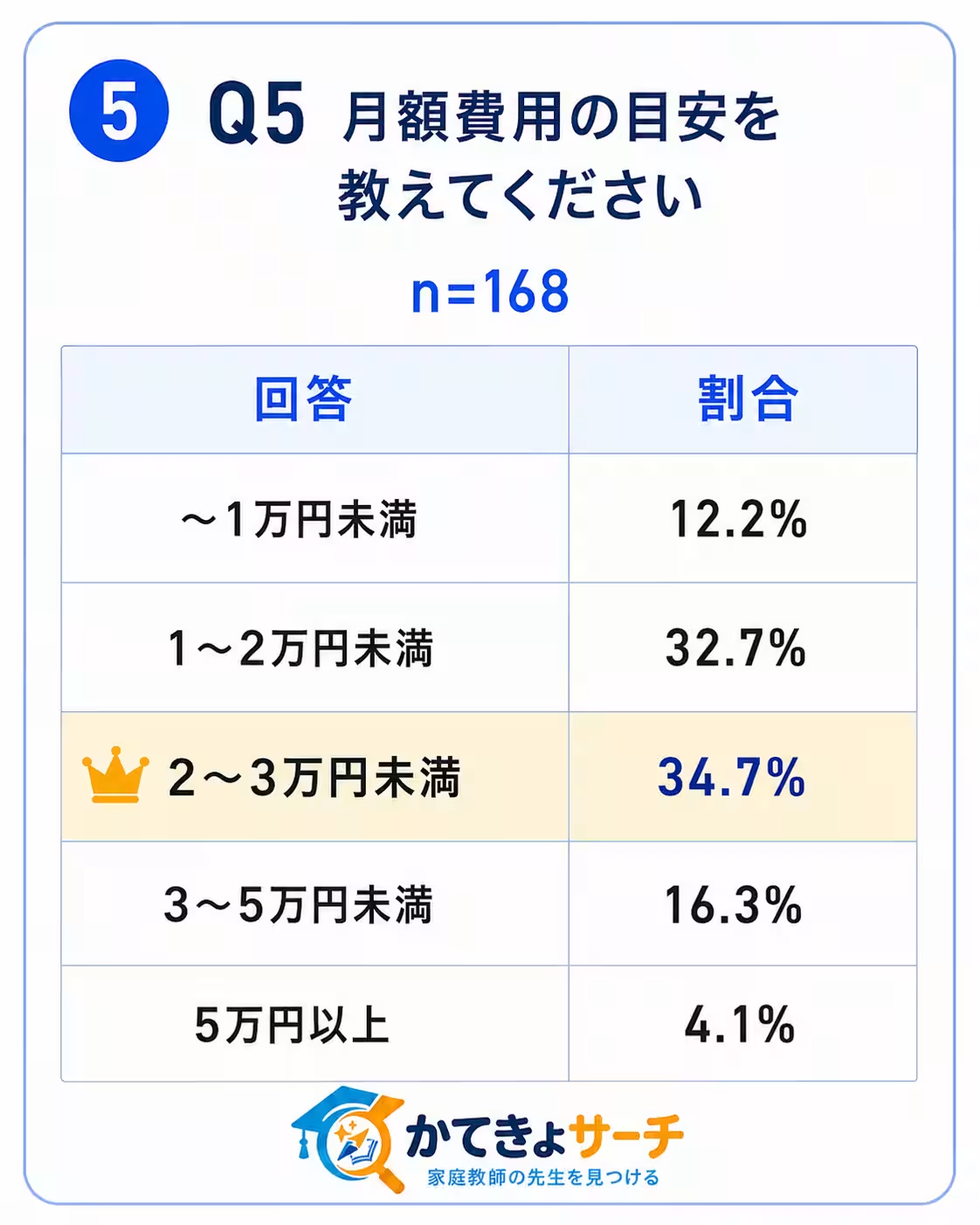
In terms of monthly fees, the responses revealed that most parents perceive the cost of private tutoring to be between $200 and $300 per month, with 32.7% indicating this range. Meanwhile, 26.7% expected it to be between $100 and $200. This suggests that while parents are wary of the perceived high prices, many are willing to consider tutoring under the right circumstances, especially when tailored support can promote academic success for their children.
Obstacles to Hiring a Tutor
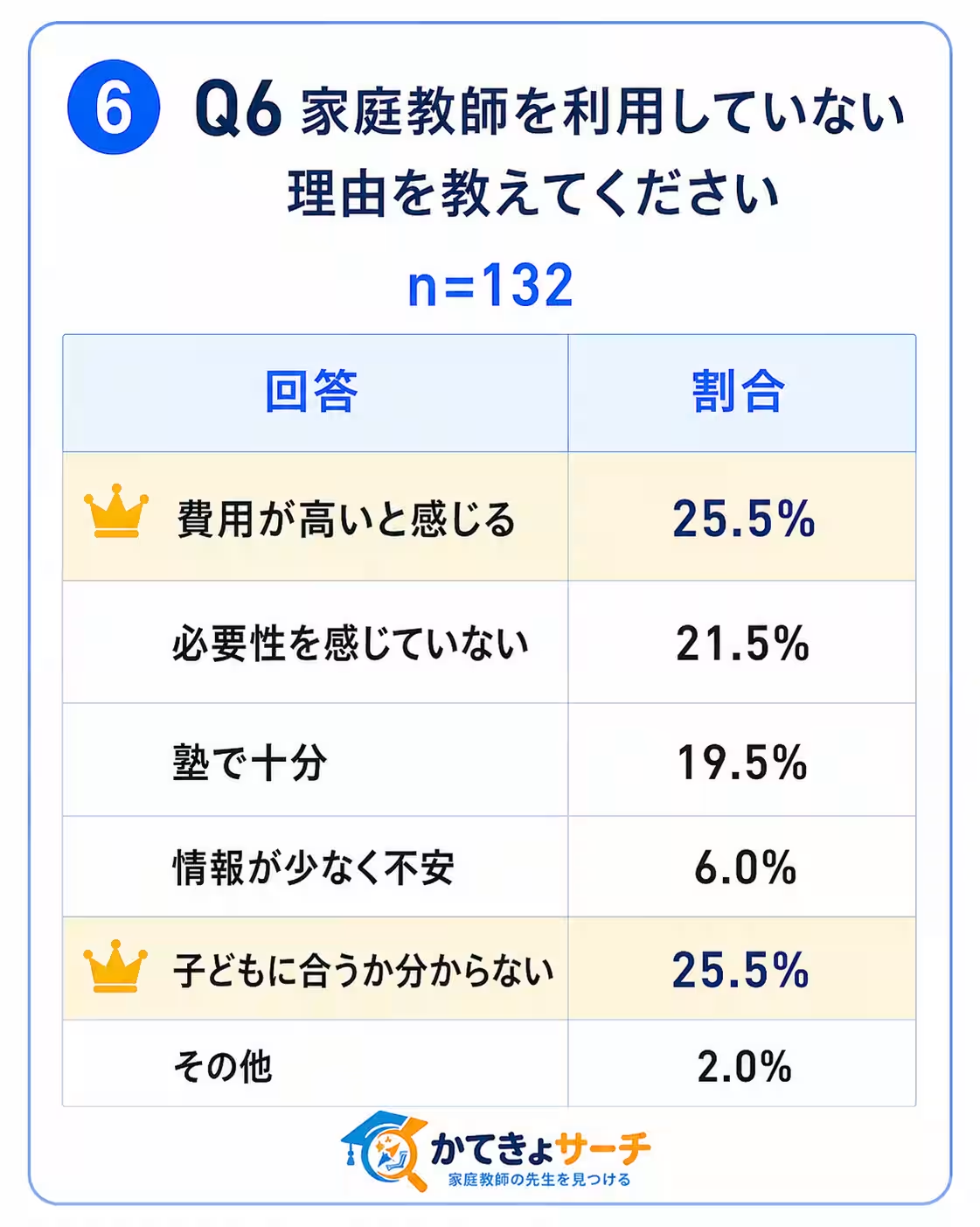
Despite the willingness to pay for tutoring, there remain significant hurdles. A notable 25.5% of parents expressed apprehension about the costs, feeling they might be prohibitive. Additionally, another 25.5% were uncertain about whether a tutor would match their child's needs. The fear of inadequate compatibility with a tutor poses a real concern, indicating that parents are not merely looking at price but are also concerned about the qualitative aspects of tutoring services. Other factors included a general sense of the unnecessary nature of tutoring or the belief that public schooling was sufficient.
Key Criteria for Choosing a Tutor
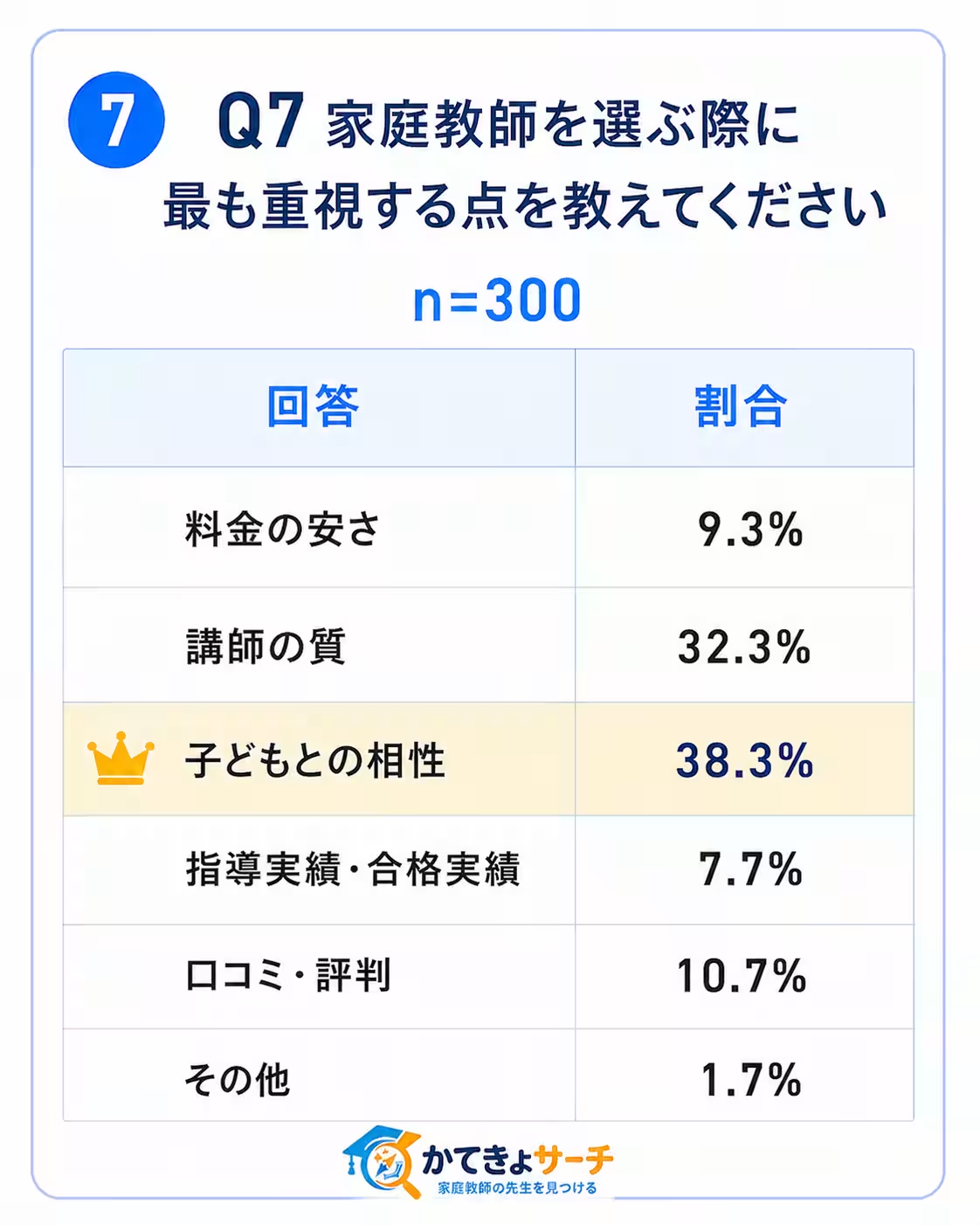
When selecting a private tutor, the most critical criterion for parents was the compatibility between the tutor and their child, with 38.3% prioritizing this factor. Following closely were tutor qualifications and teaching quality, which 32.3% marked as crucial. Interestingly, cost ranked lower on the priority list, underlining the idea that parents will often place the quality of educational support above financial considerations. Recommendations and reviews from previous clients also played a role, with many parents emphasizing the importance of positive testimonials about a tutor’s effectiveness.
The Role of Reviews
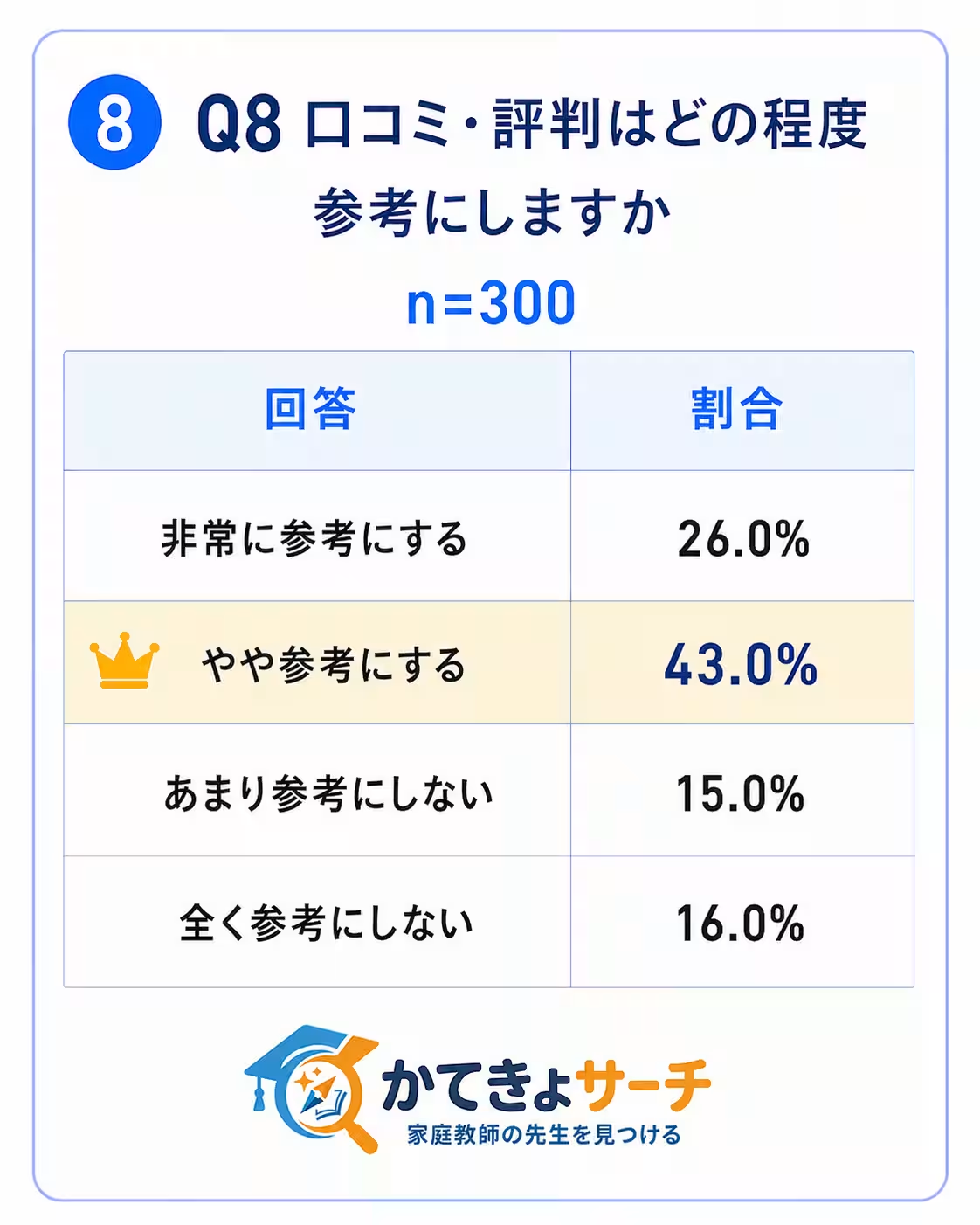
The significance of reviews and feedback was evident, as 43.0% of respondents stated they would 'somewhat rely' on testimonials, while 26.0% saw them as 'very important.' This illustrates that while families value experiences shared by others, they still comprehend the need for personal compatibility and the specific needs of their child when assessing potential tutors.
Overall Value of Private Tutoring
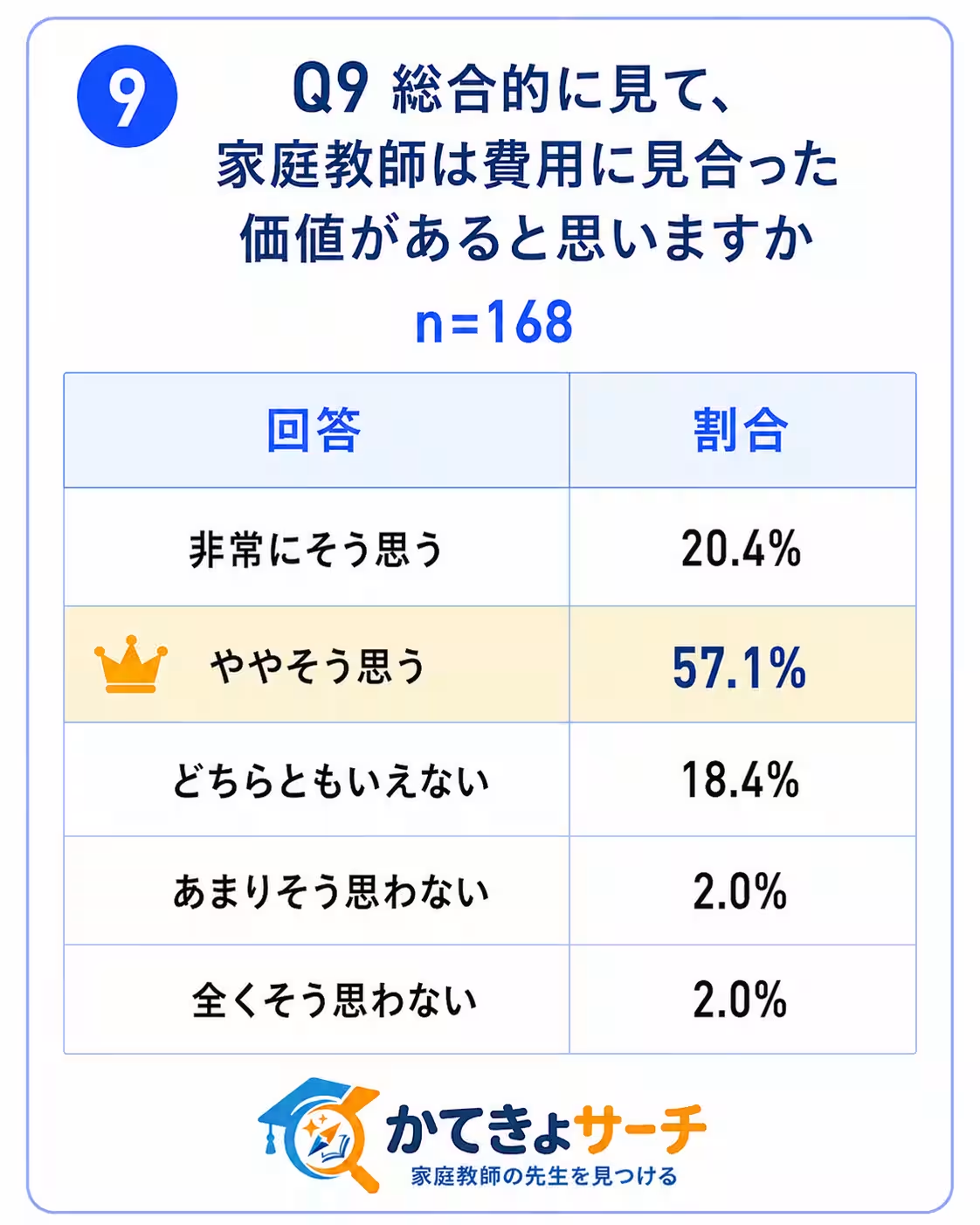
In the end, when reflecting on whether the costs of private tutoring correspond to its value, 57.1% of parents slightly agreed, and 20.4% strongly agreed that the benefits justified the expenses. This indicates that families generally feel they are deriving substantive value from their investment in tutoring, especially when it fosters improved academic performance and personal growth in their children.
Conclusion
This exploration into parental attitudes towards private tutoring sheds light on the complex relationship between perceptions of cost and actual value. Despite the prevalent notion that private tutoring carries steep costs, a majority of respondents expressed satisfaction with the outcomes that accompany their investments. As families navigate the tutoring landscape, it becomes imperative not just to consider price but also to prioritize qualities such as tutor compatibility, teaching efficacy, and the personal learning journey of their children.
Topics Other)
【About Using Articles】
You can freely use the title and article content by linking to the page where the article is posted.
※ Images cannot be used.
【About Links】
Links are free to use.