



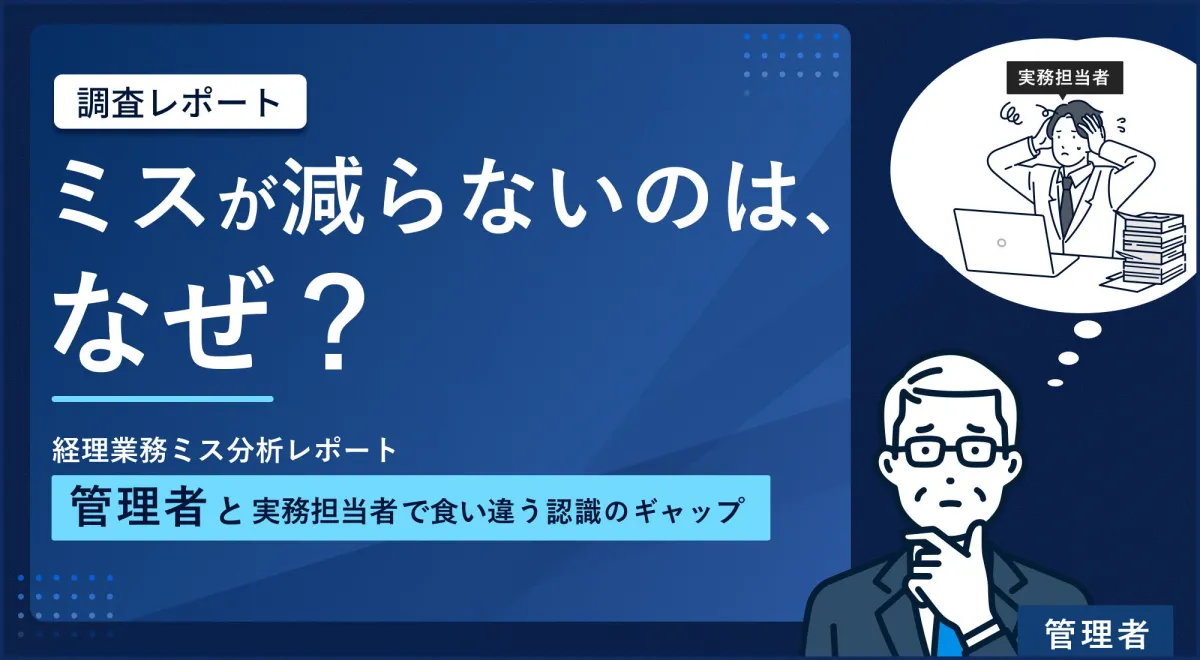
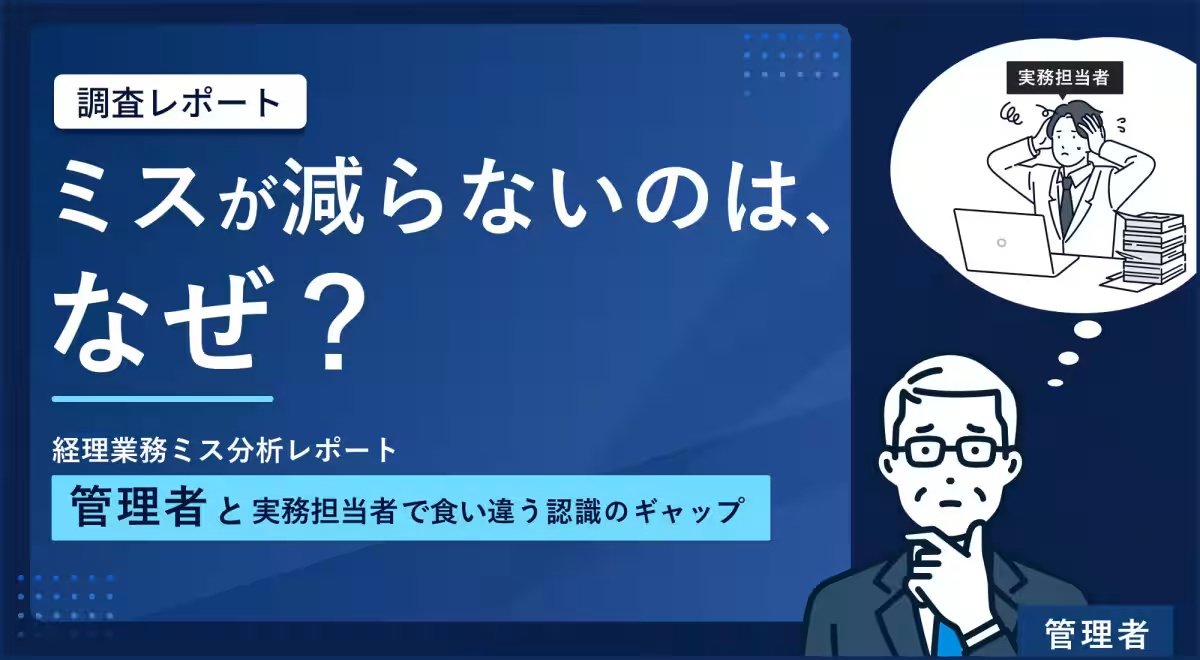
Understanding the Persistent Discrepancies in Accounting Errors Between Managers and Staff
Analyzing the Consistent Gaps in Accounting Errors
In the ever-vigilant arena of accounting, accuracy is paramount. A recent study by Invoice Co., headquartered in Tokyo, has unveiled alarming discrepancies in the recognition of errors between financial managers and on-the-ground accounting staff. This insightful report, titled "Accounting Error Analysis Report: Discrepancies Between Managers and Staff on the Reasons for Persistent Errors," delves into the complex factors contributing to these inefficiencies, using feedback from managers and staff alike.
Background of the Study
Accounting practices are fragile. Even minor errors can undermine financial integrity and, consequently, the organization's reputation. However, the fundamental causes of mistakes and perceptions surrounding them can differ markedly between those responsible for final approvals—the managers—and those tasked with daily operations—the staff. The intent behind this research was to uncover where these perceptions diverge and what operational areas warrant immediate attention.
Key Findings from the Research
1. Reversal in Error Ranking
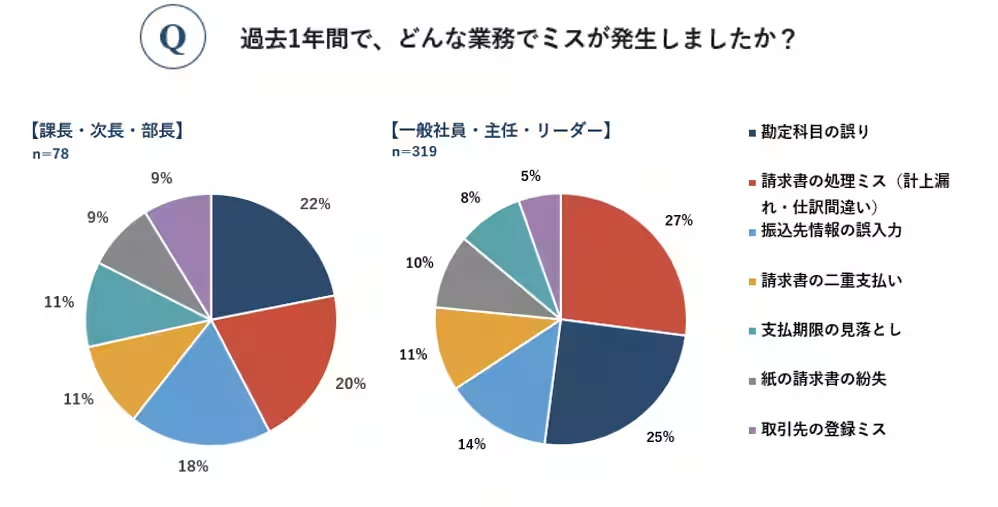
When asked about the common errors encountered over the past year, the results were striking. While managers reported "incorrect account classifications (22%)" as the most prevalent mistake, staff identified "invoice processing errors (27%)" as their top issue. This reversal highlights a significant disconnect in error visibility between the two groups, suggesting that managers and staff focus on different mistakes.
2. Universal Priority on Invoice Processing Errors
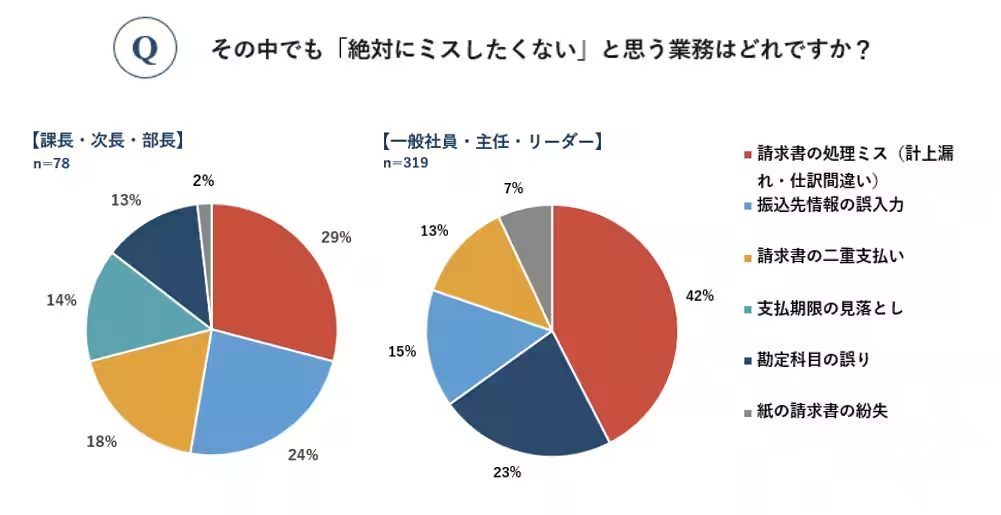
Both managers and staff unanimously agreed that avoiding "invoice processing errors (omissions and misclassifications)" is their highest priority. After that, however, priorities began to diverge. Managers ranked "incorrect payment information entry (24%)" and "duplicate payments (18%)" as their next concerns, while staff prioritized "incorrect account classifications (23%)" as their second highest issue. The divide illustrates how strategic oversight differs between management, concerned with broader fiscal health, and staff, immersed in day-to-day processing tasks.
3. Root Causes of Accounting Errors
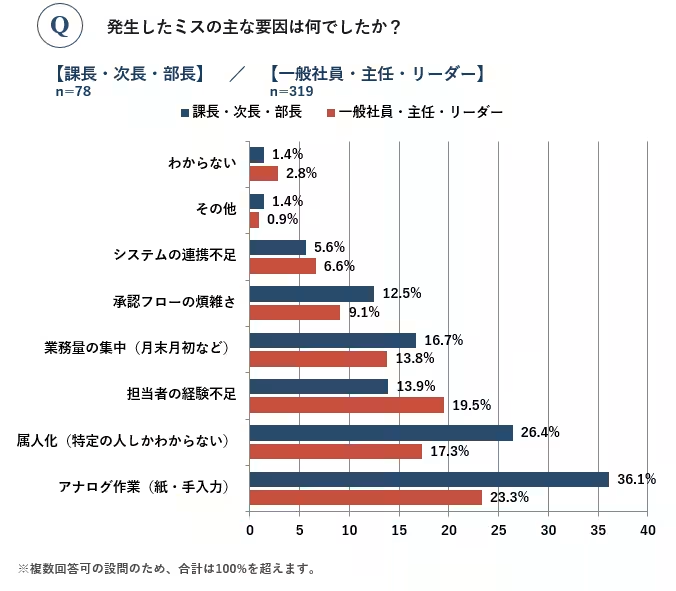
When probing deeper into the origins of these errors, both groups identified "manual operations (paper and manual entry)" as the primary culprit, with managers attributing 36.1% of errors to this issue compared to 23.3% from staff. Moreover, managers identified "dependency on individual personnel (26.4%)" as a significant concern—indicating a structural reliance on specific team members that complicates teamwork and increases risk.
4. The Hidden Hours of Manual Labor
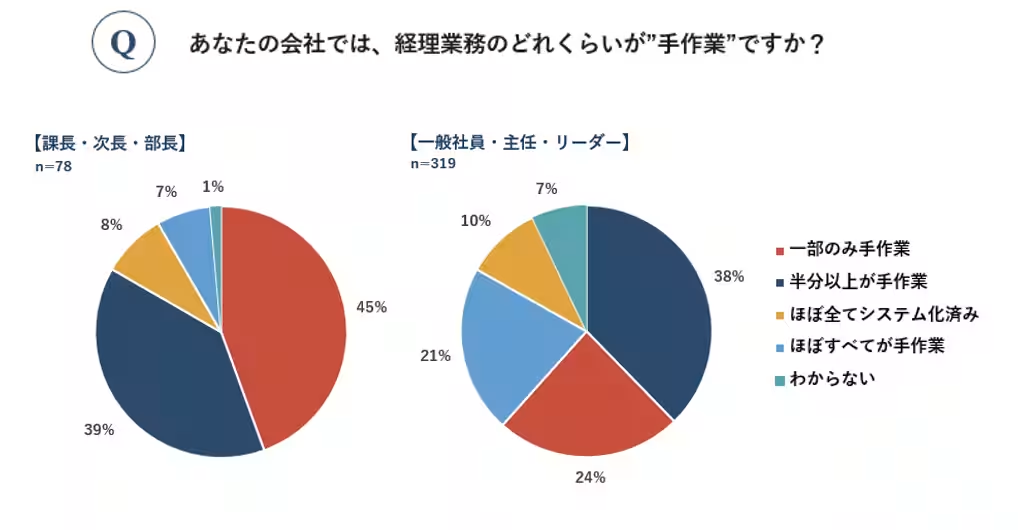
The gap doesn't end with error identification; it extends into the reality of manual labor that both parties are absorbing. The data showed that while 46% of managers perceived that half or more of their tasks were manual, an astonishing 59% of the staff reported that reality. This discrepancy clarifies that staff members are swamped with manual processes, likely contributing to the errors reported.
5. Drive Towards Automation
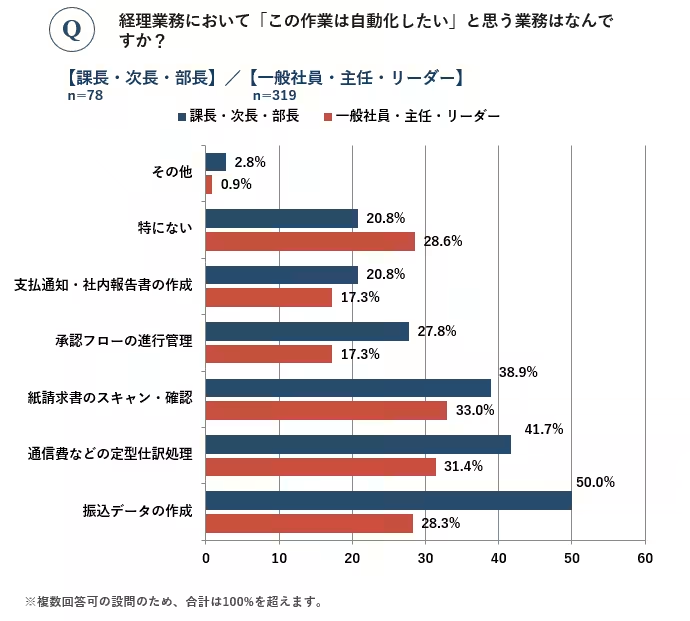
A remarkable takeaway from the study is that 50% of managers indicated that they would like to automate the "creation of payment data"—bypassing the constraints of manual processing. This strong desire for automation reflects the critical connection that such tasks have with external credit and cash flow management, reinforcing the need for streamlined operations.
Conclusion
The realm of the accounting department is fraught with two distinct risks: judgment errors and operational errors. Addressing these issues requires a shift from dependency on individual diligence to a focus on the standardization and systemic improvement of processes. Only through eliminating reliance on specific personnel and creating structured systems can management hope to prevent future occurrences of mistakes, ensuring a more reliable financial framework. In today's evolving business landscape, it remains imperative for companies to foster environments that nurture efficiency and reliability in their accounting operations.
For those interested in exploring the full report, more details can be found at: Invoice Accounting Errors Report.
Additional Resources
- - Gi Communication
- - OneVoice Public Services
- - OneVoice Detailed Invoicing System
- - OneVoice Energy Data for Sustainability
- - OneVoice Palette for Efficient Accounting
About Invoice Co.
Founded in 1992, Invoice Co. has been at the forefront of providing innovative solutions for corporate accounting departments. Now a subsidiary of Fuyo General Lease Co. since October 2018, the company continues to enhance its suite of services including bundled billing services. If you wish to connect with us for inquiries, please contact our Marketing Promotion Department at [email protected].
Topics Business Technology)
【About Using Articles】
You can freely use the title and article content by linking to the page where the article is posted.
※ Images cannot be used.
【About Links】
Links are free to use.