



The Growing Need for End-of-Life Conversations Between Parents and Children
The Growing Need for End-of-Life Conversations Between Parents and Children
In a rapidly changing world, the subject of end-of-life planning—known as 'shukatsu' in Japan—has increasingly entered public discourse through various media, including films, dramas, and news reports. A recent survey conducted by San Holdings, a leading funeral service company in Japan, has shed light on the attitudes surrounding these crucial discussions between parents and their children.
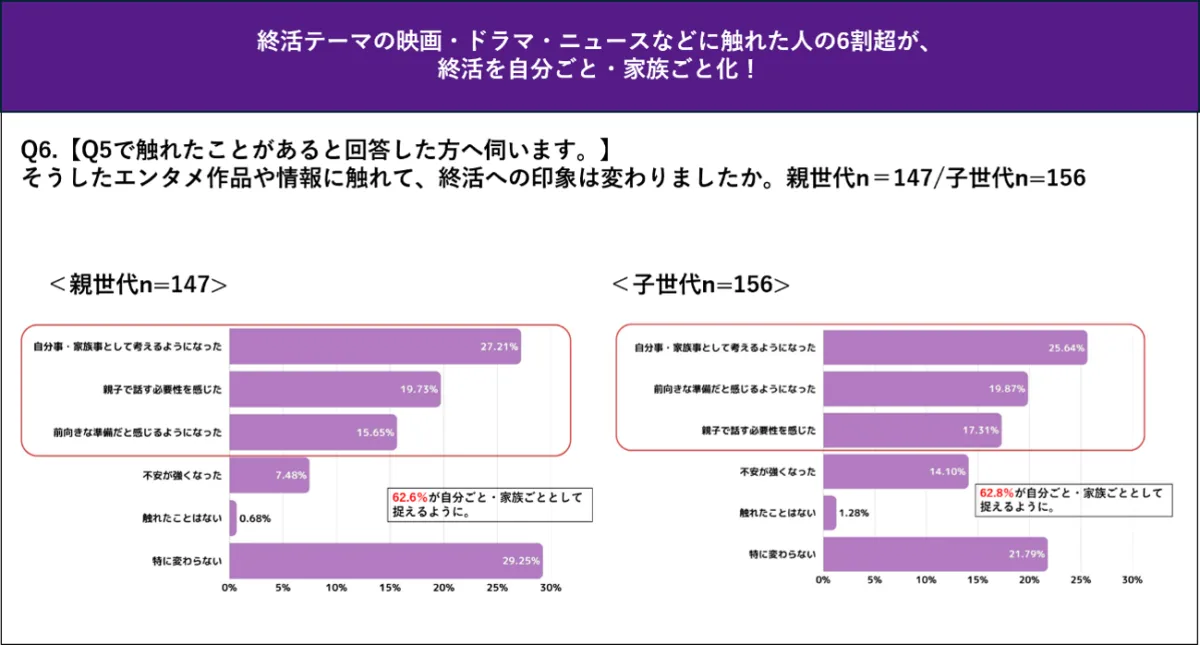
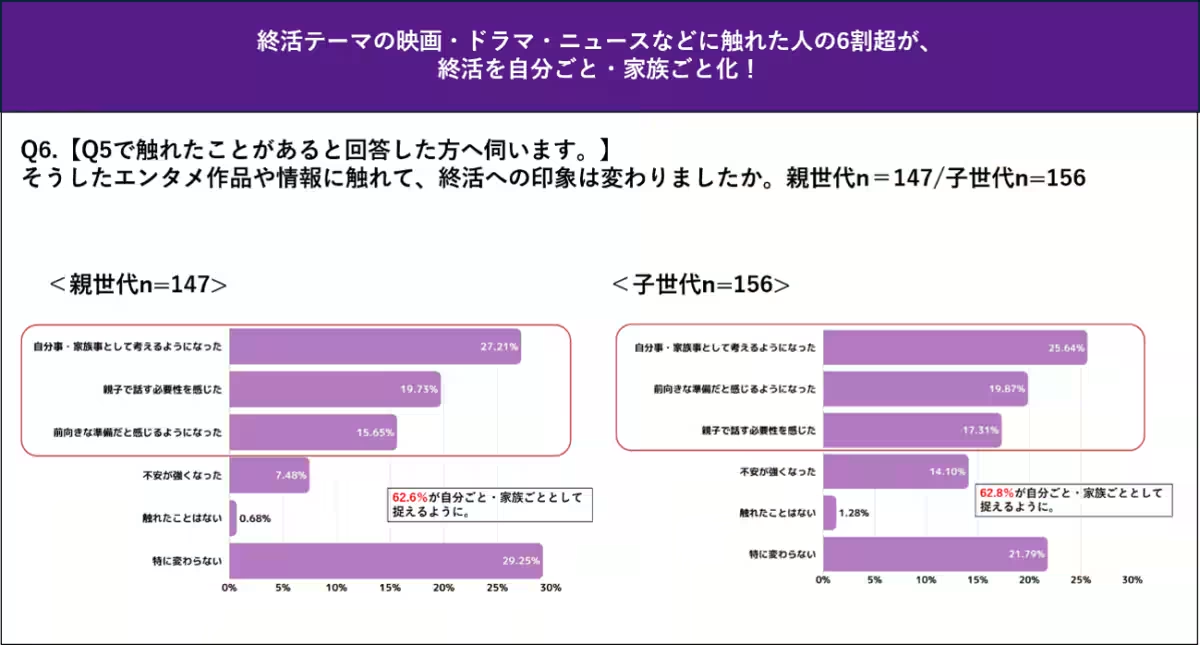
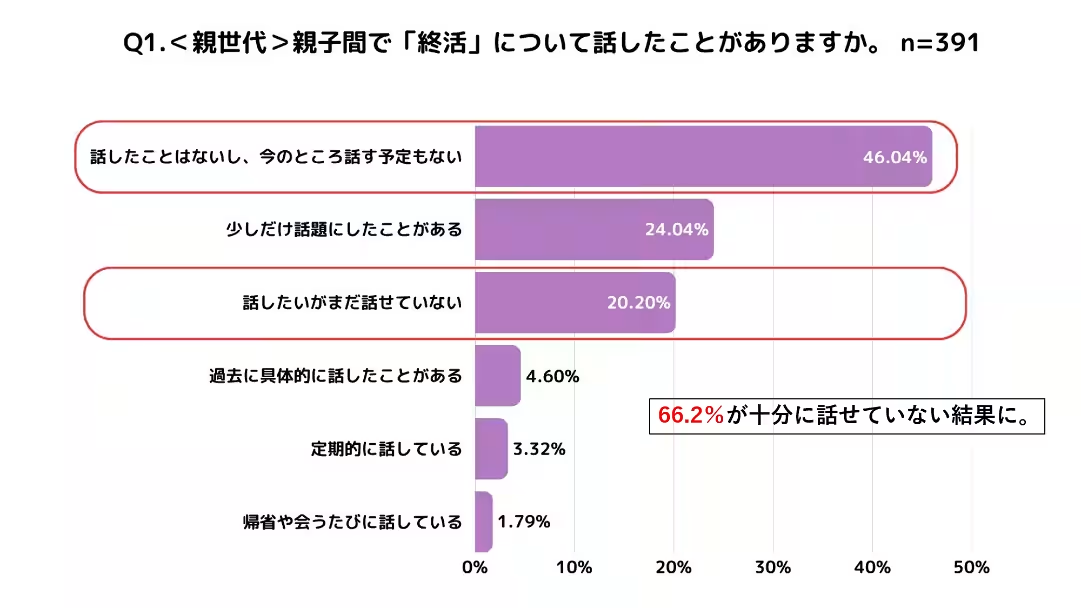
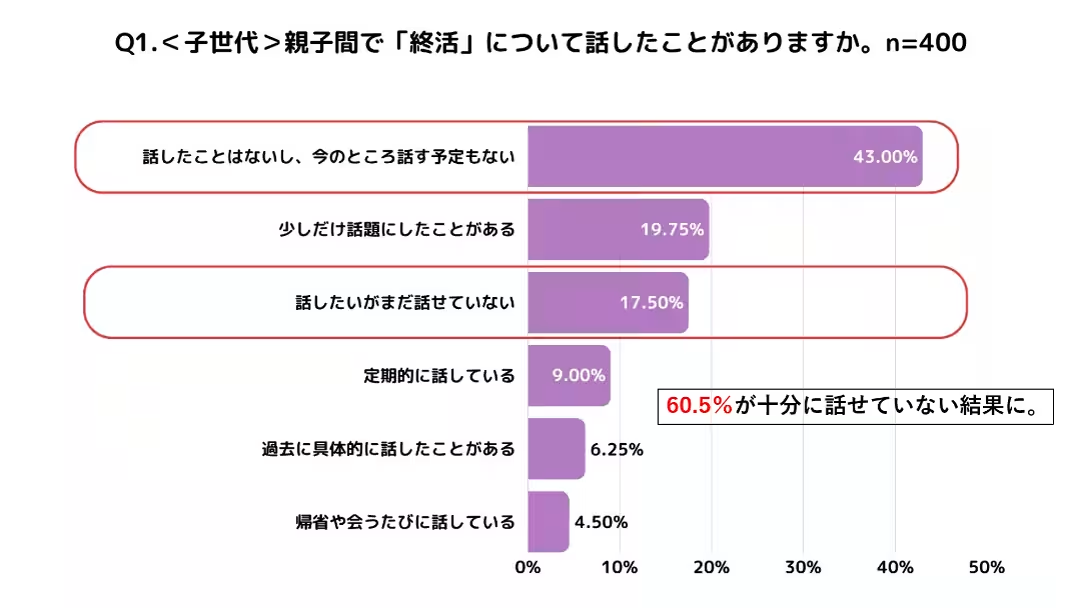
The survey, which gathered responses from 791 participants aged 40 and older—divided evenly between the parent and child generations—reveals that more than 60% of those who engaged with end-of-life themes through media began to view such topics as personal responsibilities. However, despite this growing awareness, a significant gap exists in actual conversations between generations. Over 60% of participants reported insufficient dialogue on end-of-life issues, indicating a disconnection in awareness and communication.
The Survey Findings
Parent-Child Communication
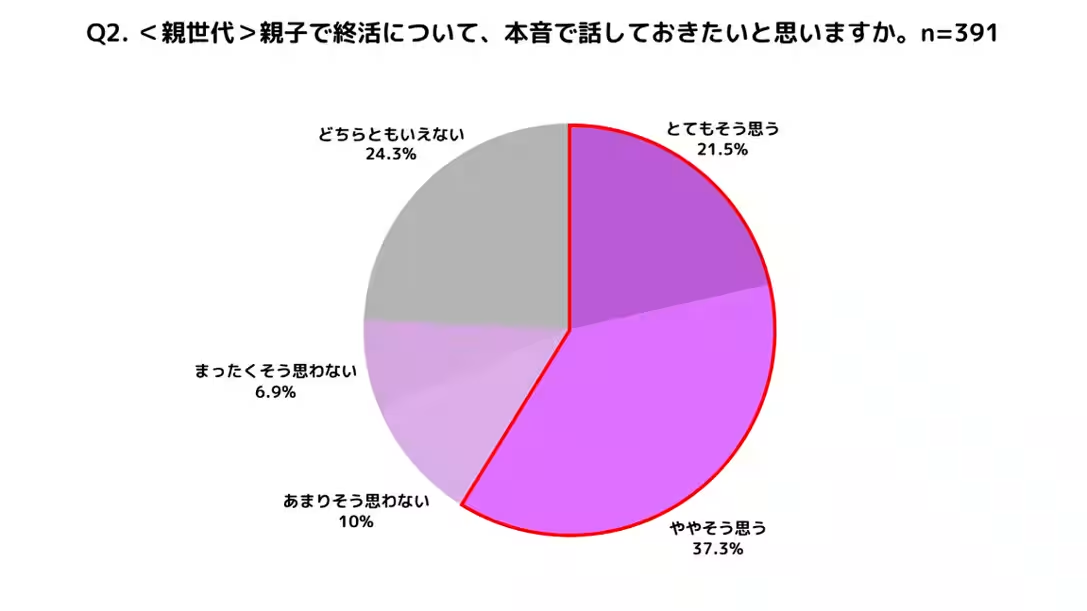
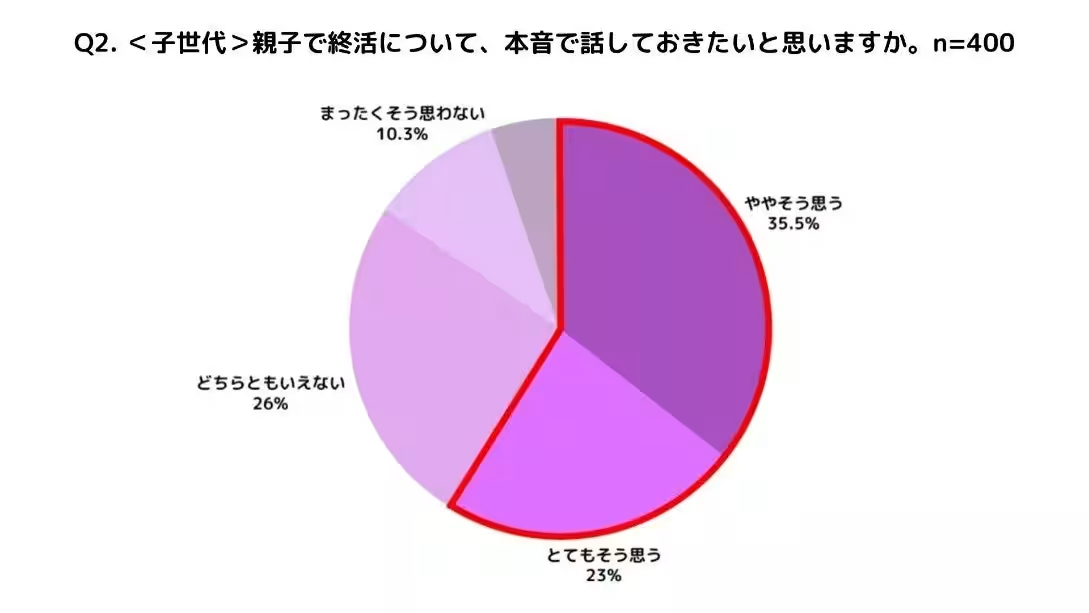
When asked about their desire to have open conversations regarding end-of-life planning, both parents and children expressed a strong inclination to discuss these topics. Yet, approximately 60% of parents felt they hadn't adequately spoken about the matter with their children, while 66.2% of children felt similarly. This gap highlights the difficulty in initiating such conversations, even when both generations seem open to the idea.
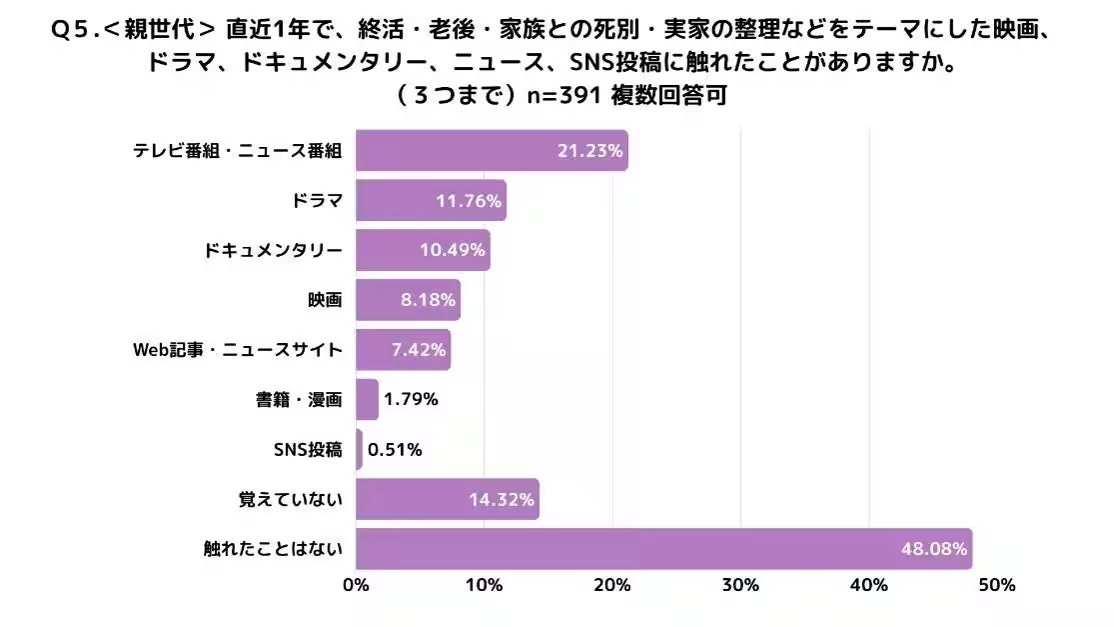
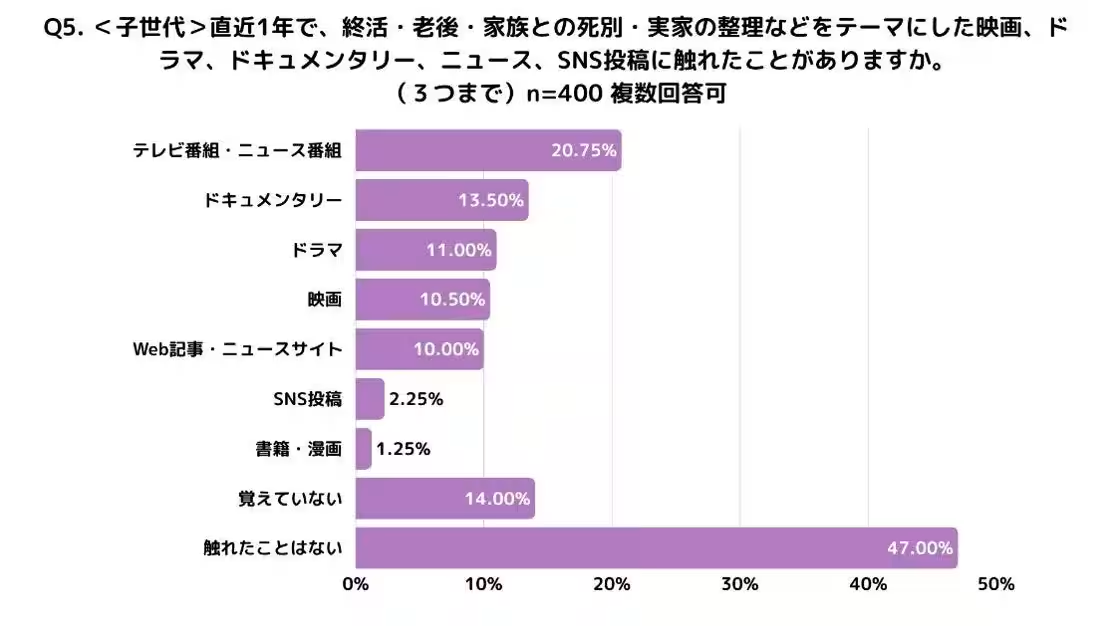
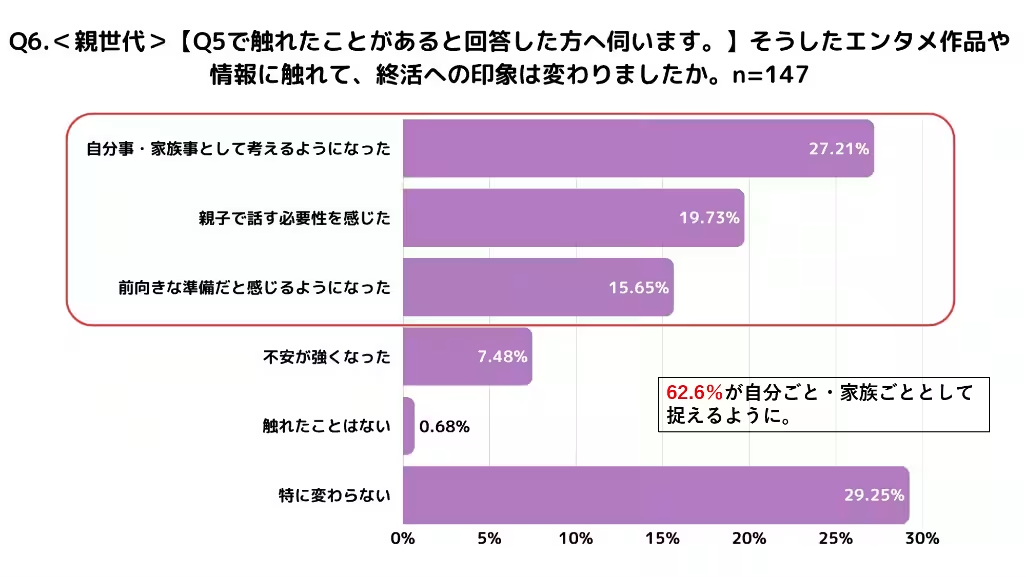
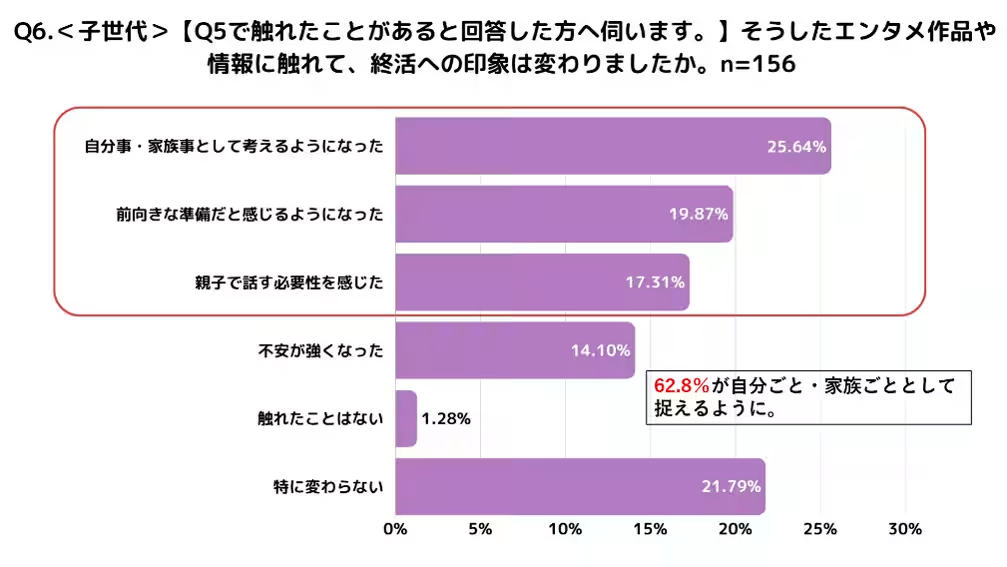
The survey results indicate that exposure to media has prompted many individuals to consider end-of-life discussions more seriously. 62.6% of parents and 62.8% of children stated that their viewpoints shifted positively toward end-of-life planning after engaging with relevant content. Additionally, 36% of both parents and children felt encouraged to initiate discussions on these topics, citing specific scenes or narratives from films or news reports as valuable conversation starters.
Reasons for Hesitation
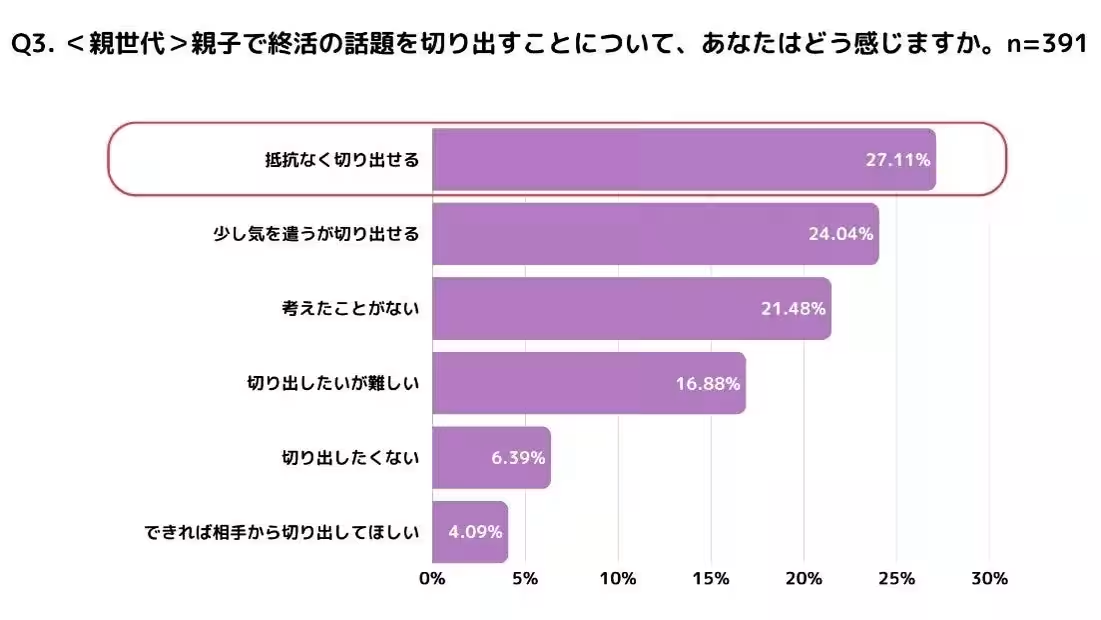
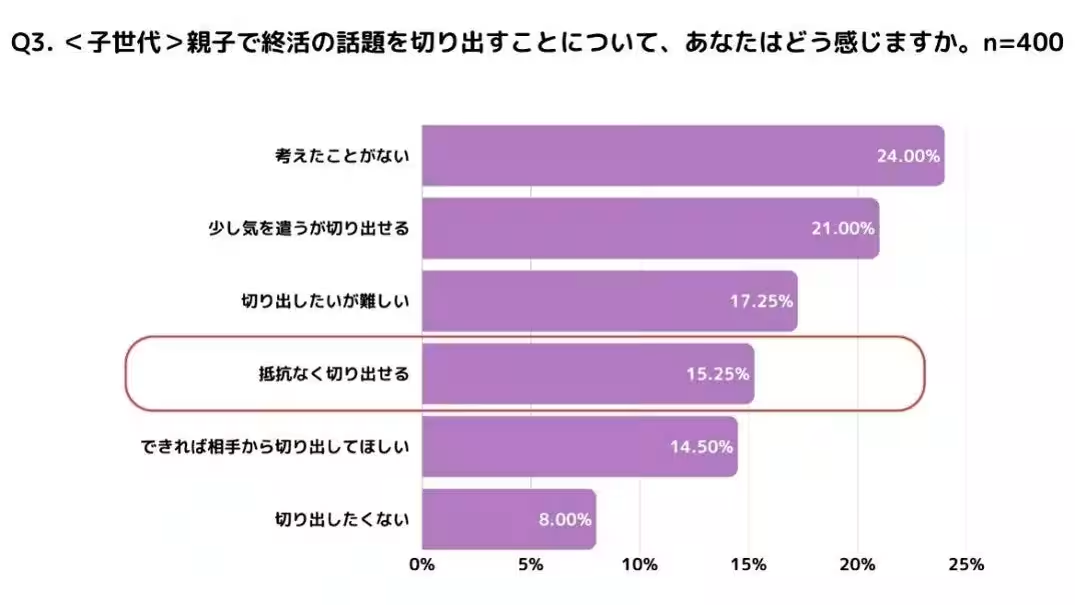
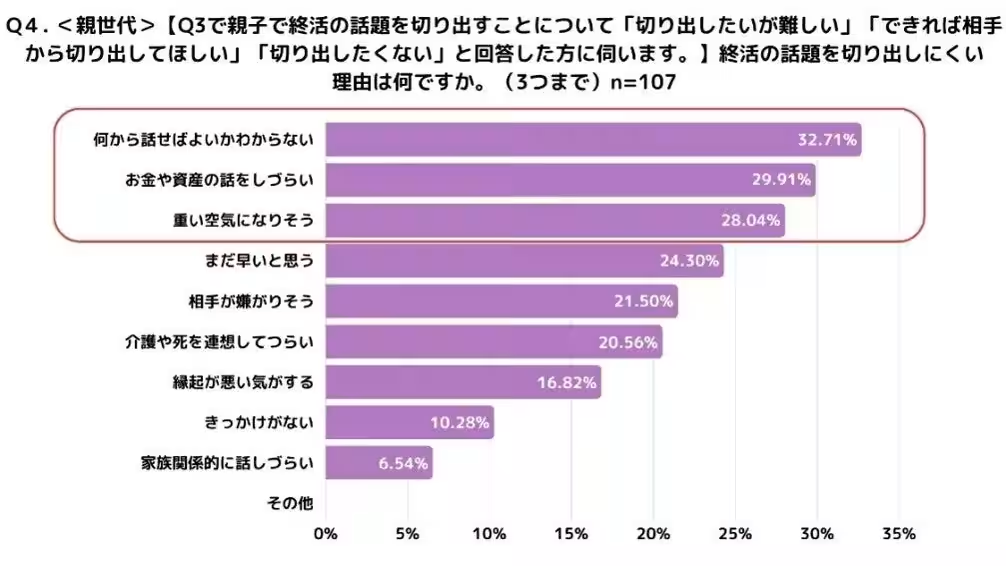
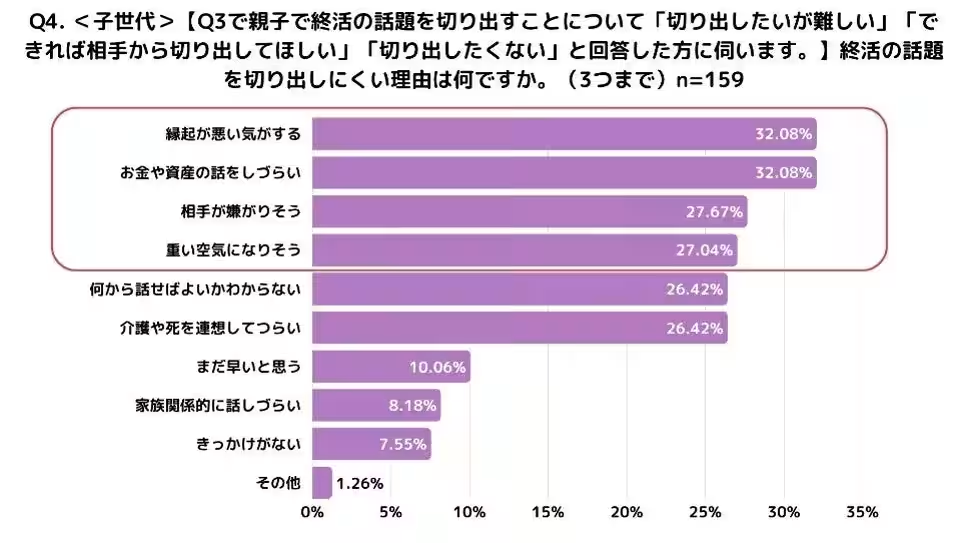
Further analysis of responses indicated that both generations experience a psychological barrier when attempting to address these topics directly. Parents frequently expressed uncertainty over how to broach the subject, with 32.7% admitting they didn't know where to start, while 29.9% found discussing financial matters uncomfortable. On the other hand, children often felt the weight of the subject matter, fearing it could lead to an awkward atmosphere or concern for their parents’ feelings.
Opportunities for Initiating Conversations
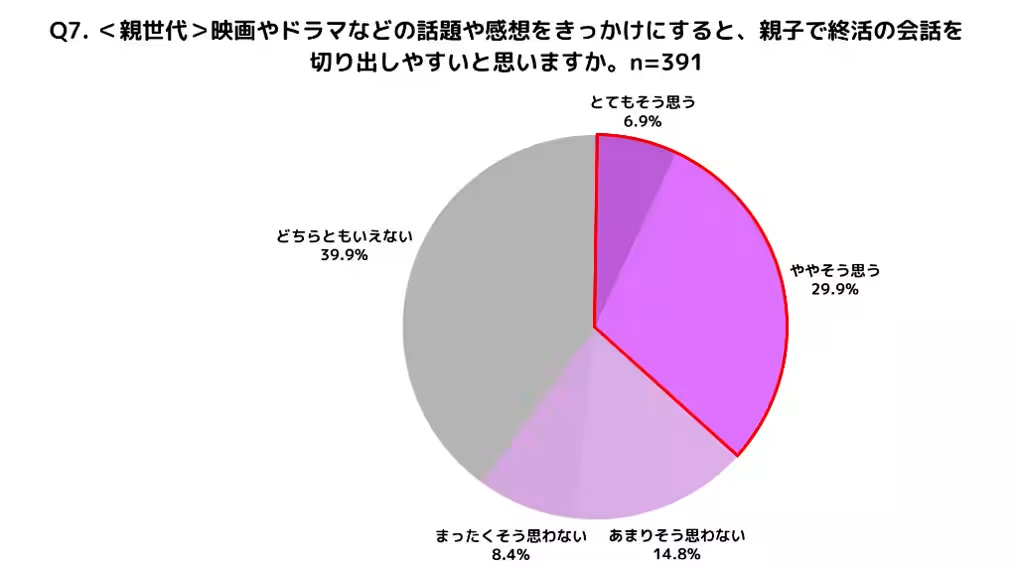
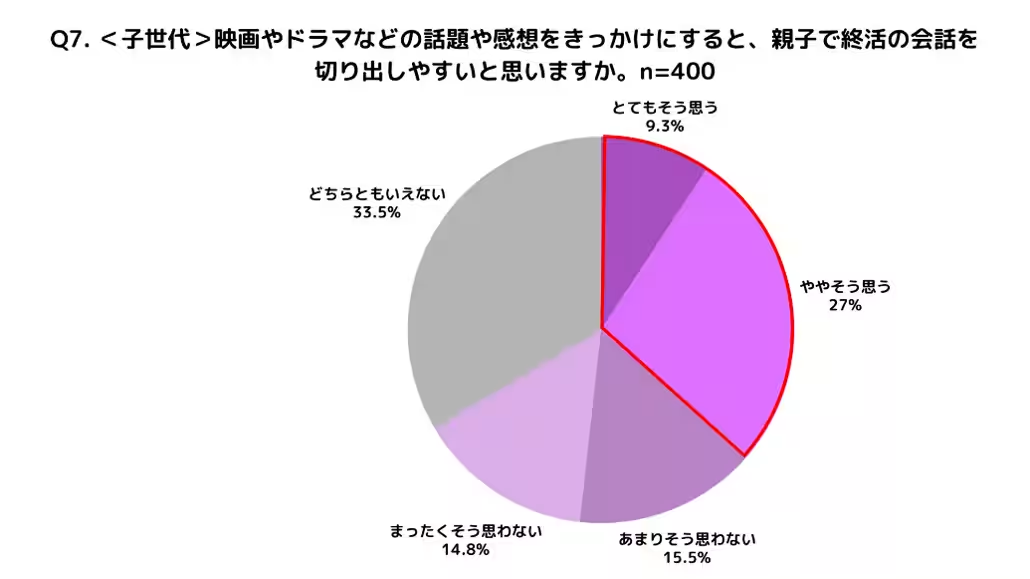
Interestingly, the findings suggest a potential breakthrough method for initiating these discussions. Many participants expressed that referencing films or documentaries provides an accessible entry point into discussions about end-of-life planning. This allows for a lighter, more relatable context to tackle otherwise weighty subjects, decreasing the mental barrier associated with starting such significant conversations.
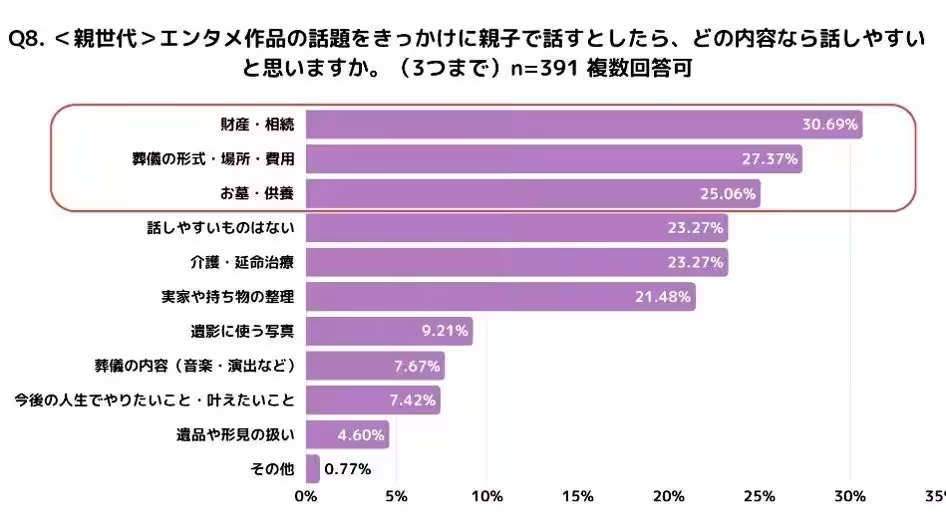
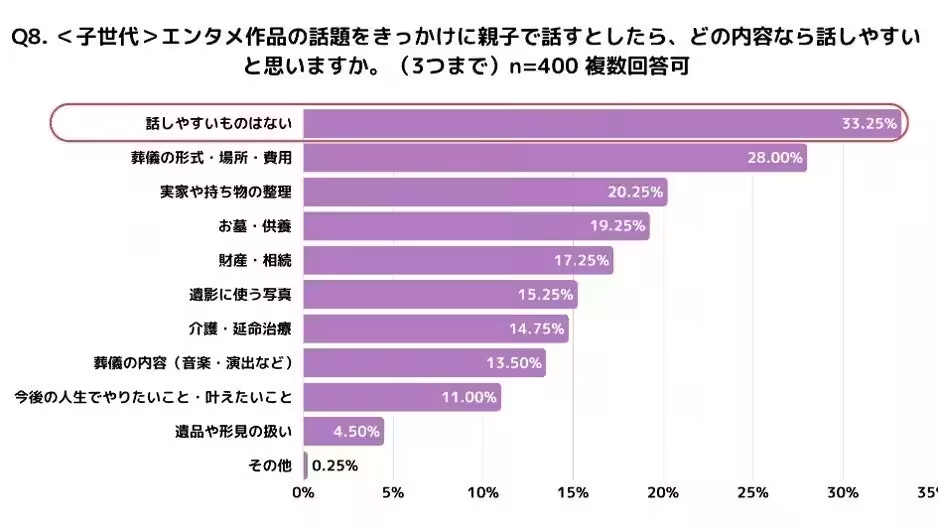
Children in particular indicated that exploring more straightforward subjects—such as funeral preferences or estate management—may facilitate easier dialogue compared to more abstract topics. 33.3% of children indicated there was 'nothing easy to talk about' in terms of preferences, yet many still acknowledged familiarity with practical subjects like funeral arrangements or home organization.
The Importance of Preparedness
As society evolves and views on death and dying shift, it is crucial for families to cultivate environments where discussing end-of-life planning becomes normalized and encouraged. The need for such conversations is not only a reflection of eldercare responsibilities but also a necessary aspect of familial bonds. San Holdings emphasizes the importance of these discussions, advocating for a society in which families can fully support one another in preparing for life's final stages without fear or discomfort. By leveraging storytelling media as conversation starters, families can uphold the dignity and respect associated with end-of-life experiences.
Ultimately, the survey conducted by San Holdings reveals a significant cultural shift in attitudes toward end-of-life discussions. It underscores the necessity for families to engage in these dialogues to ensure no regrets linger as life draws to a close. Together, through an ongoing commitment to communication, families can forge stronger connections while navigating these profound and essential matters.



Topics People & Culture)

【About Using Articles】
You can freely use the title and article content by linking to the page where the article is posted.
※ Images cannot be used.
【About Links】
Links are free to use.