



Japanese EPS Industry Overview for 2025: Achievements and Challenges
Overview of the Japanese EPS Industry in 2025
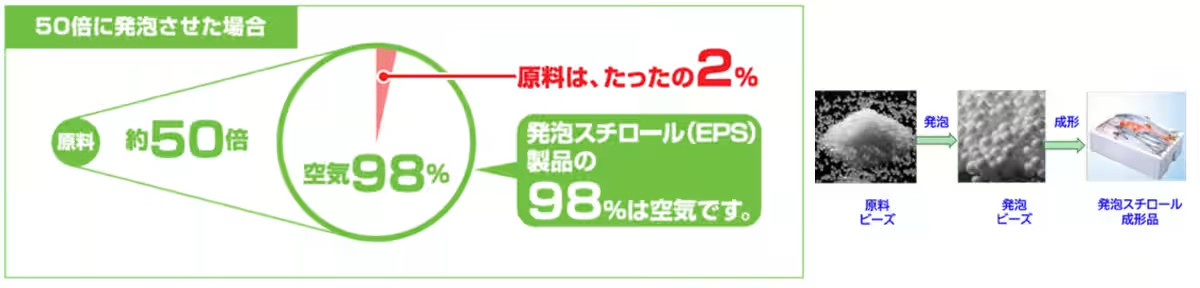
The Japan Expanded Polystyrene Association (JEPSA), based in Chiyoda, Tokyo, held a press conference on July 16, 2026, where they disclosed an overview of the EPS industry for the calendar year 2025. Their aim is to leverage the exceptional characteristics of expanded polystyrene — thermal insulation, cushioning, lightweight properties, resource efficiency, durability, and recyclability — to contribute positively to a sustainable society..
EPS Shipment Statistics
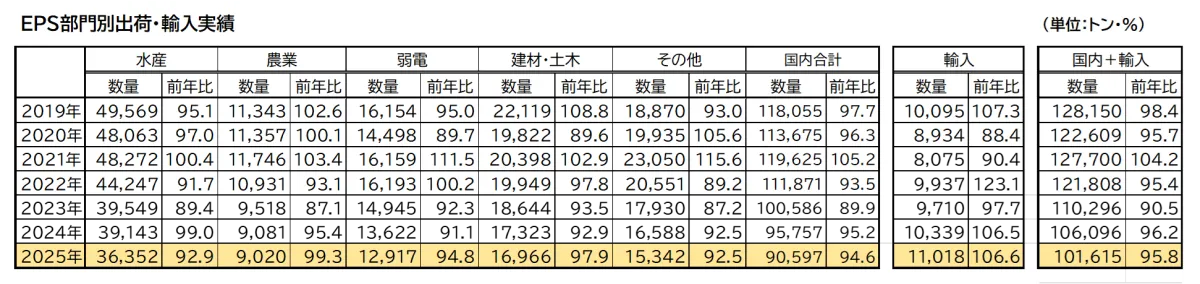
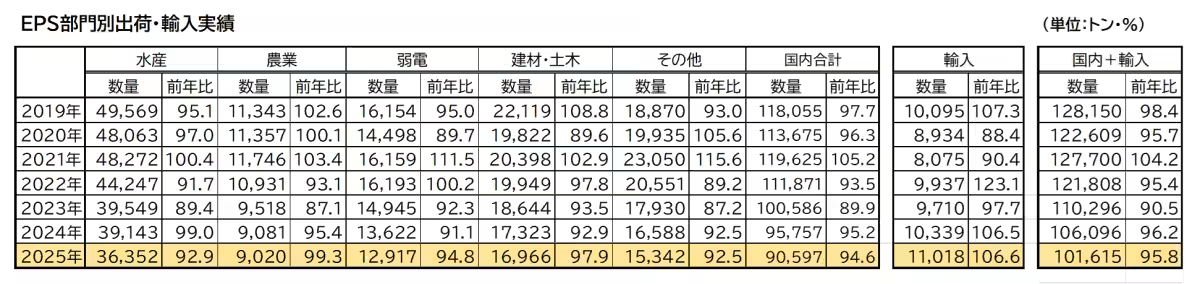
In 2025, the total shipment of EPS materials reached 101,615 tons, which is a decrease of 4,481 tons compared to the previous year, marking a decline of 5.8%. Domestic shipments were recorded at 90,597 tons (a 5.1% decrease), while imports increased by 6.6% to 11,018 tons.
Demand by Sector
Fisheries: The fisheries sector experienced a mixed bag, with a notable increase in the catch of certain fish species like mackerel, whereas overall catches decreased significantly. Consequently, total shipments stood at 36,352 tons in 2025, reflecting a drop of 7.1% from the previous year.
Agriculture: The agricultural sector also faced challenges from high summer temperatures and adverse weather conditions, leading to delays in shipments of vegetables and fruits. However, broccoli fared well, yielding a nearly stable shipment figure of 9,020 tons (down just 0.7%). Overall, agricultural fluctuations kept the figures close to the previous year's performance.
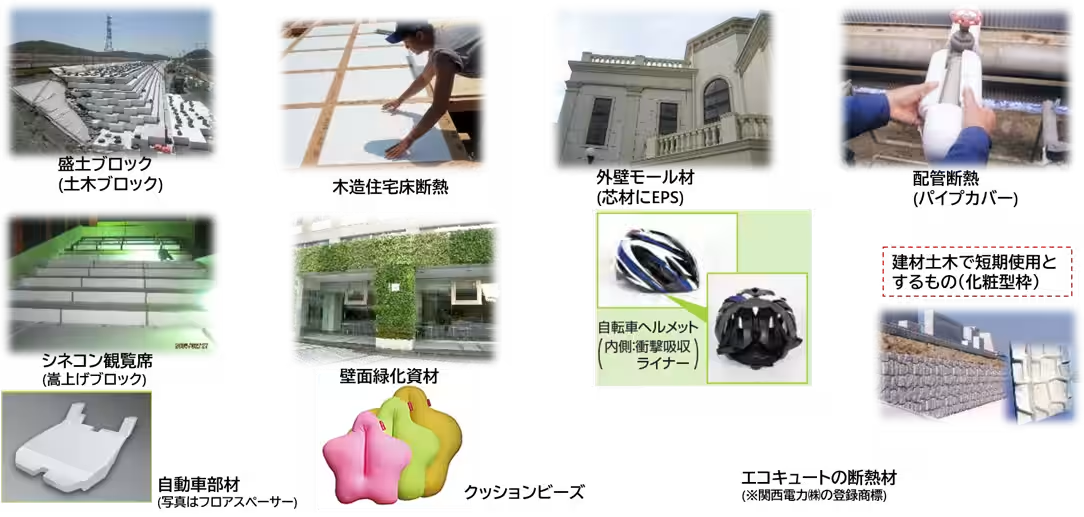
Other Sectors: The electronics and construction sectors reported declines as well. The electronics segment saw shipments decline to 12,917 tons, reflecting a switch to alternative materials. Conversely, construction materials recorded a negligible increase of 0.5% due to greater demand for heat-insulating residential materials.
Recycling Efficiency
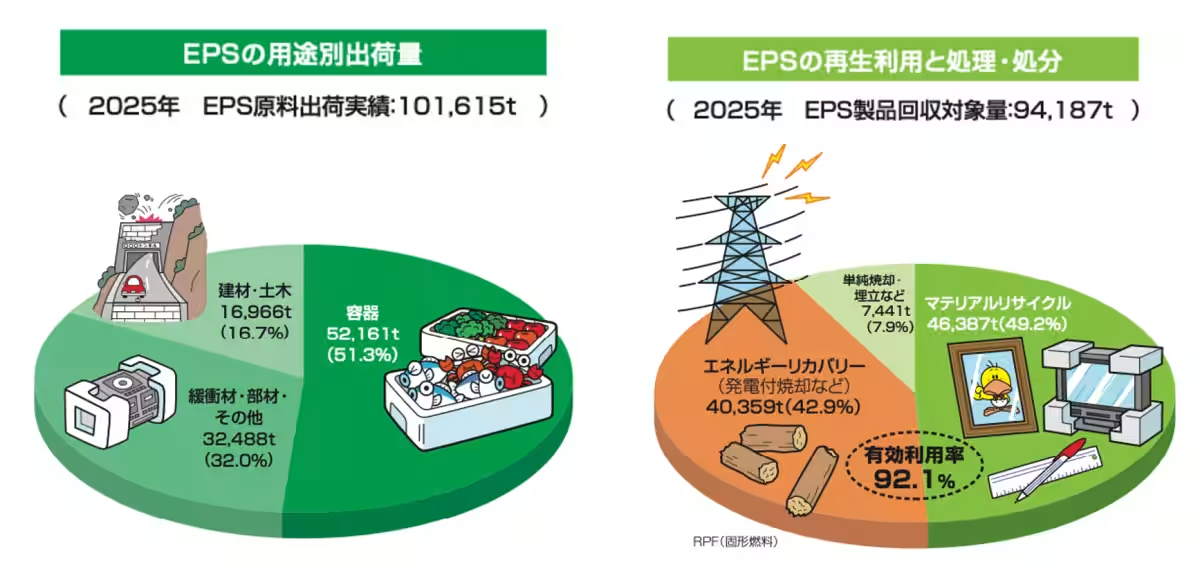
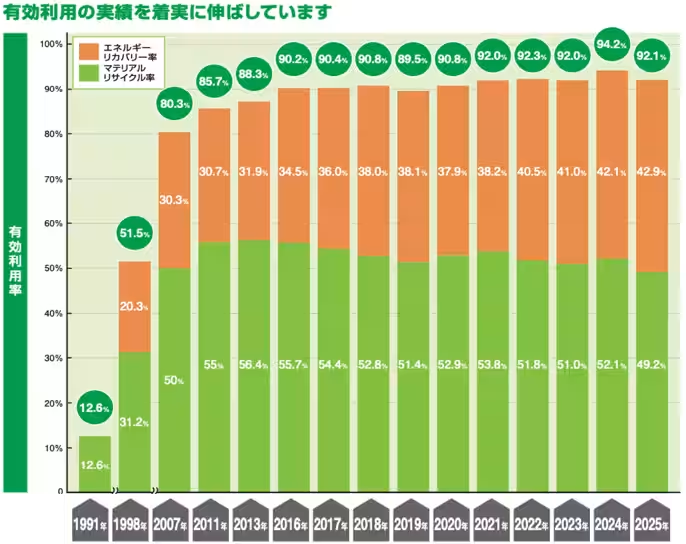
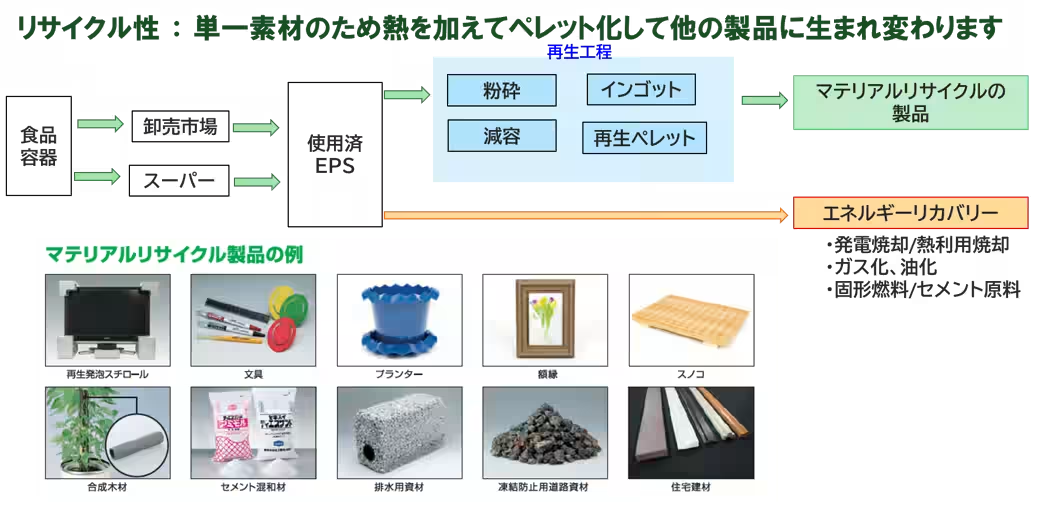
The effective utilization rate of used EPS in 2025 stood at 92.1%, showcasing the industry's commitment to recycling despite a slight decline from the previous year's figures. Since 2016, JEPSA has maintained a recycling rate above 90%. The breakdown reveals a material recycling rate of 49.2% and an energy recovery rate of 42.9%, with only 7.9% of EPS ending up in simple incineration or landfills.
Addressing Environmental Awareness
In light of environmental shifts and increased regulations, such as the Resource Circulation Law for Plastics which took effect in April 2022, the EPS industry has faced heightened scrutiny. Consequently, JEPSA is ramping up efforts to comply with international agreements like the INC (Intergovernmental Negotiating Committee) aimed at combating plastic pollution. JEPSA's 2026 slogan reflects their commitment to sustainability: 'We will protect the Earth's environment with the excellent characteristics of EPS.'
Future Outlook
The association is dedicated to enhancing understanding around EPS's unique properties, striving for a target of 100% effective utilization rate as part of their long-term vision. Industry meetings will discuss various initiatives including responses to marine plastic pollution, technological innovations, and collaborative efforts with global partners.
Summary of JEPSA's Mission
JEPSA, established in 1991, unifies raw material manufacturers and processors under the goal of promoting the benefits of EPS. Their mission centers on the environmental sustainability of EPS and widespread community engagement, which is key to not only advancing the industry but also supporting ecological balance. The organization is focused on ensuring that EPS continues to serve valuable roles across numerous applications, thereby enriching the lives of individuals while working towards a healthier planet.
Topics Consumer Products & Retail)
【About Using Articles】
You can freely use the title and article content by linking to the page where the article is posted.
※ Images cannot be used.
【About Links】
Links are free to use.