




Increasing Global IT Workforce: Gradual Growth and Challenges in Japan's Tech Education
Increasing Global IT Workforce: Gradual Growth and Challenges in Japan's Tech Education
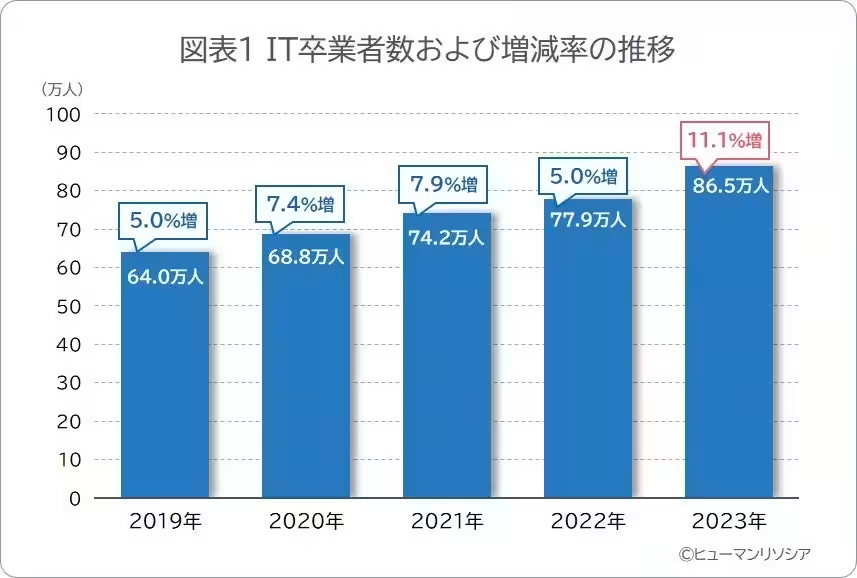
The landscape of IT education is shifting dramatically, with a recent study by Human Resocia, a comprehensive staffing service company headquartered in Shinjuku, Tokyo, revealing a robust growth in IT graduates globally. Titled "2025 Edition: Global IT Engineer Report Vol.19," this report highlights a substantial 11% increase in the number of IT graduates over the previous year and an impressive 35% rise over five years. The analysis was derived from data collected from 42 countries, reflecting the growing strength of the IT talent pool worldwide.
Key Findings from the Study
The survey utilized information from the OECD Data Explorer and examined various metrics related to IT and STEM (Science, Technology, Engineering, and Math) fields. Here’s a summary of the key points:
1. Expansion of Global IT Workforce
- The overall number of IT graduates has surged by 11.1% year-on-year, equating to a five-year growth of 35.2%.
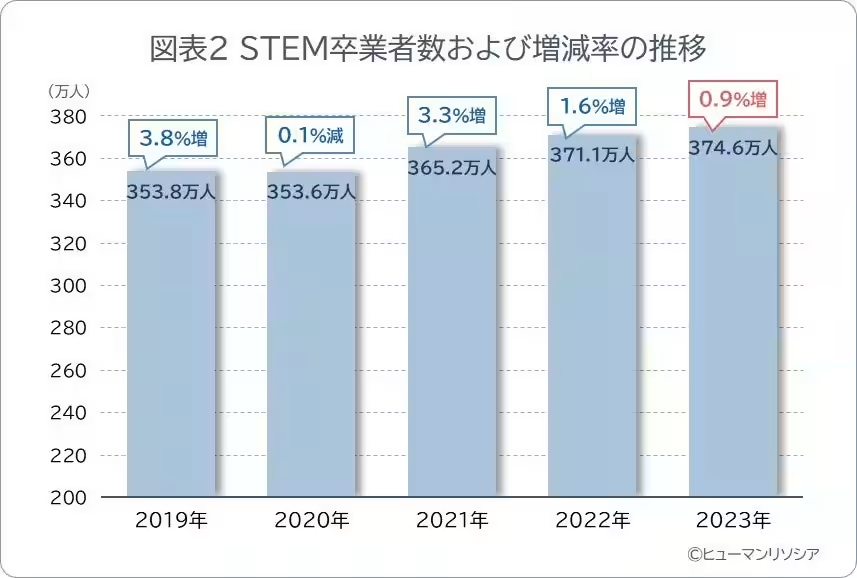
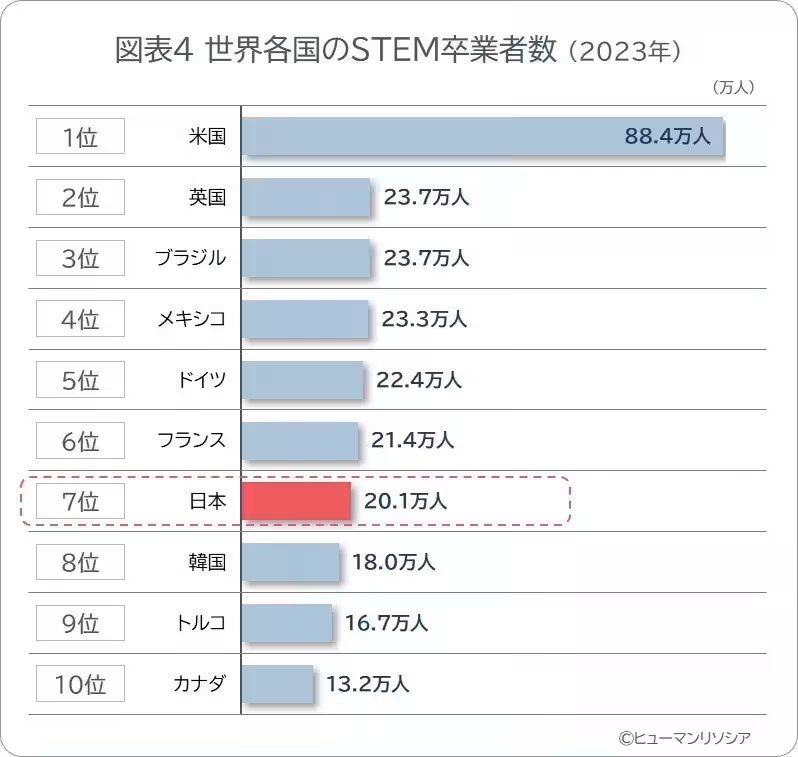
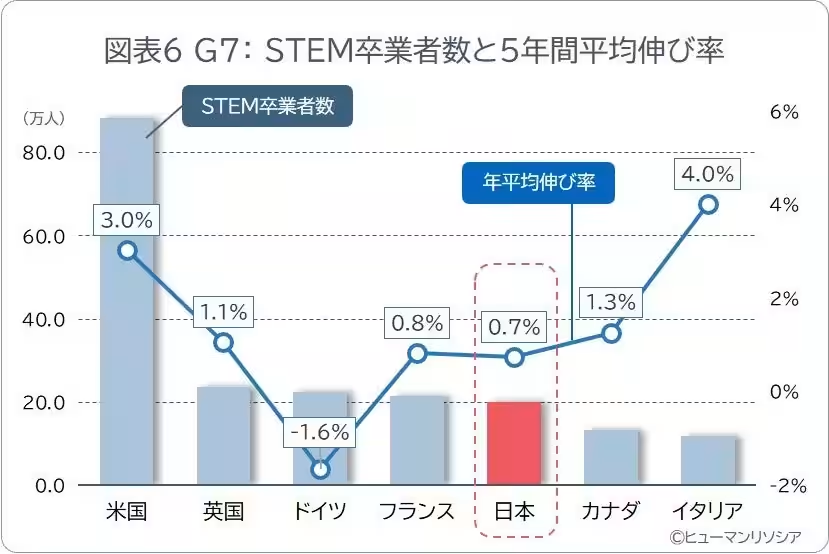
- In contrast, the growth rate of STEM graduates showed a modest 0.9% increase from the previous year and 5.9% over five years.
2. The United States' Dominance in IT Graduates
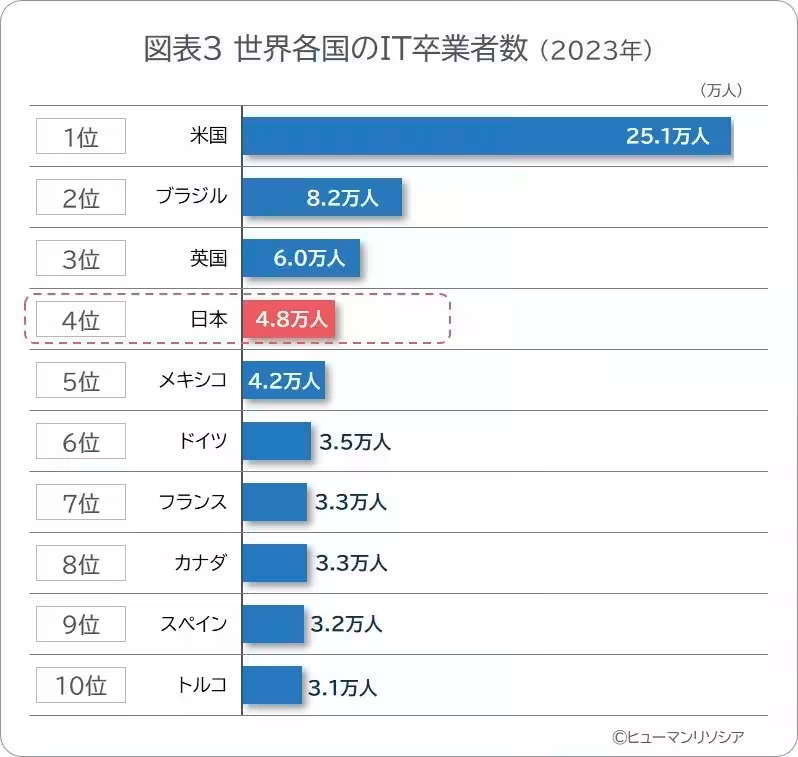
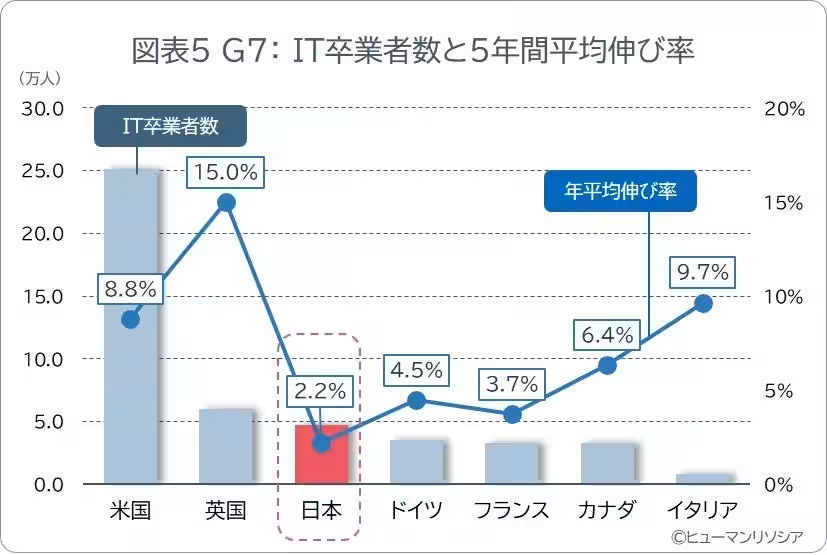
- The United States leads with 251,000 IT graduates annually, recording an average annual growth rate of 8.8%. This puts the U.S. significantly ahead of other nations, followed closely by the U.K. and Germany, with graduation rates of 15.0% and 4.5%, respectively.
3. Japan's Struggle in IT Graduation Rates
- Japan, with an annual output of 48,000 IT graduates, is ranked 3rd among G7 countries; however, its average growth rate stands at only 2.2%, the lowest among G7 nations. As the demand for IT talent accelerates, the stagnation in the growth of graduating students raises serious concerns.
The detailed investigation provides an in-depth look at these figures, revealing the disparities in IT education and the looming challenges ahead for countries like Japan.
Comparative Analysis: Grades and Needs
The data shows that the IT workforce worldwide has surpassed 30 million professionals, highlighting the critical role of higher education institutions in supplying skilled labor. Notably, India's output is 559,000 IT graduates, underscoring its position as a leading source of global IT talent.
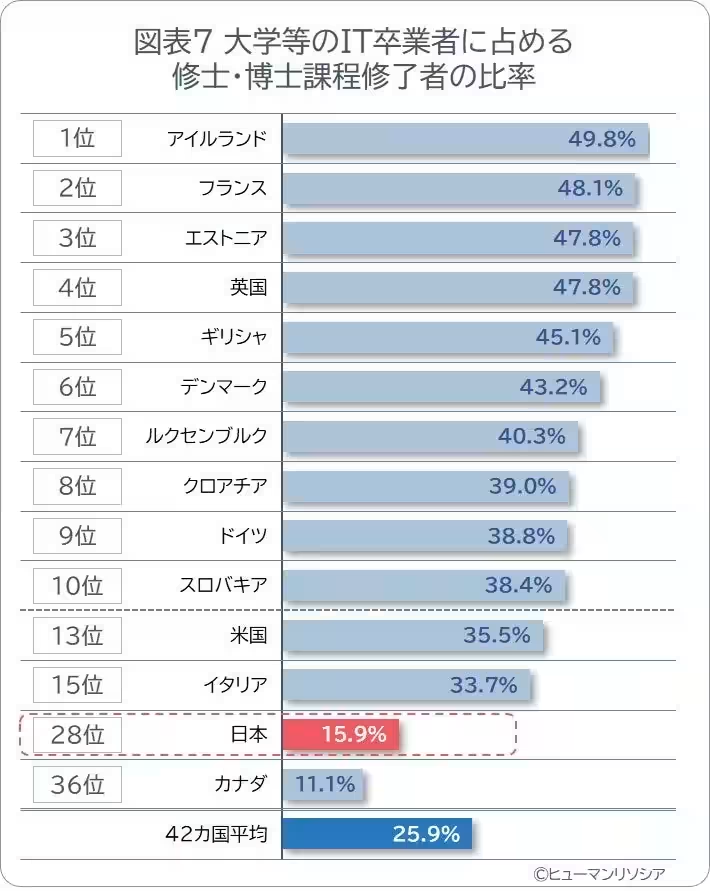
Moreover, it was noted that Japan's percentage of graduates pursuing higher degrees in IT remains low at 15.9%, significantly below the average of 25.9% across the 42 examined countries. This statistic raises alarms regarding the diminishing pool of highly skilled IT professionals in Japan, with countries like Ireland (49.8%) and France (48.1%) showcasing much higher figures.
Challenges Ahead: Japan's IT Talent Shortage
Despite Japan maintaining a relative abundance of IT graduates, the need for qualified personnel is growing faster than the supply, with potential repercussions for the country's digital competitiveness. The report clearly indicates that without systematic changes and strategic planning, Japan may face challenges in ensuring a continuous supply of qualified IT professionals, particularly as digital transformation initiatives gain momentum across various sectors.
The investigation emphasizes a crucial reality; as nations like the U.S. and U.K. ramp up their IT graduate output significantly, Japan's slower growth could erode its competitive edge in the global tech landscape. There may be a pressing need to leverage international talent, including outsourcing IT skills from countries with a robust graduation rate, to bridge the existing gap in skilled labor.
Conclusion
The study serves as a wakeup call for stakeholders in Japan's education sector. With the rapid acceleration in the digital economy, maintaining a steady pipeline of IT professionals will require innovative strategies and collaborative efforts between governmental bodies, educational institutions, and the private sector. Only by addressing these pressing challenges can Japan hope to secure its future as a leader in the digital space.

Topics Other)
【About Using Articles】
You can freely use the title and article content by linking to the page where the article is posted.
※ Images cannot be used.
【About Links】
Links are free to use.