



Travel Trends for the Summer of 2026: Insights on Domestic and International Travel Preferences
Travel Trends for the Summer of 2026
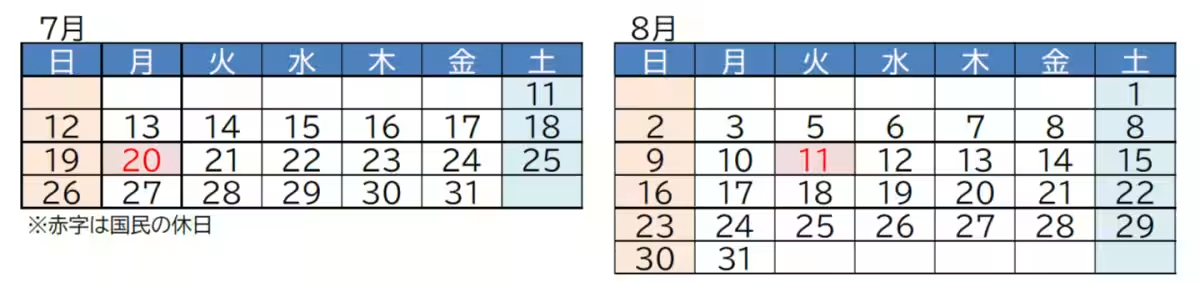
The Japan Travel Bureau (JTB) has compiled a comprehensive report on travel trends for the summer vacation period from July 15 to August 31, 2026. This analysis draws on data from economic trends, consumer behavior surveys, transportation and tourism statistics, and JTB's own surveys, a practice the organization has maintained since 1969.
Economic Factors and Travel Spending
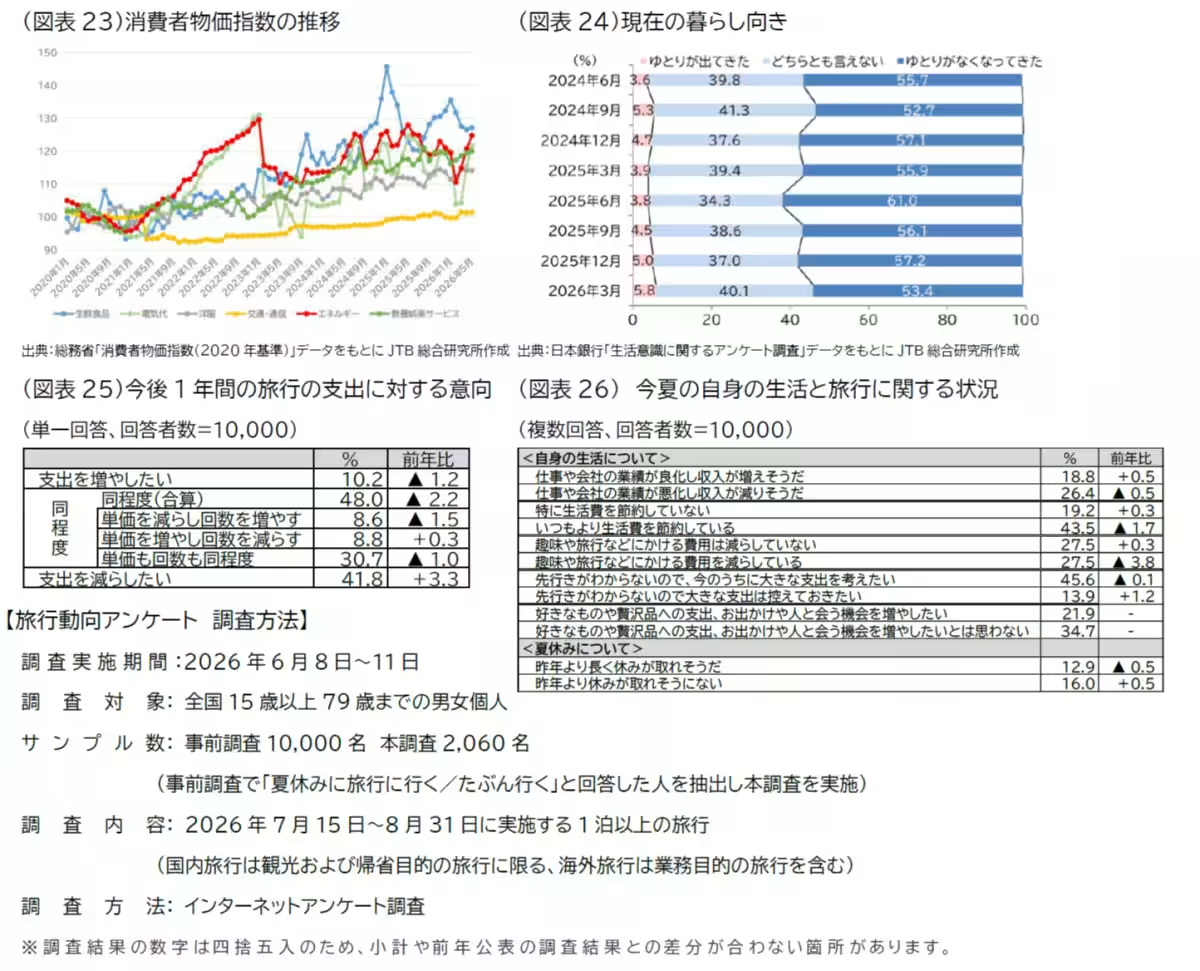
Despite a general increase in income, the rising cost of living has led travelers to adopt a more frugal approach, blending both savings and creative spending for their trips. For domestic travelers, there’s a clear preference for cooler indoor environments to escape the summer heat. Meanwhile, those opting for international travel are choosing destinations where local prices and flight costs are manageable.
Key Statistics:
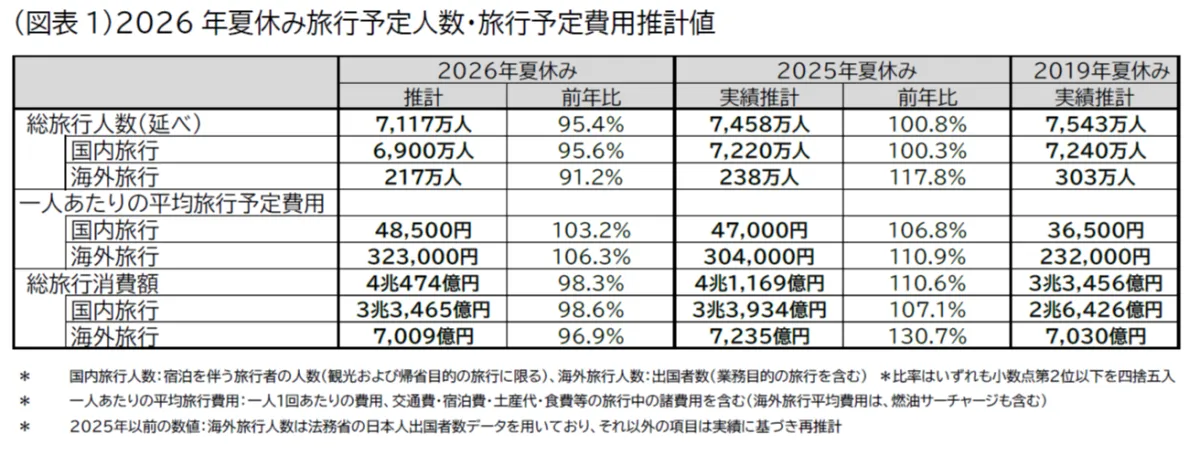
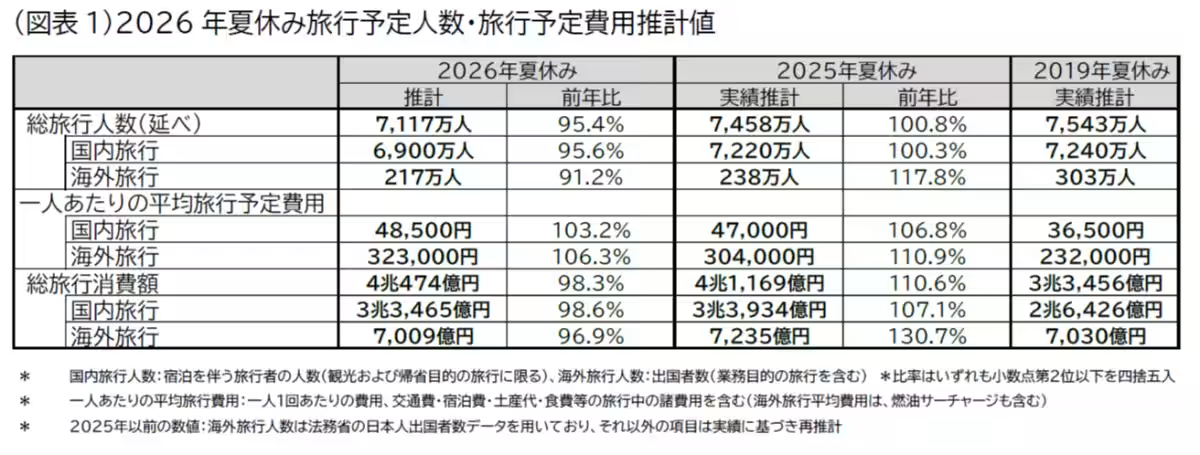
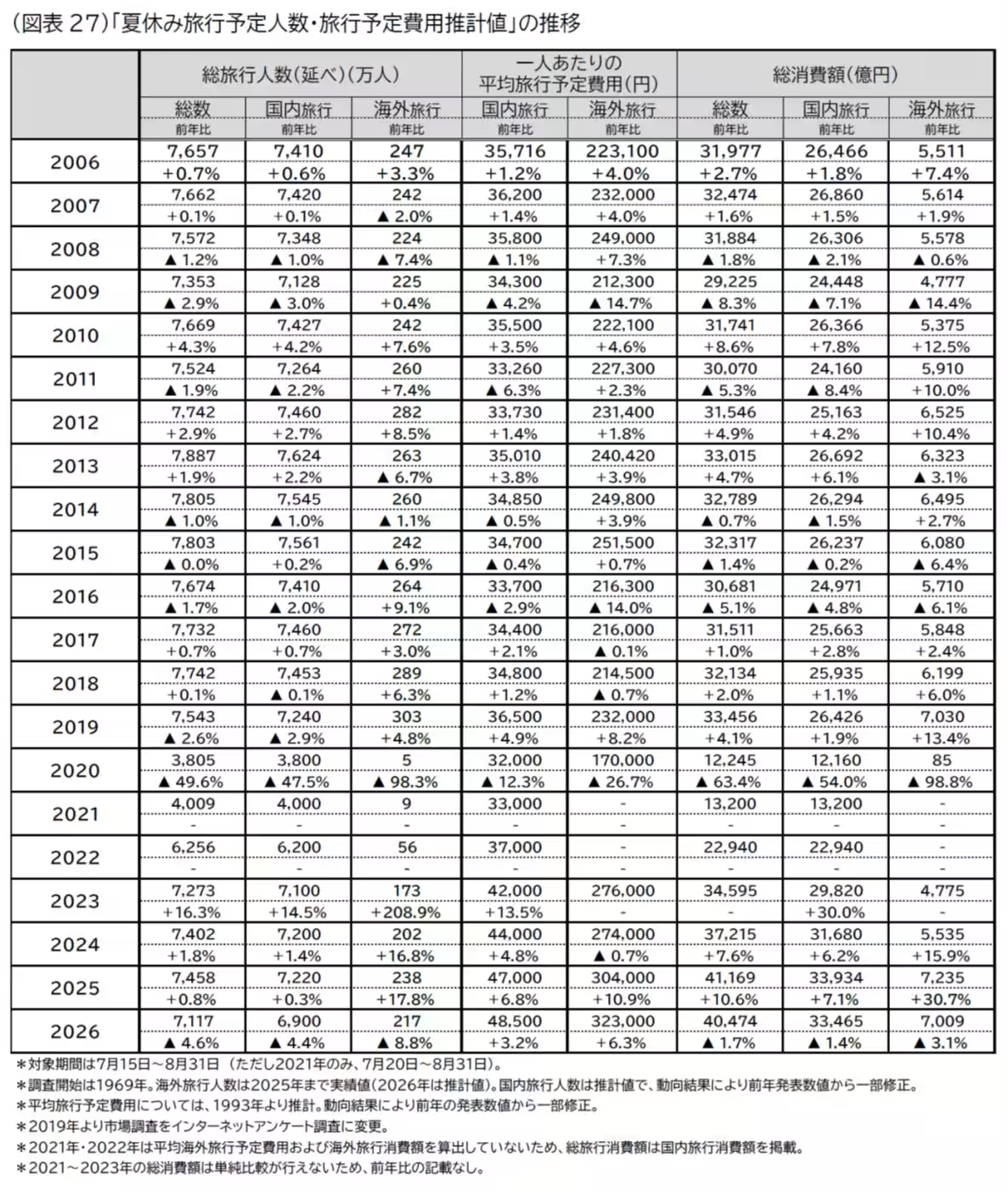
- - Total travelers during the summer vacation is projected at 71.17 million (95.4% of last year)
- - Total spending is estimated to reach 4 trillion 447.4 billion yen (98.3% of last year)
- - Domestic travelers expected to number 69 million (95.6% of last year) with an average spending of 48,500 yen (103.2% of last year)
- - International travelers forecasted at 2.17 million (91.2% of last year) with an average spending of 323,000 yen (106.3% of last year)
Domestic Travel Insights
Domestic travelers are anticipated to spend significantly due to increased salaries and summer bonuses this year. However, there’s a measurable rise in the tendency to budget carefully due to inflationary pressures. The average planned expenditure is projected to increase, as consumers prioritize spending on experiences they find valuable.
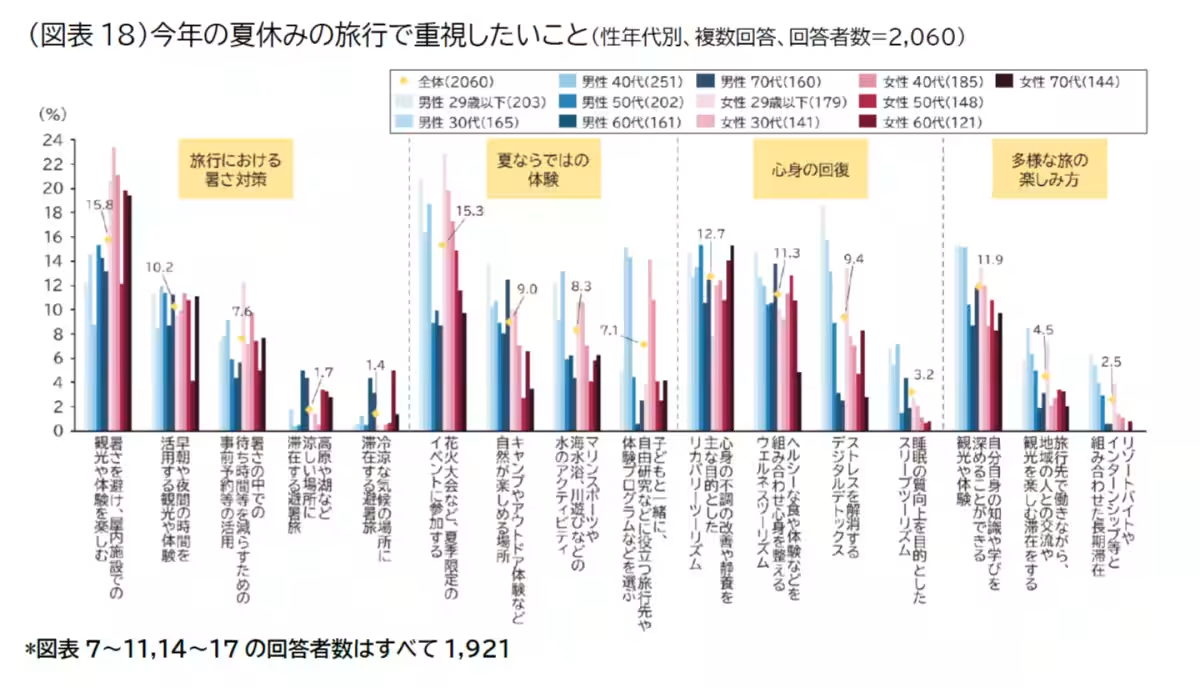
During this summer, many plan to limit their exposure to heat via indoor activities and seek out experiences in the early morning or late evening hours.
Travel Preferences:
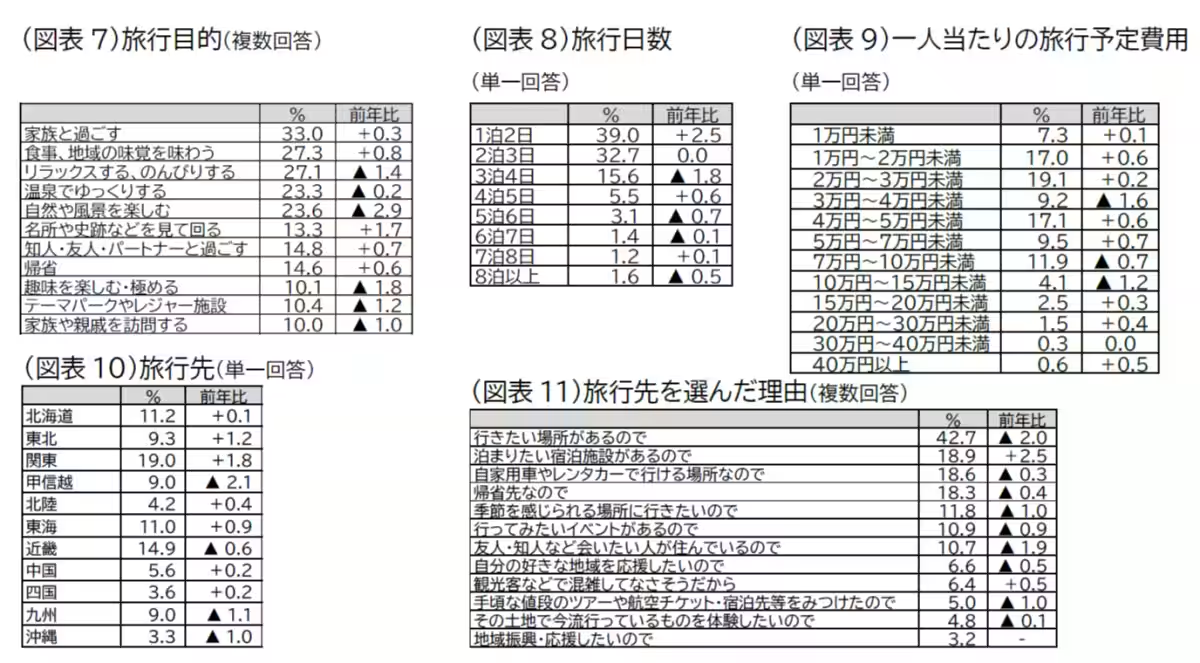
1. Family time is the top travel motivation (33.0%), slightly increasing from last year.
2. There's a growing interest in regional cuisine (27.3%) than previous years, indicating a desire for authentic local experiences.
3. Interests in relaxation and hot spring visits (23.3%) saw slight declines.
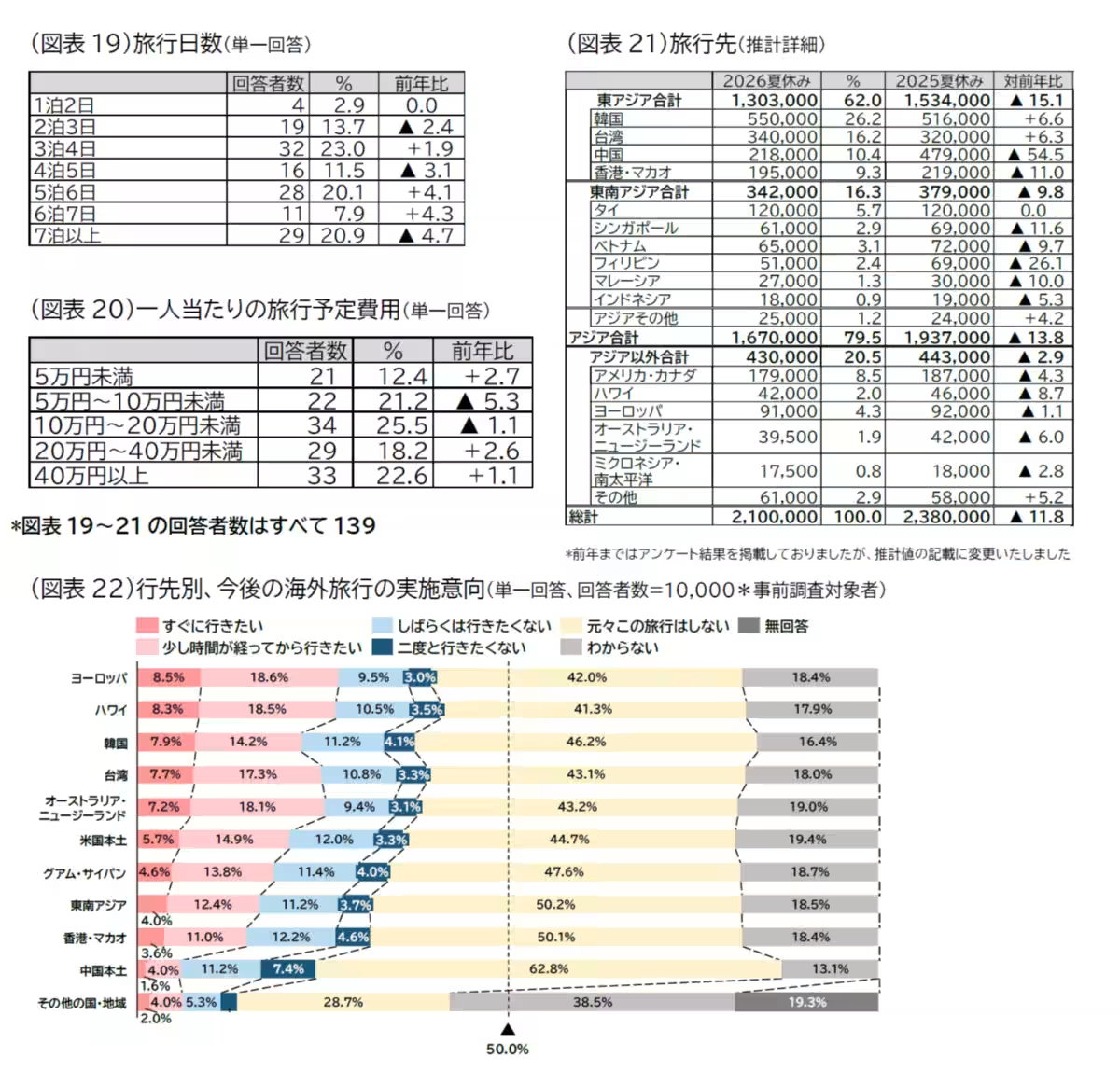
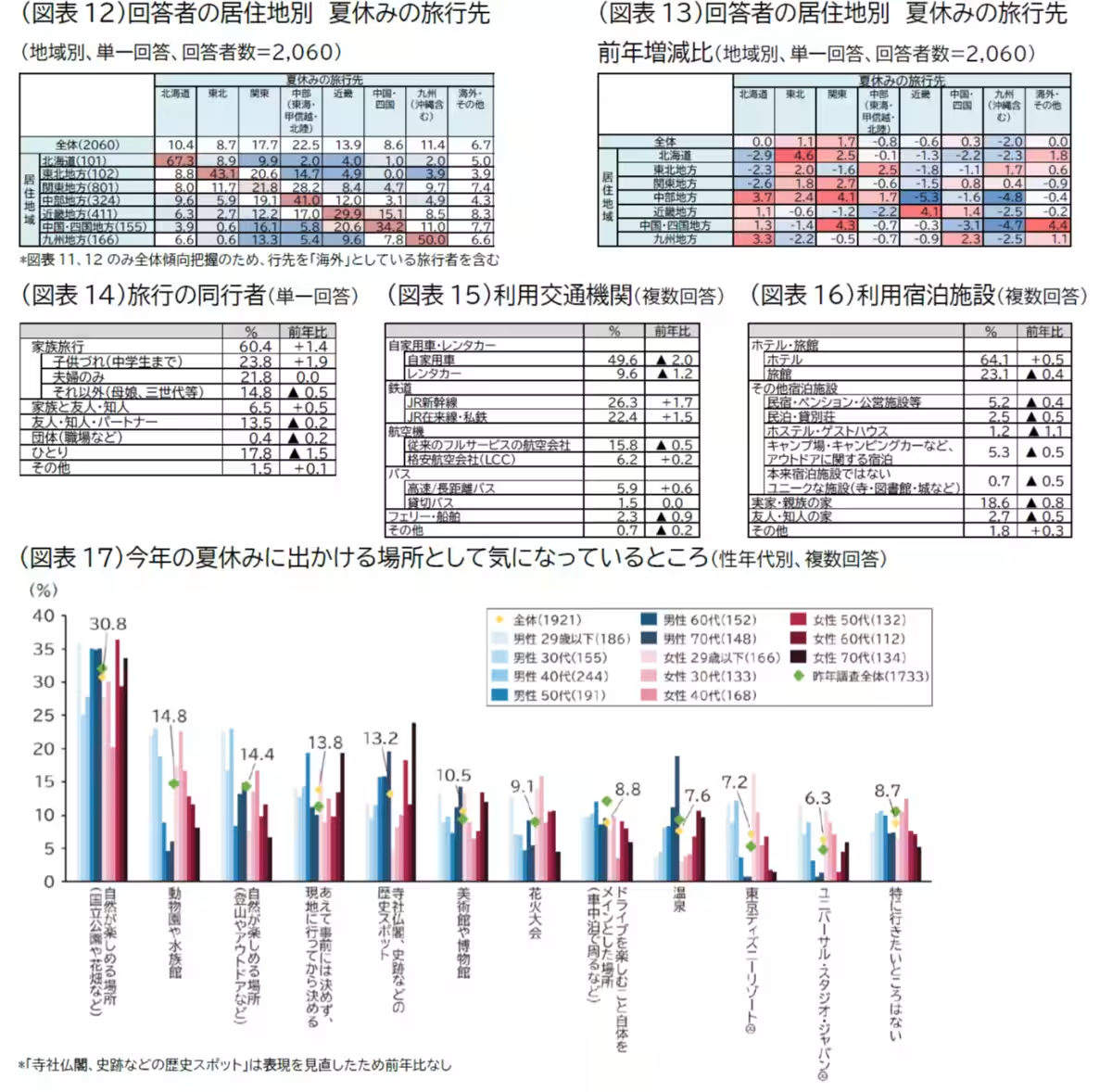
Additionally, the average trip duration is rising with a preference for short stays (1 to 2 nights). Travelers are also increasingly selecting Kanto (19.0%) as their most visited region, followed by Kinki (14.9%) and Hokkaido (11.2%).
International Travel Trends
Internationally, travel numbers are down, likely influenced by global events and currency fluctuations. However, tourists are adapting by choosing destinations with favorable exchange rates and lower overall expenses.
Key Insights:
- - The number of international travelers is projected at 2.17 million, with an average planned expenditure of 323,000 yen.
- - Travelers are keen on visits to Korea (26.2%) and Taiwan (16.2%).
The trend shows a shift towards regional locations with better price-to-value ratios, especially evident among shorter travel durations like 3 to 4 days.
Consumer Behavior Amid Economic Conditions
Japan's economic landscape, while showing signs of gradual recovery, continues to face uncertainties particularly influenced by Middle Eastern tensions. Although consumer sentiment remains cautious, indicators suggest a readiness to invest in experiences that hold personal value.
Observations:
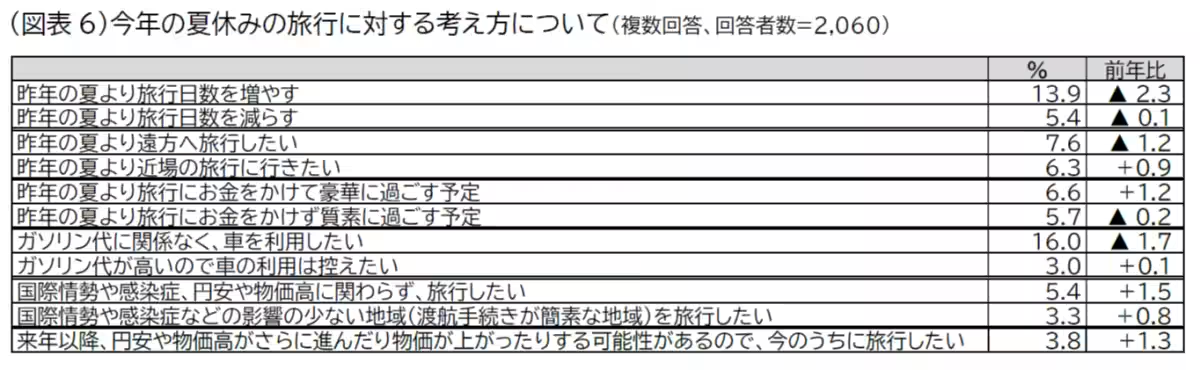
- - The percentage of those wishing to cut back on travel spending has risen to 41.8%.
- - Conversely, interest in increasing travel investments is down to 10.2%.
Overall, Japanese travelers seem to be embracing a balanced approach, keen to assert personal preference in travel while navigating economic pressures with creativity and mindfulness for budget considerations. JTB's insights reveal a robust will to travel among consumers, with noteworthy adaptability in the face of mounting financial constraints.
Topics Travel)
【About Using Articles】
You can freely use the title and article content by linking to the page where the article is posted.
※ Images cannot be used.
【About Links】
Links are free to use.