



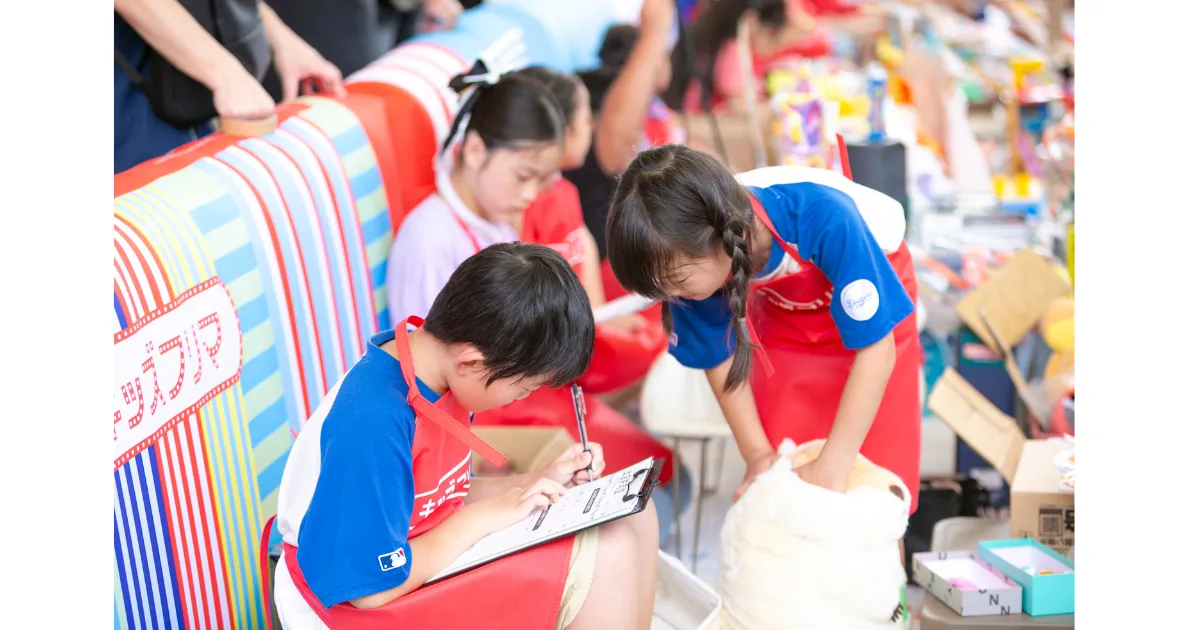
Rising Costs Impact Families as Kids Learn Financial Basics
Rising Costs and Financial Awareness Among Kids
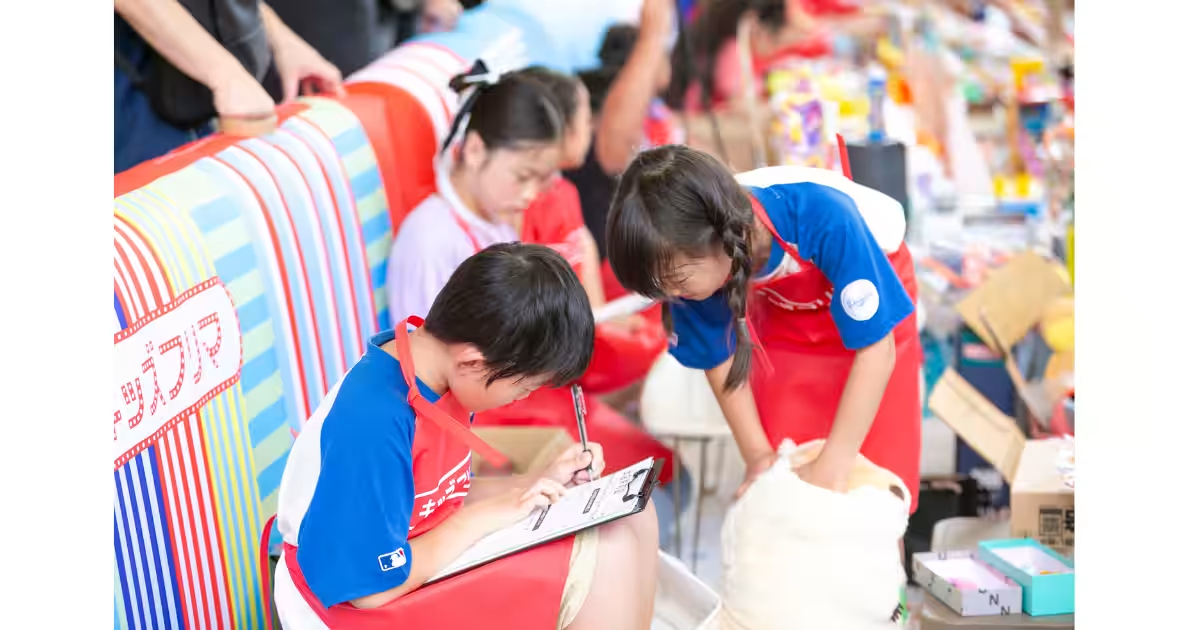
As the new school year approaches, many families are feeling the pinch of rising prices. The NPO Kids Free Market, which promotes financial literacy among children through hands-on experiences, recently conducted a survey involving 52 parents who participated in its child-run flea markets. The results reveal a significant shift in how families perceive budgeting and financial discussions, especially in light of economic pressures.
Survey Insights
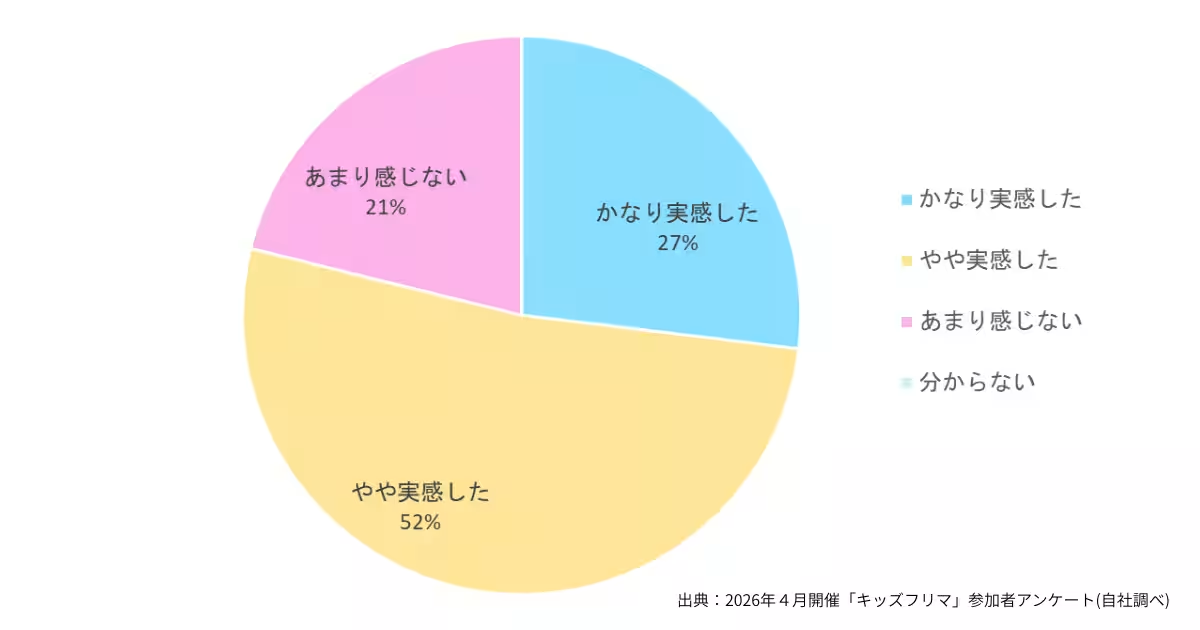
The survey, conducted from April 5 to April 29, 2026, across various locations including Osaka, Tokyo, Saitama, and Gifu, found that approximately 75% of parents reported experiencing an increase in their household financial burden while preparing for the new school year. This burden largely stems from rising costs in school supplies and uniforms, which are becoming a growing concern for many households.
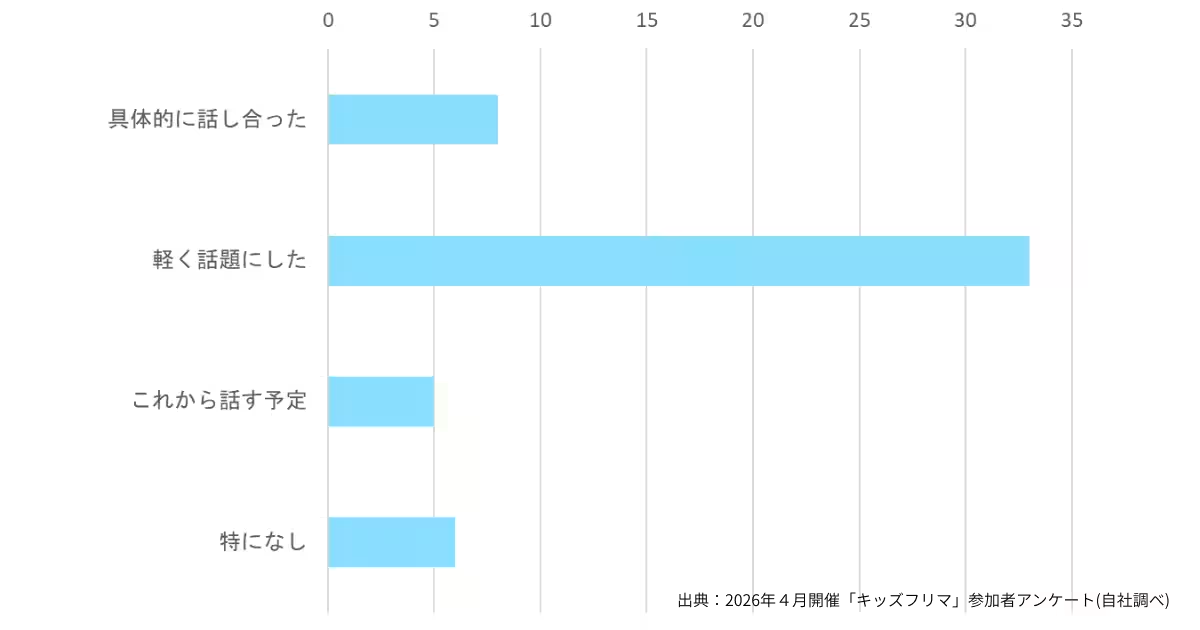
Around the same percentage of parents, about 75%, indicated they had used this transitional period—often marked by children moving up a grade or starting a new school—to engage in essential conversations about money management rules. Such dialogues are crucial for instilling financial responsibility in the next generation.
Children's Evolving Financial Mindset
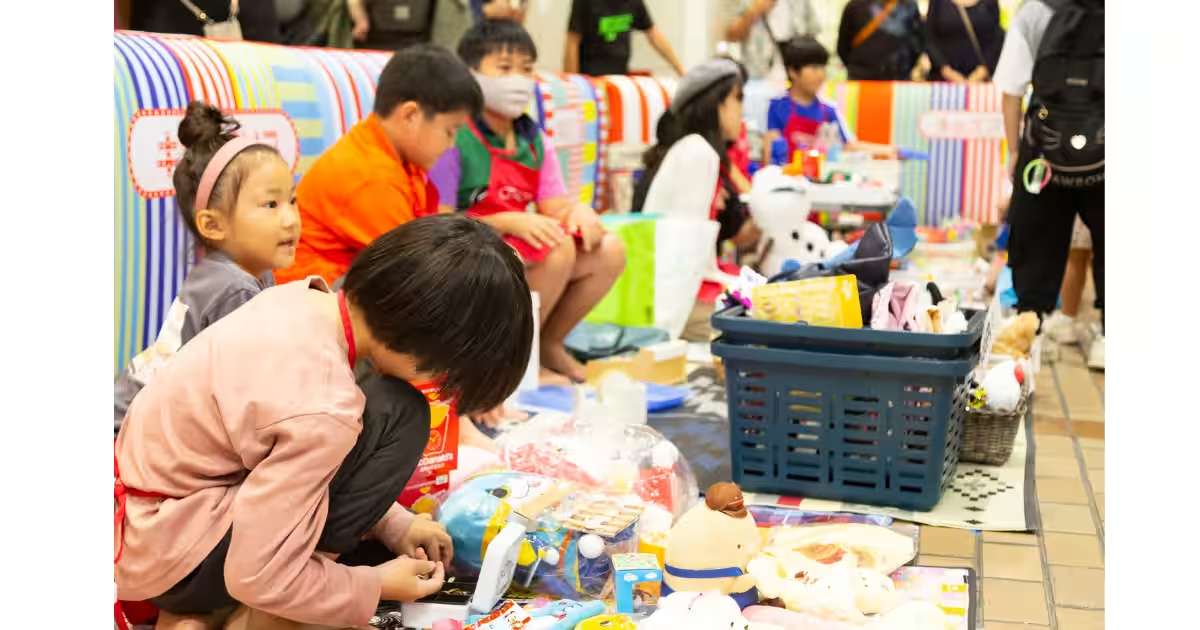
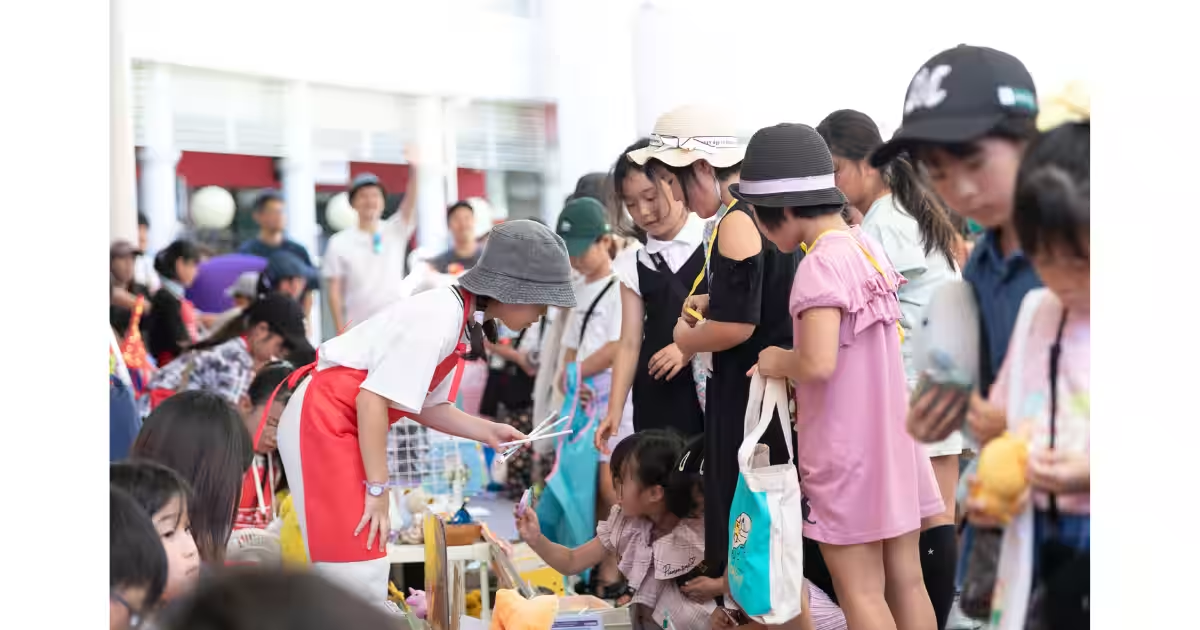
As the cost of living continues to rise, coupled with increasing cashless transactions, the exposure children have to money and the concept of value is becoming more vital. Kids Free Market serves as a platform where not only can children buy and sell items, but they also grasp the significance of creating value and understanding the worth of goods. This experiential learning helps children grasp not just the basics of spending but offers them insight into earning and valuing their possessions.
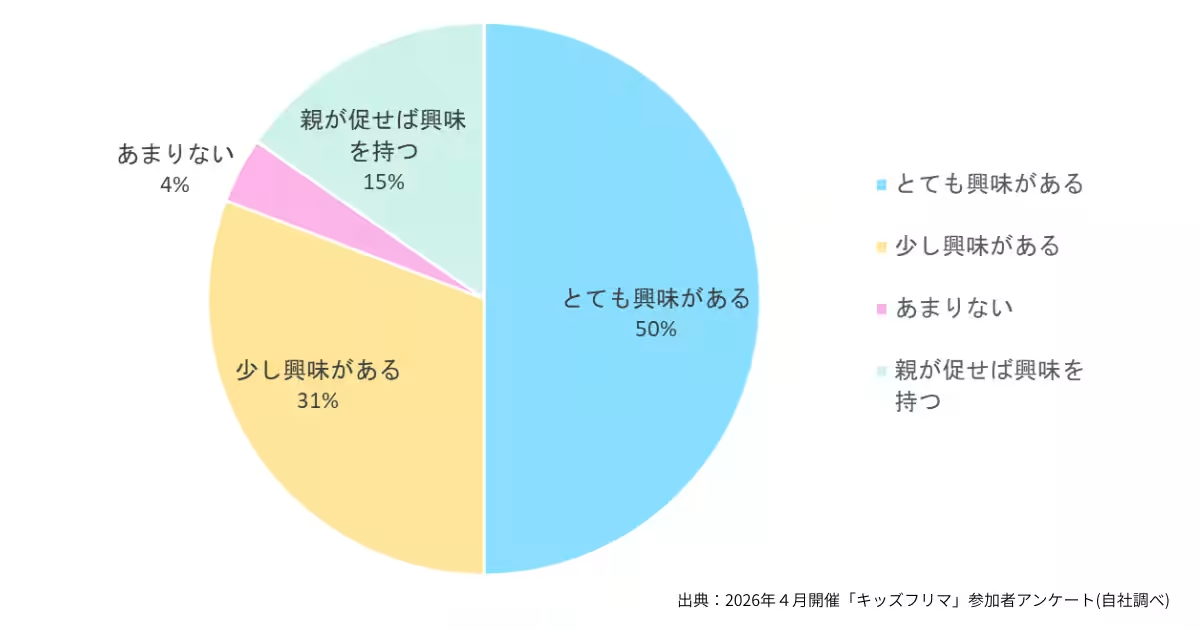
The importance of teaching kids about financial responsibility became more evident during the survey. About 77% of parents noted that their children have developed a keen interest in restructuring their belongings, often choosing to give away or repurpose items instead of discarding them. This shift towards reusing items not only reduces waste but also fosters community consciousness among children as they learn the value of sharing.
Parent Testimonials
Many parents shared their observations on how participating in Kids Free Markets has positively affected their children's attitudes toward money. Comments included:
- - "My child has learned to save up for desired items rather than purchasing on impulse."
- - "Now they consider the prices of items more critically and have started using last year’s notebooks to save money."
- - "They are beginning to question if a small treat, like a capsule toy, is really worth the money."
- - "Engaging with customers has taught them the reality of earning money and its value in everyday transactions."
These insights underline the importance of experiential learning in cultivating financial literacy among children. Participating in a flea market environment allows them to process experiences actively and learn through interaction, not just instruction.
Future Developments
The Kids Free Market initiative will feature in a television information program on May 14, 2026, further highlighting the importance of financial education and reuse practices. As awareness rises, families will continue to embrace dialogues around money management, ultimately fostering a generation with a better understanding of finances.
In conclusion, as families navigate through rising economic pressures, organizations like the Kids Free Market provide indispensable resources for building fundamental financial literacy in children. They are equipping young minds with the necessary tools to approach money with awareness, creating a responsible future generation.
About Kids Free Market
Founded on December 1, 2005, and gaining official NPO status on November 17, 2009, Kids Free Market operates with the overarching mission of enhancing financial literacy and responsible consumer behavior in children through interactive educational experiences. They are supported by various governmental bodies, including the Ministry of Education, Culture, Sports, Science and Technology, and the Ministry of the Environment, as well as local educational boards. To learn more, visit their website at Kids Free Market.
Topics Consumer Products & Retail)
【About Using Articles】
You can freely use the title and article content by linking to the page where the article is posted.
※ Images cannot be used.
【About Links】
Links are free to use.