



Yamashin's Shift Management Initiative: A New Approach to Flexibility and Efficiency
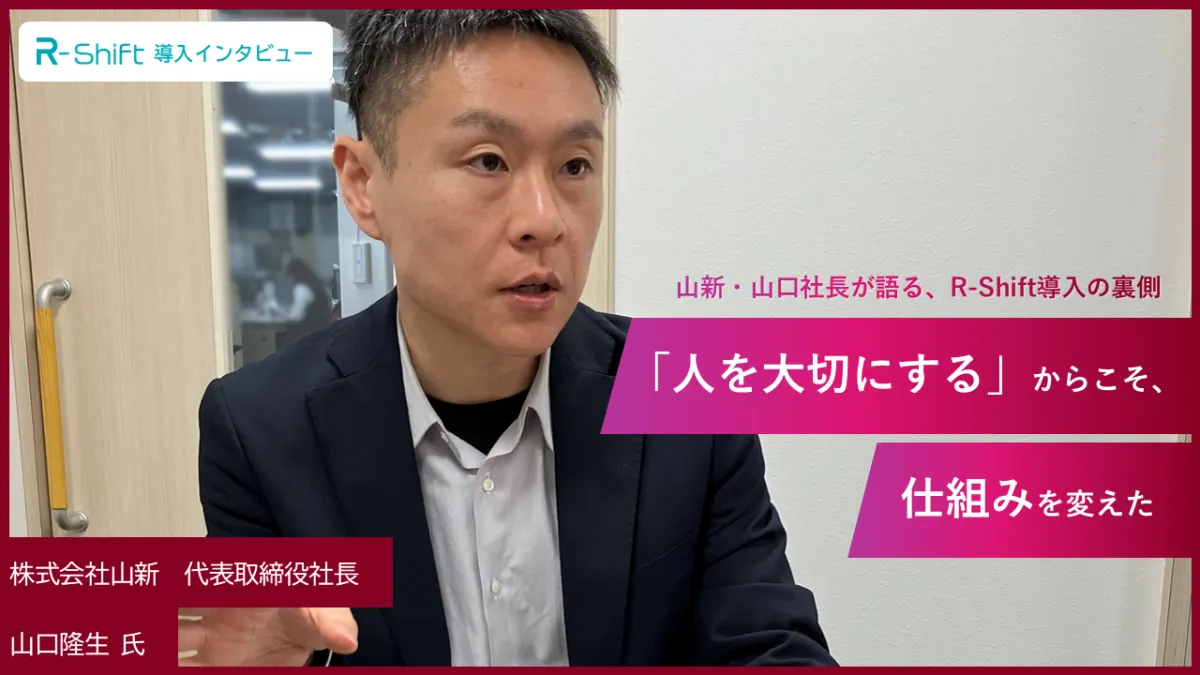
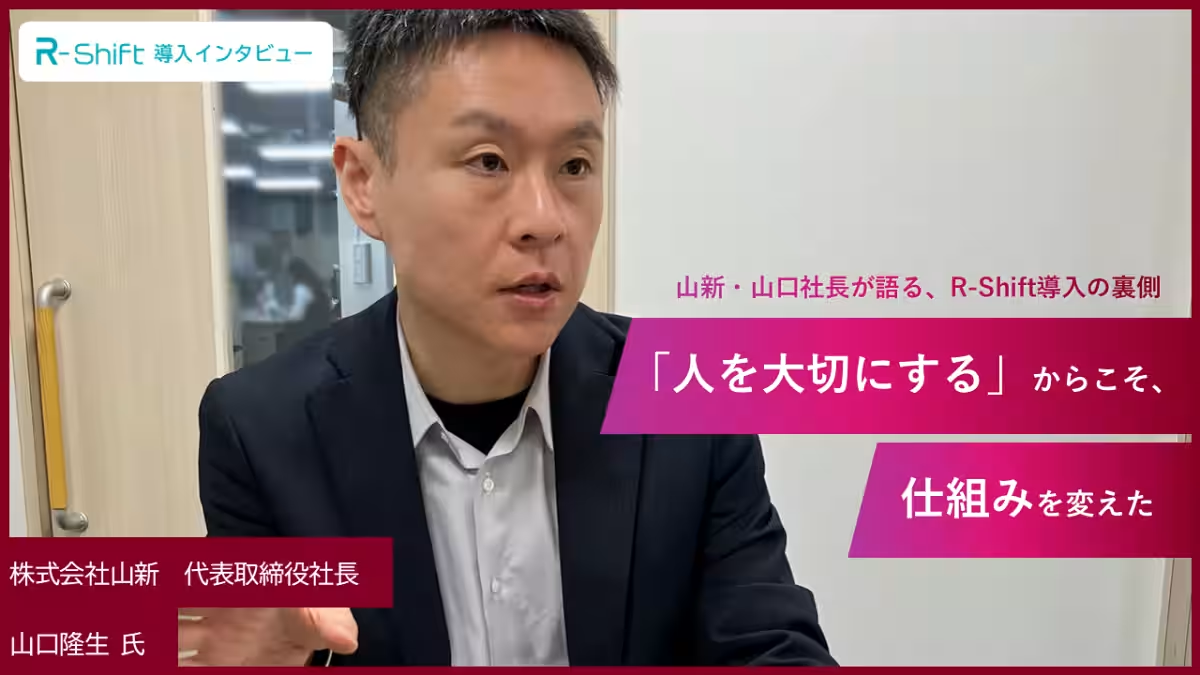
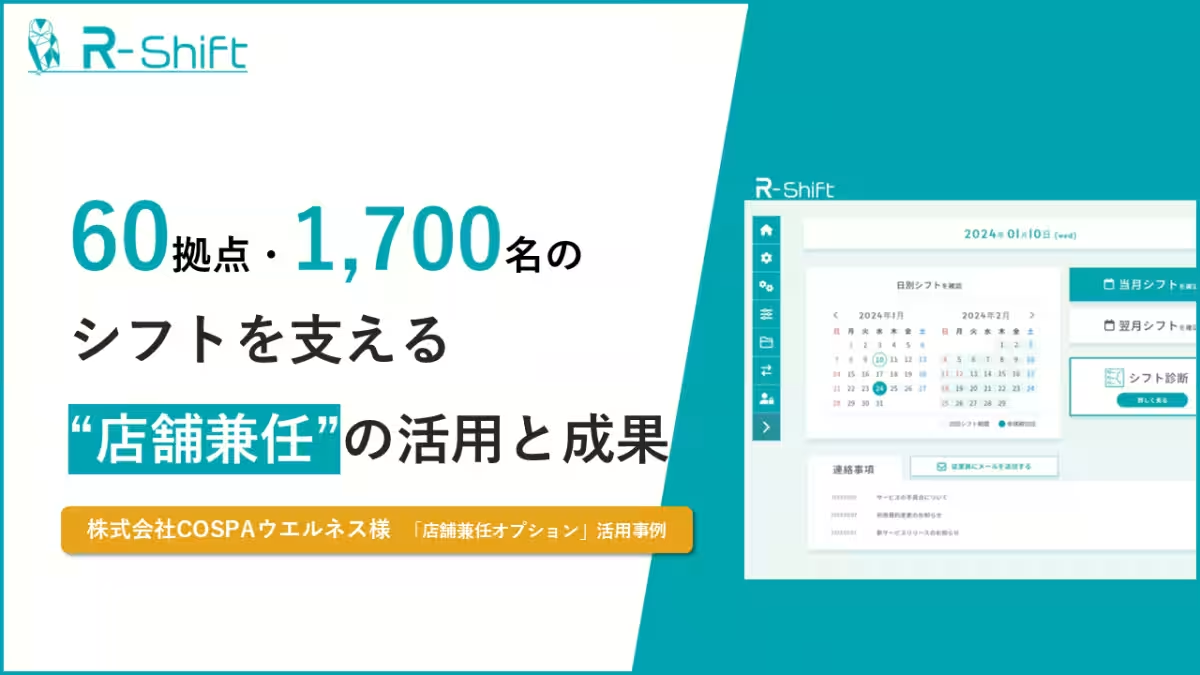
Yamashin Co., Ltd., under the leadership of President Takao Yamaguchi, is embarking on a significant initiative to fully implement shift management across the company. To support this effort, they have chosen to adopt "R-Shift" from OM Network Co., Ltd., which is designed to optimize staffing management while catering to the needs of local businesses. In an environment where store managers hold key decision-making authority, Yamaguchi's determination is the driving force behind this plan. Together with two pivotal team members, they have initiated pilot implementations within some cash registers and are actively preparing to roll out the approach to all stores by December 2025.
Yamashin has always valued the importance of genuine human connection. By closely aligning with local workers, the company has created stores that not only serve their employees but also their customers. This community-oriented approach has allowed Yamashin to thrive locally, but it has also cultivated a conservative structure that resists change. The challenge lies in the deep-rooted operational methods that have been developed over many years. If a standardized approach is imposed suddenly across all stores, it tends to create friction among employees.
The operational methods employed by Yamashin differ significantly from centralized operations. Each store is given a budget, and store managers control the allocation of human resources, products, and finances. Although this grassroots operational model is a substantial asset in cultivating strong local outlets, it creates challenges when attempting to introduce standardized tools across all stores.
However, with long-term demographic shifts such as a declining labor force, aging population, and rising minimum wage, the environment is becoming increasingly urgent. Yamashin is acutely aware that failing to take action will lead to continued decline. From a management perspective, operational visualization and improvement are imperative. Nonetheless, a common concern among staff is that efficiency equates to workforce reduction. The need to protect local employment, retain as many staff as possible, and maintain high-quality customer service is fiercely held. For companies that are particularly passionate about these issues, initiatives for improvement tend to be misunderstood. Without addressing this dilemma, the utilization of shift management strategies can become a topic that remains stagnant.
Though Yamashin had contemplated shift improvement strategies since 2021, they struggled to take decisive action until more recently. Throughout their history, local businesses have thrived through employee knowledge and discretion. To forge a unified pathway across the entire company while preserving that strength, it was essential to establish a foundational agreement before discussing tools.
A turning point occurred with Yamaguchi's appointment as president. He had long envisioned that, if "R-Shift" could be effectively utilized, it would transform the operational visibility on-site and translate into actionable improvements. However, determining which functionalities were genuinely useful and which operational methods were manageable at the store level could not be finalized solely via theoretical discussion. Therefore, Yamaguchi emphasized hands-on learning, adapting as necessary, and showcasing thorough implementation across the company.
Yamaguchi's dedication was communicated to all staff at the time of his appointment in 2025. Rather than abruptly rolling out the system across all stores, the team began with selective initial implementations in certain cash registers to verify its functionality before expanding enterprise-wide.
One of the key figures in the validation process, Mr. Shiohara, focused on diverse store environments, identifying potential pitfalls, and addressing employee concerns about operational uncertainties. The insights gained from the pilot revealed that the barriers to implementation were more rooted in operational practices and understanding than in technological hurdles. Notably, there was a notable disparity in IT literacy among staff members, which meant that singular explanations and manuals were often ineffective. In fact, one administrative employee even inquired about alternative systems during the initial phases of deployment due to the low acceptance level.
"I quickly recognized that merely providing explanations wouldn’t be sufficient," Shiohara commented. "Given the varying circumstances of each store, standardized messaging often fails to resonate. We needed to articulate the anxieties expressed by the staff and address them one at a time."
Resentment from front-line staff was not the only challenge. Skepticism also arose among management, with concerns like, "Are we reducing staff for efficiency's sake?" In addressing these misconceptions, Yamashin clarified the purpose behind their initiatives. The shift toward operational visualization was not intended to cut personnel; rather, it aimed to minimize mundane tasks, thus allowing staff to focus on customer service and meaningful decision-making.
As the validation progressed, Shiohara shifted his approach. Instead of attempting to conduct blanket training sessions across all stores, he adopted a more personalized, tutoring-style method to adapt to each store’s understanding and operational realities. The key to this initiative was not just the tool itself, but ensuring that the store staff could effectively manage the system in their own unique contexts.
Alongside Shiohara, another pivotal figure in this initiative was Mr. Watanabe. Together, they visited each store, gauging the emotional climate and conditions to tailor their explanations accordingly. They maintained a focus on in-person engagement while supplementing it with remote support through video meetings and calls as needed. This collaborative, two-pronged approach significantly accelerated the rollout of the system.
"Each store has its unique challenges," Watanabe noted. "By understanding the local context, we could adapt our communications effectively. The result was a quicker and more efficient expansion of the program across all outlets."
During the journey, the team made significant discoveries. Despite the system being designed to automate shifts, some stores had not even printed schedules. This paradox characterized a broader issue: while the system was technically in place, its operational use had not yet fully embedded within the day-to-day activities of the staff. Such realizations highlighted the necessity for this tailored, tutoring approach.
As utilization improved, shift management evolved from simple scheduling to serving as a critical foundation for progressing operations within stores. Key examples emerged from the Akatsuka store, which historically relied on a "product manager system"—a method assigning responsibility for multiple product categories even in smaller stores. This approach necessitated a multi-layered management structure involving store managers, assistant managers, and various department leads.
The store subsequently transitioned away from this intricate system, assigning responsibilities based on store location instead. By streamlining roles to focus on location-based tasks, the managerial hierarchy was simplified, leading to noticeable operational transformations. What had once been an idea stifled by cumbersome administrative processes was set into motion due to the implementation of more efficient shift management tools.
The visibility of tasks also facilitated a culture of collaboration, as employees began to appreciate the importance of shared responsibilities. Prior misconceptions about the feasibility of fixed task directives evaporated as routine tasks became clearly defined. This visualization allowed staff to recognize the purpose behind the introduction of "R-Shift", fostering acceptance and swift adoption of improved practices.
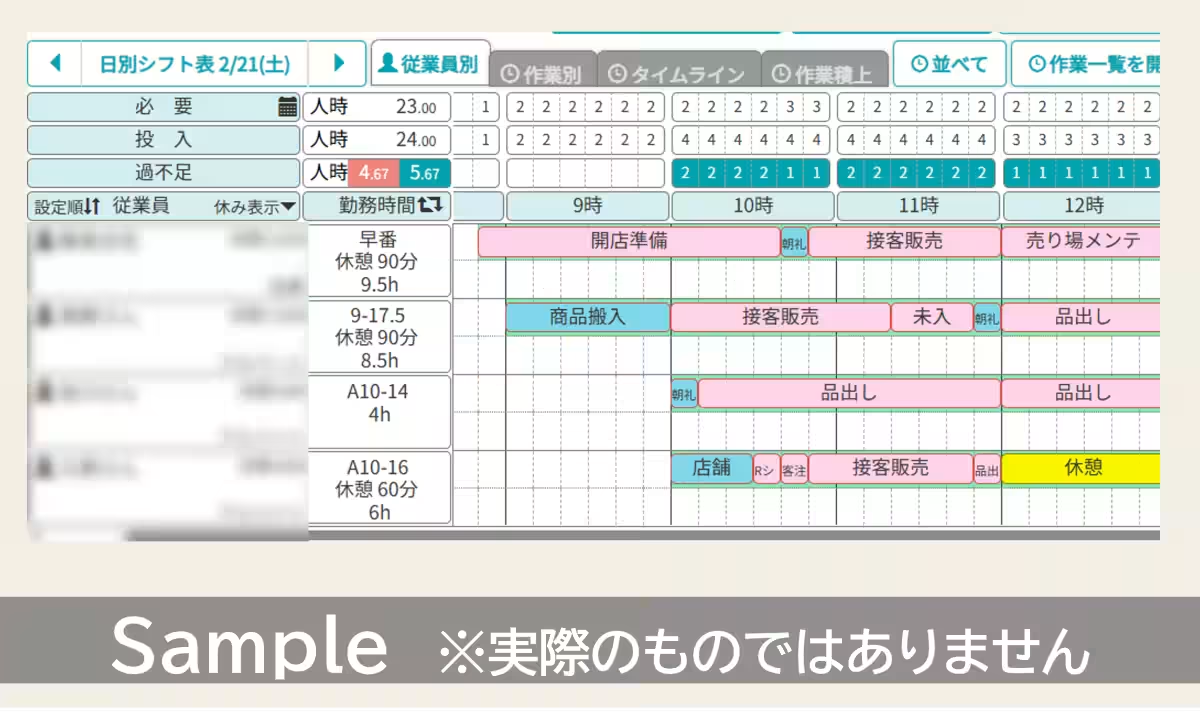
Yamashin has even gone a step further by color-coding daily task schedules based on location, distinguishing between tasks in customer-facing areas and those in the backroom. This strategy has heightened employee awareness of customer interaction time.
Yamashin’s goal is to achieve process optimization, rather than just staff reduction through visibility. The focus lies on identifying which operations consume the most time to better target areas for improvement. By dissecting overarching tasks into more detailed components, like splitting administrative work into transaction checks or cash register audits, pinpointing time-consuming processes allows Yamashin to develop effective corrective strategies. This granular approach ensures the operational synergy across all stores, empowering staff to steer improvement discussions. The intent is to utilize shift management as a catalyst for fostering communication and altering behaviors across the organization.






Background: Embracing Community Strength while Facing Challenges
Yamashin has always valued the importance of genuine human connection. By closely aligning with local workers, the company has created stores that not only serve their employees but also their customers. This community-oriented approach has allowed Yamashin to thrive locally, but it has also cultivated a conservative structure that resists change. The challenge lies in the deep-rooted operational methods that have been developed over many years. If a standardized approach is imposed suddenly across all stores, it tends to create friction among employees.
The operational methods employed by Yamashin differ significantly from centralized operations. Each store is given a budget, and store managers control the allocation of human resources, products, and finances. Although this grassroots operational model is a substantial asset in cultivating strong local outlets, it creates challenges when attempting to introduce standardized tools across all stores.
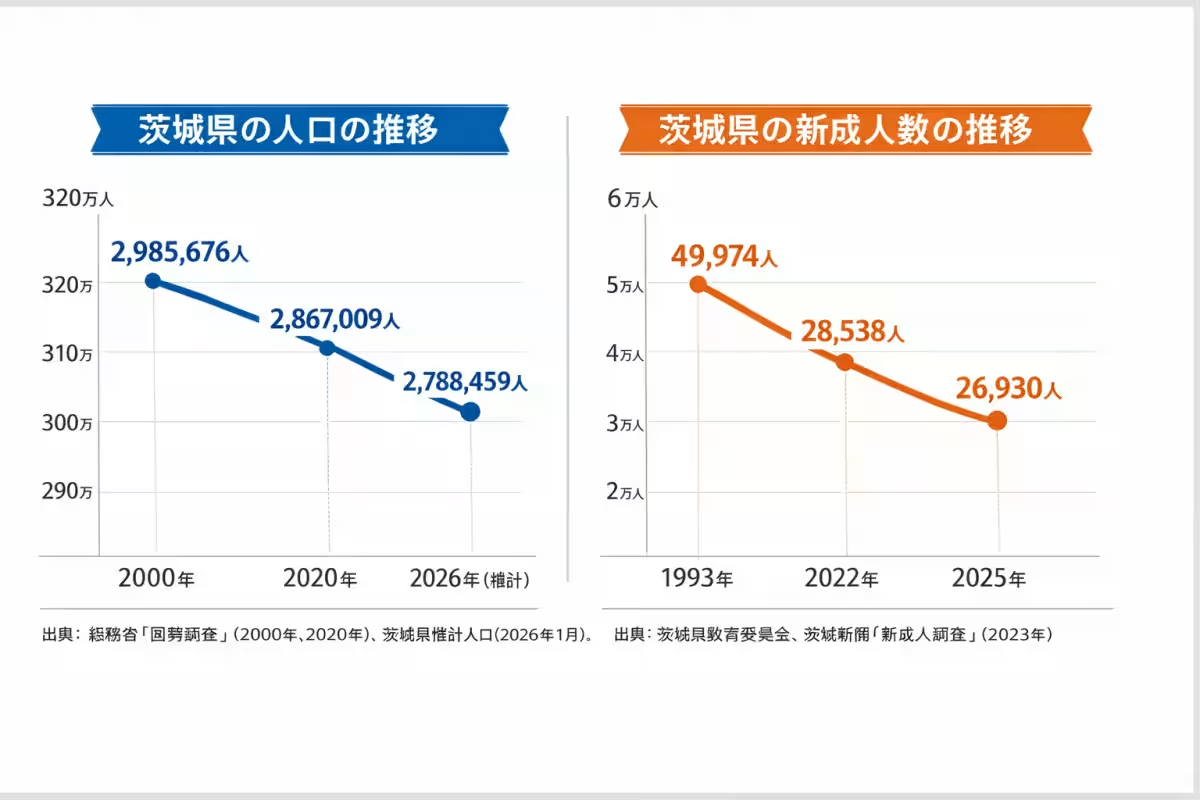
However, with long-term demographic shifts such as a declining labor force, aging population, and rising minimum wage, the environment is becoming increasingly urgent. Yamashin is acutely aware that failing to take action will lead to continued decline. From a management perspective, operational visualization and improvement are imperative. Nonetheless, a common concern among staff is that efficiency equates to workforce reduction. The need to protect local employment, retain as many staff as possible, and maintain high-quality customer service is fiercely held. For companies that are particularly passionate about these issues, initiatives for improvement tend to be misunderstood. Without addressing this dilemma, the utilization of shift management strategies can become a topic that remains stagnant.
Though Yamashin had contemplated shift improvement strategies since 2021, they struggled to take decisive action until more recently. Throughout their history, local businesses have thrived through employee knowledge and discretion. To forge a unified pathway across the entire company while preserving that strength, it was essential to establish a foundational agreement before discussing tools.
Presidential Announcement of Intent
A turning point occurred with Yamaguchi's appointment as president. He had long envisioned that, if "R-Shift" could be effectively utilized, it would transform the operational visibility on-site and translate into actionable improvements. However, determining which functionalities were genuinely useful and which operational methods were manageable at the store level could not be finalized solely via theoretical discussion. Therefore, Yamaguchi emphasized hands-on learning, adapting as necessary, and showcasing thorough implementation across the company.
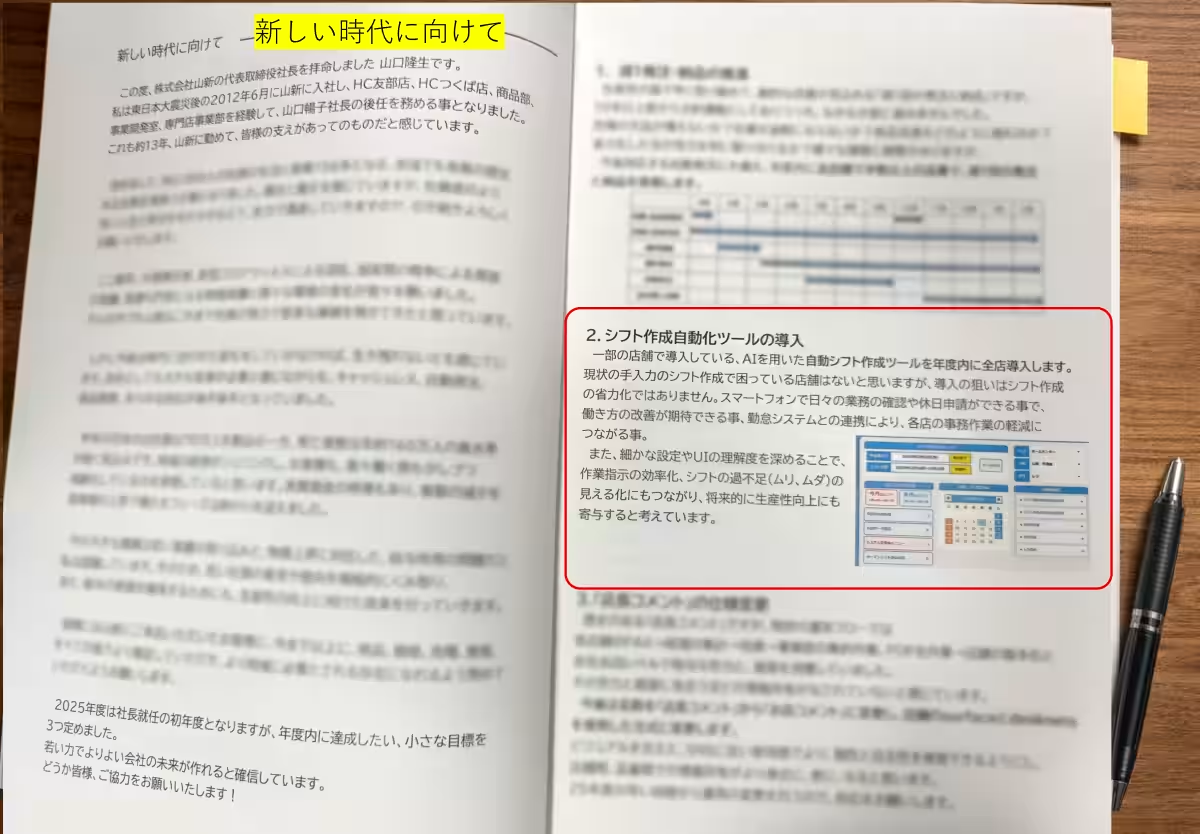
Yamaguchi's dedication was communicated to all staff at the time of his appointment in 2025. Rather than abruptly rolling out the system across all stores, the team began with selective initial implementations in certain cash registers to verify its functionality before expanding enterprise-wide.
One of the key figures in the validation process, Mr. Shiohara, focused on diverse store environments, identifying potential pitfalls, and addressing employee concerns about operational uncertainties. The insights gained from the pilot revealed that the barriers to implementation were more rooted in operational practices and understanding than in technological hurdles. Notably, there was a notable disparity in IT literacy among staff members, which meant that singular explanations and manuals were often ineffective. In fact, one administrative employee even inquired about alternative systems during the initial phases of deployment due to the low acceptance level.
"I quickly recognized that merely providing explanations wouldn’t be sufficient," Shiohara commented. "Given the varying circumstances of each store, standardized messaging often fails to resonate. We needed to articulate the anxieties expressed by the staff and address them one at a time."
Overcoming Misunderstandings
Resentment from front-line staff was not the only challenge. Skepticism also arose among management, with concerns like, "Are we reducing staff for efficiency's sake?" In addressing these misconceptions, Yamashin clarified the purpose behind their initiatives. The shift toward operational visualization was not intended to cut personnel; rather, it aimed to minimize mundane tasks, thus allowing staff to focus on customer service and meaningful decision-making.
As the validation progressed, Shiohara shifted his approach. Instead of attempting to conduct blanket training sessions across all stores, he adopted a more personalized, tutoring-style method to adapt to each store’s understanding and operational realities. The key to this initiative was not just the tool itself, but ensuring that the store staff could effectively manage the system in their own unique contexts.
Alongside Shiohara, another pivotal figure in this initiative was Mr. Watanabe. Together, they visited each store, gauging the emotional climate and conditions to tailor their explanations accordingly. They maintained a focus on in-person engagement while supplementing it with remote support through video meetings and calls as needed. This collaborative, two-pronged approach significantly accelerated the rollout of the system.
"Each store has its unique challenges," Watanabe noted. "By understanding the local context, we could adapt our communications effectively. The result was a quicker and more efficient expansion of the program across all outlets."
Discovering Reality in Usage
During the journey, the team made significant discoveries. Despite the system being designed to automate shifts, some stores had not even printed schedules. This paradox characterized a broader issue: while the system was technically in place, its operational use had not yet fully embedded within the day-to-day activities of the staff. Such realizations highlighted the necessity for this tailored, tutoring approach.
The Growing Impact of Shift Management
As utilization improved, shift management evolved from simple scheduling to serving as a critical foundation for progressing operations within stores. Key examples emerged from the Akatsuka store, which historically relied on a "product manager system"—a method assigning responsibility for multiple product categories even in smaller stores. This approach necessitated a multi-layered management structure involving store managers, assistant managers, and various department leads.
The store subsequently transitioned away from this intricate system, assigning responsibilities based on store location instead. By streamlining roles to focus on location-based tasks, the managerial hierarchy was simplified, leading to noticeable operational transformations. What had once been an idea stifled by cumbersome administrative processes was set into motion due to the implementation of more efficient shift management tools.
The Visual Approach to Tasks
The visibility of tasks also facilitated a culture of collaboration, as employees began to appreciate the importance of shared responsibilities. Prior misconceptions about the feasibility of fixed task directives evaporated as routine tasks became clearly defined. This visualization allowed staff to recognize the purpose behind the introduction of "R-Shift", fostering acceptance and swift adoption of improved practices.
Yamashin has even gone a step further by color-coding daily task schedules based on location, distinguishing between tasks in customer-facing areas and those in the backroom. This strategy has heightened employee awareness of customer interaction time.
A Future Focused on Optimal Human Engagement
Yamashin’s goal is to achieve process optimization, rather than just staff reduction through visibility. The focus lies on identifying which operations consume the most time to better target areas for improvement. By dissecting overarching tasks into more detailed components, like splitting administrative work into transaction checks or cash register audits, pinpointing time-consuming processes allows Yamashin to develop effective corrective strategies. This granular approach ensures the operational synergy across all stores, empowering staff to steer improvement discussions. The intent is to utilize shift management as a catalyst for fostering communication and altering behaviors across the organization.
Topics Consumer Technology)
【About Using Articles】
You can freely use the title and article content by linking to the page where the article is posted.
※ Images cannot be used.
【About Links】
Links are free to use.