



GATARI Revolutionizes Disaster Training with Immersive Sound Technology for Flood Scenarios
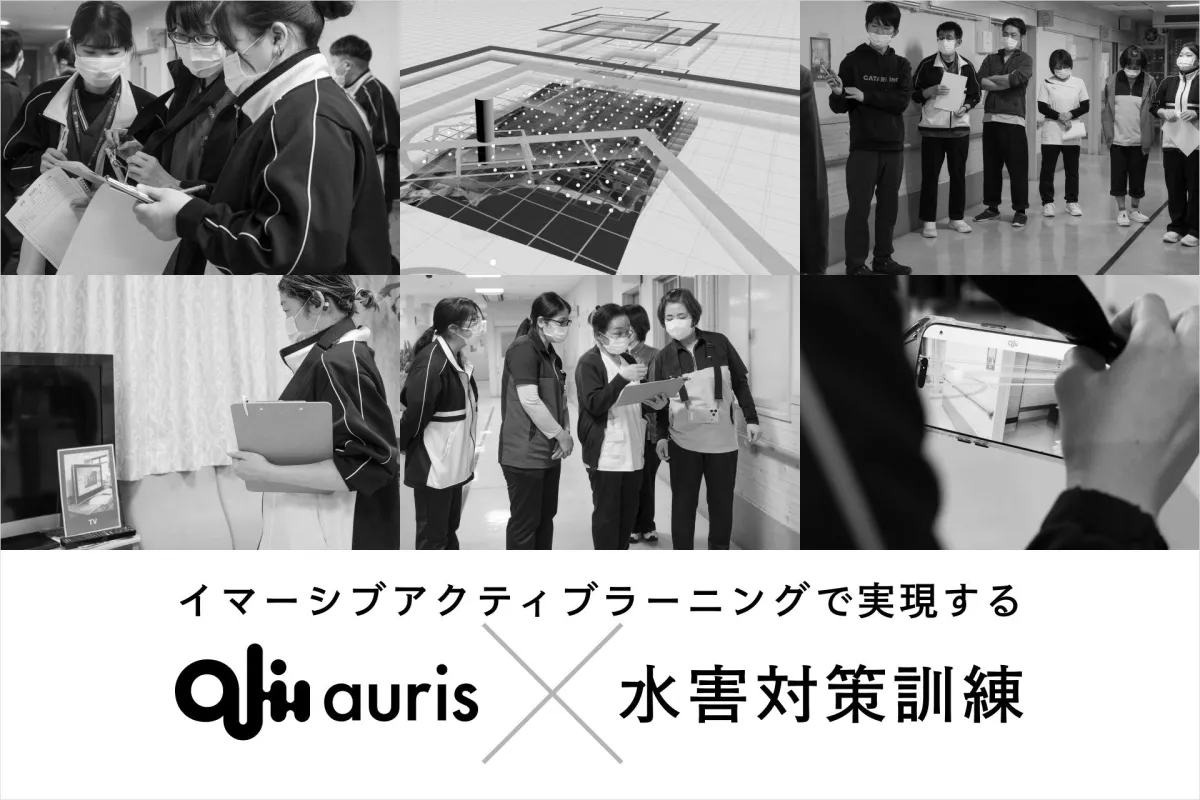
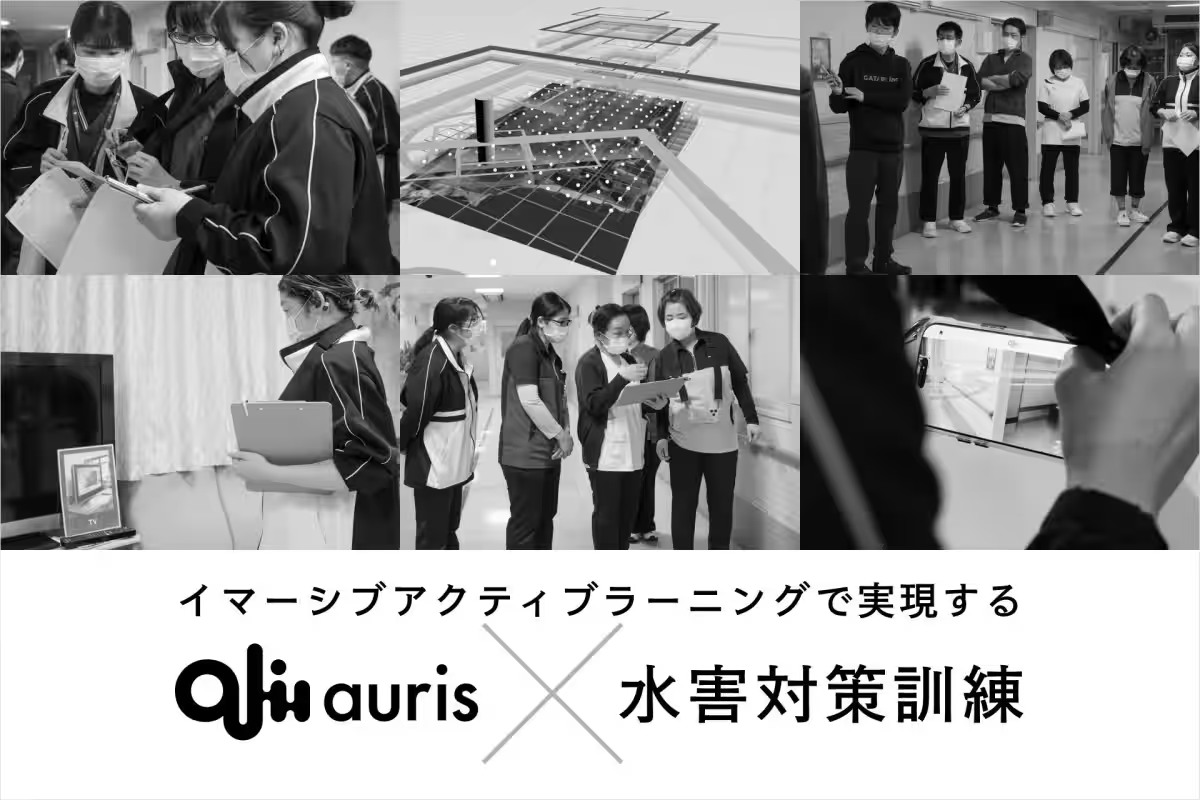
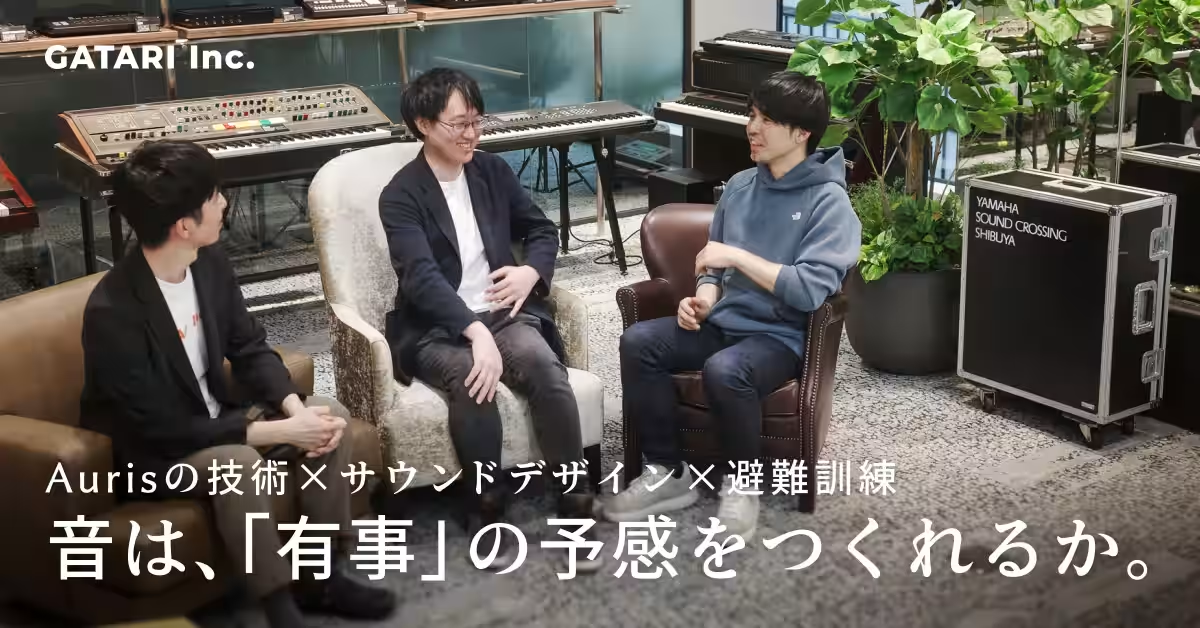
In March 2026, GATARI, headquartered in Chiyoda, Tokyo, implemented an immersive flood training program using their Mixed Reality (MR) platform, Auris. This initiative was part of Tokyo's "King Salmon Project" and took place in two elderly welfare facilities located in Katsushika Ward, an area at significant risk for flooding. This program brought to life the often-overlooked realities of flood emergencies through sound and immersive active learning techniques.
Historically, flood disaster trainings faced challenges that made practical implementation difficult. For elderly welfare facilities, where staff must make critical, concurrent decisions regarding both initial response to flooding and care for residents, the existing training formats were insufficient. Staff often struggled to visualize flood scenarios compared to more familiar disasters like fires or earthquakes. Training typically revolved around tabletop exercises, leading to a lack of accumulated knowledge and preparedness when real situations arose.
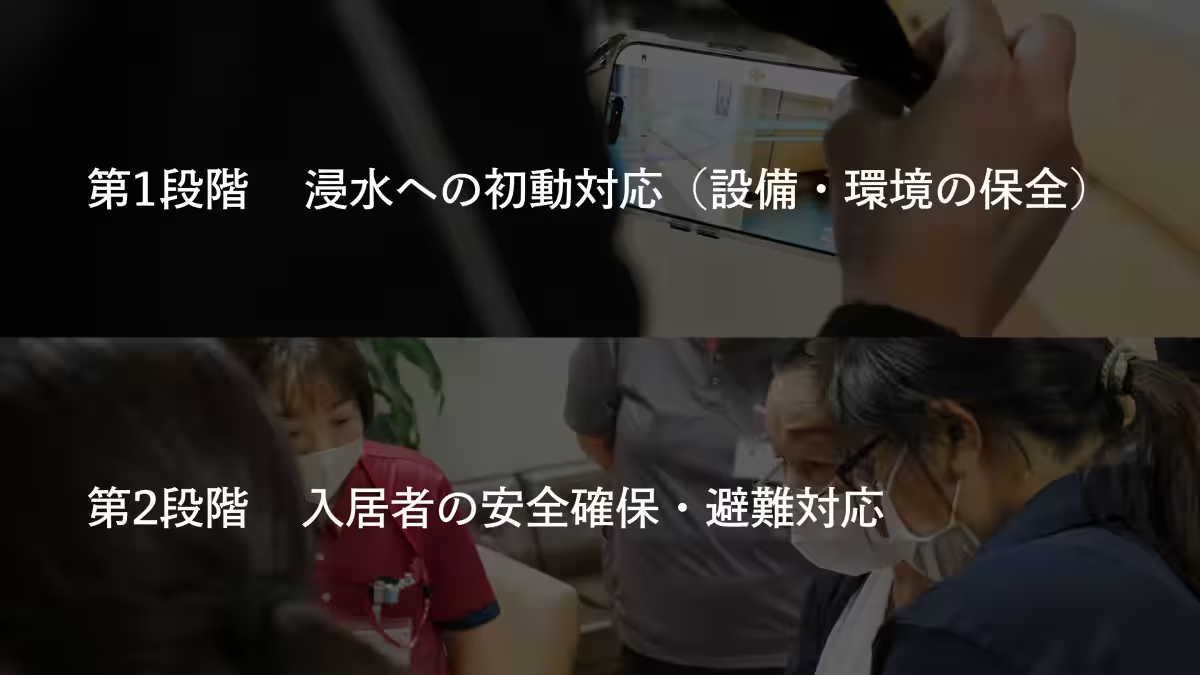
According to the Katsushika Ward hazard map, flooding risks vary from 0.1m to as high as 5.0m in some areas. This underscores a pressing need for rigorous training in facilities located in flood-prone regions. To address the critical first response phase for these facilities, GATARI designed training sessions focusing on initial flood response that emphasized preserving infrastructure and environmental safety.
This recent training session was uniquely conceived with two primary objectives:
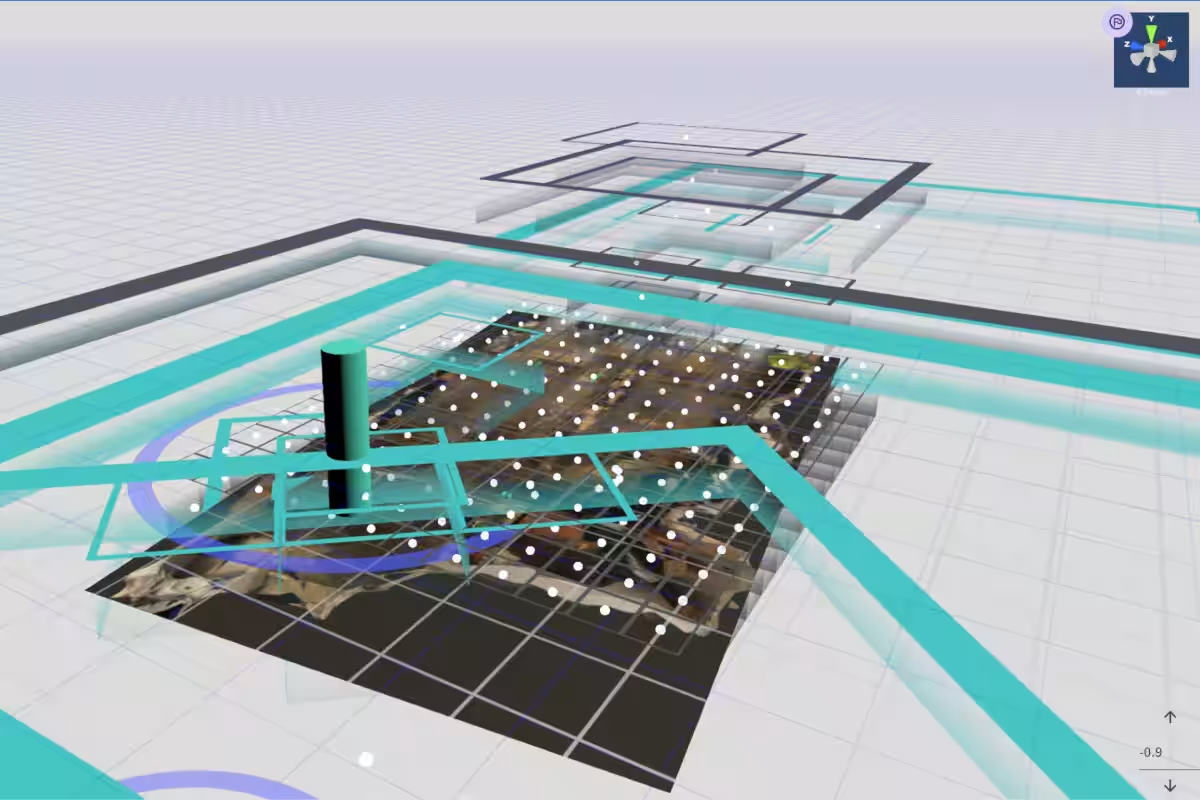
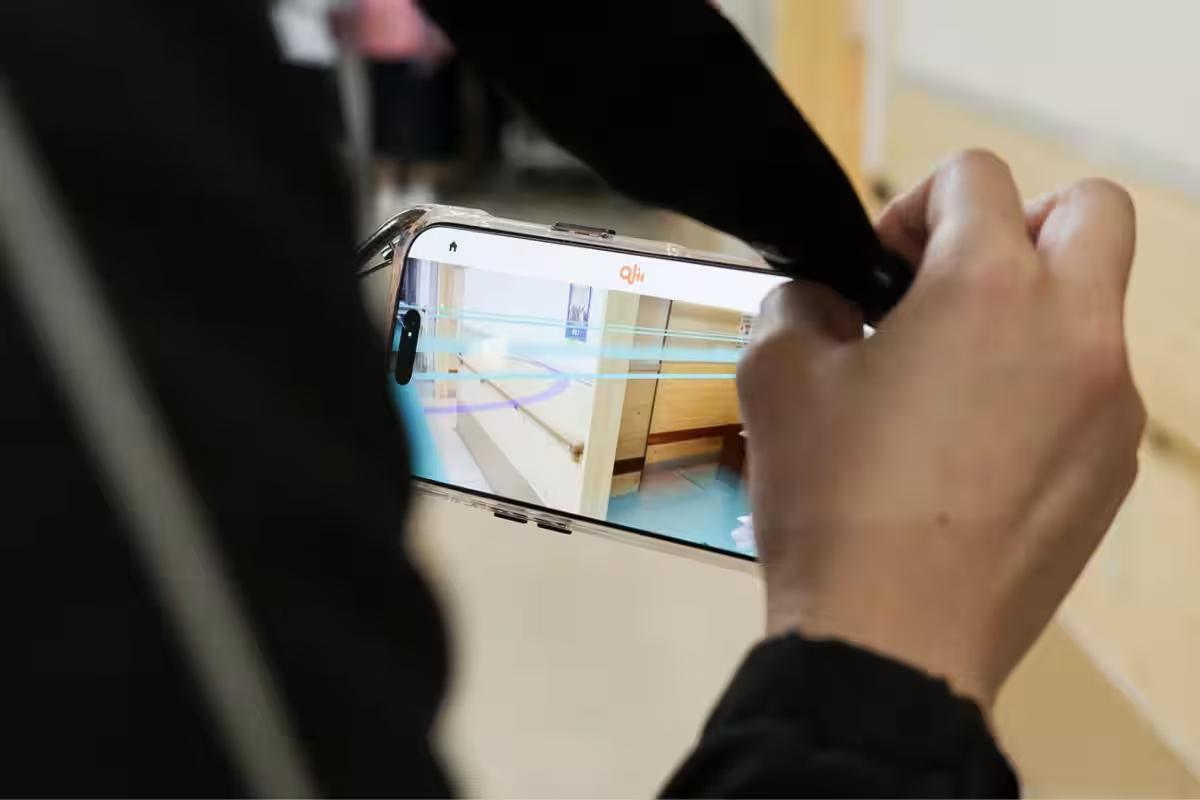
The simulation incorporated realistic soundscapes, such as intensifying rain and the auditory experience of walking through water-filled corridors. This sound design prompted participants to engage physically, whether it be walking, switching directions, or crouching, thereby fostering a proactive learning approach. As a result, the facilities' usual corridors transformed into authentic flood scenarios, igniting a desire for active participation amongst trainees.
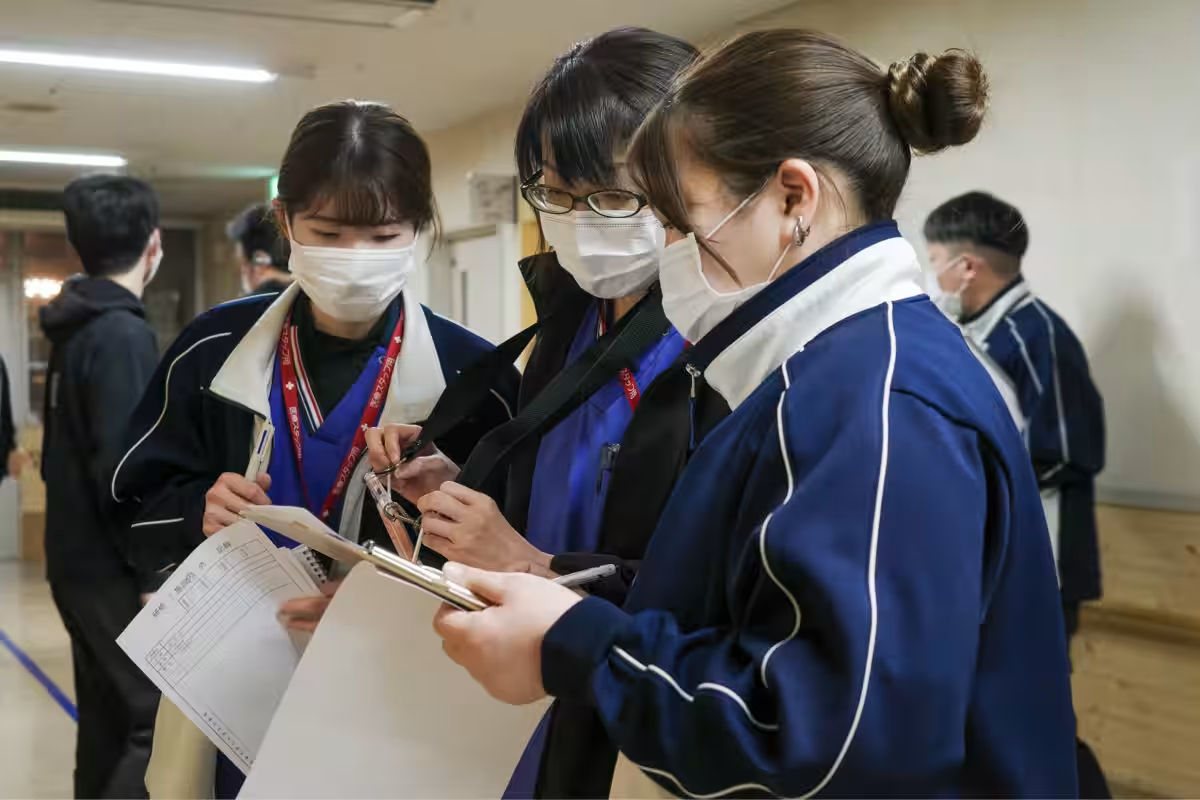
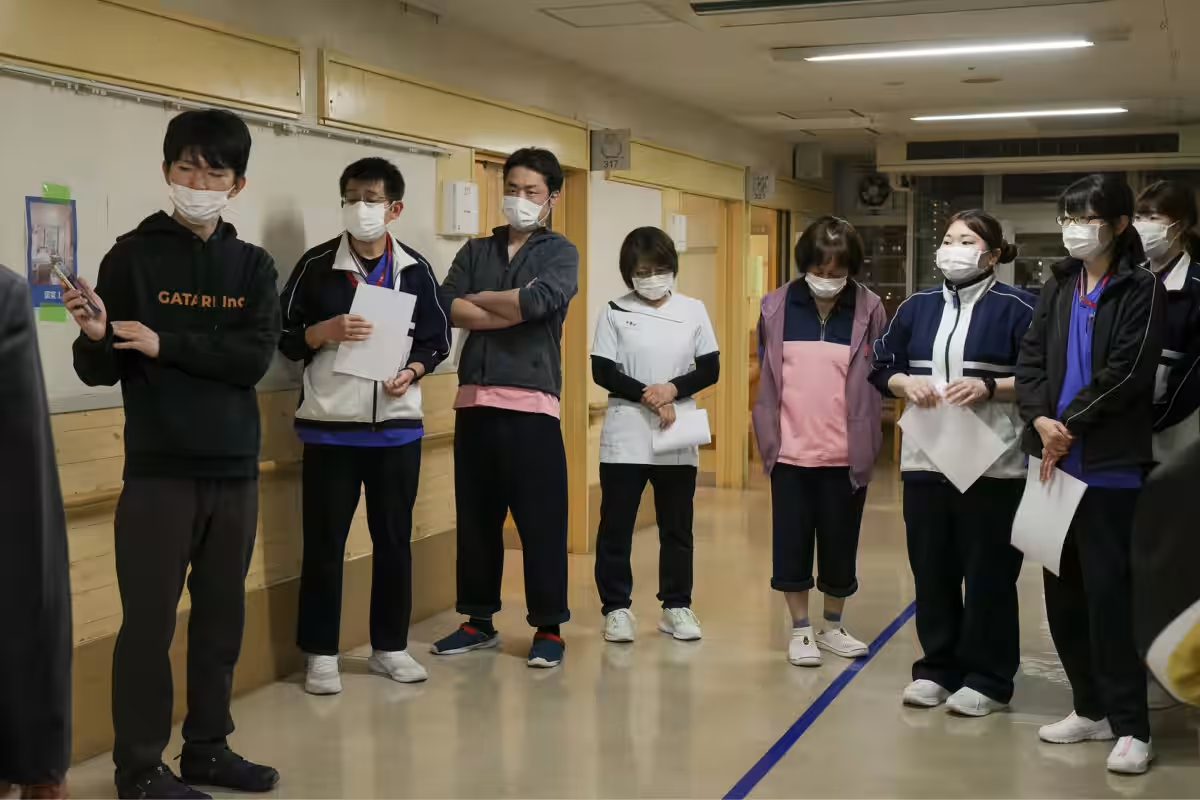
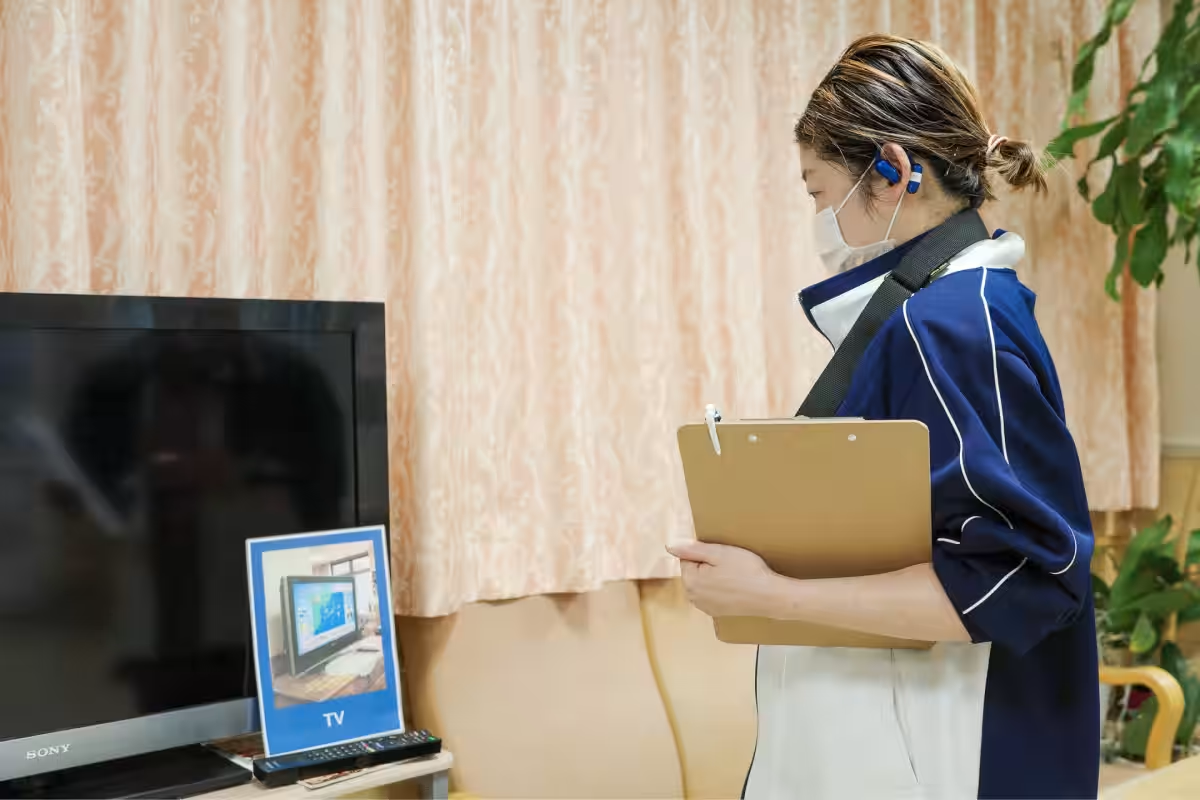
During the drills, participants were guided through the essential tasks required for effective disaster management, such as identifying potential flood pathways, assessing preventative measures, and checking food supplies. Working in groups of three, staff followed real-time audio cues from Auris while moving throughout the facility, completing worksheets as they assessed weather conditions and prepared for potential evacuation processes. In one distinguishing moment, approaching an exit door, participants could hear howling winds simulated by Auris, prompting one staff member to vocally confirm they were closing the door. This newfound recognition of the door as a "critical safety point" illustrated the impactful lessons learned during the training.
Equally striking was their response to potential sewage overflow during floods. Participants learned how to use sandbags for preventing sewage backups, with Auris providing real-time instructions as they squatted to handle the bags, leading to revelations and discussions around flood preparedness.
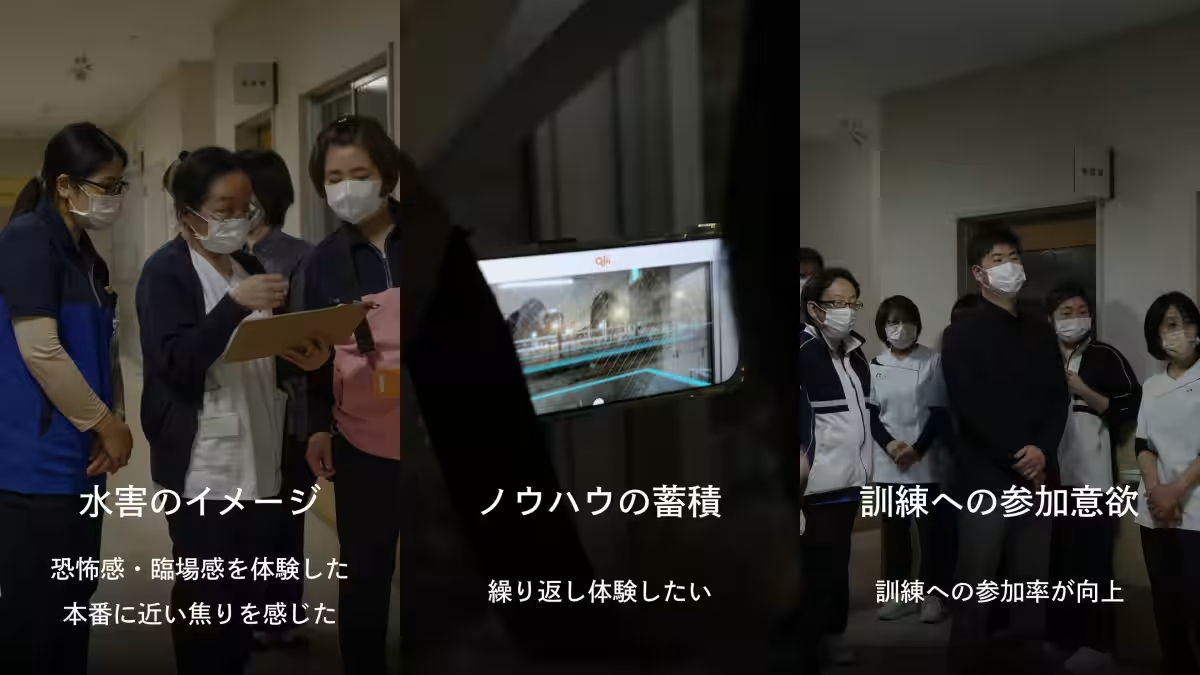
Post-training feedback was overwhelmingly positive; nearly 80% of participants reported experiencing feelings of fear and presence that they did not obtain from traditional tabletop training exercises. Many expressed a desire for repeated experiences, highlighting higher engagement levels in the preparations for actual disasters. Moreover, the training sparked proactive conversations among staff about improving their own protocols, emphasizing the necessity of disaster preparedness beyond just the immediate procedures.
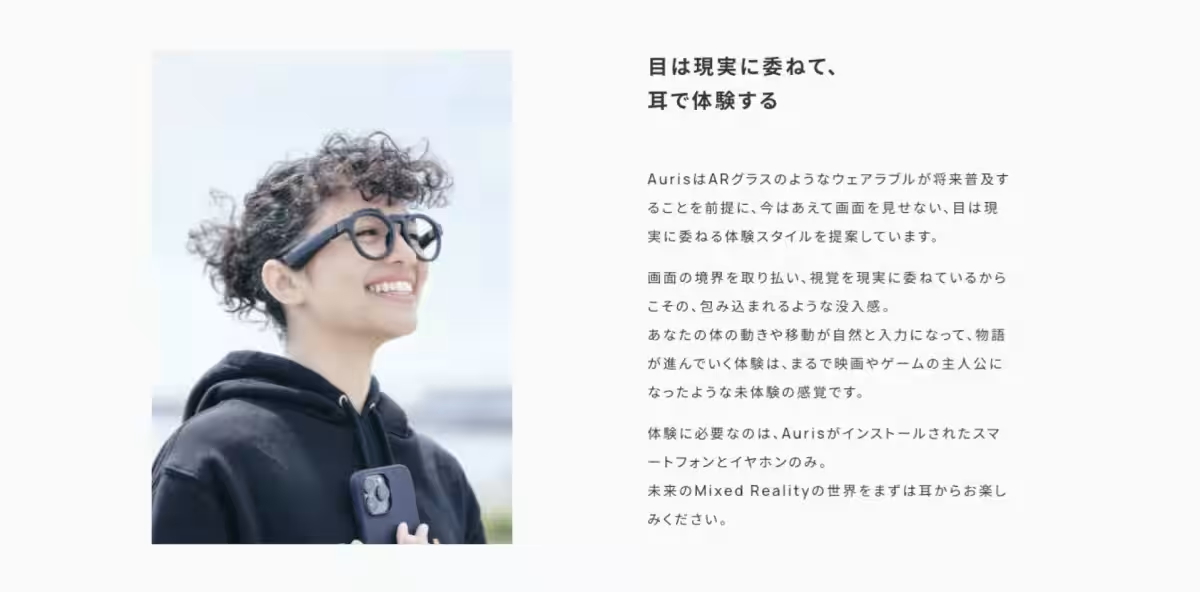
This immersive active learning experience can extend beyond elderly care facilities to various sectors, such as schools, hospitals, and corporate environments. With Auris’ app and headphones, the training can be adapted for individuals, ensuring consistent disaster preparedness routines without requiring significant time blocks.
GATARI continues to push the boundaries of what immersive technology in disaster training can achieve, blending the digital with the real, and fostering a culture of preparedness across different communities.
As stated by officials from the Tokyo Metropolitan Government, using acoustic elements in training enhances participants' awareness and understanding of flood scenarios. They emphasize the importance of practical scenario-based roles in comprehensive disaster preparedness training. The capabilities demonstrated by GATARI's training initiatives exemplify the future of disaster education that synchronizes sound, action, and real-world application, paving the way for a safer, more informed population in times of crisis.
To learn more about the innovative mixed reality platform Auris or to access the behind-the-scenes discussions on its development, please visit GATARI's official website.
Historically, flood disaster trainings faced challenges that made practical implementation difficult. For elderly welfare facilities, where staff must make critical, concurrent decisions regarding both initial response to flooding and care for residents, the existing training formats were insufficient. Staff often struggled to visualize flood scenarios compared to more familiar disasters like fires or earthquakes. Training typically revolved around tabletop exercises, leading to a lack of accumulated knowledge and preparedness when real situations arose.
According to the Katsushika Ward hazard map, flooding risks vary from 0.1m to as high as 5.0m in some areas. This underscores a pressing need for rigorous training in facilities located in flood-prone regions. To address the critical first response phase for these facilities, GATARI designed training sessions focusing on initial flood response that emphasized preserving infrastructure and environmental safety.
This recent training session was uniquely conceived with two primary objectives:
- - To enhance the realism of flood scenarios through the use of sound, allowing participants to gauge their surroundings based on auditory cues.
- - To create an engaging learning process where participants' actions actively progressed the training scenarios and deepened their understanding through physical involvement.
The simulation incorporated realistic soundscapes, such as intensifying rain and the auditory experience of walking through water-filled corridors. This sound design prompted participants to engage physically, whether it be walking, switching directions, or crouching, thereby fostering a proactive learning approach. As a result, the facilities' usual corridors transformed into authentic flood scenarios, igniting a desire for active participation amongst trainees.
During the drills, participants were guided through the essential tasks required for effective disaster management, such as identifying potential flood pathways, assessing preventative measures, and checking food supplies. Working in groups of three, staff followed real-time audio cues from Auris while moving throughout the facility, completing worksheets as they assessed weather conditions and prepared for potential evacuation processes. In one distinguishing moment, approaching an exit door, participants could hear howling winds simulated by Auris, prompting one staff member to vocally confirm they were closing the door. This newfound recognition of the door as a "critical safety point" illustrated the impactful lessons learned during the training.
Equally striking was their response to potential sewage overflow during floods. Participants learned how to use sandbags for preventing sewage backups, with Auris providing real-time instructions as they squatted to handle the bags, leading to revelations and discussions around flood preparedness.
Post-training feedback was overwhelmingly positive; nearly 80% of participants reported experiencing feelings of fear and presence that they did not obtain from traditional tabletop training exercises. Many expressed a desire for repeated experiences, highlighting higher engagement levels in the preparations for actual disasters. Moreover, the training sparked proactive conversations among staff about improving their own protocols, emphasizing the necessity of disaster preparedness beyond just the immediate procedures.
This immersive active learning experience can extend beyond elderly care facilities to various sectors, such as schools, hospitals, and corporate environments. With Auris’ app and headphones, the training can be adapted for individuals, ensuring consistent disaster preparedness routines without requiring significant time blocks.
GATARI continues to push the boundaries of what immersive technology in disaster training can achieve, blending the digital with the real, and fostering a culture of preparedness across different communities.
As stated by officials from the Tokyo Metropolitan Government, using acoustic elements in training enhances participants' awareness and understanding of flood scenarios. They emphasize the importance of practical scenario-based roles in comprehensive disaster preparedness training. The capabilities demonstrated by GATARI's training initiatives exemplify the future of disaster education that synchronizes sound, action, and real-world application, paving the way for a safer, more informed population in times of crisis.
To learn more about the innovative mixed reality platform Auris or to access the behind-the-scenes discussions on its development, please visit GATARI's official website.
Topics Other)
【About Using Articles】
You can freely use the title and article content by linking to the page where the article is posted.
※ Images cannot be used.
【About Links】
Links are free to use.