



New Generation of Grave Instructors Emerges Across Japan
New Generation of Grave Instructors Emerges Across Japan
A significant development in Japan's cultural landscape has taken place with the emergence of 32 newly qualified grave instructors through Zen’yuseki, an organization comprising about 200 stone dealerships nationwide. This initiative aims to educate consumers on grave-related topics, helping them navigate the often complex and emotional world of memorialization.
The instructor qualification program is not just a title; it embodies a role as a “storyteller” about graves. Trained staff from stone dealerships have undergone extensive training to become adept at explaining grave-related matters clearly to consumers. The brainchild of Yoshida Takashi, the honorary president and founder of Zen’yuseki, this program began as a free lecture series that spanned over 30 years, attracting more than 20,000 people at over 400 venues across the country.
Grave Seminars: What to Expect
The seminars, which have transitioned to an on-demand format since last November, were designed to maintain the legacy of grave education. Participants must complete the seminar and pass a rigorous test, which comprises 50 questions aimed at validating their knowledge and understanding of gravestones and burial practices. For example, participants might encounter statements like the legality of keeping ashes at home or the evolution of burial customs throughout Japanese history.
Notably, the certification process tests candidates on both common knowledge and nuanced details that are vital in the grave industry. As the new instructors complete their training, they are now actively organizing grave seminars across various regions, addressing common queries and contemporary concerns regarding burial options.
The Changing Landscape of Burials
Recent seminars have covered diverse burial topics, including traditional graves, scattering ashes, and tree burials. In our increasingly diverse society, the discussion around the significance of graves has evolved. Today’s seminars highlight the emotional facets of creating a personal and meaningful memorial for loved ones, emphasizing “dialogue with the deceased” as a core component of our burial customs.
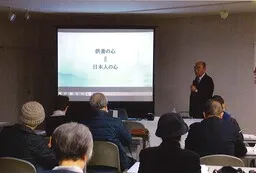
The seminars also reflect changing societal dynamics, such as the challenges posed by aging populations and nuclear family structures. For instance, during a recent seminar held in Saitama for clients of a local financial institution, the presenter delved into modern graves' significance and challenged attendees to rethink their approach to burial practices in light of societal changes.
Participants ranged from their 50s to their 90s, indicating a pressing need to address these concerns realistically. Many attendees expressed interest in understanding their options regarding the relocation of graves or refurbishing existing memorials. Feedback suggested that although many have reservations about approaching stone dealers, attending a non-industry seminar provided a comfortable avenue for engaging with these challenges.
Facilitating Consultation and Support
As interest in these seminars grows, Zen’yuseki is extending its offerings to banks, insurance companies, and local groups seeking to host sessions on grave education. Interested organizations can easily reach out to the Zen’yuseki office to arrange bespoke seminars tailored to their audience's needs. This initiative signifies a move toward demystifying the topic of graves in contemporary society and equipping future generations with the knowledge needed to make informed decisions.
With the evolution of burial practices and the increased dissemination of information via the internet, these seminars maintain a crucial aspect of personal interaction. The direct engagement allows attendees to voice their questions and concerns, enhancing their understanding of these deeply personal matters.
For more information on hosting a seminar or consultation, organizations can contact:
Zen’yuseki Office
141-0021, 2-7-15 Kamioozaki, Shinagawa, Tokyo, Japan
Phone: 03-5423-4014
Email: zen’[email protected]
The legacy of grave education continues to thrive, ensuring that memorialization remains a significant aspect of Japanese culture for generations to come.
Topics People & Culture)
【About Using Articles】
You can freely use the title and article content by linking to the page where the article is posted.
※ Images cannot be used.
【About Links】
Links are free to use.