




Challenges and Innovations in Construction Materials Leasing: Why Paper and Faxes Still Dominate
The Persistence of Traditional Methods in Construction
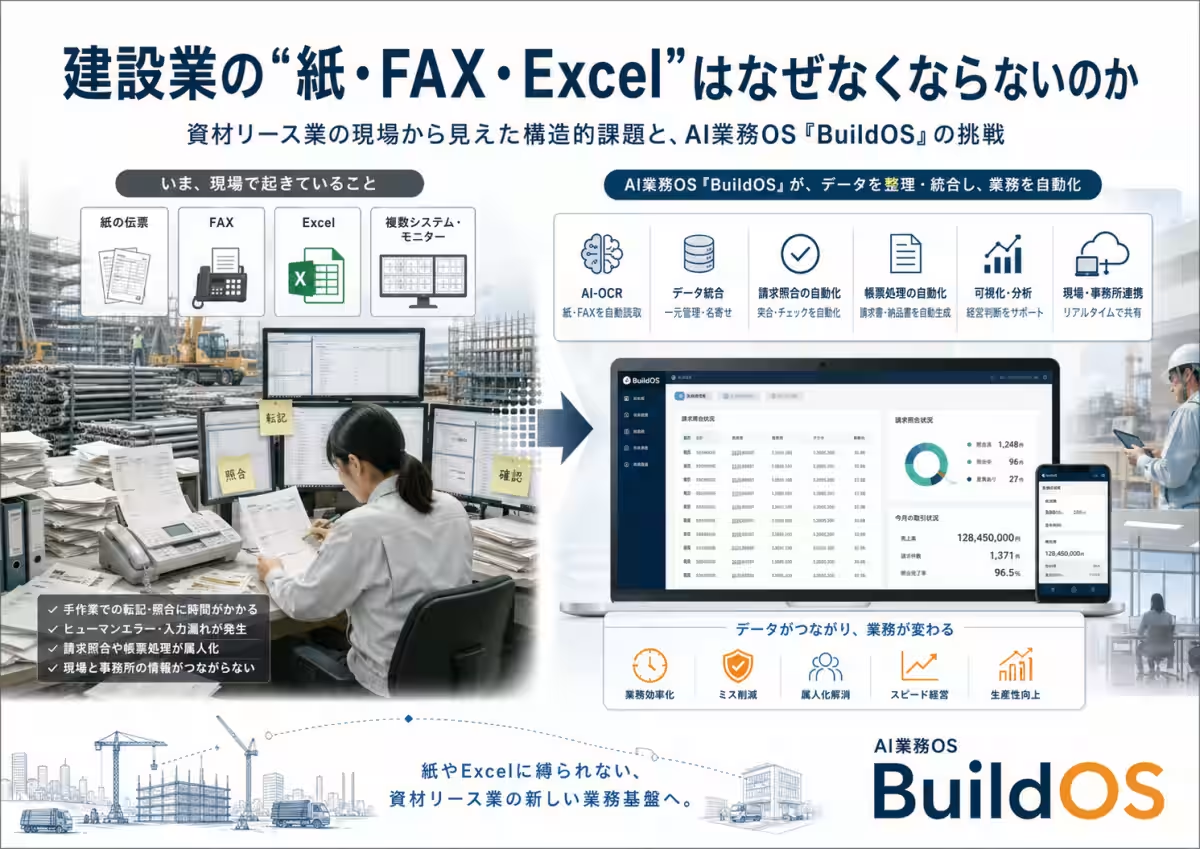
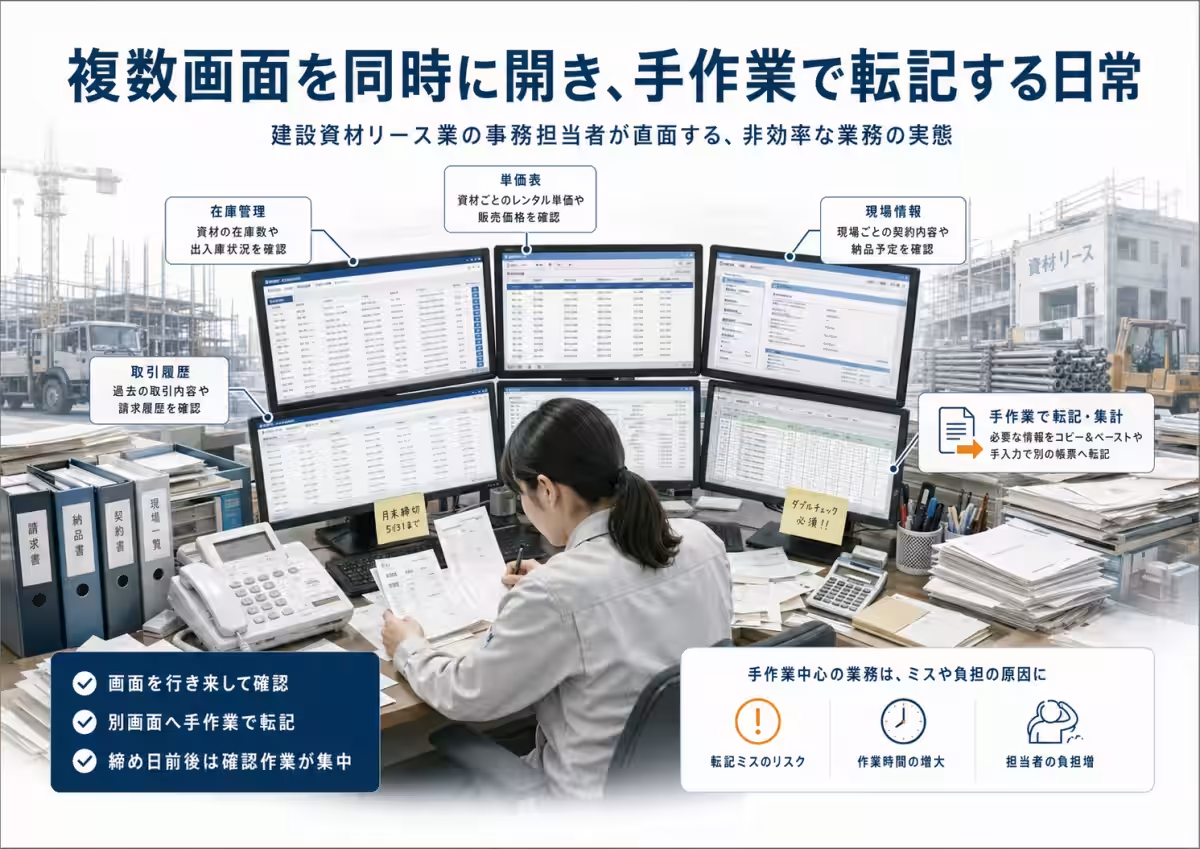
The use of paper, fax, and Excel in the construction industry is often met with skepticism, yet these methods remain prevalent, particularly in materials leasing companies. During a recent visit to a material leasing office, it was striking to observe the numerous screens and tabs open on the desks of the office staff. Tasks like inventory management, pricing, site information, and transaction histories often required manual input, leading to a time-consuming and laborious process.
One staff member lamented, "Even checking a single price takes considerable time. While experienced personnel can navigate the process smoothly, newly hired employees face an uphill battle to reach full productivity."
This reliance on several interactions with multiple tabs entails constant back-and-forth movements within the system. Additionally, this leasing firm engages with numerous contractors and construction firms, processing vast amounts of incoming and outgoing materials daily across different regions of the country.
The most labor-intensive tasks involve reconciling inventory and processing discrepancies, which require detail-oriented attention to track vast amounts of transactional data for accuracy. This process continues to present challenges, where seemingly simple manual entries can lead to a cascade of complications if errors are found post-check.
The Risk of Over-Reliance on Specific Individuals
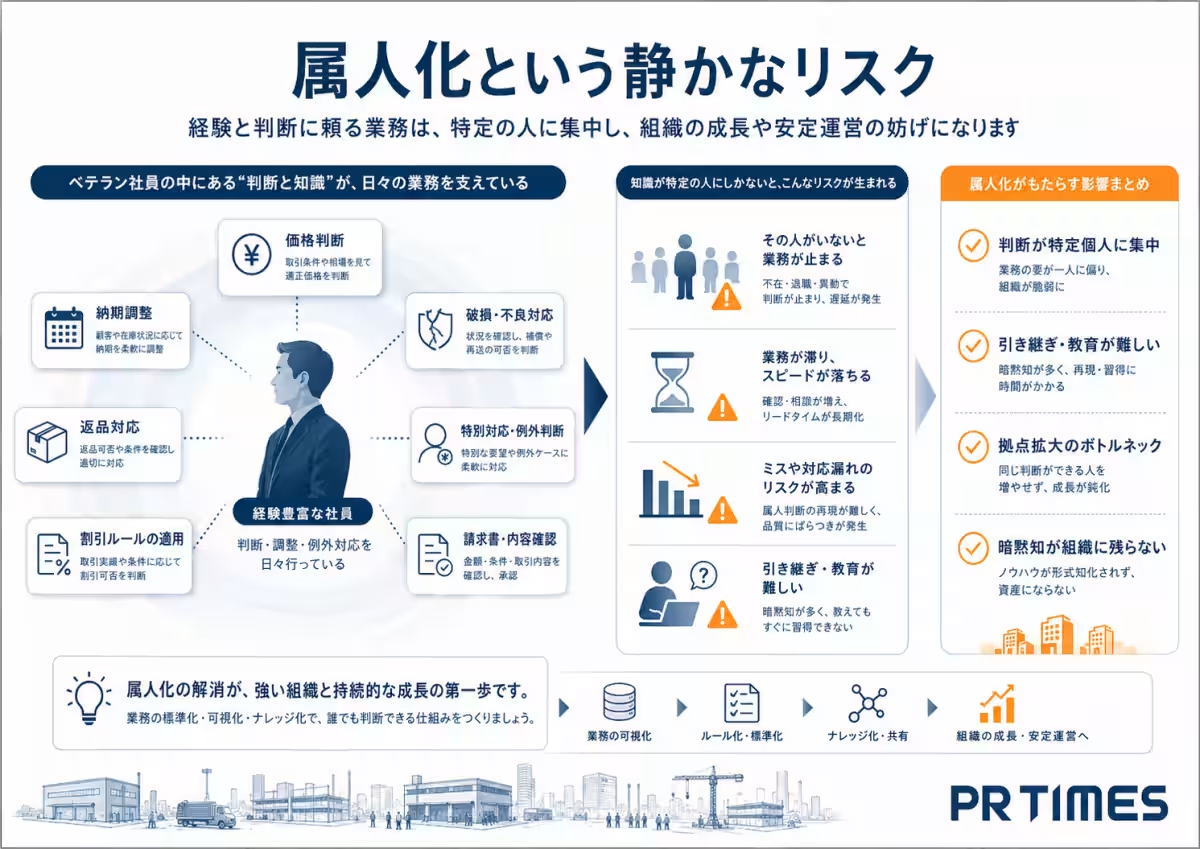
Throughout the interviews, a common theme emerged: the issue of over-reliance on specific individuals within organizations. Critical decision-making often falls heavily on select people, rendering training and role transitions arduous. This situation is compounded by the various exceptions to rules based on different business practices and expectations set by each contractor.
Contractors have differing pricing structures and calculating methodologies, making it difficult to streamline the process. For instance, some might utilize daily calculations while others favor monthly assessments. These subtle nuances, along with historical issues leading to specific verification procedures, can contribute to a collective reliance on individual expertise rather than shared knowledge.
Such a dependence poses significant risks, especially in terms of scalability. Senior management has recognized that reliance on specific individuals is currently the largest bottleneck to organizational expansion. If a knowledgeable team member falls ill or changes roles, it can stall operations, leading to significant setbacks.
Three Barriers to Digitalization in the Construction Industry
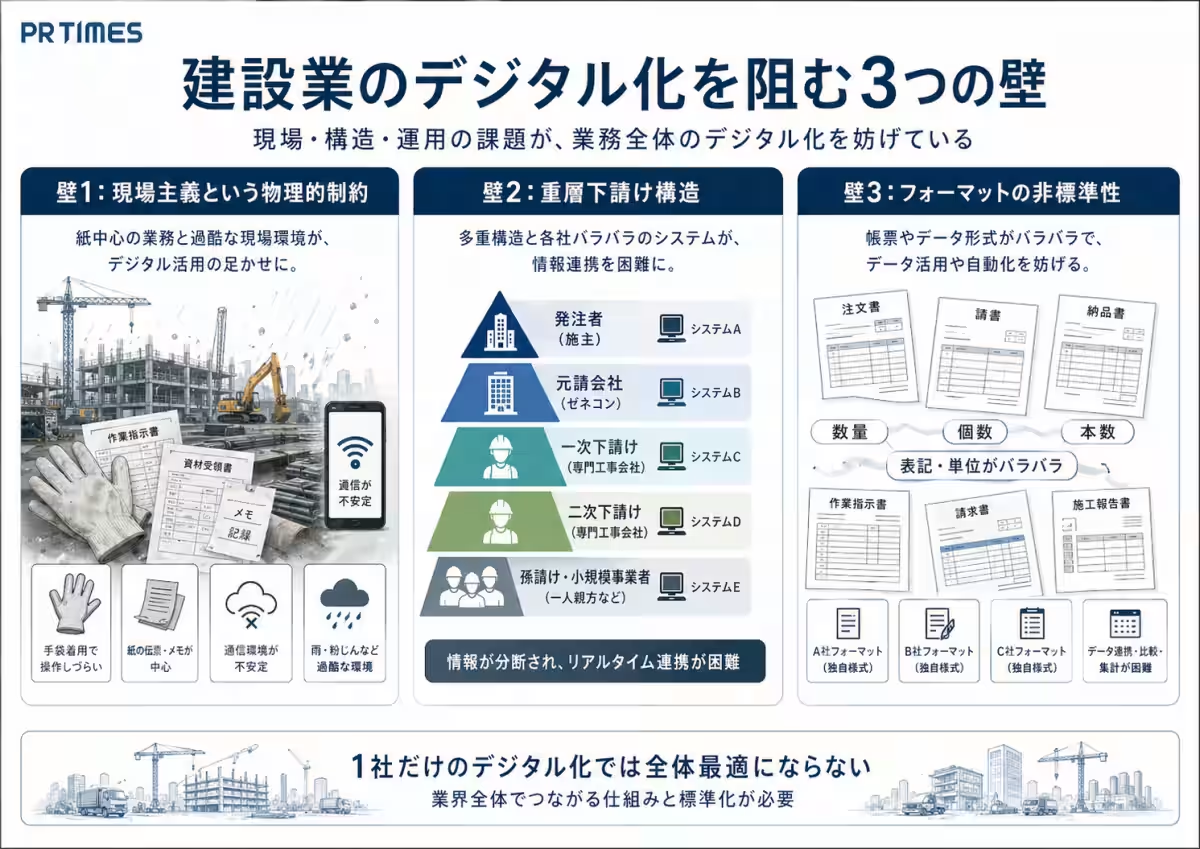
The challenges experienced in one firm are indicative of broader systemic issues throughout the construction sector. The following barriers have been identified, inhibiting the shift towards digitalization:
1. Physical Constraints of Site-Based Work
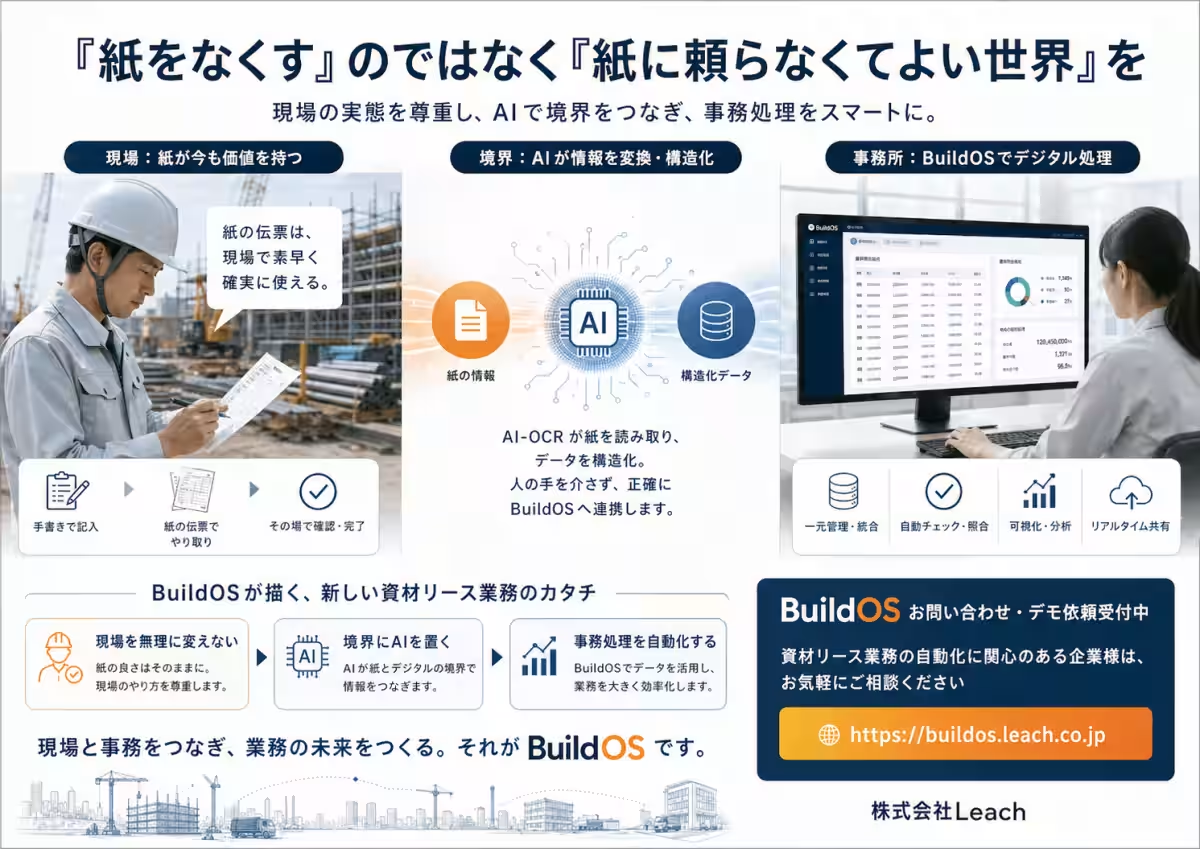
The nature of construction work itself is physically demanding and often takes place in environments where technology cannot seamlessly integrate. Handwritten notes are often preferred because they can be produced while wearing gloves and with no electronic devices.
2. Multi-Tiered Subcontracting Structure
The construction industry typically features numerous layers of subcontracting, leading to a disparity in technology adoption levels. The primary contractors may utilize advanced systems, while smaller subcontractors may not even have internet connectivity. This creates a reliance on shared methods such as paper and fax, which complicates the digital transition.
3. Lack of Standardization
The proliferation of non-standardized formats complicates interactions, resulting in manual entries that carry a significant risk of error. Inconsistent definitions for similar terms across various transaction formats make it challenging to automate processes.
The Urgency Amidst External Pressures
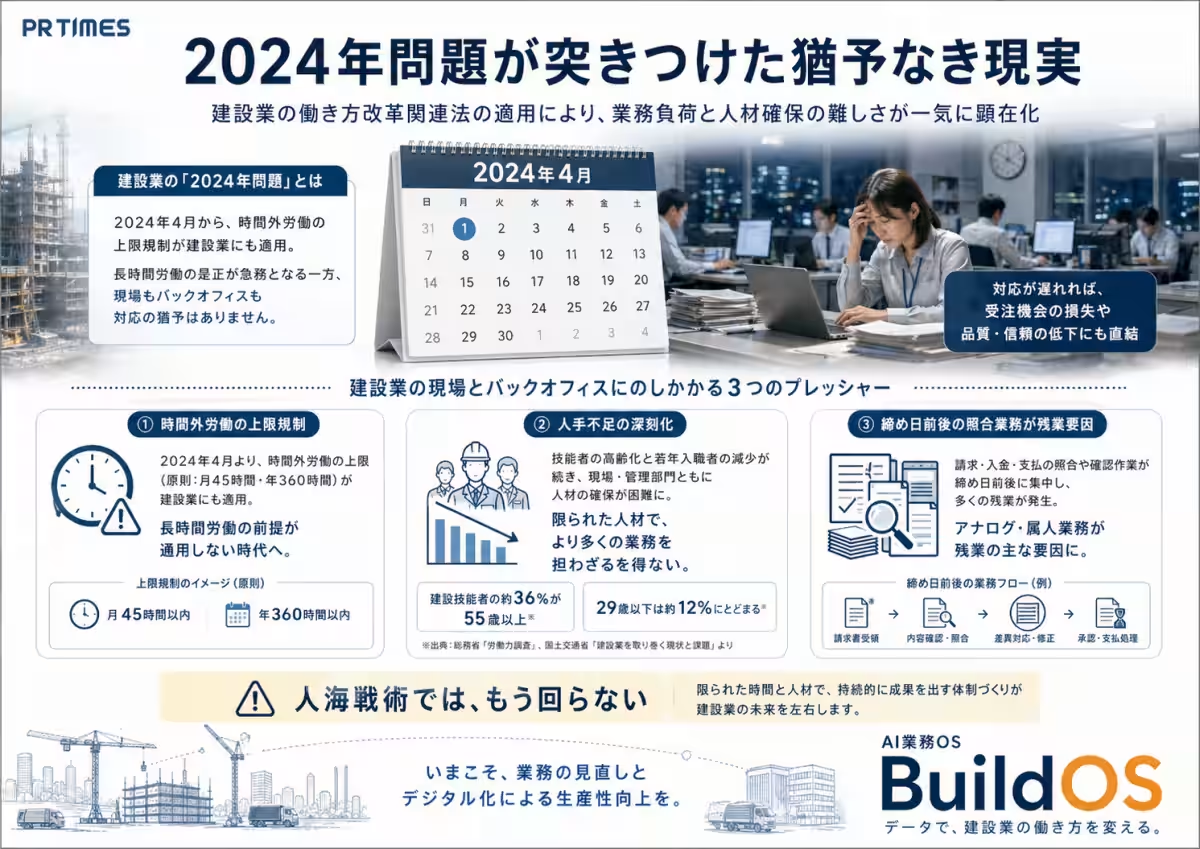
With the impending implementation of work hour regulations in April 2024, the construction industry is facing increased pressure to adapt. The average work hours in construction exceed those of other sectors, with evident inefficiencies within administrative tasks piling up on the burden of individual workers. The introduction of a cap on overtime prompts firms to rethink operational efficiencies.
The construction workforce is aging, and with fewer younger workers entering the field, the pressure mounts on existing employees as workforces shrink. The demand for streamlined processes is more significant than ever.
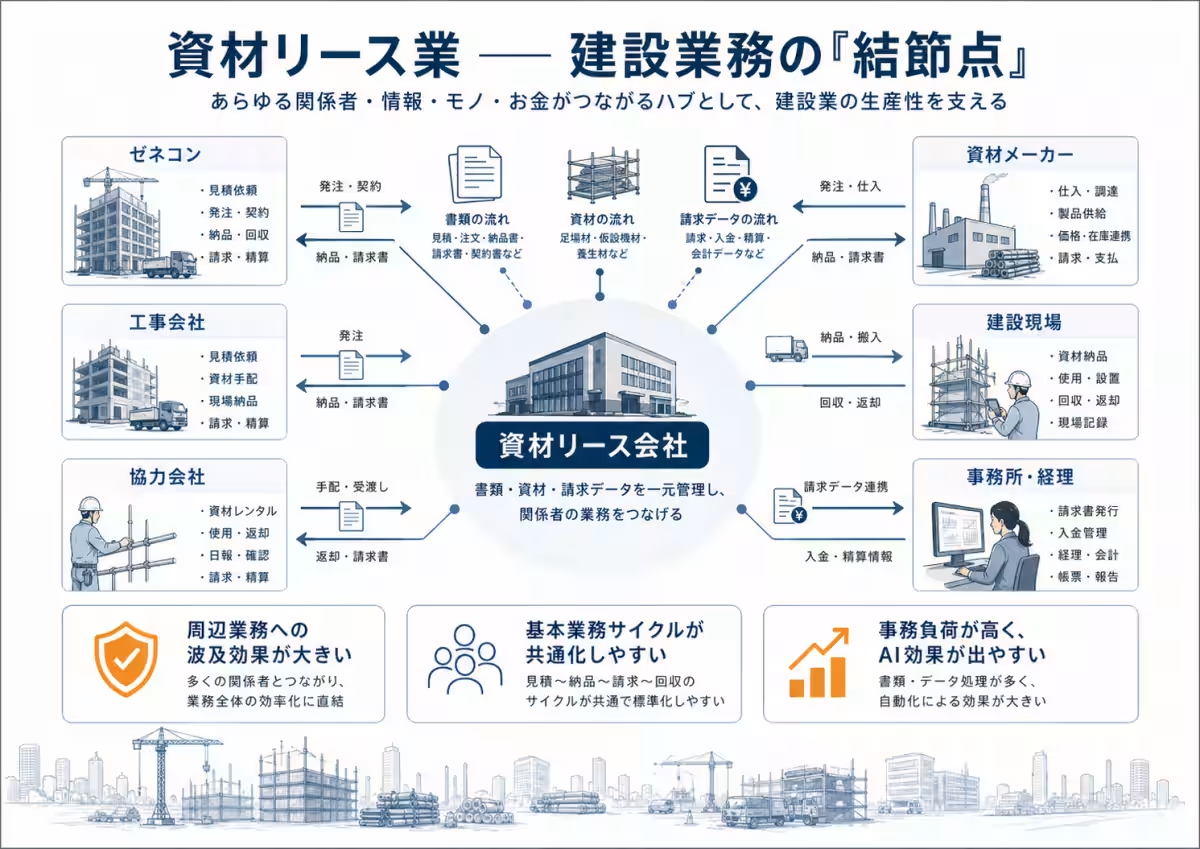
Looking towards the future, materials leasing firms occupy a pivotal junction in the construction industry, offering potential for digitalization to drive wider changes across the market. These companies handle diverse relationships daily, making improvements in their operations a stepping stone for broader industry transformation.
BuildOS: A Transformative Solution
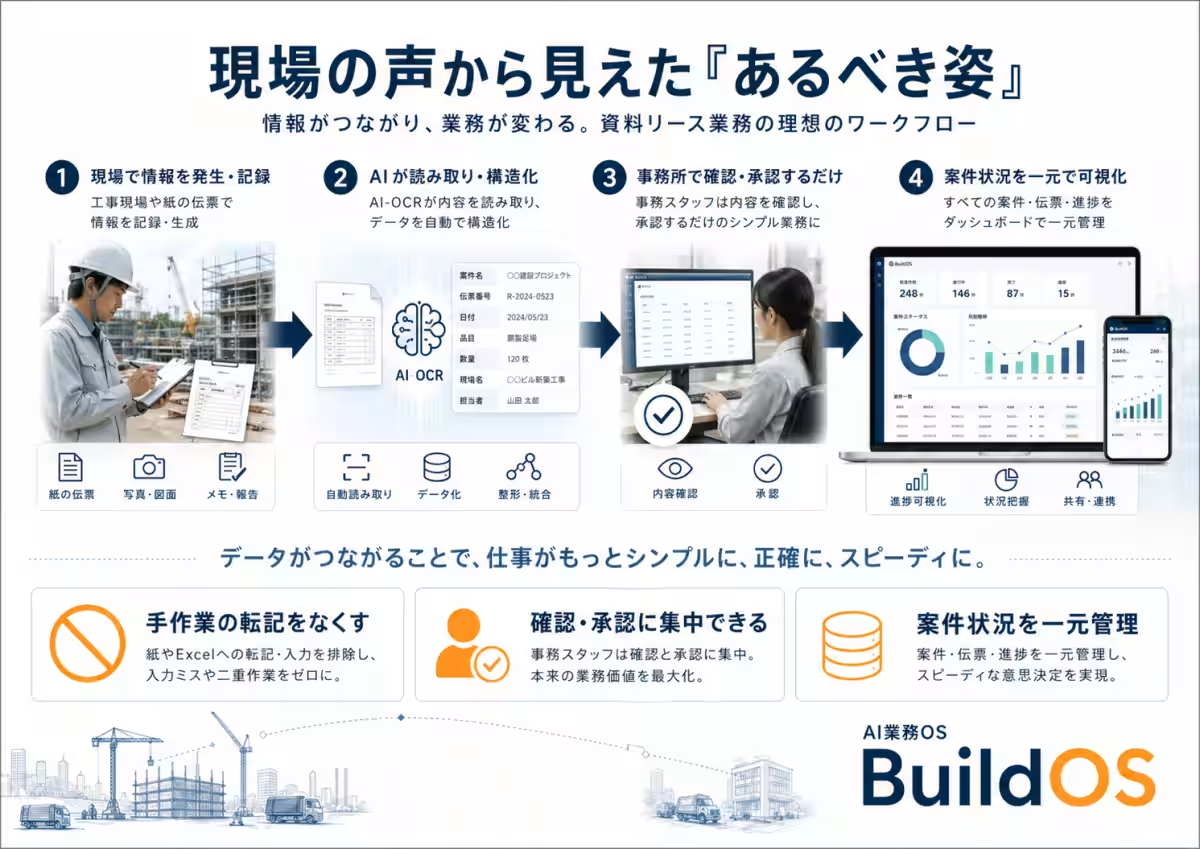
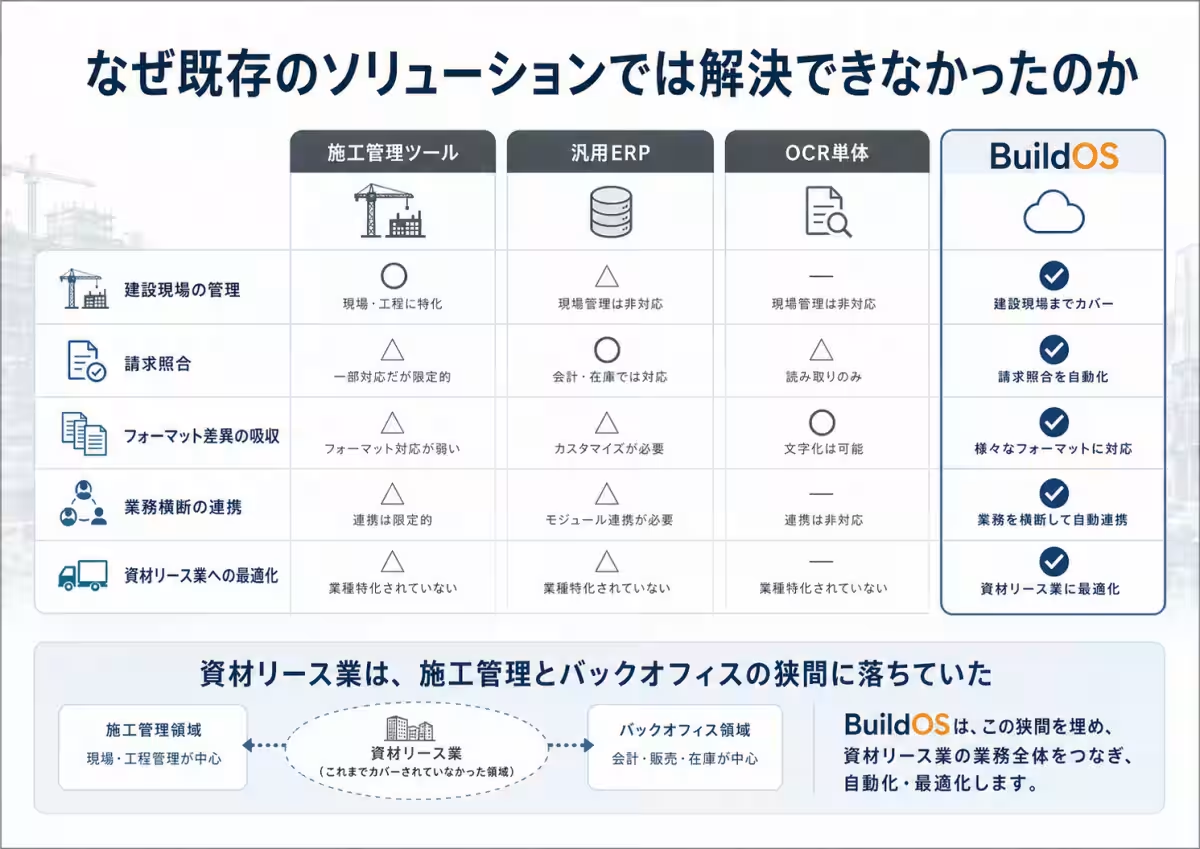
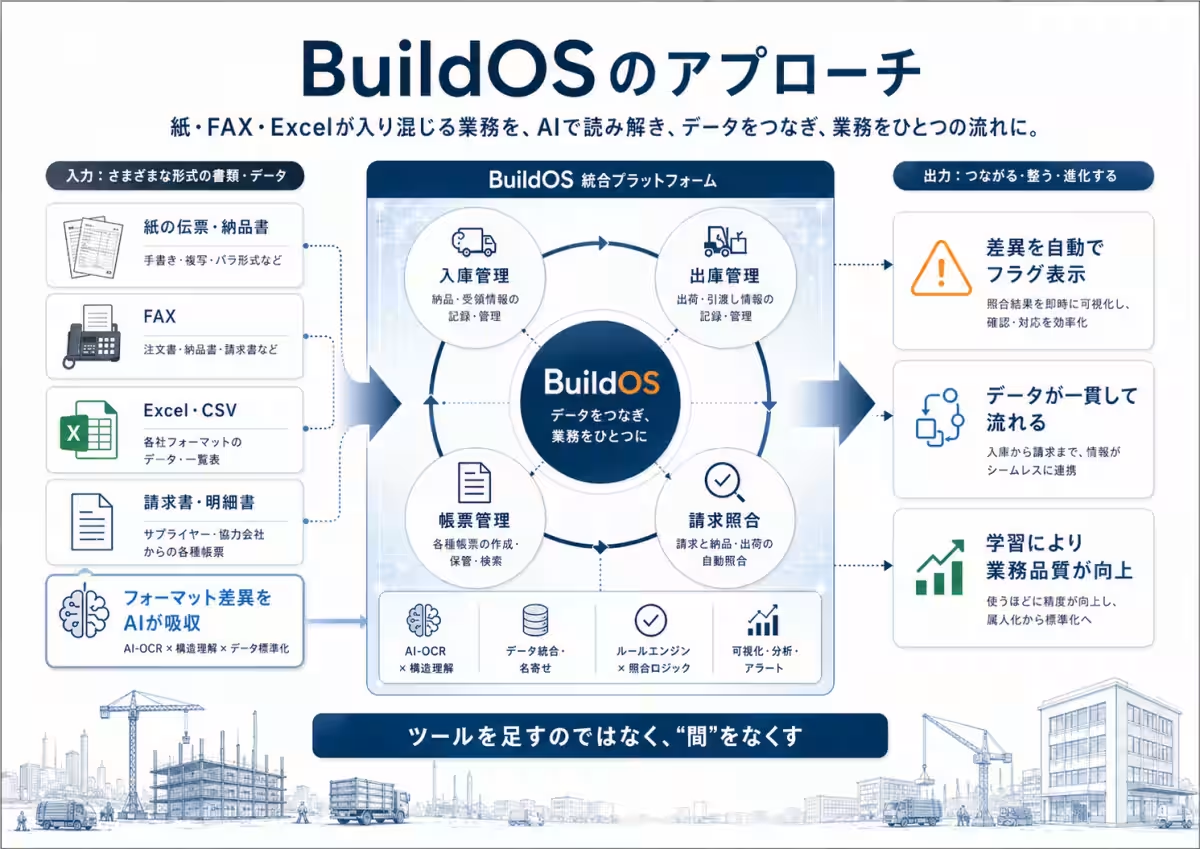
Recognizing the challenges inherent in the materials leasing industry, Leach has launched BuildOS, leveraging artificial intelligence to facilitate operational efficiency. By aiming to automate labor-intensive processes—from data input to transaction checks—BuildOS addresses construction's unique challenges through tailored AI solutions.
The deployment of AI promises to replace the labor-intensive tasks previously managed by individuals, such as data transcription and supervision, while allowing workers to focus on decision-making processes. The goal is not just to eliminate paper but to create a world where digital systems manage processes without overwhelming individuals with excessive workload.
As the construction sector seeks to evolve past outdated methodologies, BuildOS aims to equip firms with the necessary tools to thrive in an increasingly digital economy, ultimately supporting a more interconnected and effective construction landscape.
Topics Business Technology)
【About Using Articles】
You can freely use the title and article content by linking to the page where the article is posted.
※ Images cannot be used.
【About Links】
Links are free to use.