



Survey Reveals Evolving Trends in SEO Article Effectiveness and AI Adaptation in Marketing Strategies
Overview of SEO Article Effectiveness and AI Adaptation
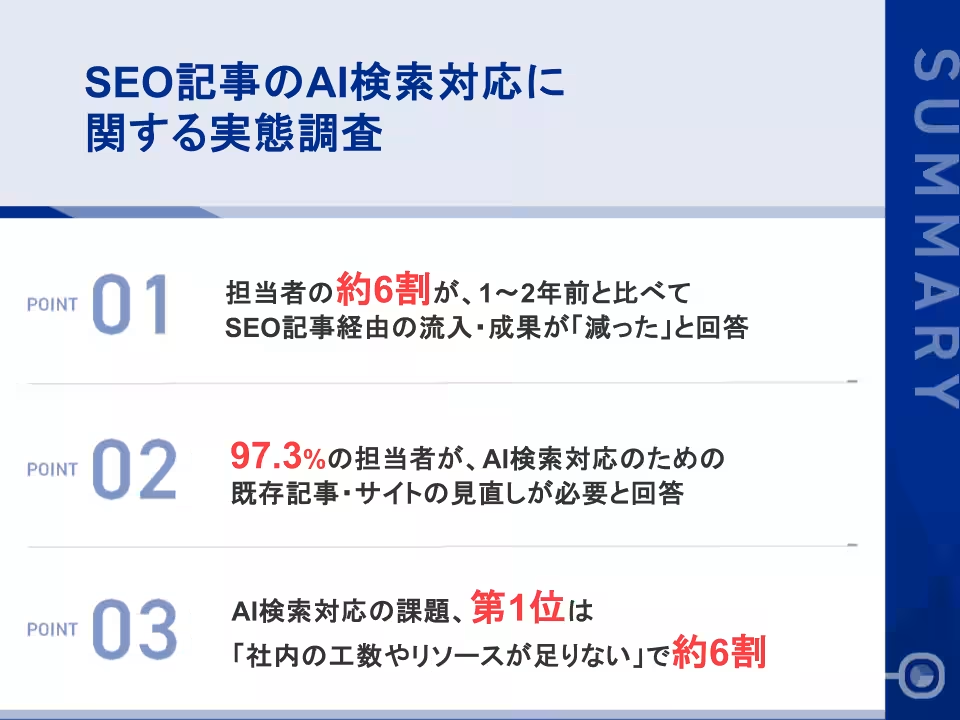
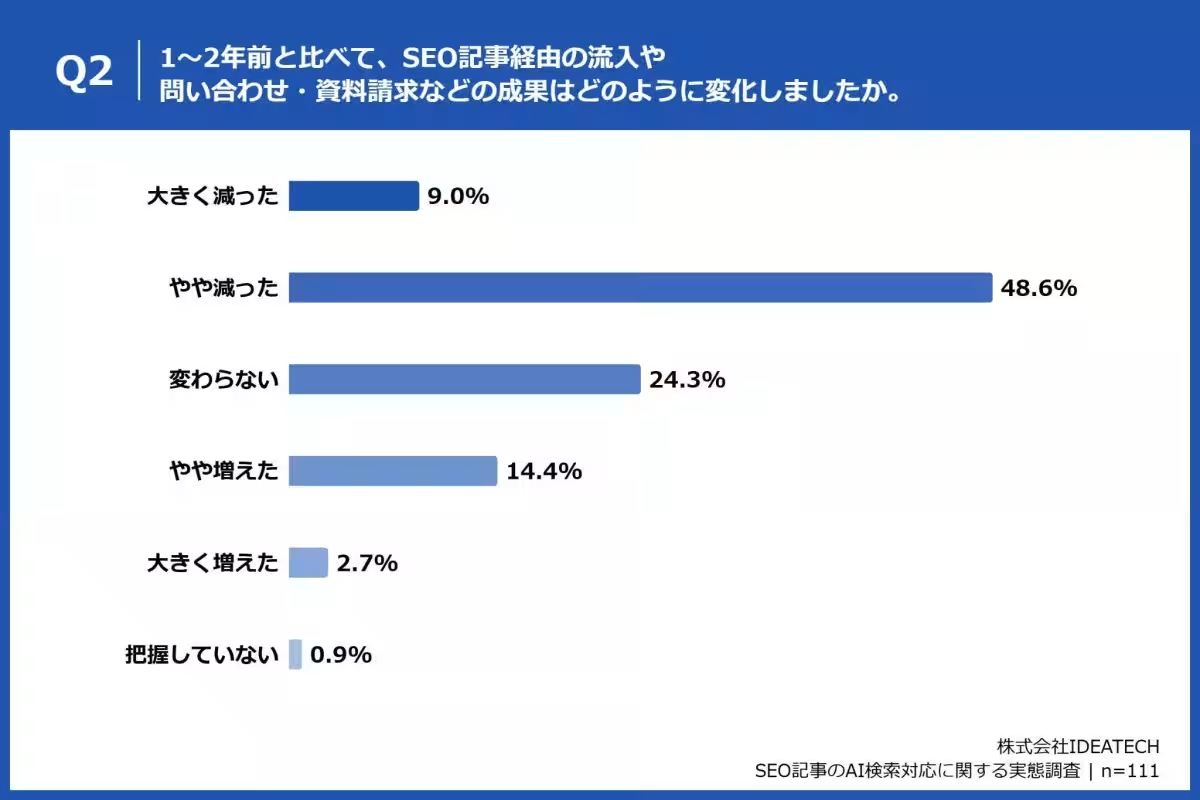
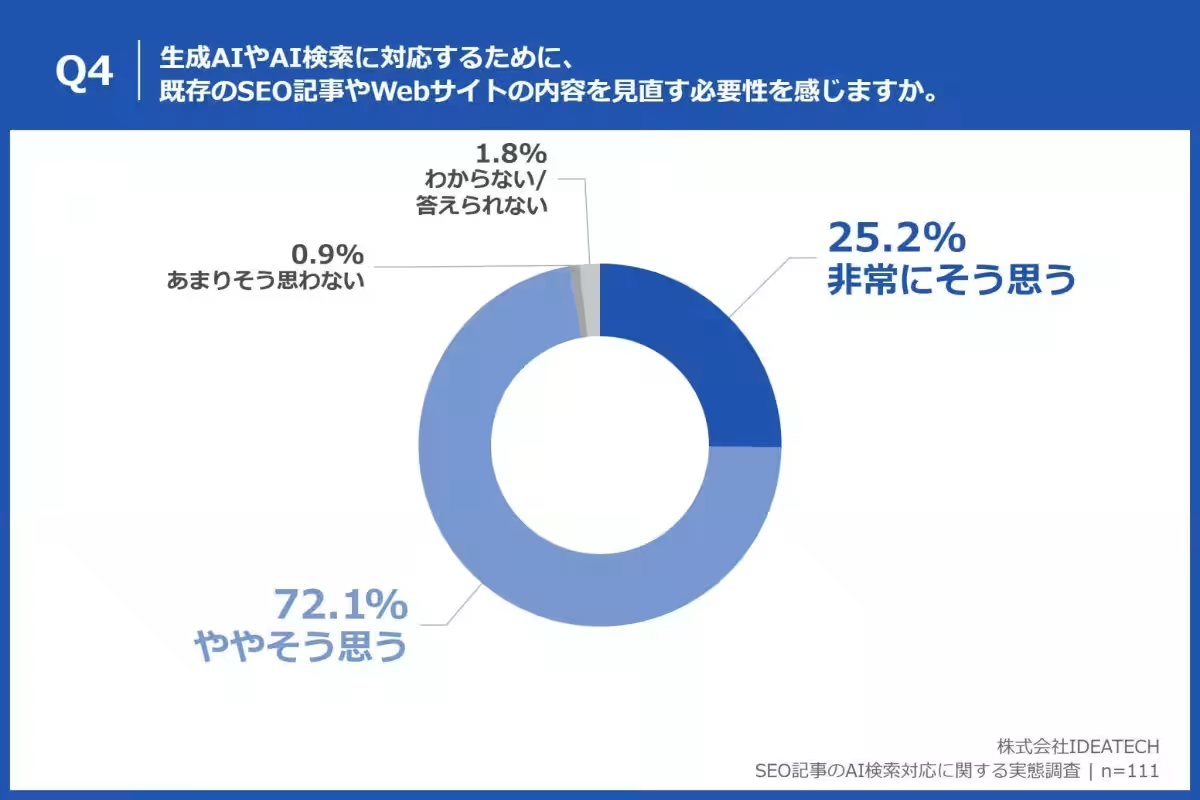
As the landscape of digital marketing evolves, companies are increasingly facing challenges related to Search Engine Optimization (SEO) articles. A new survey conducted by IDEATECH, targeting 111 individuals involved in the planning, operation, production, and effectiveness measurement of SEO articles for owned media, sheds light on these pressing issues. The findings reveal that nearly 60% of respondents believe that the traffic and outcomes generated by SEO articles have seen a decline over the past two years. Simultaneously, an overwhelming 97.3% acknowledge the necessity of reviewing their existing articles and sites to adapt to AI searches. However, a significant hurdle identified is the lack of internal resources to support these adaptations.
Declining Effectiveness of SEO Articles
The survey results indicate that about 60% of SEO professionals feel that the performance of SEO articles has decreased compared to 1-2 years ago. Specifically, 9% reported a significant decline while 48.6% noted a slight decrease in outcomes such as inquiries and downloads from SEO-driven traffic. This perception underscores the challenges that marketers encounter as they navigate the evolving algorithms of search engines and the increasing reliance on AI searches.
Need for AI Adaptation
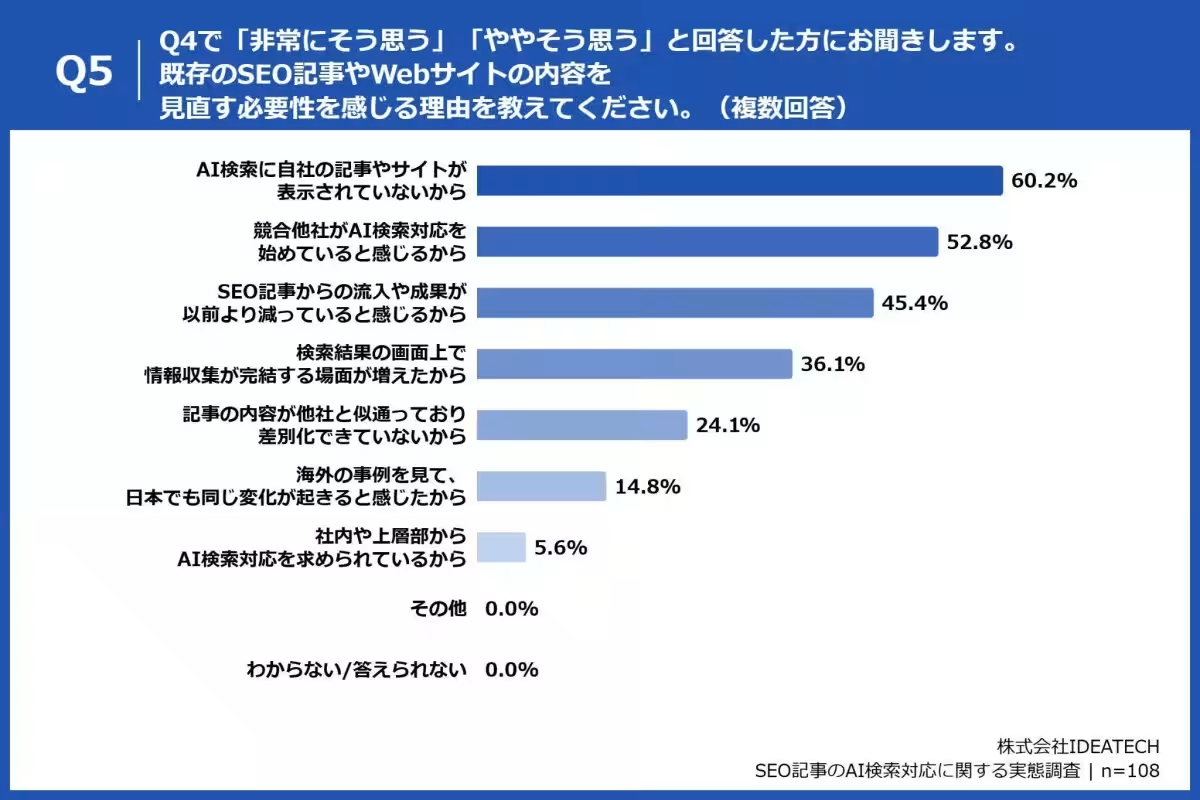
The necessity for businesses to rethink their approach towards existing content is underscored by a staggering 97.3% of respondents who expressed that reviewing their SEO postings is essential for aligning with AI search trends. A majority, about 60.2%, identified that their content is not appearing in AI search results, while 52.8% felt pressured by competitors who are already adapting to these technologies. This competitive landscape drives organizations to rethink their content strategies actively.
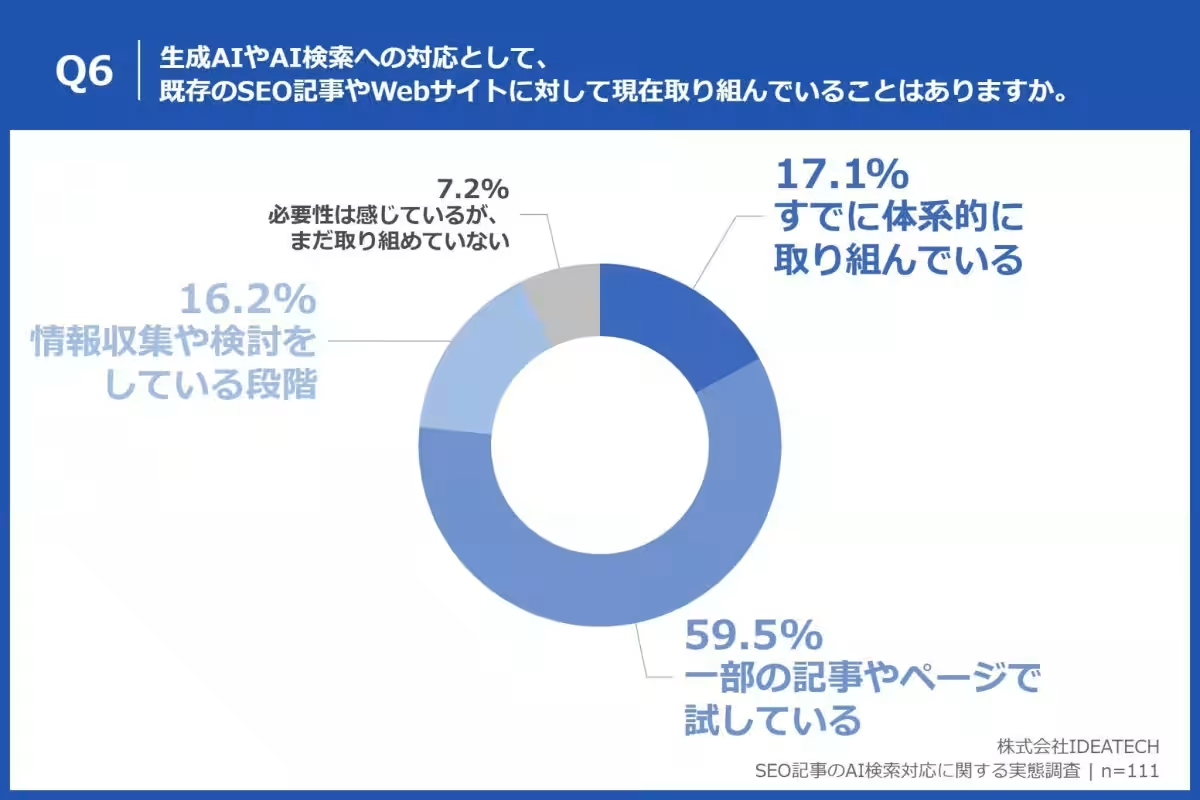
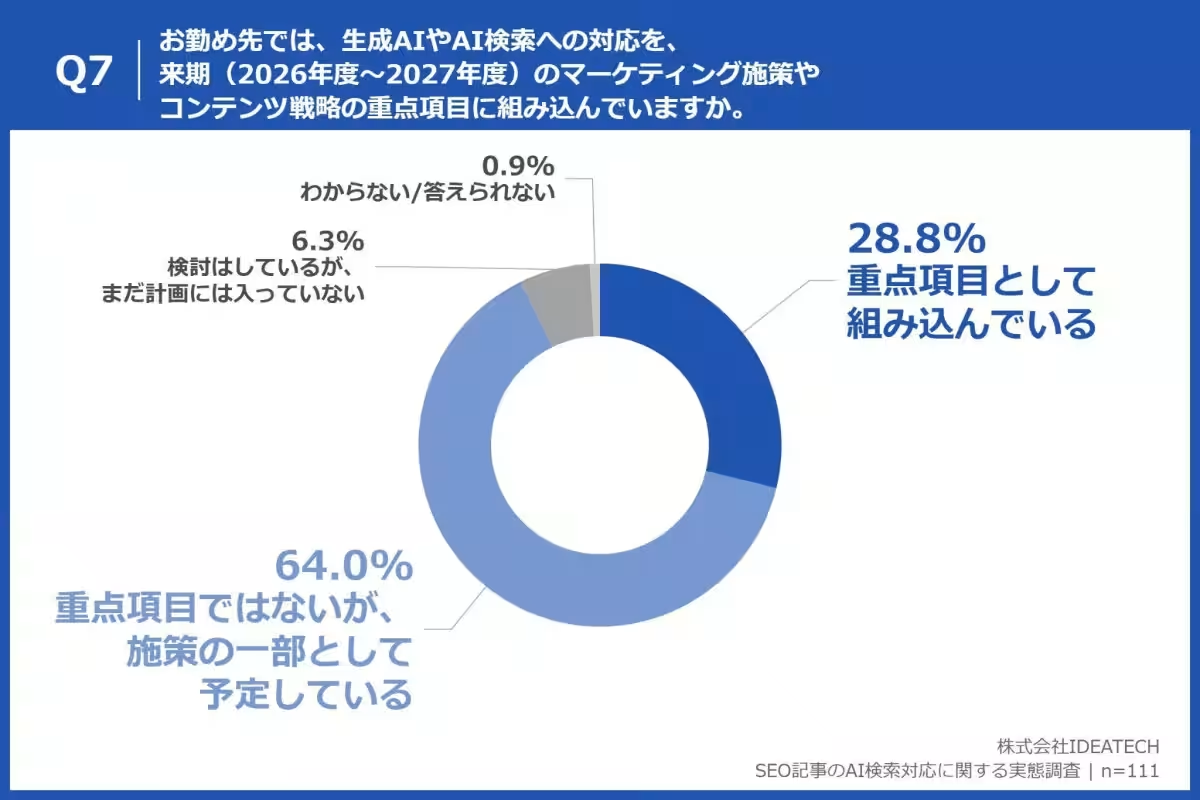
Furthermore, about 76.6% of businesses are either systematically working on or testing adaptations to their existing SEO articles, with 92.8% planning to incorporate AI adaptation strategies into their marketing initiatives for the next fiscal year.
Challenges in Adapting Content and Resources
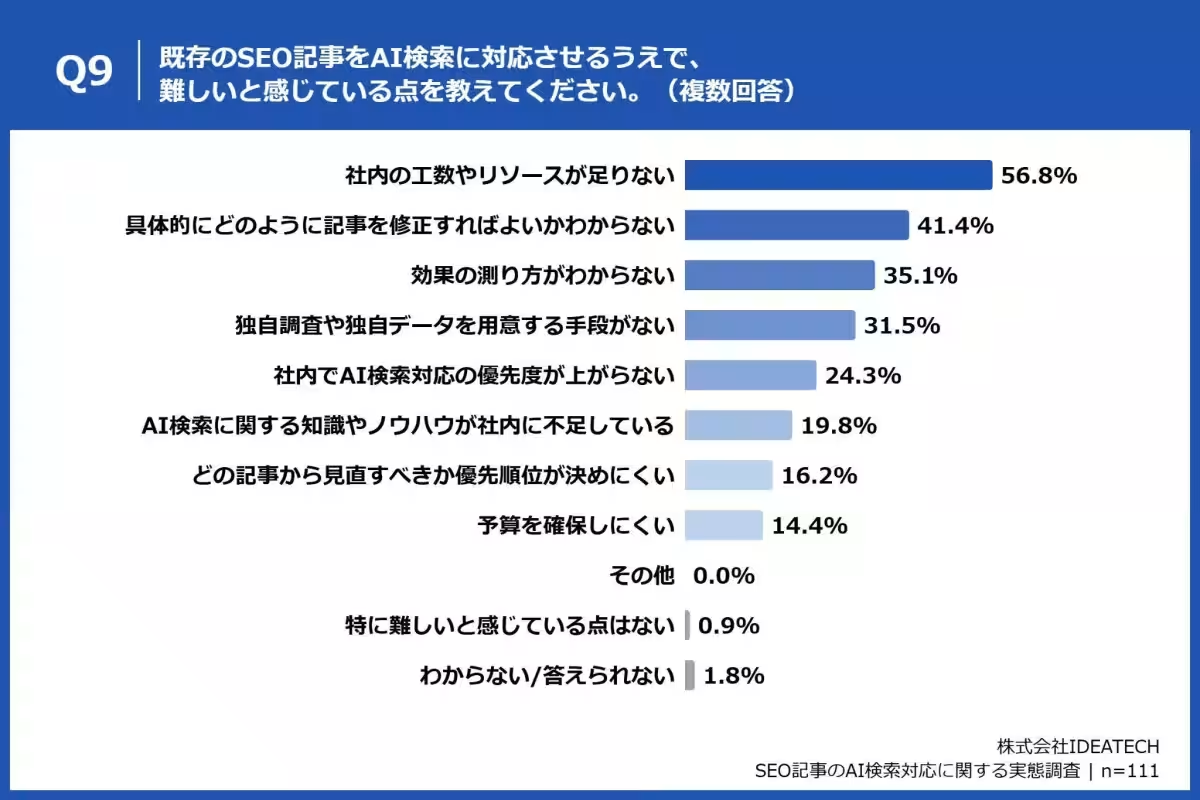
Despite the recognition of the need for change, several obstacles limit progress. Nearly 56.8% of marketers highlighted a lack of internal resources and manpower as their primary challenge. An additional 41.4% expressed confusion over how to effectively revise existing articles for AI compatibility. This sentiment echoes broader concerns regarding the urgency for companies to address their internal capabilities in light of the fast-paced changes in the AI domain.
Commitment to Quality Content
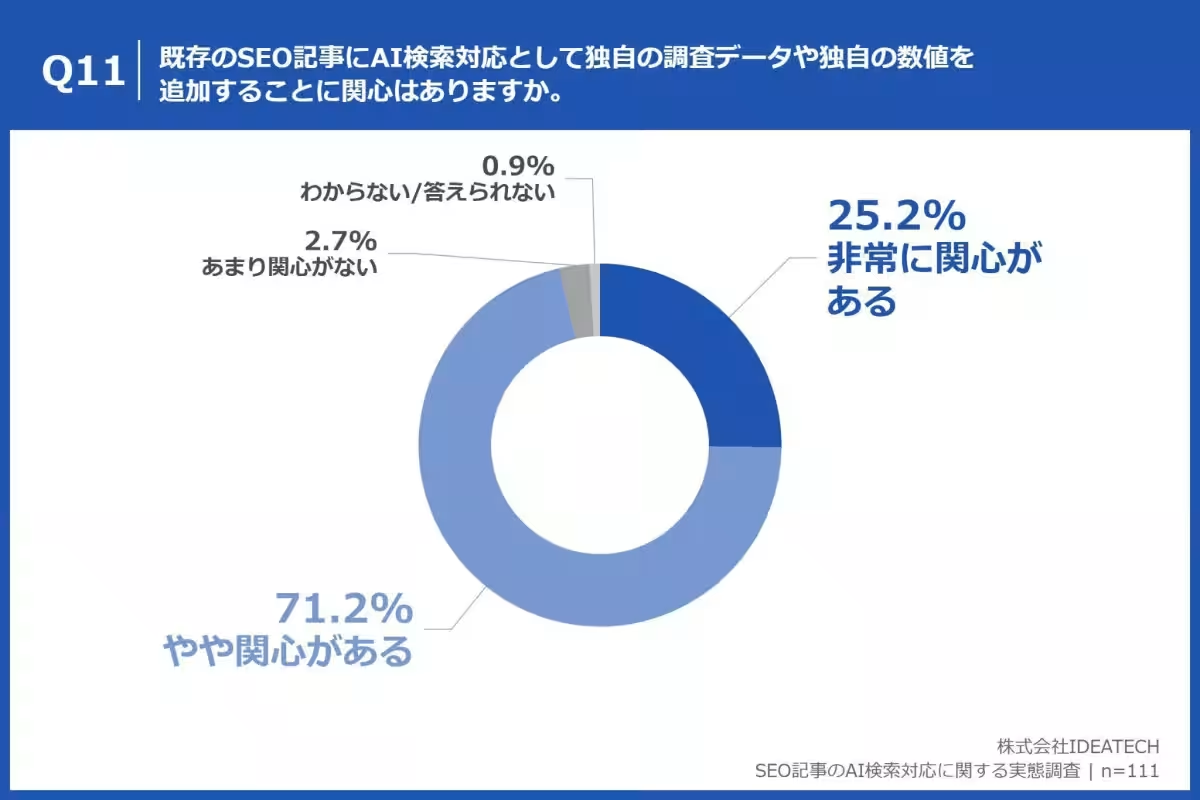
Despite these challenges, the survey reveals a strong desire among company representatives for high-quality content production. About 96.4% of those surveyed expressed keen interest in enhancing their articles with unique research data to improve trustworthiness and differentiate their offerings from competitors. Emphasizing original research and credible sourcing is becoming increasingly critical in the age of AI-driven content consumption.
Conclusion
What the survey results highlight is the considerable shift occurring within the realm of SEO, fueled by advancements in AI technology. Marketers are facing the reality that traditional methods may no longer suffice in maintaining traffic and conversion rates. While the urgency to adapt existing content strategies is palpable, organizations must overcome the significant barriers posed by resource constraints and strategic clarity. Strengthening internal processes and leveraging external resources could pave the way for companies to ensure their content not only reaches current audiences but does so effectively amidst the AI-driven search landscape. A comprehensive understanding of these dynamics will be crucial for marketers as they navigate the future of digital engagement.
For further insights and detailed findings from this survey, you can download the full report here.
Topics Business Technology)
【About Using Articles】
You can freely use the title and article content by linking to the page where the article is posted.
※ Images cannot be used.
【About Links】
Links are free to use.