



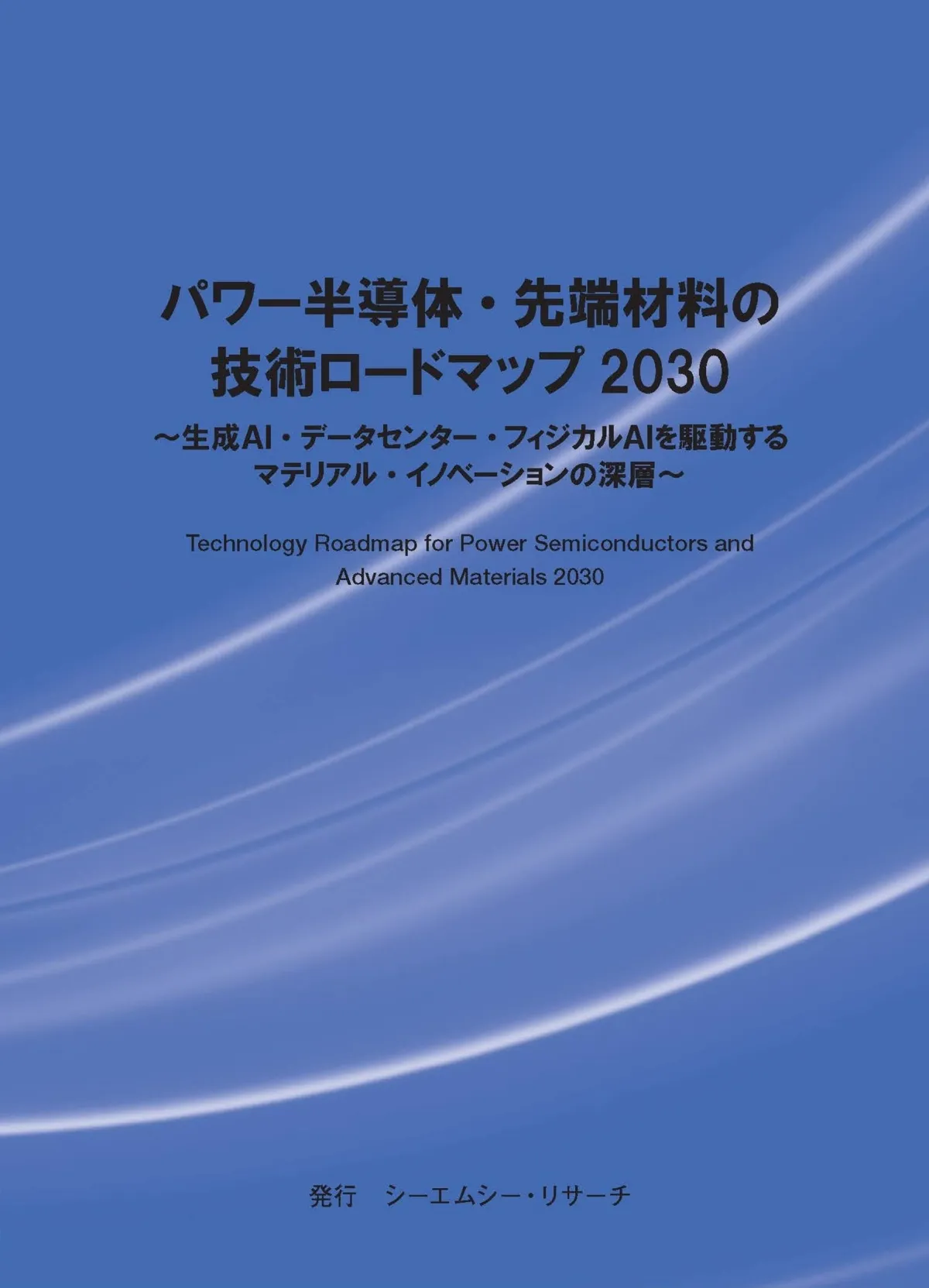
Navigating the Future of Power Semiconductors and Advanced Materials: A Roadmap to 2030
Unraveling the Future of Power Semiconductors and Advanced Materials
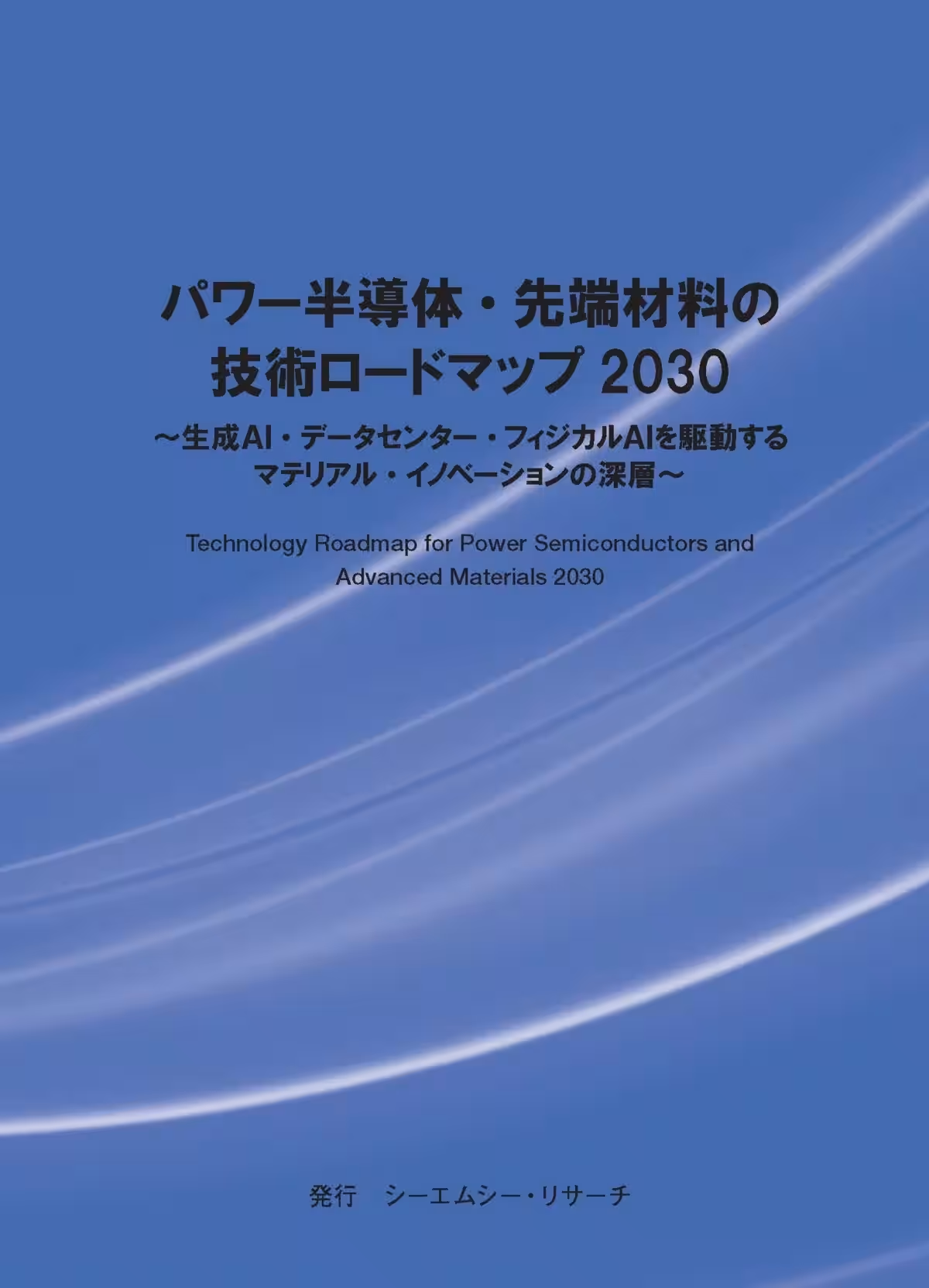
The realm of power semiconductors is on the brink of a monumental transformation, especially in light of the rapid expansion of generative AI, data centers, and physical AI. A recent publication titled "Technology Roadmap for Power Semiconductors and Advanced Materials 2030", released by CMC Research, offers a comprehensive view on how material innovations will shape the industry landscape leading up to 2030. It explores key areas including device performance maximization through advanced chemical materials and the implications of 1500V DC distribution.
Key Highlights
- - Ulimate Chemistry Materials Strategy: Delving into the concept of "peripheral chemical materials", the book discusses its critical role in maximizing device performance. These materials are pivotal in enhancing the overall efficiency of power conversion and reliability—parameters that are becoming increasingly important as the demand for efficient data handling escalates.
- - Power Revolution in Data Centers: The groundwork for this revolution is laid out, focusing on the increasing power needs of data centers driven by enhancements in AI. As the computational demands surge, the role of advanced materials in ensuring stable and efficient power supply is underscored.
- - Beyond SiC and GaN: Comprehensively analyzed are new strategies for semiconductor materials, particularly Silicon Carbide (SiC) and Gallium Nitride (GaN). Both are positioned to outpace traditional silicon due to their superior performance characteristics, making them indispensable for next-generation power devices.
- - Strategic Indicators for Material Manufacturers: The roadmap provides insight into how material suppliers can pivot from mere providers to co-creators, focusing on the critical metrics that will drive their dominance in the future market.
- - Challenges and Opportunities: The publication also identifies important challenges that may arise, such as overcoming thermal, reliability, and supply risks in power semiconductor peripheral materials.
The Roadmap Ahead
This document also outlines a pivotal transition of materials suppliers into collaborative partners in design specifications and standardization for AI infrastructures. Insights into the development and investment pathways projected to unfold by 2030 are offered for semiconductor companies, device manufacturers, and material suppliers alike.
The narrative shares a strategic lens, illustrating how the semiconductor industry will not only have to keep pace with AI advancements but also integrate their efforts with significant developments in chemistry and material sciences.
Technological Paradigm Shift
As AI continues to permeate various sectors, the semiconductor industry is witnessing a shift from merely constructing high-performance chips to ensuring the capability to consistently deliver reliable operational power. The increasing reliance on AI models is precipitating a corresponding increase in energy consumption across data centers, posing a challenge that demands innovative solutions in materials technology.
Collaborations and Innovations
This roadmap emerges as a guiding document to help stakeholders in the semiconductor landscape navigate through forthcoming technological challenges, enabling them to plan their investments and partnerships strategically. It emphasizes collaboration as a key theme, suggesting that only through united efforts can the industry harness the true potential of power semiconductor innovations.
Published on August 20, 2026, the technology roadmap is a must-read for professionals and firms aiming to stay ahead in the power semiconductor sector. With its detailed analysis and future prospects, it serves as a critical resource for decision-making in an era poised for technological advancements and competition. For more details or to purchase, please visit the link provided.
Conclusion
As we progress toward 2030, understanding the intersection of power semiconductors and advanced materials will be essential for technological sustainability. The efforts to integrate the latest innovations with industry needs will define the competitive landscape that lies ahead.
Topics Consumer Technology)
【About Using Articles】
You can freely use the title and article content by linking to the page where the article is posted.
※ Images cannot be used.
【About Links】
Links are free to use.