



Sowaka Japan Launches MisePay QR Payment Trials for Retail Stores in Tokyo and Nagoya
Introduction of MisePay
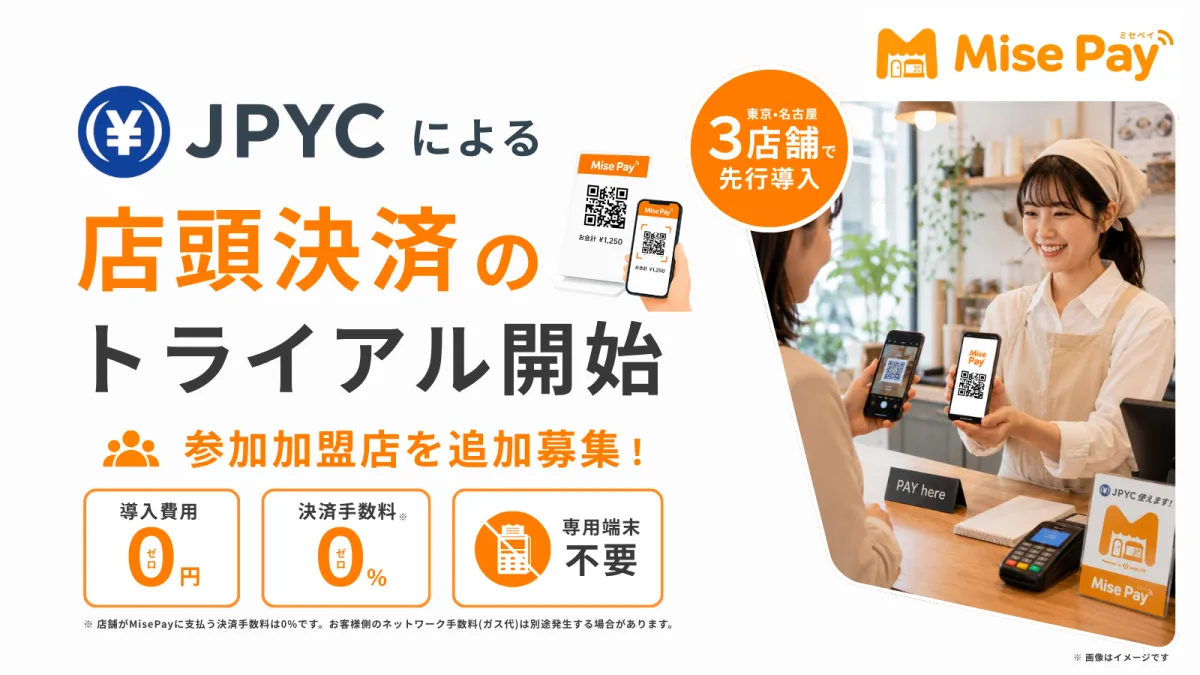
Sowaka Japan, a company based in Tokyo's Minato Ward, is set to roll out a trial program for its QR payment application, MisePay, in July 2026. The application is designed specifically for retail stores to accept payments in JPYC, a Japanese yen-backed stablecoin. The initial three participating locations include two stores in Shibuya, Tokyo, and one in Nagoya, Aichi Prefecture.
What is MisePay?
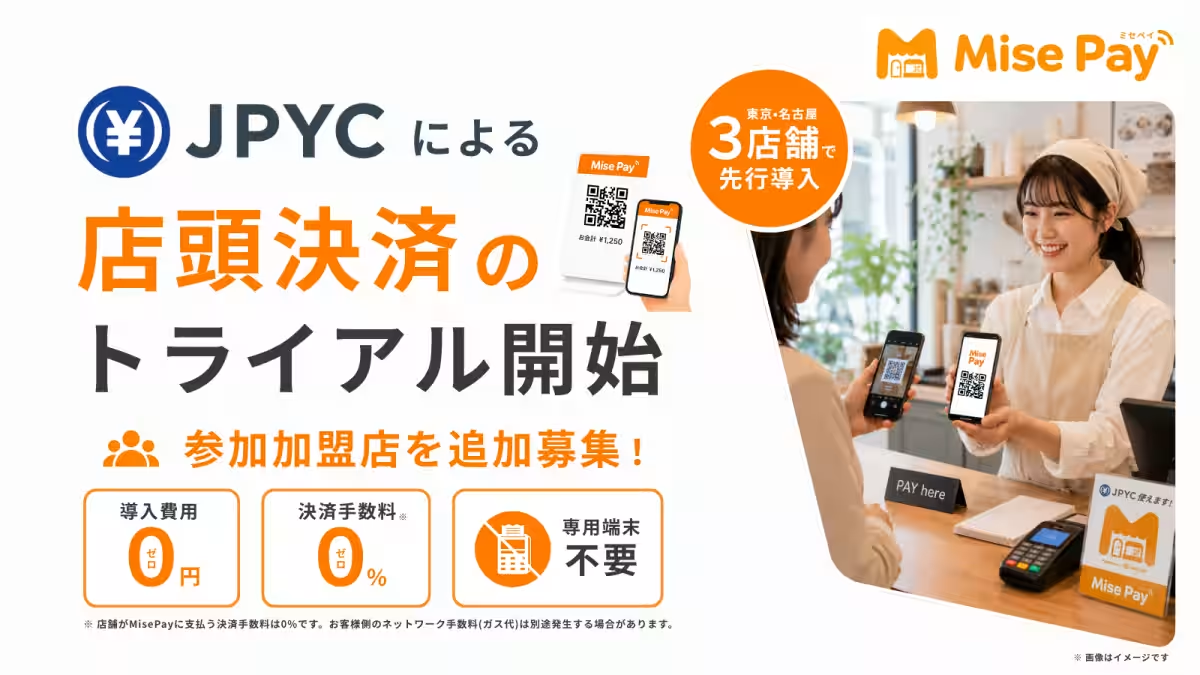
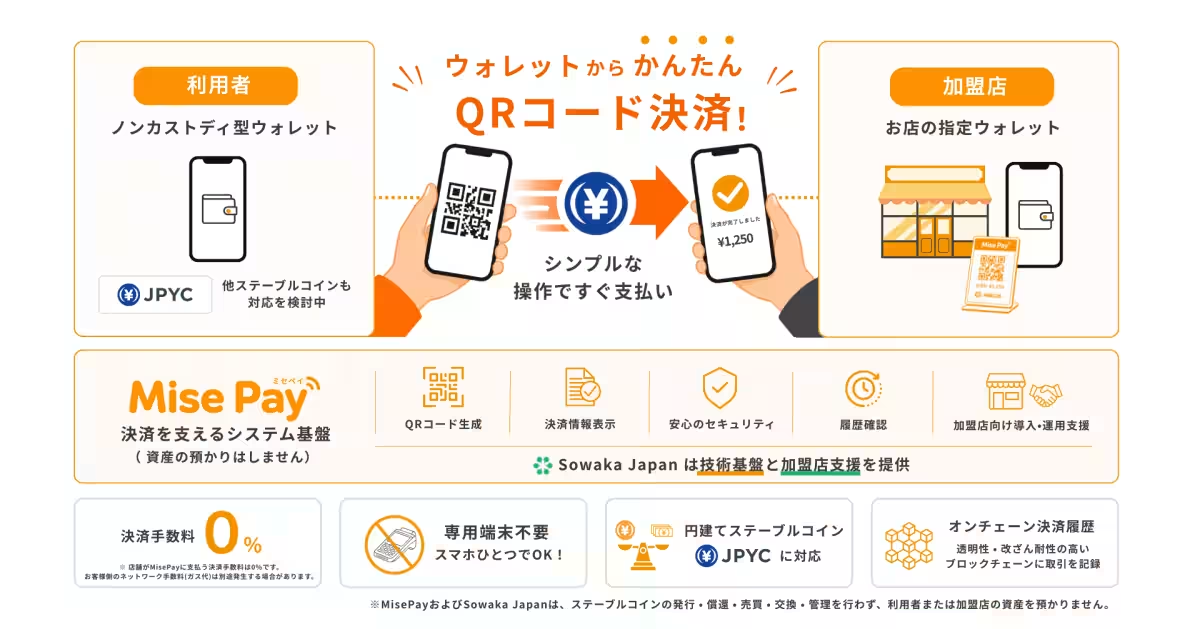
MisePay is an innovative payment application that allows stores to receive payments via JPYC through QR codes. One of its most appealing aspects is that there are no transaction fees or setup costs for participating merchants, enabling them to begin using the service without significant financial outlay—simply by employing a QR code.
Merchants can generate payment QR codes, verify transaction information, manage payment histories, and handle refunds directly through the MisePay platform. Unlike traditional systems, Sowaka Japan will not hold any users' stablecoin assets or engage in issuing, redeeming, buying, or selling stablecoins. Instead, they offer the necessary technical functions to facilitate JPYC payments.
Features of MisePay
1. Zero Transaction Fees
Merchants using MisePay do not pay any transaction fees, making it an attractive option for retail establishments.
2. Cost-Free Setup
There’s no setup fee, and merchants do not need specialized terminals. Merging into operations can be done using smartphones and QR codes.
3. Refund Management
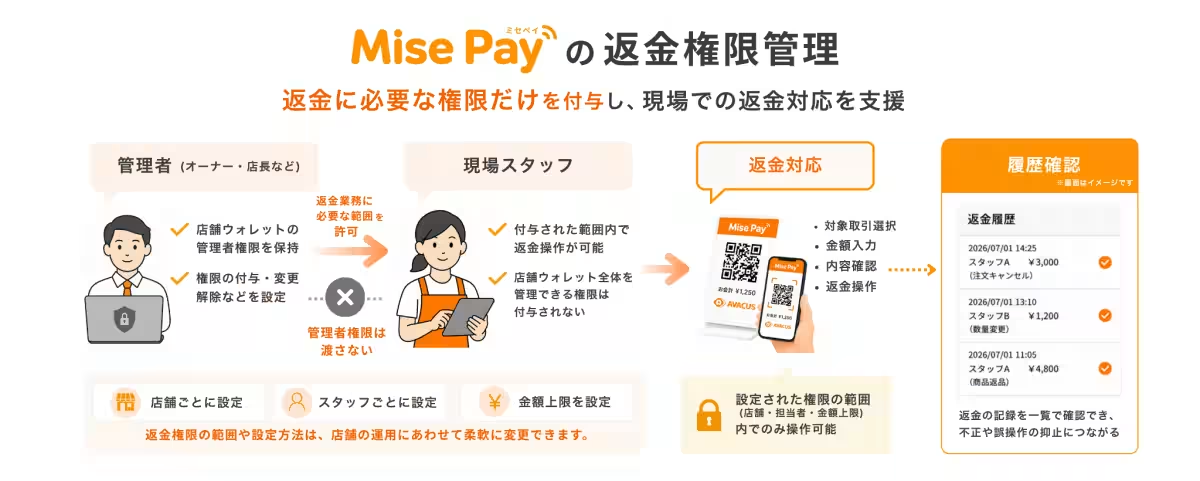
With the app's smart account feature, refund rights can be precisely controlled without granting full authority to on-site staff, thereby safeguarding the assets of the store.
4. Operational Support
Sowaka Japan provides support throughout the implementation process, including initial configuration, staff training, and ongoing operational assistance.
The Trial Program
The trial will involve diverse retail setting tests, including dining, entertainment, and service locales. Following the completion of the trial in several different operational environments, feedback will be gathered from the participating stores.
Locations in Tokyo for the trial include:
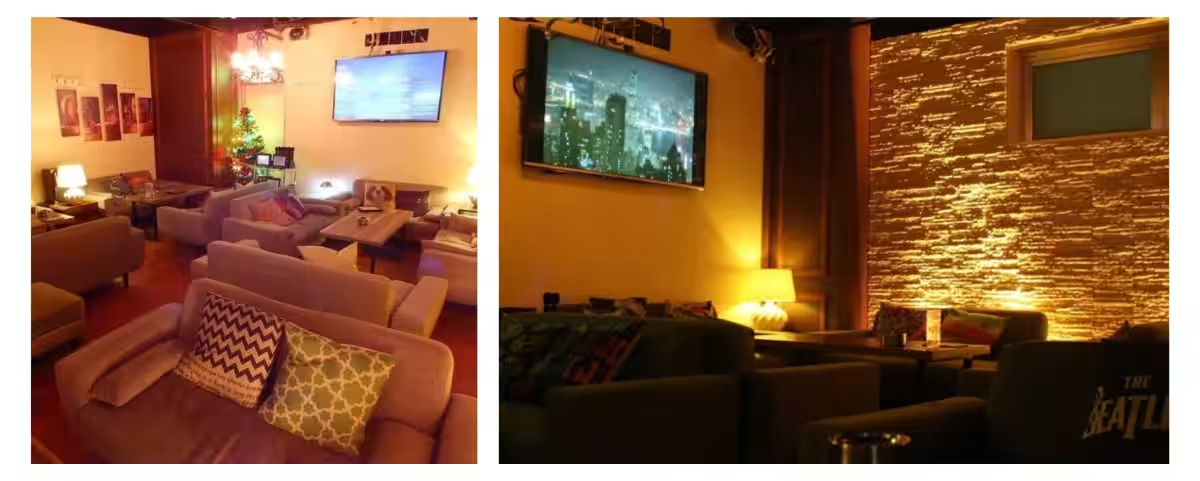
- VILLAS, Shibuya Center Street: A dining establishment catering to private parties and events with features like karaoke rooms and DJ booths.
- CROSS POINT TODOME, Shibuya: A bar and darts venue focusing on nighttime operations with varied entertainment offerings.
In Nagoya:
- Sakana Factory, Yanagibashi Central Market: A seafood restaurant providing a range of lunch and dinner options in a bustling area close to the Nagoya Station.
Testing Focus
Some key elements to be evaluated during the trial include:
- - User flow from QR code scanning to payment completion
- - Store-side payment confirmations and accounting operations
- - Staff guidance and training
- - Preparedness for cancellations and refund operations
- - Management of staff refund permissions
Ongoing Recruitment for Participating Merchants
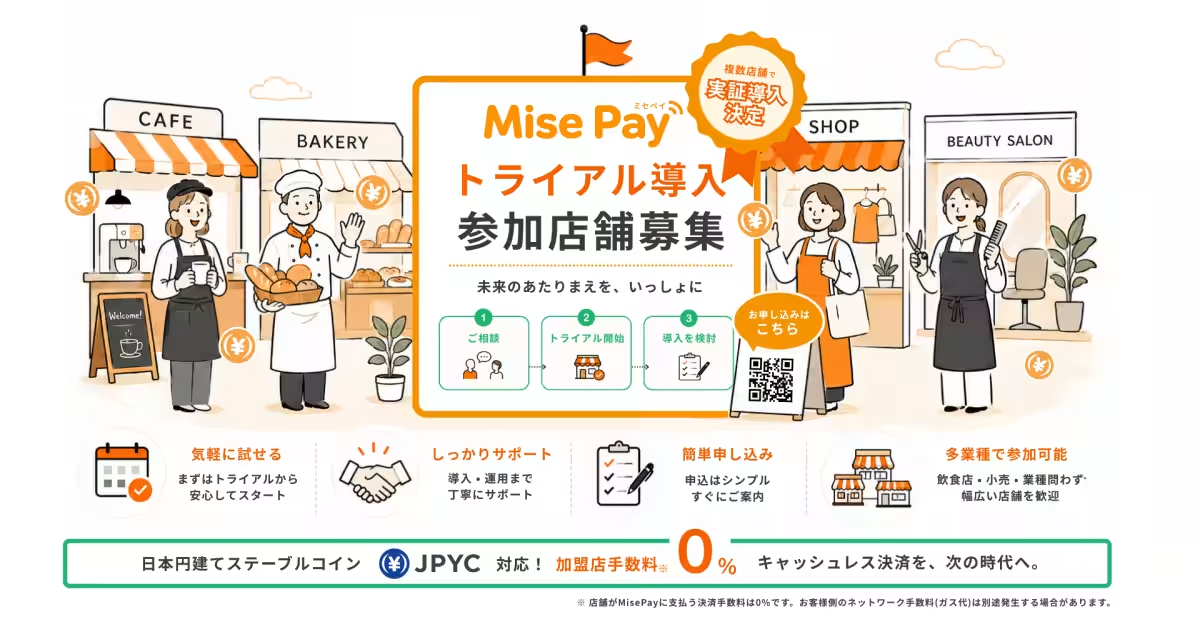
Sowaka Japan is inviting additional retailers, ranging from restaurants to service providers, to participate in the trial. The recruitment is versatile, evolving from Shibuya and planned to expand to other areas.
Future Expansion Plans
Through this trial, Sowaka Japan aims to enhance the payment experience for both stores and customers by ensuring ease of understanding and operational integration of stablecoin payments in everyday retail activities. This includes refining capabilities for refund management, cancellation protocols, and overall transaction processes.
Conclusion
As stated by CEO Kō Matsuda, merely increasing the number of stores accepting stablecoins is insufficient for these currencies to become commonplace in daily transactions. He emphasizes the importance of streamlined integration that assists staff in understanding and managing payments, including refunds and transaction histories as part of their daily operations.
MisePay endeavors to develop an accessible and practical payment experience based on real-world feedback and insights from the initial trials, ensuring that stablecoin payments become as commonplace as traditional methods in retail environments.



Topics Consumer Products & Retail)
【About Using Articles】
You can freely use the title and article content by linking to the page where the article is posted.
※ Images cannot be used.
【About Links】
Links are free to use.