



Huawei Unveils Top 10 Smart PV & ESS Trends for 2026
Huawei Unveils Top 10 Trends for Smart PV and Energy Storage Systems in 2026
On January 13, 2026, Huawei Digital Power held a strategic presentation unveiling the top 10 trends in Smart Photovoltaics (PV) and Energy Storage Systems (ESS). With the theme of "All-Scenario Grid-Forming, Unleashing AI, and Forging Excellence in Renewable Energy Sources," the event shed light on how these technologies are shaping the future of energy solutions.
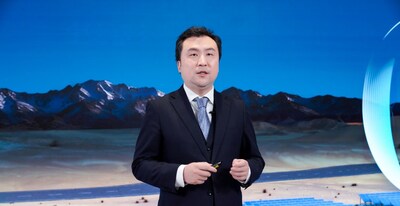
Eric Zhong, Vice President and Marketing Director of Huawei’s Smart PV and ESS Product Line, noted that the industry is transitioning into a phase characterized by higher value creation, moving beyond isolated innovations towards integrated advancements. This evolution is crucial for enhancing the reliability and efficiency of renewable energy sources. Here are the ten prominent trends shared during the presentation:
Trend 1: Synergy of PV, Wind, and ESS
The integration of photovoltaic systems, wind energy, and energy storage is expected to create a controllable and stable energy source, thereby enhancing the predictability of renewables. Future large-scale plants should focus on stable energy generation, independent operations using 100% renewable sources, and maintaining high-quality standards throughout their lifecycle.
Trend 2: ESS as a Key Grid Stabilizer
Network-connected ESS will become fundamental in ensuring the stability of the electrical grid. They will help smooth fluctuations in renewable energy generation while participating in energy markets and providing auxiliary services such as frequency regulation and demand response.
Trend 3: Smart Dispatching Enhancing Coordination
An innovative AI-driven smart dispatching technology will foster efficient coordination between generation, grid, load, and storage, promoting regional autonomy in energy supply.
Trend 4: Transition to Native AI for Residential Systems
For residential PV and ESS setups, a shift from AI-enabled systems to native AI systems is underway. This advancement is expected to result in optimized energy experiences, improving design, operation, and maintenance processes.
Trend 5: Increased Power Density
A projected increase in power density of solar inverters and Power Conversion Systems (PCS) by over 40% is on the horizon, leading to enhanced quality and efficiency in PV and ESS systems.
Trend 6: High Voltage and Reliability
A focus on high-voltage architectures and improved resilience will further reduce the Levelized Cost of Energy (LCOE). Safety measures are transitioning from reactive interventions to proactive prevention strategies.
Trend 7: System-Level Battery Management
Battery management at the system level is deemed essential for safe and stable operations. Digital technologies are being leveraged for precise battery management, from individual cells to complete systems, thereby enhancing operational capabilities, safety, and lifespan of ESS.
Trend 8: Evolving Network-Forming Technologies
The network-forming ESS is transitioning from a passive role to that of an active architect within the grid, allowing for deeply integrated and systematic applications.
Trend 9: AI Agents Automating Renewable Plants
There’s a rising integration of AI agents within renewable plants, promoting a seamless synergy between cloud, edge, and devices to realize efficient automation.
Trend 10: Quantitative Safety Improvements
The safety standards of ESS are advancing from sample-based checks to comprehensive lifecycle evaluations. This shift aims to define measurable safety indicators and improve capabilities to meet industry demands continuously.
In summary, as highlighted by Huawei, these trends not only represent the innovative direction for Smart PV and ESS technologies but also illustrate the massive potential for enhancing renewable energy sources as core components of the energy system landscape. This forward-thinking approach underscores the importance of quality development as the industry evolves.
Topics Energy)
【About Using Articles】
You can freely use the title and article content by linking to the page where the article is posted.
※ Images cannot be used.
【About Links】
Links are free to use.